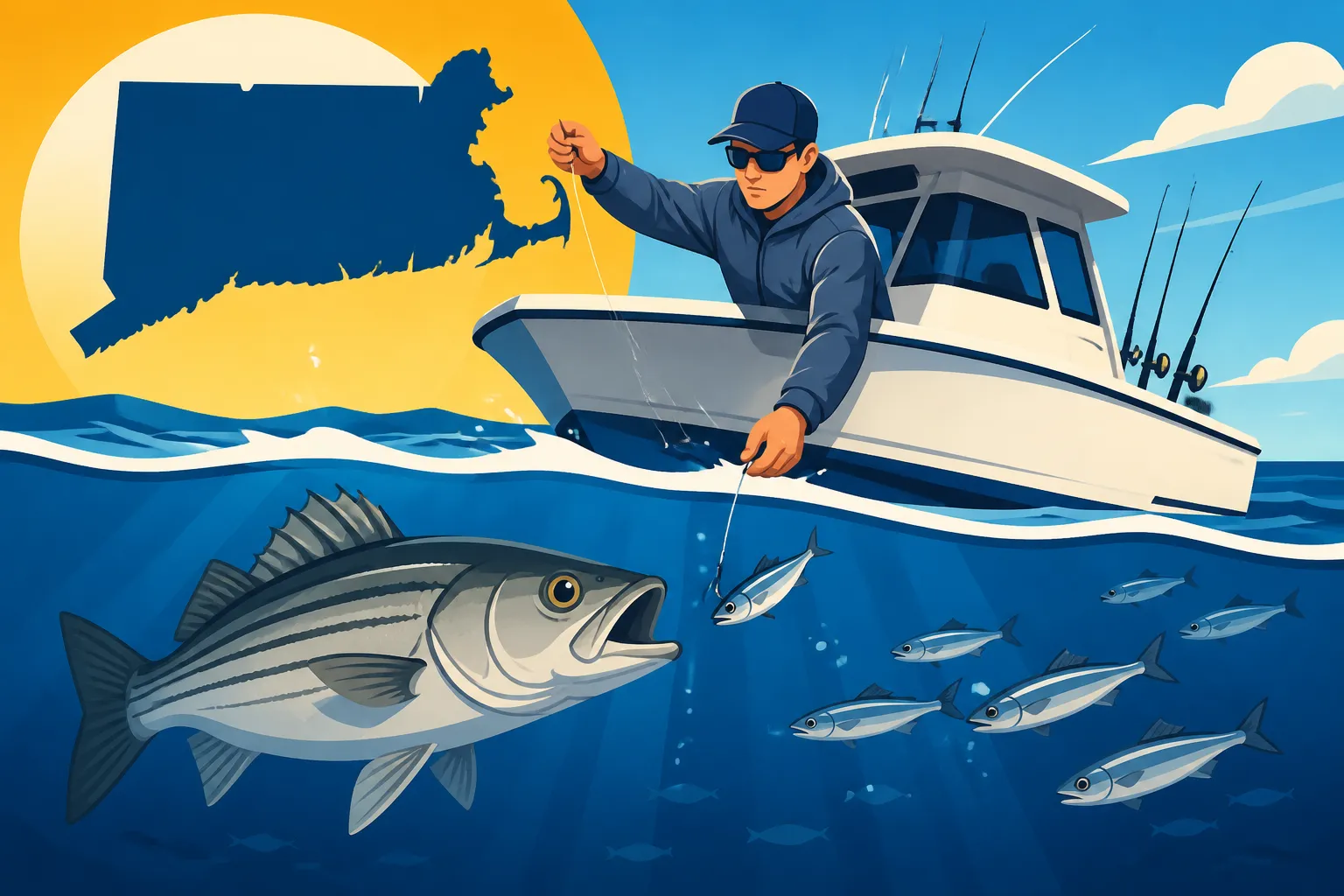
Best charters for live-lining bunker for striped bass
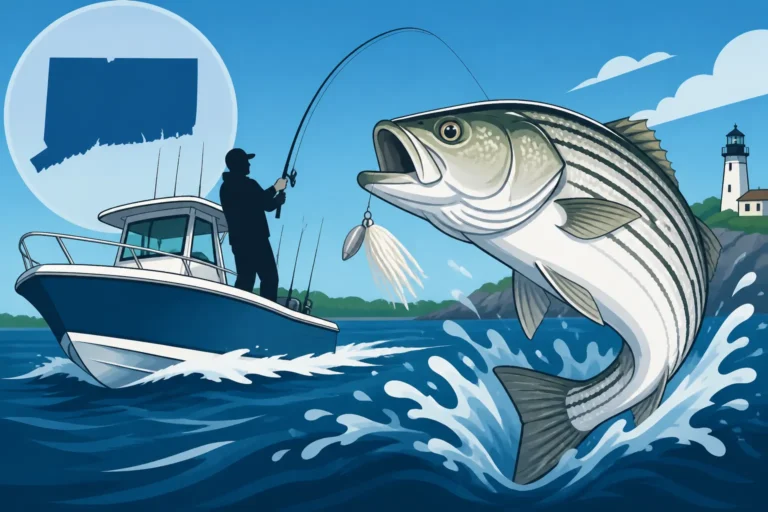
There’s nothing quite like the thrill of chasing trophy striped bass in Connecticut, but let's be honest, those big cows can be incredibly finicky. You can throw every lure in your tackle box, troll for hours, and still come up empty-handed while hearing stories of someone else landing a monster. One of the most consistently effective, yet challenging, ways to entice those truly massive stripers is through live-lining bunker. This guide is here to help you understand why this technique is so potent and, more importantly, how to find the very best fishing charters in Connecticut that specialize in putting you on those big, bunker-eating striped bass.
Why Live-Lining Bunker is King for Trophy Striped Bass
When you're serious about catching a striped bass that will make your jaw drop, you need to understand their diet and predatory instincts. These fish are opportunists, but they're also highly tuned predators, and few things scream "easy meal" quite like a struggling, live baitfish.
The Irresistible Appeal of Live Bunker
Imagine you're a big, hungry striped bass, patrolling the rips of Long Island Sound or the current seams of a major river. Suddenly, a plump, oily Atlantic menhaden, affectionately known as bunker, swims into view. It’s injured, or perhaps just disoriented, struggling against the current. What do you do? You attack! That's the power of live bunker. Its natural movements, the subtle vibrations it sends through the water, and the potent scent trail it leaves are absolutely irresistible to a striped bass. No artificial lure, no matter how realistic, can fully replicate the nuanced, life-like presentation of a live bunker. This isn't just about mimicking bait; it's about presenting the real deal.
For many recreational anglers, successfully catching and keeping bunker alive can be a huge hurdle. These baitfish are notoriously fragile, requiring specialized livewells with ample capacity and excellent aeration to stay healthy. Without the right setup, you spend more time reviving bait than fishing, which is a major frustration. This is precisely where a dedicated charter really shines, eliminating the most common pain points of a DIY live-lining operation.
Understanding Striped Bass Behavior When Feeding on Bunker
Striped bass are highly attuned to the movements of their primary forage. When large schools of bunker move into an area, it's like ringing the dinner bell. Stripers will often ambush these schools, driving them to the surface or pinning them against structure. This creates those incredible "blitz" scenarios we all dream of, where the water explodes with feeding fish. A charter specializing in live-lining bunker knows how to read the signs – the birds diving, the slicks on the water, the subtle disturbances – that indicate a bunker school is present and, more importantly, that stripers are likely nearby.
They understand that big stripers often lie in wait along current breaks, deep channels, or rocky outcroppings, letting the current bring the food to them. Whether it's the legendary rips around the mouth of the Connecticut River Striped Bass Fishing or the fertile grounds along the deeper sections of Long Island Sound Striped Bass Fishing, these captains have a mental map of where bunker gather and where the big stripers will be holding. They're not just guessing; they're operating on years of accumulated knowledge about seasonal patterns, tides, and underwater topography.
What Makes a Charter "Best" for Live-Lining Bunker
It's one thing to offer "striped bass trips" and another entirely to be truly exceptional at live-lining bunker for trophy fish. The difference lies in specific expertise, specialized equipment, and a deep-seated commitment to this particular technique.
Experience and Local Knowledge of Bunker Runs
The most crucial element of a top-tier live-lining charter is the captain's and crew's intimate knowledge of bunker behavior and striper hotspots. They don't just know where to fish; they know when and how. This means:
- Bunker Procurement Expertise: Do they have a reliable method for finding and netting their own fresh bunker, often before the sun even rises? This is paramount. A charter that has to rely on bait shops might be out of luck if bunker are scarce or too small.
- Reading the Water: A great captain can spot a bunker school from a distance, interpret bird activity, and understand how currents and tides will affect bait movement and striper feeding patterns. They know the subtle clues that indicate a productive area.
- Crew Support: Live-lining isn't a one-person job, especially if you're keeping a large baitwell full of lively bunker. A dedicated crew member who can help manage the bait, rig hooks, and assist with fish handling is invaluable. They ensure the bait stays healthy and that your focus remains on fishing.
A truly experienced captain understands that success hinges on finding the bait first, then finding the fish. They'll know the specific estuaries and harbors where bunker stage before heading into the main Sound, allowing them to secure the freshest, liveliest bait possible.
Essential Gear and Boat Setup for Live-Lining
Live-lining bunker puts unique demands on a charter boat. You need more than just a place to stand; you need a mobile, well-equipped fishing platform designed for this specific technique.
- Advanced Livewell Systems: This isn't just about having a livewell. It needs to be large enough to hold dozens of adult bunker, with robust aeration, circulation, and filtration systems to keep them frisky for hours. A weak livewell means dead bait, and dead bunker rarely fool a wary trophy striper. You'll often see charters with multiple large, purpose-built livewells.
- Heavy-Duty Tackle: Live-lining big bunker means using stout rods and reels capable of handling powerful runs from large striped bass. This isn't ultralight fishing. You'll typically find conventional reels spooled with strong braided line, paired with fluorocarbon leaders to fool line-shy fish. Crucially, the best charters will exclusively use appropriate circle hooks, which are often mandated for striped bass to ensure higher survival rates for released fish. They're rigged to pin the bunker in a way that allows natural movement while ensuring a solid hookset in the corner of the fish's mouth.
- State-of-the-Art Electronics: Sonar is critical for locating schools of bunker and identifying lurking stripers below. GPS and chart plotters help captains navigate to known hotspots and mark productive drifts. Radar can assist in locating bird activity and distant bait schools, especially in low light or foggy conditions, which are often prime times for big stripers.
Without this specialized setup, a charter is simply not optimized for effective live-lining. It's an investment that serious captains make to ensure their clients have the best possible chance at trophy fish.
Safety Protocols and Ethical Fishing Practices
Any reputable charter prioritizes safety above all else. When you're dealing with big fish and heavy tackle, especially in potentially choppy waters, it's non-negotiable. Look for charters that are clearly US Coast Guard licensed and adhere strictly to all safety regulations. This includes having proper life jackets, emergency equipment, and a well-maintained vessel.
Beyond safety, ethical fishing practices are paramount, particularly when targeting a prized species like striped bass. The best live-lining charters will emphasize:
- Responsible Catch and Release: For oversized stripers (often outside the legal slot limit like the Connecticut Striped Bass Slot Limit and Season), careful handling is crucial. This means minimizing time out of the water, supporting the fish horizontally, and ensuring a healthy release. Many charters will have de-hooking tools ready and know exactly how to revive a large fish.
- Compliance with Regulations: Connecticut fishing regulations can be complex and change regularly. A professional charter captain will be completely up-to-date on all size limits, bag limits, season dates, and specific rules (like the Connecticut Circle Hook Requirement for Striped Bass), ensuring your trip is fully compliant.
You want a captain who is not just good at catching fish but is also a steward of the fishery, committed to its long-term health. You can often glean this from their online presence or by asking direct questions during booking.
Finding and Booking Your Ideal Live-Lining Charter in Connecticut
Now that you know what to look for, how do you actually find that perfect live-lining bunker charter? It takes a bit of research and asking the right questions.
Key Questions to Ask Before Booking
Don't be shy about interviewing prospective captains. This is your trip, and you want to ensure it aligns with your expectations.
- "How do you typically source your bunker?" This is a huge indicator of their commitment. Do they net their own fresh bait every morning, or do they rely on potentially less reliable sources? The best will proudly tell you about their bait-catching routine.
- "What happens if bunker aren't available on the day of my trip?" Sometimes, despite best efforts, bunker simply aren't around. A good captain will have a backup plan, whether it's switching to different live baits (like eels) or transitioning to artificial lures in productive areas. Transparency here is key.
- "What kind of tackle do you provide for live-lining big stripers?" You want to hear about heavy-action rods, strong conventional reels, and the exclusive use of circle hooks. Ask about leader material and strength. This ensures you're geared up for the fight.
- "What is your philosophy on catch and release for larger striped bass?" Listen for their commitment to fish welfare, especially if you're targeting those over-slot giants.
- "What's your experience specifically live-lining bunker in [specific area, e.g., Long Island Sound]?" Get a sense of their local expertise.
When you're browsing platforms like FishingBooker, pay close attention to the descriptions that specifically mention "live-lining bunker," "trophy striped bass," or "using fresh bait." Reading reviews from previous clients can also offer invaluable insights into a captain's specialization and success with this technique.
Top Regions and Departure Ports for Bunker Fishing
Connecticut offers several excellent areas for targeting striped bass with live bunker, primarily along Long Island Sound Fishing Guide and its major river systems.
- The Mouth of the Connecticut River: This area is a perennial hotspot, especially during the spring and fall migrations. The river acts as a superhighway for both striped bass and their prey. Charters departing from ports like Old Saybrook or Westbrook are ideally positioned. You'll often find these captains have extensive knowledge of Connecticut River Striped Bass Fishing.
- Eastern Long Island Sound (Niantic, Stonington): The reefs, rips, and rocky structures in the eastern Sound are prime ambush points for stripers gorging on bunker. Ports like Niantic and Stonington are excellent departure points for accessing these productive waters. Check out listings for charters out of these towns on FishingBooker.
- Western Long Island Sound (Norwalk, Greenwich): Don't overlook the western end! Areas closer to New York can also hold massive schools of bunker and the striped bass that follow them. Charters departing from Norwalk or Greenwich will focus on these rich tidal waters.
- Specific Estuaries and Harbors: Many smaller harbors and estuaries can be temporary holding grounds for bunker, attracting stripers in turn. Local captains will have intel on these transient opportunities.
The key is finding a charter based in a port that offers quick access to these known bunker zones.
Making the Most of Your Live-Lining Trip
Once you've booked your charter, a little preparation can significantly enhance your experience and increase your chances of success.
- Dress in Layers: Connecticut weather, especially on the water, can change rapidly. Layers allow you to adjust comfortably as temperatures shift from pre-dawn chill to midday sun.
- Bring Sun Protection: Sunscreen, a hat, and polarized sunglasses are non-negotiable, even on cloudy days. The glare off the water can be intense.
- Stay Hydrated and Bring Snacks: A full-day trip, especially one focused on intense fishing, requires fuel. Pack water, drinks, and some easy-to-eat snacks.
- Listen to Your Captain and Crew: They are the experts on board. Pay attention to their instructions for bait handling, casting, and fighting fish. Their guidance is crucial, especially when you're hooked into a powerful striped bass.
- Practice Responsible Angling: If you're fortunate enough to land a trophy striper, especially one you plan to release, handle it with care. Keep it in the water as much as possible, use wet hands, and support its full body weight. A quick photo and a healthy release ensure these magnificent fish can continue to thrive.
- Understand Tipping Etiquette: It's customary to tip the captain and/or crew, especially if they worked hard to put you on fish, provided excellent service, and helped with fish handling. While I can't give specific amounts, a general range of 15-20% of the trip cost is often appreciated for good service. You can find more details on Tipping Etiquette for Connecticut Fishing Charters.
By being prepared, respectful, and engaged, you'll not only have a more enjoyable trip but also learn valuable skills from some of the best in the business. And who knows? Your next cast with a lively bunker might just put you in the fight of a lifetime.
Charter Selection: Good vs. Great for Live-Lining Bunker
Here's a quick comparison to help you distinguish between a general fishing charter and one truly dedicated to live-lining bunker for trophy striped bass.
| Feature | Good Charter (General Striper) | Great Charter (Live-Lining Bunker Specialist) |
|---|---|---|
| Bait Source | May buy bait from local shops, use lures | Consistently nets own fresh, lively bunker |
| Livewell System | Basic, smaller, may struggle to keep bait alive | Large, advanced, multi-stage aeration/circulation |
| Captain's Focus | Catches stripers using various methods | Primarily targets trophy stripers with live bunker |
| Tackle Provided | Standard striper rods/reels | Heavy-duty, specialized gear for big bunker/stripers |
| Electronics Use | Standard GPS, basic fish finder | Advanced sonar for bait/fish, radar for birds |
| Knowledge of Area | Familiar with common spots | Intimate knowledge of bunker runs, secret spots |
| Crew Support | Captain does most tasks, minimal assistance | Dedicated crew for bait, rigging, fish handling |
| Conservation | Follows regulations | Emphasizes careful catch & release, fish welfare |
| Pre-Trip Info | Basic instructions | Detailed advice on what to expect & prepare |
Disclaimer
This article is for general informational purposes only and does not constitute professional advice. Laws, prices and regulations vary by location and change over time. Consult a qualified professional for guidance on your specific situation.