Best time of year to book a Connecticut fluke charter
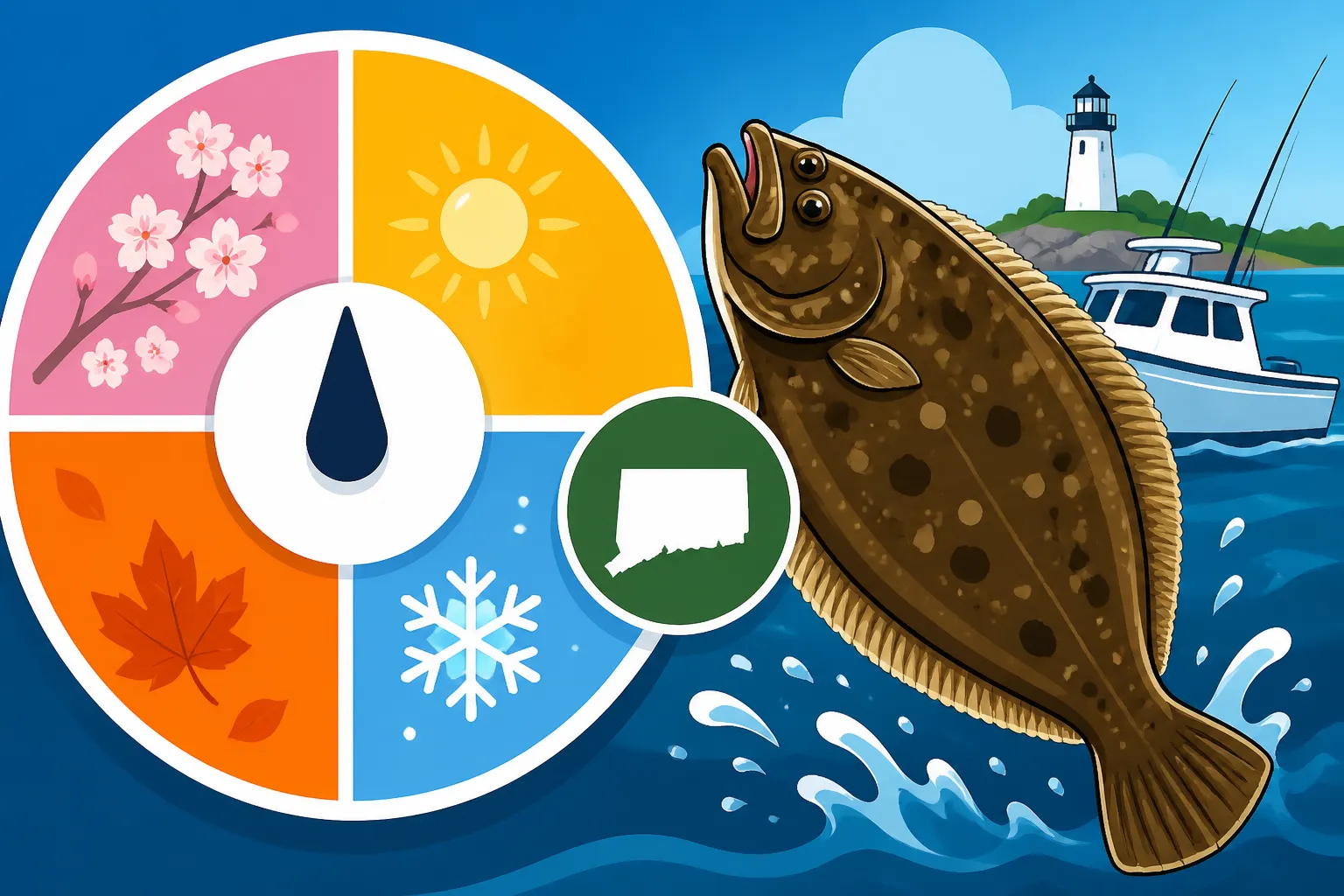
There's nothing quite like the thrill of reeling in a feisty fluke, that delicious flatfish often called summer flounder, but sometimes it feels like you're playing a guessing game when it comes to booking a charter. You want to hit that sweet spot when the fishing is hot and the conditions are right, right? Well, if you're looking to catch some delicious fluke in Connecticut waters, knowing the best time of year to book your charter can make all the difference, ensuring you're not left wondering if you missed the prime bite. This guide will walk you through the prime windows, seasonal shifts, and insider tips to ensure your next fluke charter is a success and you bring home a cooler full of fish.
Understanding Fluke Season in Connecticut
Before we dive into the best times to book, it's crucial to understand the lifecycle of fluke in our waters and the regulations that govern their pursuit. Connecticut's fishing scene is heavily influenced by species migrations and environmental factors, and fluke are no exception.
The Official Fluke Season: What You Need to Know
The Connecticut Department of Energy and Environmental Protection (DEEP) sets specific regulations for fluke, including season dates, minimum size limits, and daily possession limits. These rules are put in place to manage the fishery sustainably and ensure there are plenty of fluke for future generations of anglers. The season generally opens in late spring, often in May, and extends through the late summer or early fall, typically into September or October.
It’s important to remember that these dates and regulations can shift slightly from year to year based on stock assessments and regional management plans, so always double-check the latest DEEP guidelines before you head out. Your charter captain will, of course, be fully aware of the current rules, but having a basic understanding helps you appreciate the effort that goes into conservation. You can find all the details in our guide on Connecticut Fluke and Summer Flounder Regulations.
Fluke Migration Patterns and Water Temperatures
Fluke are creatures of comfort, and their movements are largely dictated by water temperature and the availability of their favorite prey. As the ocean waters off Connecticut begin to warm up in the spring, fluke start to migrate from their deeper, offshore wintering grounds into shallower, inshore areas and along the coast of Long Island Sound. This movement brings them within range of recreational anglers.
In early spring, when water temperatures are still on the cooler side (think mid-50s to low 60s Fahrenheit), fluke might be found in slightly deeper channels and around structure where baitfish are congregating. As summer progresses and the water warms further, they tend to spread out, often moving into shallower bays, estuaries, and along sandy bottoms where they can ambush prey like spearing, sand eels, and squid. The cooling waters of late summer and early fall trigger their move back towards deeper offshore areas in preparation for winter.
Peak Fluke Fishing: When to Book Your Charter
Knowing when fluke are present is one thing, but knowing when they are most active and catchable is another. There are distinct phases to the fluke season, each offering a unique fishing experience.
Early Season Fluke Late Spring/Early Summer
The official opening of fluke season, typically in May, marks the arrival of the first waves of fluke into Connecticut's inshore waters. This period can be really exciting because it's the first chance of the year to target these fish. During late spring and early summer (May into early June), you'll often find fluke concentrated in certain areas as they settle into their feeding grounds. The fish might not be at their absolute largest yet, but there can be plenty of action.
During this time, fluke are often hungry after their migration and can be quite aggressive. They might be found in shallower depths than in mid-summer, making them accessible to a wider range of boats and even some shore anglers if conditions are right. For charters, this means captains are often hitting those first productive spots, sometimes finding excellent numbers of keeper-sized fish. The weather can still be a bit unpredictable, but the fishing can be fantastic, offering a great way to kick off your summer fishing adventures.
Mid-Summer Fluke July/August
If you're looking for the absolute prime window for fluke fishing in Connecticut, mid-summer — specifically July and August — is typically it. This is when the water temperatures in Long Island Sound are consistently warm, and the fluke are fully settled into their summer patterns. During these months, the fluke population in our waters is usually at its peak, and they are actively feeding. This means not only are there more fish, but they also tend to be larger, with many anglers reporting their biggest fluke catches of the season during this period.
Charters during July and August will often be targeting deeper channels, rips, and rocky structures where larger baitfish are present. The bite can be incredibly strong, and it's not uncommon to experience limits of keeper fluke on a good day. Because this is the peak of the season, these dates, especially weekends, get booked up incredibly fast. If you're aiming for a mid-summer fluke trip, you absolutely need to plan ahead. Many anglers use services like FishingBooker to browse available dates and compare captains specializing in fluke fishing, ensuring they get their preferred slot before it's gone.
Late Season Fluke Late Summer/Early Fall
As August gives way to September and the first hints of autumn appear, fluke fishing enters its late season phase. This period, which can extend into early October if the weather holds, can be incredibly rewarding, especially for anglers hoping to land a true trophy fluke. As water temperatures begin to drop, fluke sense the change and start to stage for their offshore migration back to deeper wintering grounds. This is often referred to as the "fall run."
During the late season, fluke can be found in deeper water, often near the mouths of rivers or in deeper channels leading out of Long Island Sound. They are frequently gorging themselves on baitfish to build up reserves for the winter, meaning they can be very aggressive feeders. While you might not catch the sheer numbers you would in mid-summer, the average size of the fish caught can be impressive. Charters focusing on this period will often target these migratory pathways, providing opportunities for some truly memorable catches. Booking still requires foresight, but perhaps not as far in advance as the absolute peak of summer, offering a good option for those who prefer cooler weather and potentially bigger fish.
Here’s a quick overview of what to expect during different parts of the season:
| Season Phase | Typical Months | Expected Fluke Size/Numbers | Booking Difficulty | General Conditions |
|---|---|---|---|---|
| Early Season | May – Early June | Good numbers, moderate size | Moderate | Cooler water, occasional choppy days, fish nearshore |
| Mid-Summer (Peak) | July – August | Best numbers, larger size | High (book early!) | Warm water, generally calm, fish in varied depths |
| Late Season | September – Early October | Fewer numbers, potential for trophies | Moderate | Cooling water, less crowded, fish moving to deeper channels |
Factors Influencing Fluke Charter Booking Times
Beyond the biological cycles of the fluke themselves, several practical considerations will influence when you should secure your spot on a charter. Overlooking these can lead to disappointment, so let's break them down.
Weather and Water Conditions
Connecticut's coastal weather can be fickle, especially in the spring and fall. While summer generally offers more stable, calm conditions, any time of year can bring unexpected winds, rain, or even fog. These conditions directly impact fishing success and, more importantly, safety. A reputable charter captain will prioritize your safety and may cancel or reschedule a trip if the forecast is unfavorable.
Therefore, when you book, understand that flexibility can be a valuable asset. Booking a charter too early or too late in the season increases the chances of weather-related cancellations. Mid-summer often provides the most consistent weather, leading to fewer rescheduled trips. However, even in the heart of summer, a sudden thunderstorm or a persistent sea breeze can alter plans. Always communicate with your captain about their weather policy and be prepared for potential changes.
Charter Availability and Booking Strategy
This is where the rubber meets the road. The best fluke charters in Connecticut, especially those with a strong reputation for consistent catches and excellent service, book up fast. We're talking months in advance, especially for prime weekend dates during July and August. If you have a specific date in mind, or if you're planning a trip around a holiday weekend, you absolutely need to be proactive.
As soon as you decide you want to go, start researching and reaching out to captains. Platforms like FishingBooker can be incredibly helpful here, as they allow you to see calendars, read reviews, and even book directly. Don't wait until a week or two before you want to fish, particularly for those peak mid-summer times. If you're flexible with your dates, you might find more availability and even better rates on weekdays or during the shoulder seasons (late spring or early fall). How to Choose a Connecticut Fishing Charter can give you more tips on finding the right captain for your trip.
Weekdays vs. Weekends and Holiday Considerations
Just like with any popular activity, weekends and holidays see the highest demand for fishing charters. This means:
- Higher Competition: More anglers are trying to book the same limited number of boats and prime dates.
- Less Flexibility: Captains are less likely to offer discounts or flexible scheduling during peak demand.
- More Crowds: Fishing spots, boat ramps, and even local restaurants can be more crowded.
If your schedule allows, consider booking a weekday trip. You'll often find more availability, potentially a more relaxed atmosphere on the water with fewer boats competing for the best spots, and sometimes even a slightly lower price point, though charter prices are fairly consistent across the board regardless of the day. For a truly peaceful fishing experience, a mid-week trip in September could be just the ticket, combining fewer crowds with the potential for those big late-season fluke.
Maximizing Your Fluke Charter Experience
You've picked the perfect time, booked your charter – now what? A little preparation and clear communication can go a long way in ensuring your day on the water is everything you hoped for.
What to Discuss with Your Captain
Before your trip, especially if you're booking through an online platform like FishingBooker, make sure to have a conversation with your captain. Don't be shy! This is your chance to manage expectations and ensure everyone is on the same page. Here are a few key discussion points:
- Target Species: Confirm that fluke is the primary target. While captains will often adjust to what's biting, reaffirming your goal helps them plan.
- Fishing Style: Are you interested in jigging, drifting with bait, or a combination? Many captains have preferred methods, but knowing your preference helps.
- Desired Outcome: Are you hoping for a cooler full of eating fish, or are you primarily after a trophy-sized fluke, even if it means fewer fish?
- What to Bring: Always ask about what's provided (rods, reels, bait, tackle) and what you should bring (food, drinks, sunscreen, cooler for your catch).
- Meeting Point and Time: Confirm all logistics to avoid any confusion on the morning of your trip.
Clear communication ensures that your captain understands your goals and can tailor the trip to give you the best possible chance of success. It also builds a good rapport, which makes the day more enjoyable for everyone.
Preparing for Your Trip
Once your charter is booked, a little planning on your end can make a huge difference in your comfort and enjoyment. Long Island Sound can throw all sorts of weather at you, sometimes all in one day!
- Dress in Layers: Even if it's hot on shore, it can be significantly cooler on the water, especially in the morning or if the boat is moving fast. Bring layers, including a waterproof outer shell.
- Sun Protection: Sunscreen, a wide-brimmed hat, and polarized sunglasses are non-negotiable. The sun's reflection off the water is intense.
- Food and Drinks: Pack plenty of water and snacks. A hungry or dehydrated angler is a miserable angler.
- Cooler: Bring a cooler with ice to take your catch home. Your captain will often clean and bag your fish for you, but you need a way to transport it.
- Seasickness Medication: If you're prone to seasickness, take preventative medication the night before and again in the morning as directed. Don't wait until you feel sick!
- Camera: Capture those memories, especially when you land that prize fluke!
Remember that many charters will provide all the necessary fishing gear, including rods, reels, bait, and tackle. However, it's always wise to confirm this beforehand. Also, while most reputable Connecticut charters will cover the necessary vessel permits, it’s a good idea to confirm if you need your own individual fishing license for your trip. For more general advice on what to expect, check out our What to Expect on a Connecticut Fishing Charter guide.
Understanding Regulations and Limits
While your charter captain is the ultimate authority on current regulations and will ensure your trip adheres to them, having a basic understanding of fluke rules is helpful. As mentioned, Connecticut Fluke and Summer Flounder Regulations detail minimum size limits and daily possession limits. These are in place to manage the fishery responsibly.
For example, fluke often have a "slot limit" or a minimum size, meaning you can only keep fish above a certain length. Occasionally, there might also be a maximum size, or even a smaller minimum size for a certain number of fish within your daily limit. Your captain will measure every fish and let you know what's legal to keep. Being aware of these rules helps you participate responsibly and understand why some fish go back in the water, even if they're a decent size.
Disclaimer
This article is for general informational purposes only and does not constitute professional advice. Laws, prices and regulations vary by location and change over time. Consult a qualified professional for guidance on your specific situation.