Connecticut resident marine fishing license cost 2026
It can feel like a maze trying to figure out exactly what fishing license you need and how much it’s going to set you back, especially when you just want to enjoy the beautiful saltwater opportunities Connecticut offers. Navigating the nuances between inland and marine, resident and nonresident, can be a real headache. This comprehensive guide is here to clear the waters, specifically detailing the expected cost of a 2026 Connecticut resident marine fishing license, helping you get out on Long Island Sound with confidence.
Understanding the Connecticut Resident Marine Fishing License
Before we dive into the dollars and cents, let's get a crystal-clear understanding of what a Connecticut resident marine fishing license is all about. It's not just a piece of paper; it's your ticket to legally access the incredible saltwater fishing experiences along Connecticut's coastline and its expansive estuaries. Many anglers, especially those new to the state or new to saltwater, sometimes mistakenly believe that a general fishing license covers everything, or that certain age groups are exempt from marine licenses when they aren't for inland waters. It's a common confusion, and we're here to sort it out.
Who Needs a Marine Fishing License in Connecticut?
If you're 16 years of age or older and a bona fide resident of Connecticut, and your plan is to fish in any of the state's marine (saltwater) waters, including the magnificent Long Island Sound, its bays, harbors, and tidal rivers, you absolutely need this license. This isn't just for those heading out on a boat; it applies equally to surf casters, pier anglers, and even those crabbing or collecting specific marine species from shore. It’s important to understand the specific age requirements for fishing licenses in Connecticut. Generally, those under 16 don't need a license, but always double-check the latest regulations as these details can sometimes change or have specific exceptions for certain activities.
Imagine a beautiful summer morning, you've got your coffee, your favorite surf rod, and you're heading to Hammonasset Beach State Park, ready to cast for striped bass. Without that resident marine fishing license, you could find yourself in a sticky situation with a DEEP conservation officer. It's a small step to ensure your day on the water is stress-free and legal.
What Exactly Does a Marine Fishing License Cover?
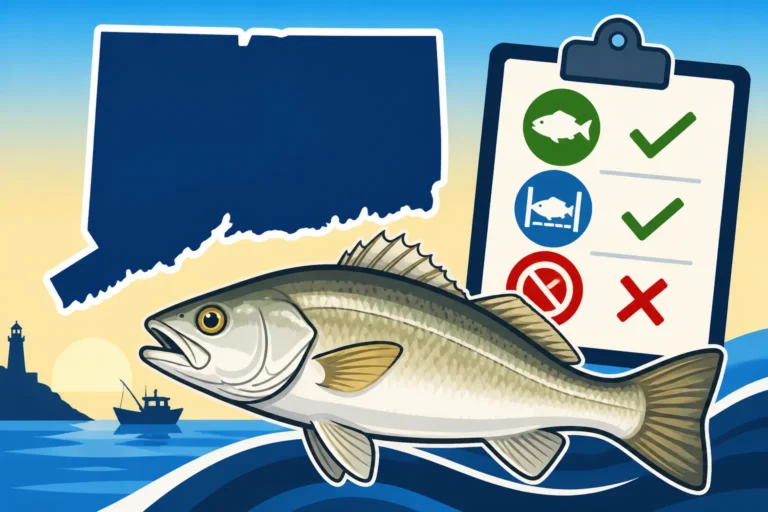
A Connecticut Resident Marine Fishing License grants you permission to harvest marine finfish in accordance with state and federal regulations. This means species like striped bass, bluefish, fluke (summer flounder), black sea bass, scup (porgy), and tautog (blackfish) are fair game, provided you adhere to all the specific size, creel, and season limits that apply to them. It's not a free-for-all, but rather an acknowledgment of your right to participate in this vital recreational activity.
It's crucial to remember that this license doesn't cover freshwater fishing in Connecticut's lakes, ponds, and non-tidal rivers. For those pursuits, you'd need an inland fishing license or an all-waters license. Furthermore, it typically doesn't cover the taking of shellfish like clams, oysters, or crabs (though crabbing for blue crabs with certain gear might be included under the marine license, specific regulations exist for other shellfish). Always consult the official Connecticut Saltwater Fishing Regulations by Species for precise details on what you can catch and how.
Distinguishing Marine from Inland Fishing Licenses
This is where a lot of anglers get tripped up. Connecticut has distinct categories for fishing licenses: inland, marine, and an all-waters option. The marine license is solely for saltwater environments. The inland license is for fresh waters. The all-waters license, as the name suggests, covers both. For residents who only plan to fish saltwater, opting for the marine-specific license is the most cost-effective and appropriate choice.
Think about it this way: if your fishing dreams involve battling a big striper off the mouth of the Connecticut River, or jigging for fluke out of Niantic, the marine license is your go-to. If you're planning a quiet day fly fishing for trout on the Farmington River or bass fishing on Candlewood Lake, you'll need an inland or all-waters license. Understanding the differences between Connecticut Inland vs Marine vs All-Waters License, Explained is key to ensuring you're properly licensed for your specific angling adventures.
The Specific Cost of a 2026 Resident Marine Fishing License
Now, for the information you've been waiting for! Getting down to the actual cost is straightforward, but it’s always good to understand the context of why these fees exist and what they support. Prices can feel like they're constantly changing, but for basic licenses, Connecticut has maintained fairly consistent fees in recent years, especially for residents.
The Standard Resident Marine License Fee for 2026
For the 2026 calendar year, the expected cost for a Connecticut Resident Marine Fishing License is $10.00.
This fee has been stable for some time, reflecting the state's commitment to accessible recreational fishing while also funding vital conservation efforts. It's a relatively modest investment for a full year of legal saltwater angling access. This $10 fee is what most Connecticut residents, aged 16 to 64, will pay to enjoy the state's bountiful marine waters. It's designed to be affordable, encouraging participation and stewardship of our natural resources.
It’s always a good practice to check the official Connecticut DEEP website as the year approaches, just in case there are any unforeseen legislative changes, but this $10 figure is the most reliable expectation for 2026. This small sum helps support fisheries management, stocking programs, habitat restoration, and enforcement that ensures sustainable fishing for generations to come.
Understanding the Annual Renewal Cycle
Connecticut fishing licenses operate on a calendar year basis. This means a license purchased in January 2026 will be valid through December 31, 2026. If you purchase your license later in the year, say in July 2026, it still expires on December 31, 2026. There's no pro-rating of the fee, which makes early-year purchase the best value for money.
Many anglers make it a tradition to renew their licenses right around the New Year. It ensures they're covered for any winter fishing opportunities and are ready to hit the water as soon as spring arrives. This annual expiration date applies across most of Connecticut's recreational licenses, simplifying the renewal process for many. You can easily find information on Connecticut annual fishing license expiration date to keep track.
Potential Additional Stamps or Permits
For the vast majority of resident marine anglers, the $10 marine fishing license is the only permit required for general finfishing. However, it's worth noting that some specific activities or species might require additional stamps or permits, though these are typically not related to standard marine finfishing. For example, inland trout fishing often requires a separate trout and salmon stamp. For saltwater, if you were to engage in commercial activities or certain specialized harvests, additional permits would be necessary, but these fall outside the scope of a standard recreational marine fishing license.
For our focus on resident marine fishing, rest assured that the $10 covers the core activity. No extra stamps are generally needed unless you venture into specific, highly regulated areas or pursue specific non-finfish species that require unique licensing. This keeps the process relatively simple for the average saltwater angler.
| License Type | Resident Cost (Expected 2026) | Coverage | Key Notes |
|---|---|---|---|
| Marine Fishing License | $10.00 | All marine (saltwater) finfish species in accordance with regulations. | Required for residents 16+ fishing Long Island Sound, tidal rivers, etc. |
| Inland Fishing License | $28.00 | All freshwater finfish species in accordance with regulations. | Required for residents 16+ fishing lakes, ponds, non-tidal rivers. |
| All-Waters Fishing License | $32.00 | Both marine and inland finfish species. | Best value for anglers who fish both fresh and saltwater throughout the year. |
Maximizing Value and Avoiding Common Pitfalls
Understanding the direct cost is one thing, but truly maximizing your value and avoiding potential headaches means looking at the bigger picture. This includes knowing about exemptions, considering broader license options, and, crucially, understanding the consequences of not being properly licensed. No one wants their fishing trip ruined by an unexpected fine.
Special Exemptions or Discounts for Residents
Connecticut is quite good about offering various exemptions and discounts to ensure fishing remains accessible to all. While the standard resident marine license is already quite affordable at $10, there are scenarios where individuals might pay less or even fish for free.
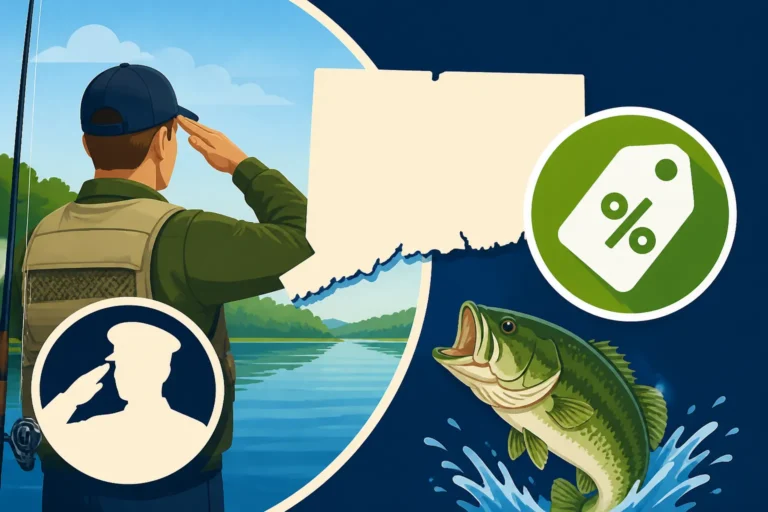
For instance, residents who are legally blind can obtain a free lifetime fishing license. Similarly, certain disabled veterans and other eligible disabled residents may qualify for free or discounted licenses. Senior citizens also have fantastic options, with Connecticut offering a Connecticut Senior Free Lifetime Fishing License for residents aged 65 and older. While these might not directly apply to the $10 marine license specifically (as many seniors would opt for the lifetime all-waters), it's important to be aware of the full spectrum of Free and Discounted Fishing License Options in Connecticut to ensure you or your loved ones aren't paying for something you could get for free or at a reduced rate.
These programs are vital for encouraging participation and honoring those who have served or face unique challenges. Always check the Connecticut DEEP website or contact them directly if you believe you might qualify for a special exemption.
Combination Licenses: Is There a Better Value?
If you're an angler who enjoys both the thrill of saltwater fishing and the tranquility of freshwater pursuits, or perhaps you also enjoy hunting, a combination license might offer a better overall value. For just a few dollars more than an inland license, you can purchase an all-waters license that covers both marine and freshwater fishing for the entire year.
For a resident, an all-waters license for 2026 is expected to cost around $32.00. Comparing this to the $10 marine license and the $28 inland license, it's clear that if you plan to fish both environments, the all-waters option saves you money over buying two separate licenses. This is especially true if you dip into freshwater even just a couple of times a year. The convenience of having one license for everything is also a huge plus. Explore the full range of Connecticut Combination Hunting and Fishing License Options to see what fits your outdoor lifestyle best.
Penalties for Fishing Without a License
This is the part no one wants to think about, but it's crucial. Fishing without the proper license in Connecticut isn't just a minor oversight; it's a violation of state law and can lead to significant penalties. While the $10 cost for a resident marine license is minimal, the fine for fishing without one can be hundreds of dollars, far outweighing the cost of the license itself.
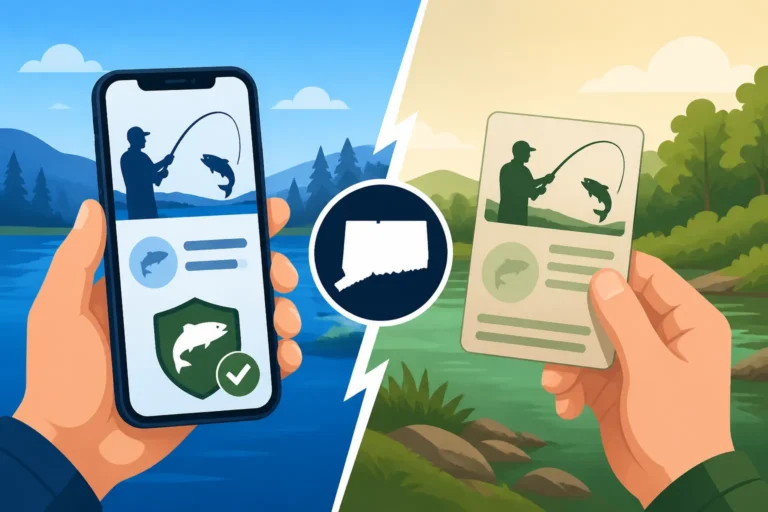
Beyond the monetary fine, you could also face confiscation of your fishing gear, your catch, and potentially even your vehicle or boat in more egregious cases. A conservation officer isn't going to be sympathetic if you're caught without a license, especially if you're also in violation of other regulations like keeping undersized fish. It's simply not worth the risk. Making sure you have your Connecticut Fishing License Guide for 2026 handy and understood is your best defense against such issues. Always purchase your license beforehand, and make sure you have a physical or digital copy on you while fishing. You can typically find information on Where and How to Buy a Connecticut Fishing License online or at various vendors across the state. Understanding the Fishing Without a License in Connecticut: Penalties should be enough motivation to always stay compliant.
Final Thoughts on Your Marine Fishing Adventures
Getting your Connecticut resident marine fishing license is a small, easy step towards enjoying all the incredible saltwater fishing opportunities our state has to offer. At an expected cost of just $10, it's an investment in your recreation and in the ongoing health of Connecticut's marine fisheries. Whether you're chasing stripers in the rips, targeting fluke over sandy bottoms, or simply enjoying a peaceful day by the shore, having the right license means you can focus on the fishing, not on potential legal troubles. So, get that license, check the Connecticut Fishing Regulations Explained, and get ready for some amazing days on the water!
Disclaimer
The information provided in this guide regarding fishing license costs and regulations is based on the most current available data and projections for 2026. However, regulations and fees are subject to change by legislative action or the Connecticut Department of Energy and Environmental Protection (DEEP). Always verify the latest information directly from the official CT DEEP website or authorized license vendors before engaging in any fishing activities. This guide is for informational purposes only and does not constitute legal advice.