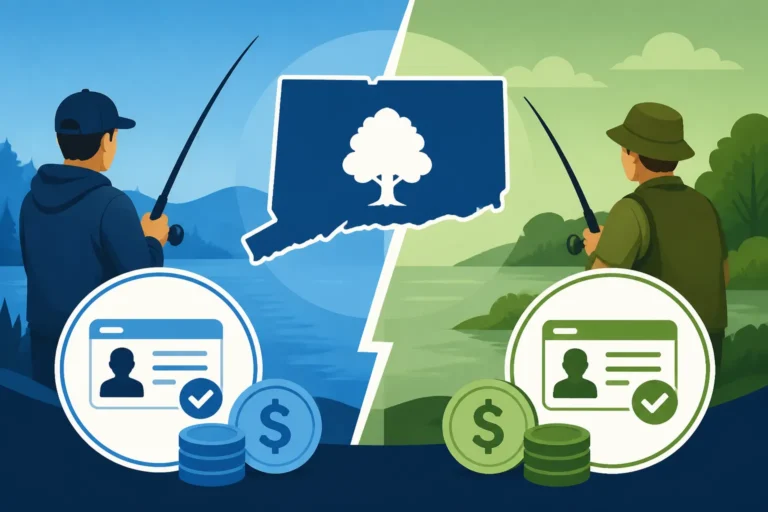
Connecticut Senior Free Lifetime Fishing License
For many long-time residents of Connecticut, the idea of getting out on the water and casting a line is a cherished pastime. But as the years go by, keeping up with regulations, annual renewals, and license costs can become a bit of a hassle, especially when you’re on a fixed income or just want to simplify life. Thankfully, Connecticut recognizes the value of its senior anglers and offers a fantastic program: a free lifetime fishing license. This guide will walk you through everything you need to know about securing your Connecticut Senior Free Lifetime Fishing License, making sure you can enjoy the state’s beautiful waters without any unnecessary roadblocks.
Eligibility for Connecticut's Senior Free Lifetime Fishing License
It's one of the best perks of being a long-time resident of the Nutmeg State – the ability to fish our magnificent rivers, lakes, and coastal waters for the rest of your days without ever needing to buy another fishing license. But, like all good things, there are specific requirements to ensure that this valuable privilege goes to those who truly qualify. Understanding these criteria upfront will save you time and frustration.
Age and Residency Requirements
The cornerstone of eligibility for the Connecticut Senior Free Lifetime Fishing License hinges on two key factors: your age and your residency status. To qualify for this program, you must be a resident of Connecticut and be 65 years of age or older. It's not just about reaching that milestone birthday; it's about being able to prove that Connecticut has been your bona fide home for a significant period. The state requires continuous residency, meaning you must live in Connecticut for at least the full year immediately preceding your application. This isn't just a casual declaration; you'll need to demonstrate it.
When it comes to proving residency, the Connecticut Department of Energy and Environmental Protection (DEEP) takes it seriously. They're looking for verifiable documents that show your primary dwelling, vehicle registration, and tax filings are all rooted firmly within Connecticut borders. Think about your Connecticut driver's license or state ID card, your utility bills showing a consistent Connecticut address, and even property tax statements if you own a home here. These are the kinds of materials that will help establish your residency beyond a doubt. For those who might have recently moved back to the state or lived elsewhere for an extended period, understanding the specifics of Connecticut fishing license residency requirements is crucial, as a short-term stay might not fulfill the "continuous residency" aspect for this particular lifetime offering.
What "Lifetime" Truly Means
The term "lifetime" when applied to your Connecticut Senior Free Lifetime Fishing License isn't just a catchy phrase; it genuinely means for the rest of your life. Once you've successfully applied and received this license, you will never again need to purchase a basic fishing license in Connecticut. This is a huge relief for many seniors, as it removes the annual task of remembering to renew and the associated costs. Imagine knowing that you can grab your rod and head to the Best Fishing Lakes in Connecticut or the shores of Long Island Sound Fishing Guide any day of the year, year after year, without ever worrying about an expired license again.
However, it's important to understand that while the basic fishing license is free and lifetime, there can sometimes be additional stamps or permits required for specific fishing activities. The most common example is the Connecticut Trout and Salmon Stamp. If you plan on fishing designated trout waters, or harvesting trout or salmon from any waterbody, you will still need to purchase this annual stamp, regardless of your age or lifetime license status. This stamp is an important funding mechanism for the state's trout stocking programs, which benefit all anglers. So, while your primary license is set for life, always double-check if your specific fishing plans require any supplementary permits. You can usually purchase these annual stamps easily through the same DEEP licensing system, often for a minimal fee.
The Application Process for Your Free License
Navigating government applications can sometimes feel like trying to untangle a particularly stubborn fishing line, but for your Connecticut Senior Free Lifetime Fishing License, the process is quite straightforward. The state has made an effort to provide accessible options, whether you prefer the convenience of online services or a more personal, in-person approach.
Where to Apply for Your Senior License
The most convenient way for many seniors to obtain their free lifetime fishing license is through the Connecticut DEEP's online Sportsmen's Licensing System. This digital portal is available 24/7, meaning you can apply from the comfort of your home at any time that suits you. The system is designed to be user-friendly, guiding you through each step of the application. It's usually the quickest method, as your license can often be printed immediately or stored digitally on your phone. For those who are comfortable with computers and have their necessary documentation readily available, this is often the preferred route. You can find comprehensive details on How to Buy a Fishing License Online in Connecticut if you need a detailed walkthrough of the digital steps.
If you prefer a more traditional approach or need assistance, you also have the option to apply in person. This can be done at a DEEP Licensing and Revenue office, with the primary office located in Hartford. Additionally, numerous authorized vendors across the state, such as tackle shops, sporting goods stores, and town clerk offices, are equipped to process license applications. These vendors are often very knowledgeable about the local regulations and can provide hands-on help if you have questions or encounter any issues with your paperwork. Bringing all your documents with you to an in-person location ensures a smooth transaction. Just remember to check the operating hours before you go!
Required Documentation and Information
To ensure a smooth application process, whether online or in person, it's vital to have all your ducks—or rather, all your documents—in a row. The DEEP needs to verify your identity, age, and, most importantly for a lifetime resident license, your continuous Connecticut residency. The primary piece of identification you'll need is your Connecticut driver's license or a state-issued identification card. This single document often covers both your identity and provides a strong indication of your age and residency.
Beyond your primary ID, you might be asked for additional proof of residency, especially if there's any ambiguity. This could include recent utility bills (electricity, gas, water) addressed to you at your Connecticut residence, a current Connecticut vehicle registration, or even property tax bills if applicable. The key is to provide documents that consistently demonstrate you have lived in Connecticut for the required period leading up to your application. Make sure the names and addresses on these documents match your application exactly. When applying, you'll also be asked for basic personal information such as your full name, date of birth, physical address, and contact details. Having all this information handy will expedite the process, ensuring you get your free lifetime pass to the state's amazing fisheries as quickly as possible.
Step-by-Step Online Application Walkthrough
The online application process for your Connecticut Senior Free Lifetime Fishing License through the CT DEEP Sportsmen's Licensing System is designed to be intuitive, but a quick walk-through can certainly ease any concerns. First, you'll want to navigate to the official CT DEEP website and locate the link for the online Sportsmen's Licensing System. Once there, you'll likely be prompted to either log in to an existing account or create a new one. For many first-time senior applicants, creating a new account will be the initial step. This usually involves entering your personal details, setting up a username and password, and answering a few security questions.
After logging in, you'll typically see options to "Purchase a License" or "Manage My Licenses." Select the "Purchase a License" option. The system will then ask for your residency status and date of birth. Once you input your birthdate, the system should automatically recognize your eligibility for the senior free lifetime fishing license if you meet the Connecticut fishing license age requirements and have the necessary residency on file. You might need to select "Lifetime Fishing License" from a list of available license types, which should show a $0.00 cost associated with it. Follow the prompts to confirm your information, provide any additional details requested, and digitally sign or affirm the application. Upon successful completion, the system will generate your license, which you can then print at home or save to your mobile device, allowing for Printing or Carrying a Digital Fishing License in Connecticut. Should you encounter any technical glitches or need further clarification, the DEEP customer service number is readily available on their website for assistance.
Understanding What Your Free Lifetime License Covers
Obtaining your Connecticut Senior Free Lifetime Fishing License is a fantastic achievement, offering unparalleled access to the state's diverse aquatic environments. However, knowing exactly what this license covers – and what it might not – is just as important as getting it in the first place. This understanding ensures you remain compliant with all state fishing regulations, keeping your angling adventures worry-free.
Inland vs. Marine Waters Coverage
One of the most common questions seniors have about their new free lifetime license is whether it covers both freshwater (inland) and saltwater (marine) fishing. The good news is, for qualifying Connecticut residents aged 65 and over, the free lifetime fishing license acts as an "All-Waters" license. This means it grants you the legal right to fish in both inland waters, such as our beautiful rivers like the Farmington River or larger lakes like Candlewood Lake, as well as the marine district, encompassing the entire Connecticut shoreline and the vast expanse of Long Island Sound. This comprehensive coverage is a significant advantage, as it means you don't have to choose between your favorite trout stream and a day of targeting striped bass on the Sound; your single lifetime license covers it all.
For younger anglers or non-residents, the options typically break down into separate inland, marine, or combination "All-Waters" licenses, each with its own associated cost. For example, a non-resident might look into a Nonresident All-Waters Fishing License Cost in Connecticut for similar broad coverage but at a premium price. The senior lifetime license simplifies this by consolidating all the necessary basic permissions into one, easy-to-manage document. It truly underscores the state's appreciation for its senior citizens and their commitment to the local outdoors. This broad coverage makes planning your fishing trips incredibly flexible, allowing you to pursue whatever species or environment calls to you on any given day.
Additional Stamps and Permits You Might Still Need
While your free lifetime license is a comprehensive solution for general fishing, it's crucial to remember that it doesn't automatically exempt you from all other specific requirements. The most prominent example, and one that often catches anglers off guard, is the Connecticut Trout and Salmon Stamp. If your fishing plans include catching and keeping trout or salmon from any Connecticut waters, or if you intend to fish in a designated Trout Management Area (TMA) or Wild Trout Management Area (WTMA), you must possess a current Trout and Salmon Stamp in addition to your basic fishing license. This stamp is an annual purchase and is not covered by the free lifetime license. The revenue generated from these stamps directly supports the state's robust trout stocking and management programs, ensuring healthy populations for everyone to enjoy.
Beyond the Trout and Salmon Stamp, there are other, albeit less common, scenarios where additional permits might be necessary. For instance, if you decide to participate in certain organized fishing tournaments or derbies, specific permits might be required by the event organizers, though these are typically separate from state licensing. Also, if you plan on engaging in certain specialized activities like spear fishing or harvesting shellfish, these often require distinct permits that fall outside the scope of a standard fishing license. Always consult the most current Connecticut Fishing Regulations Explained or the annual Connecticut Angler's Guide, which you can find details on in Reading the Connecticut Fishing Guide, to confirm any species-specific or location-specific rules that might necessitate an extra stamp or permit for your particular fishing adventure. Staying informed is the best way to ensure a legal and enjoyable day on the water.
Benefits Beyond Just Fishing for Connecticut Seniors
The Connecticut Senior Free Lifetime Fishing License is more than just a piece of paper that allows you to legally fish; it represents a significant benefit that reaches far beyond the act of casting a line. For many seniors, it's a gateway to continued engagement with the natural world, a source of peace, and a way to simplify one aspect of their lives in an increasingly complex world.
Simplifying Your Annual Fishing Routine
One of the most immediate and tangible benefits of the free lifetime fishing license is the sheer simplification of your annual fishing routine. Think about it: no more scrambling to remember if your license has expired, no more trips to a vendor or navigating online portals every single year, and most importantly, no more annual expense. For those on a fixed income, eliminating even a small annual fee can make a difference, freeing up those funds for tackle, bait, or even a nice lunch by the water. This peace of mind is invaluable. You'll always know you're legally covered, allowing you to spontaneously decide to go fishing without any bureaucratic hurdles.
The convenience extends to replacing a lost license too. While you might still need to pay a small replacement fee if you misplace your lifetime license, the underlying eligibility and "purchase" of a new one remain simple and straightforward since the state already has you on file as a lifetime license holder. This contrasts sharply with the annual renewal process that younger anglers face, where re-purchasing a full-price license or combination license is a regular occurrence. The state's initiative to provide this free lifetime option for seniors genuinely reduces administrative burden, transforming a yearly chore into a once-in-a-lifetime application.
Encouraging Continued Engagement with the Outdoors
Beyond the practical benefits, the Connecticut Senior Free Lifetime Fishing License plays a vital role in encouraging continued engagement with the outdoors, which has profound positive impacts on senior well-being. Fishing offers a unique blend of physical activity, mental stimulation, and relaxation, all of which are crucial for maintaining health and happiness in later years. The ease of access provided by a free lifetime license removes one potential barrier that might otherwise prevent seniors from pursuing this healthful hobby. Knowing you have that license in your pocket for life might just be the nudge needed to head out to a local pond or quiet river bank, even if it's just for an hour or two.
Spending time in nature has been scientifically proven to reduce stress, improve mood, and even boost cognitive function. Fishing provides a gentle form of exercise, from walking to a favorite spot to casting and reeling. It also fosters patience, observation, and problem-solving skills, keeping the mind sharp. Many seniors also find immense joy in connecting with others through fishing, whether it's sharing stories at a local fishing spot or introducing grandchildren to the wonders of catching their first fish. The Connecticut DEEP frequently stocks various waters across the state, ensuring ample opportunities, and the Connecticut Interactive Trout Stocking Map, Explained is an excellent resource for finding freshly stocked spots. This lifetime license isn't just about fish; it's about fostering a lifestyle of outdoor enjoyment, community connection, and sustained vitality for Connecticut’s older residents.
Common Questions and Troubleshooting
Even with a straightforward process, questions and unexpected situations can arise. It's perfectly normal to wonder about replacing a lost license or how residency changes might affect your lifetime privilege. Knowing these answers in advance will help you navigate any bumps in the road.
Lost or Damaged Lifetime Licenses
It happens to the best of us: a wallet goes missing, a license gets inadvertently run through the washing machine, or it simply succumbs to wear and tear after years of being carried in a tackle box. If your Connecticut Senior Free Lifetime Fishing License becomes lost, stolen, or damaged, don't panic. The process for obtaining a replacement is quite simple, and crucially, your lifetime privilege remains intact. You won't have to re-apply for a new lifetime license; you'll simply be requesting a duplicate of the one you already possess.
To get a replacement, you can typically follow the same steps as your initial application. The easiest method is usually through the CT DEEP online Sportsmen's Licensing System, where you can log into your account and navigate to an option like "Reprint License" or "Purchase Duplicate." There might be a small processing fee for a duplicate license, which helps cover administrative costs. While the replacement fee is modest, it's a good reminder of the importance of keeping your license in a safe place. Many anglers now opt for Printing or Carrying a Digital Fishing License in Connecticut on their smartphones, providing a convenient backup that's much harder to lose than a physical card. Even if you lose the physical copy, having a digital version means you're still compliant and can keep fishing until your replacement arrives.
Changes in Residency or Eligibility Status
The Connecticut Senior Free Lifetime Fishing License is a fantastic benefit for residents of Connecticut. This means that maintaining your continuous residency in the state is a fundamental condition for the license's validity. If you were to move permanently out of Connecticut, unfortunately, your Connecticut Senior Free Lifetime Fishing License would no longer be valid. The privilege is tied to your status as a Connecticut resident. This is a crucial point, as anglers sometimes move to warmer climates for part of the year or relocate entirely. While temporary absences for vacations or seasonal stays generally won't impact your residency if your primary domicile remains in Connecticut, a permanent move would necessitate obtaining a fishing license in your new state of residence.
In very rare circumstances, changes to an individual's eligibility status might also arise, although for a lifetime license based on age and residency, these are few and far between. For instance, if there were a case where someone was found to have fraudulently claimed residency, the license could be revoked. However, for the vast majority of legitimate senior anglers, once your free lifetime license is issued, you can rest assured it's yours to keep, as long as Connecticut remains your home. Always ensure that the DEEP has your most current contact information on file, even though renewals aren't required, so they can reach you if necessary regarding any updates or changes to regulations that might affect anglers.
Getting the Most Out of Your Senior Fishing Adventures
Having your Connecticut Senior Free Lifetime Fishing License opens up a world of angling opportunities, making it easier than ever to enjoy the state's beautiful fisheries. But beyond just having the license, there are ways to truly maximize your enjoyment and ensure your fishing experiences are both productive and comfortable.
Exploring Senior-Friendly Fishing Spots
Connecticut is blessed with an incredible variety of fishing environments, from tranquil ponds to bustling coastal areas. For senior anglers, comfort, accessibility, and safety are often key considerations when choosing a spot. Many state parks and local conservation areas offer designated fishing platforms, piers, or easy bank access that minimize the need for extensive walking or navigating difficult terrain. Places like Wadsworth Falls State Park or Sleeping Giant State Park, for example, often have ponds or river access points that are well-maintained and provide good fishing without undue physical exertion.
Furthermore, many waters are routinely stocked with trout or offer abundant panfish populations, providing a higher chance of success, which can be particularly enjoyable for a relaxing day out. The DEEP’s interactive stocking map, as discussed in How to use the Connecticut interactive trout stocking map, is an invaluable tool for finding waters that have recently received a fresh batch of fish. For those who enjoy saltwater, several accessible piers and jetties along the coast offer excellent opportunities for species like scup, snapper blues, and even striped bass without needing a boat. Consider locations near coastal towns such as Old Saybrook or Niantic, which often feature public access points designed for ease of use. Prioritizing comfort and accessibility can significantly enhance your fishing experience, making each outing a pleasant and rewarding escape.
Resources and Community for Senior Anglers
While fishing can be a solitary pursuit, it's also a fantastic way to connect with a broader community, especially for seniors. There are numerous resources available that can enrich your fishing adventures and keep you informed. The Connecticut DEEP website is a treasure trove of information, offering detailed fishing reports, regulation updates, and links to various programs. Regularly checking their "Fishing Report" section can provide insights into what’s biting and where, based on real-time angler feedback. This information is a complement to the comprehensive guide found in Reading the Connecticut Fishing Guide, which is published annually and available both online and at many license vendors.
Beyond official channels, consider exploring local fishing clubs or senior centers that might offer fishing-related activities or trips. These groups provide a wonderful opportunity to share knowledge, find fishing buddies, and discover new spots. Many clubs are keen to welcome experienced anglers, and the camaraderie can be as fulfilling as the fishing itself. For those interested in specific types of fishing, like fly fishing, organizations like Trout Unlimited often have local chapters in Connecticut that offer educational programs and conservation efforts. Whether you're looking for tips on Fly Fishing for Trout in Connecticut or just want to swap stories about catching Striped Bass Fishing in Long Island Sound, tapping into the angling community can add a rich layer to your senior fishing experiences, ensuring that the passion for the outdoors continues to thrive.
| Eligibility Criterion | Description | Covered By Free Lifetime License |
|---|---|---|
| Age | Must be 65 years of age or older. | Yes |
| Residency | Must be a continuous resident of Connecticut. | Yes |
| Inland Fishing | Fishing in freshwater lakes, rivers, and ponds. | Yes (Basic license) |
| Marine Fishing | Fishing in saltwater coastal waters and Long Island Sound. | Yes (Basic license) |
| Trout & Salmon Stamp | Required for harvesting trout/salmon or fishing in specific Trout Management Areas. | No (Must be purchased annually) |
| Additional Permits | Specific permits for certain species, tournaments, or activities (e.g., shellfishing, spear fishing). | No (Check regulations for specifics) |
| Annual Renewal | Yearly renewal process for basic fishing license. | No (Lifetime, no annual renewal needed) |
Disclaimer
Please remember that fishing regulations and licensing requirements can change. While this guide provides the most current and accurate information available, it is always your responsibility as an angler to check the latest Connecticut DEEP Fishing Guide or their official website before heading out to fish. This ensures you are fully compliant with all state laws and regulations.