Connecticut weakfish regulations
It can be incredibly frustrating trying to keep up with all the fishing regulations here in Connecticut. Just when you think you've got it all down, something changes, and you're left scratching your head, wondering if you're even allowed to keep that beautiful weakfish you just reeled in. Nobody wants to accidentally break the rules and face a fine, especially when you're just trying to enjoy a peaceful day on the water. This comprehensive guide is here to untangle the complexities of Connecticut's weakfish regulations, ensuring you're fully informed and can fish with confidence, knowing exactly what's expected of you.
Understanding Weakfish and Why Regulations Exist
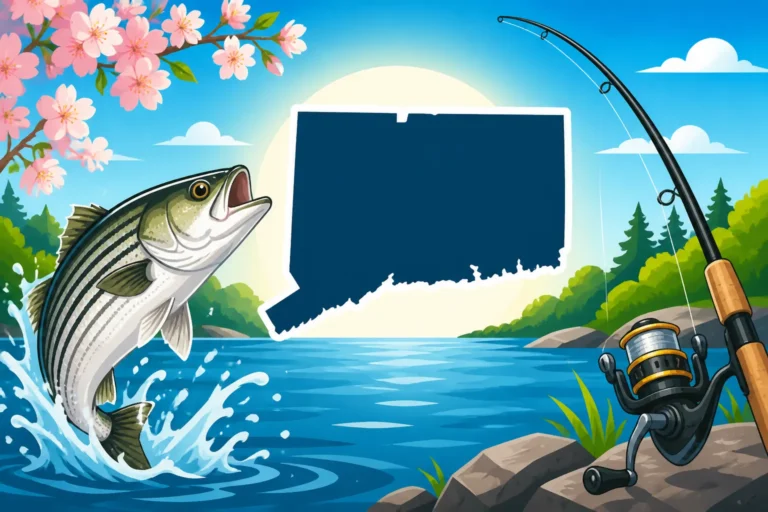
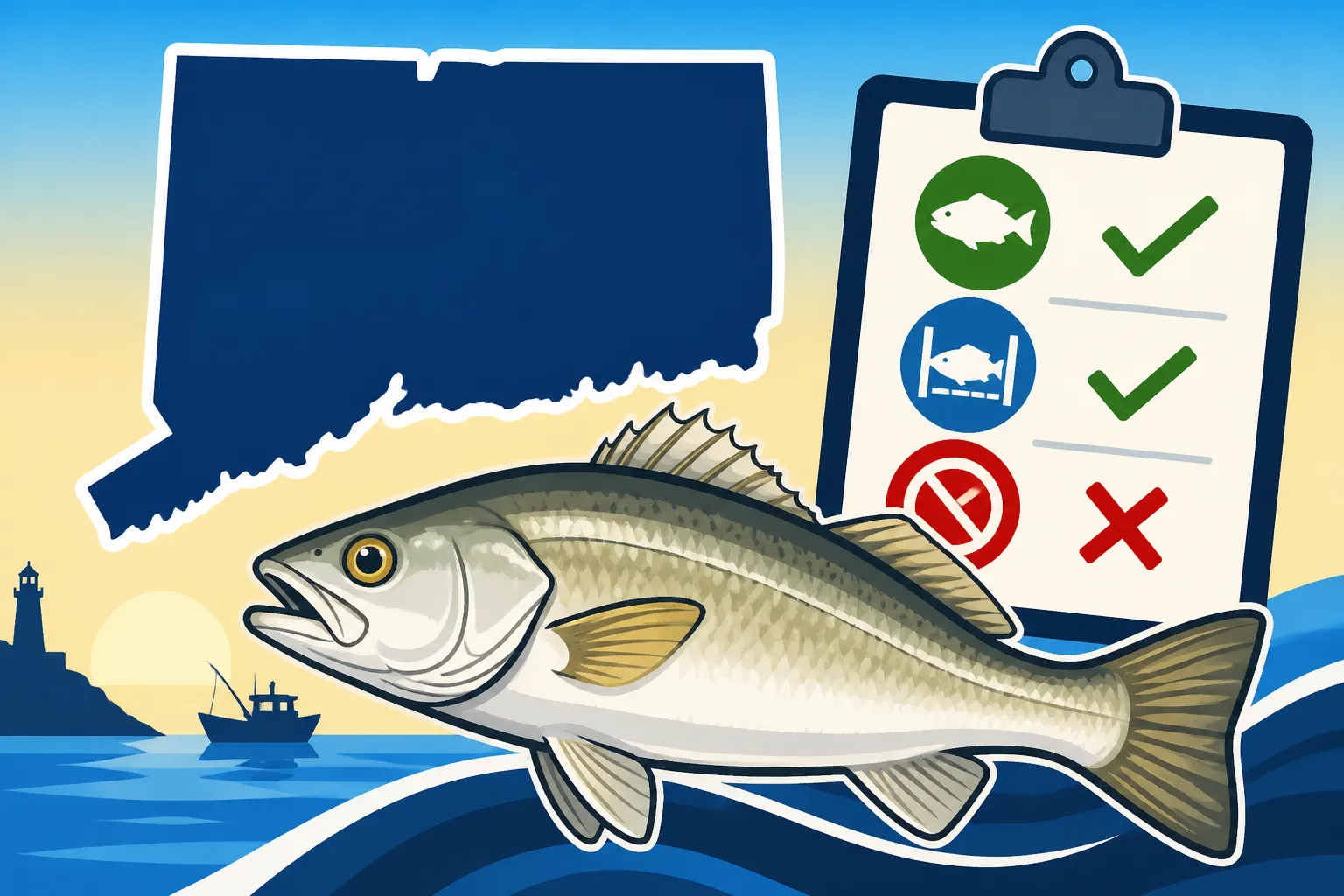
Weakfish, often lovingly referred to as "sea trout" by some, or scientifically as Cynoscion regalis, are a truly special fish in our Long Island Sound waters. Their iridescent bodies shimmer with shades of green, gold, and pink, making them a stunning catch. But beyond their beauty, they're known for putting up a spirited fight on light tackle and, for many, they make for excellent table fare.
What are Weakfish Anyway?
When you hook into a weakfish, you'll immediately understand why they're such a popular target for saltwater anglers in Connecticut. They're part of the drum family, which explains the "croaking" sound they sometimes make when pulled from the water – a fascinating trait! You'll typically find them in estuaries, bays, and along the shoreline of Long Island Sound, often preferring sandy or muddy bottoms where they can ambush baitfish like silversides, spearing, and juvenile bunker. Their diet also includes crustaceans, making them opportunistic feeders. They're fast-growing fish, which is one of the reasons they can provide such a fun and active fishery, but this rapid growth also makes them susceptible to environmental shifts and fishing pressure. Historically, weakfish populations have seen significant ups and downs, particularly along the Atlantic coast, and Connecticut's waters are no exception. Knowing what you're targeting is the first step in responsible angling, and understanding these regulations is crucial for their continued presence in our local fisheries. For more general information about where these fish can be found, you might want to check out our detailed guide on Weakfish in Long Island Sound.
The Importance of Conservation and Regulation
The fluctuating nature of weakfish populations over the years is a prime example of why careful management through regulations is so incredibly important. In the past, weakfish were incredibly abundant, but commercial and recreational fishing pressure, combined with environmental factors like habitat degradation and climate change, led to significant declines in their numbers. It’s a classic story we’ve seen with many species, where a combination of factors can really hit a population hard.
Think about it: if every angler kept every weakfish they caught, regardless of size or quantity, the species wouldn't stand a chance to reproduce and replenish. Regulations are essentially tools put in place by wildlife agencies, like the Connecticut Department of Energy and Environmental Protection (CT DEEP), to manage fish stocks sustainably. These rules help ensure that enough fish survive to reach maturity, spawn, and contribute to the next generation. This isn't just about preserving the species; it's about preserving the opportunity for you and future generations to enjoy the thrill of catching a weakfish. It’s a delicate balance, and sometimes the rules change to reflect the latest scientific assessments of the population. Understanding the 'why' behind the rules often makes it easier to follow them. If you're keen to learn more about the broader context of fishing rules, our Connecticut Fishing Regulations Explained article provides a great overview.
Current Connecticut Weakfish Regulations in Detail
Alright, let's get down to the brass tacks: what are the specific rules for weakfish here in Connecticut? It's essential to remember that saltwater fishing regulations are often managed regionally by organizations like the Atlantic States Marine Fisheries Commission (ASMFC) and then implemented by individual states like ours. This means that while Connecticut sets its specific weakfish regulations, they are often influenced by a larger, coast-wide management plan. This guide is based on the most current information available, but always double-check the latest official Connecticut Fishing Guide just before you head out.
Minimum Size Limits
One of the most fundamental regulations for any fish species, including weakfish, is the minimum size limit. This rule isn't arbitrary; it's designed to allow weakfish to grow large enough to spawn at least once, or ideally multiple times, before they're eligible to be harvested. This helps ensure that the population can reproduce effectively and sustain itself.
Currently, the minimum legal length for weakfish in Connecticut is 16 inches. This means that if you catch a weakfish shorter than 16 inches, it must be immediately released, no matter how tempting it might be to keep it. Measuring correctly is paramount. You need to measure from the tip of the snout to the end of the tail, making sure the tail is pinched together to get the maximum length. It sounds simple, but in the heat of the moment, with a flopping fish, it can be tricky. Always carry a reliable measuring tape or a dedicated fish ruler. Some anglers even have rulers marked on the gunwales of their boat or affixed to their cooler lids. If you're ever in doubt, or if the fish is right on the cusp, the safest and most responsible thing to do is always to release it. Allowing that fish to grow and spawn contributes directly to the health of our local fishery.
Daily Creel Limits (Possession Limits)
Beyond how big a fish needs to be, there's also the question of how many you're allowed to keep. This is where the daily creel limit, also known as the possession limit, comes into play. For weakfish in Connecticut, the current daily creel limit is 1 fish per person. Yes, you read that right – just one weakfish per angler per day. This low limit truly reflects the conservation efforts underway for this species, aiming to allow the population to rebound.
This means that whether you're fishing solo or with a group of friends, each licensed angler can only possess one weakfish that meets the minimum size requirement. It’s not one per boat, it's one per person. So, if you're out with two buddies, and all three of you have a valid fishing license and catch a legal-sized weakfish, then collectively you could have three legal weakfish on board. However, once you've caught and kept your one legal weakfish, any subsequent weakfish you catch, regardless of its size, must be released unharmed. This rule is particularly important when fishing in productive weakfish areas in Long Island Sound Fishing Guide where you might hook into multiple fish. Knowing this limit beforehand prevents any awkward situations or potential penalties later on.
Season Dates
Unlike some other popular species that have very specific opening and closing dates, weakfish in Connecticut generally have a pretty generous season. For recreational anglers, weakfish are typically open for harvest year-round. This means you don't have to worry about a specific "opening day" or a "closed season" for weakfish.
However, a year-round open season with a strict daily creel limit of one fish per person underscores the importance of the other regulations. While you can target them any time of year, the one-fish limit ensures that harvest pressure is consistently low. It's also worth noting that weakfish are migratory, so while the season might be open all year, their presence in our waters will fluctuate. You'll generally find them more readily available from late spring through fall, when water temperatures are warmer and they're actively feeding in our estuaries and nearshore waters. This year-round approach allows flexibility for anglers while still providing robust protection for the species through the size and creel limits. When you're thinking about the best time to target weakfish, our guide on the Best Time of Year to Fish in Connecticut could also offer some helpful insights into seasonal patterns.
Gear Restrictions and Methods
When it comes to weakfish, Connecticut generally doesn't impose highly restrictive gear rules specifically for this species beyond what's common for general saltwater fishing. You won't find specific circle hook mandates like you might for striped bass when using bait, nor any restrictions on specific types of lures. The focus for weakfish regulations remains on size and quantity.
Weakfish are often targeted using a variety of methods. Many anglers enjoy catching them on light tackle with artificial lures like jigs, soft plastics, and even small spoons. Others prefer bait fishing, using offerings such as squid strips, cut bait, or live silversides. The good news is that these common and effective methods are generally permissible. The key is to ensure that whatever gear you use, you're able to measure your catch accurately and release any undersized or excess fish quickly and with minimal harm. This means having appropriate de-hooking tools readily available and a landing net that's easy on the fish if you plan on releasing. If you're using bait, consider using single hooks rather than treble hooks to make release easier, though this isn't a regulatory requirement for weakfish. Remember, the general rules about possessing a valid Connecticut Fishing License Guide for 2026 always apply, regardless of the species you're targeting or the gear you're using.
Practical Tips for Compliant Weakfish Angling
Navigating fishing regulations isn't just about memorizing numbers; it's about adopting practices that ensure you're always on the right side of the law and, just as importantly, contributing to the health of the fishery. Being a responsible angler means being prepared and thoughtful about every step, from the moment you hook a fish to when you decide to keep or release it.
Measuring Your Catch Accurately
Getting an accurate measurement of your weakfish is absolutely critical, especially with that 16-inch minimum. A mere half-inch could be the difference between a legal fish and a fine. Don't rely on guesswork or holding it up next to your rod.
Here’s a simple, step-by-step approach to measure your weakfish accurately:
- Be Prepared: Before you even cast your line, have your measuring device ready. This could be a flexible tape measure, a rigid plastic or wooden ruler, or a specialty fish measuring board. Many boaters apply measuring decals to their cooler lids or gunwales, which can be incredibly convenient. You can find many reliable and waterproof fish rulers on platforms like Amazon that are perfect for saltwater environments.
- Land the Fish Gently: If you intend to measure and potentially release, use a rubberized net or tail-grabber to minimize stress and scale damage. Avoid dragging the fish onto rough surfaces.
- Place on a Flat, Wet Surface: Lay the weakfish flat on a wet, level surface. A wet cooler top, a measuring board, or even a wet boat deck works well. Wetting the surface helps protect the fish's slime coat, which is vital for its health.
- Pin the Snout: Gently push the tip of the fish's mouth (snout) against a fixed point, like the end of your ruler or the edge of your measuring board.
- Pinch the Tail: Extend the tail fin naturally and gently pinch the lobes together to achieve the maximum overall length. Read the measurement at the very end of the pinched tail.
- Quickly Release: If the fish is undersized or if you've already met your creel limit, release it immediately and gently back into the water. Minimize its time out of the water.
Remember, a quick, accurate measure is key. When in doubt, let it go. That little extra caution protects both you and the fish.
Best Practices for Catch and Release
Given the tight creel limit of one weakfish per person, you're going to be releasing a lot of fish – and that's a good thing for conservation! However, simply tossing a fish back isn't enough; proper catch and release techniques are vital to ensure that released fish survive and thrive. Weakfish can be a bit more delicate than some other species, so extra care makes a big difference.
- Minimize Handling: The less you handle a fish, the better. Try to keep it in the water as much as possible, especially during unhooking and measuring.
- Wet Hands Only: Always wet your hands thoroughly before touching a fish. Dry hands can remove the protective slime coat, leaving the fish vulnerable to disease.
- Use Barbless Hooks or Pinch Barbs: Barbless hooks make removal significantly easier and faster, reducing trauma. You can easily pinch down the barb on most hooks with a pair of pliers. This is a simple modification that can greatly increase a fish's survival chances.
- De-hooking Tools: Keep a pair of long-nosed pliers or a specialized de-hooking tool handy. These allow you to remove hooks quickly, even if they're a bit deep, without having to put your hands inside the fish's gills. You can find various types of de-hooking tools on Amazon that are designed for different hook sizes and fish species.
- Avoid Gill and Eye Contact: Never put your fingers into the gills or eyes of a fish you intend to release. These are incredibly sensitive areas that can be easily damaged, leading to mortality.
- Cut the Line for Deeply Hooked Fish: If a weakfish is deeply hooked in the gills or gut, it's often better to cut the line as close to the hook as possible rather than trying to remove it. The hook may rust out, and the fish has a better chance of survival than if you cause significant internal damage trying to extract it.
- Revive the Fish: If a fish looks sluggish, gently hold it upright in the water, facing into the current (if any), and move it back and forth to push water over its gills until it regains strength and swims away on its own. Don't just toss it back if it's struggling.
By following these practices, you're not just adhering to the spirit of the regulations, but actively participating in the conservation of our weakfish population. For additional reading on responsible angling, take a look at our article on Connecticut Catch and Release Fly Fishing Only Waters — many of the principles apply universally, even though it's focused on fly fishing.
Staying Informed About Regulation Changes
One of the most crucial pieces of advice I can give any angler in Connecticut is to never assume regulations stay the same. Fishing rules, especially for migratory species like weakfish that are managed across state lines, can and do change. These changes can happen seasonally, annually, or even in response to unexpected population fluctuations. Missing an update could lead to inadvertent non-compliance, which nobody wants.
Here’s how you can stay on top of the latest weakfish regulations in Connecticut:
- CT DEEP Website: This is your primary, official source of information. The Connecticut Department of Energy and Environmental Protection (CT DEEP) Fisheries Division website regularly updates its recreational marine fishing regulations. Make it a habit to check it at the beginning of each fishing season, and even periodically throughout.
- Official Connecticut Fishing Guide: Every year, the CT DEEP publishes a comprehensive fishing guide that includes all freshwater and saltwater regulations. You can pick up a physical copy at most bait and tackle shops, town halls, or major outdoor retailers, or download a digital version from the DEEP website. Always ensure you have the most current year's guide. Our guide on Reading the Connecticut Fishing Guide can help you navigate it.
- Local Bait and Tackle Shops: These local businesses are often the first to hear about changes and are a fantastic resource for up-to-the-minute information. The folks working there are usually avid anglers themselves and are very knowledgeable about what's happening on the water and in the regulatory landscape.
- Subscribe to DEEP Newsletters/Alerts: Many state agencies offer email newsletters or alert systems. Subscribing to these can provide direct notifications about regulation changes, stocking reports, and other important fishing news.
- Social Media: Follow the official CT DEEP Fisheries social media accounts. They often post timely updates and reminders about regulations.
Before every trip, especially if you haven't fished for weakfish in a while, do a quick check. A few minutes of research can save you a lot of headache and ensure your fishing remains enjoyable and lawful. Don't forget, you also need to know how to present your license, whether it's by Printing or Carrying a Digital Fishing License in Connecticut.
Common Misconceptions and Troubleshooting Weakfish Regulations
Even with the best intentions, it's easy to get mixed up, especially when multiple species share similar habitats or appearances. Clearing up these common points of confusion can prevent accidental violations and make your time on the water more relaxing.
Weakfish vs. Other Similar Species
Weakfish have a distinct look, but in the heat of the moment, or for new anglers, they can sometimes be confused with other fish that swim in Connecticut's waters. The most common look-alikes or co-habitants are often Atlantic Croaker, sometimes small Striped Bass, or even the less common Spotted Seatrout (though the latter is rare in CT). Each of these species has its own set of regulations regarding size and creel limits, so accurate identification is paramount.
Here's how to tell weakfish apart:
- Weakfish:
- Mouth: Upper jaw extends past the middle of the eye. They have two prominent canine teeth in the upper jaw, which are a dead giveaway.
- Coloration: Typically silvery-gray to greenish-blue on the back, fading to white on the belly, with iridescent shades of pink, purple, and gold. Their backs often have many small dark spots that form wavy lines.
- Tail: Distinctive pointed tail.
- Atlantic Croaker:
- Mouth: Mouth is smaller, with the upper jaw not extending past the middle of the eye. They have small barbels (whiskers) on their chin, which weakfish lack.
- Coloration: Bronzy or silvery with dark oblique wavy bars on the sides.
- Tail: Usually a slightly emarginate (forked) or truncate (straight) tail, not as pointed as a weakfish.
- Sound: Known for their distinct "croaking" sound, hence the name, which can be louder and more frequent than a weakfish's subtle drumming.
- Small Striped Bass:
- Body Shape: More elongated and torpedo-shaped than a weakfish.
- Stripes: Possess 7-8 distinct dark horizontal stripes running along their sides, which weakfish lack.
- Mouth: Two small tooth patches on the tongue (weakfish lack these).
- Tail: Forked tail.
- Spotted Seatrout (less common in CT):
- Spots: Distinct, prominent black spots on their back, dorsal fin, and tail. These spots are larger and more pronounced than the faint spots on a weakfish.
- Tail: More emarginate tail, not as pointed as weakfish.
- Teeth: Also has prominent canine teeth like weakfish, making the spots the key differentiator.
When you're dealing with multiple species, it's easy to accidentally keep a fish that looks similar but has different regulations. Always double-check your identification, especially if you're targeting other species found in the same areas. Regulations for other common bottom dwellers like Connecticut black sea bass regulations for 2026 or Connecticut Fluke and Summer Flounder Regulations will be different, so proper identification is key.
Penalties for Non-Compliance
It bears repeating: fishing without knowing or following the regulations is a serious matter, and the consequences can range from a minor annoyance to a significant legal problem. Nobody wants to face penalties, especially when they could have been easily avoided by understanding the rules.
Ignorance of the law is generally not considered an excuse. If a Conservation Officer (EnCon Police) finds you in violation of weakfish regulations – whether it's possessing an undersized fish, exceeding the daily creel limit, or fishing without a valid license – you could face various penalties.
These penalties typically include:
- Fines: The most common consequence is a monetary fine. These can vary depending on the severity of the violation and whether it's a first offense or a repeat. Fines for fishing violations can quickly add up.
- Confiscation of Catch: Any illegally harvested fish will be confiscated. This means not only do you pay a fine, but you also lose your catch.
- Confiscation of Gear: In more severe or repeated cases, your fishing gear (rods, reels, nets, etc.) and even your boat could be seized.
- License Suspension or Revocation: Your Connecticut fishing license could be suspended for a period or even revoked entirely, preventing you from legally fishing in the state for an extended time.
- Criminal Charges: While rare for minor first offenses, serious or repeated violations, especially those involving commercial quantities or protected species, could lead to more severe criminal charges.
The point here isn't to scare you, but to impress upon you the importance of being knowledgeable and compliant. A simple check of the regulations before you go, combined with careful measuring and responsible catch-and-release practices, will ensure your fishing trips remain enjoyable and trouble-free. It's much better to spend a few minutes researching than to spend time in court or paying hefty fines. If you're curious about what happens if you skip the license entirely, our article on Fishing Without a License in Connecticut: Penalties provides more specific details.
Weakfish Regulations Summary Table
To help keep everything straight, here's a quick overview of the key weakfish regulations in Connecticut as of the most recent updates. Always consult the official CT DEEP sources for the absolute latest information.
| Regulation Category | Current Connecticut Weakfish Regulation | Important Notes |
|---|---|---|
| Minimum Size Limit | 16 inches | Measure from tip of snout to end of pinched tail. Release immediately if undersized. |
| Daily Creel Limit | 1 fish per person | Applies per licensed angler per day. Once one legal fish is kept, all others must be released. |
| Season Dates | Open Year-Round | Weakfish are typically present in greater numbers from late spring through fall. |
| Gear Restrictions | None specific (general saltwater rules apply) | Use appropriate gear for quick unhooking and measuring. Barbless hooks and de-hooking tools recommended. |
| License Required | Yes | A valid Connecticut fishing license (marine or all-waters) is required for all anglers 16 and older. |
Remember, these regulations are in place to ensure a healthy and sustainable weakfish fishery for everyone. Your adherence to these rules is a vital part of conservation!
Disclaimer
Please note that fishing regulations, including those for weakfish in Connecticut, are subject to change by the Connecticut Department of Energy and Environmental Protection (CT DEEP) at any time. While this guide provides the most current information available at the time of publication, it is essential for all anglers to consult the official CT DEEP website or the current year's Connecticut Angler's Guide for the latest and most accurate regulations before heading out to fish. This guide is for informational purposes only and should not be considered a substitute for official sources.