Best striped bass spots on Long Island Sound near Greenwich
Finding those prime striped bass spots can feel like a secret handshake among local anglers, especially when you're targeting specific areas like Greenwich on Long Island Sound. It's frustrating to drive around, scout locations, and cast endlessly without success, feeling like you're missing out on where the fish are really holding. This guide cuts through the guesswork, offering a detailed look at the best striped bass locations near Greenwich, along with the insider tips you need to turn a slow day into a memorable one.
Understanding Striped Bass Behavior in Western Long Island Sound
Before we dive into specific locations, it's crucial to understand a bit about why striped bass choose to hang out where they do, particularly in the western reaches of Long Island Sound near Greenwich. These intelligent predators aren't just swimming aimlessly; they're actively seeking out food and favorable conditions.
Migration Patterns and Forage Availability
Striped bass are highly migratory, moving into Long Island Sound in the spring as water temperatures rise, often following schools of baitfish. Their primary diet here often consists of Atlantic menhaden (bunker), spearing, silversides, and even American eels. These baitfish congregate in certain areas – harbors, estuaries, and along prominent points – making these spots irresistible to hungry stripers. The arrival of these baitfish schools can dictate where you'll find the most active feeding frenzies. For a deeper dive into their seasonal movements, check out our guide on Striped Bass Migration Along the Connecticut Coast. Understanding what striped bass eat in Long Island Sound will significantly boost your success rate, as you can then 'match the hatch' with your lures or bait.
Tidal Influences and Structure Preference
Tides play an enormous role in striped bass fishing. Moving water, whether incoming or outgoing, stimulates feeding by disorienting baitfish and washing them out from cover. Around Greenwich, with its numerous points, jetties, and island structures, the currents create rips, eddies, and ambush points where stripers can lie in wait. They love structure – rocky bottoms, submerged ledges, wrecks, and mussel beds – because these areas provide cover and attract bait. Often, the bigger fish will hold in slightly deeper water adjacent to these structures, venturing shallower to feed during prime tidal movements, especially around dawn and dusk. Learning to read the water for these subtle signs of current and structure will give you a significant advantage.
Top Shoreline Spots for Striped Bass Near Greenwich
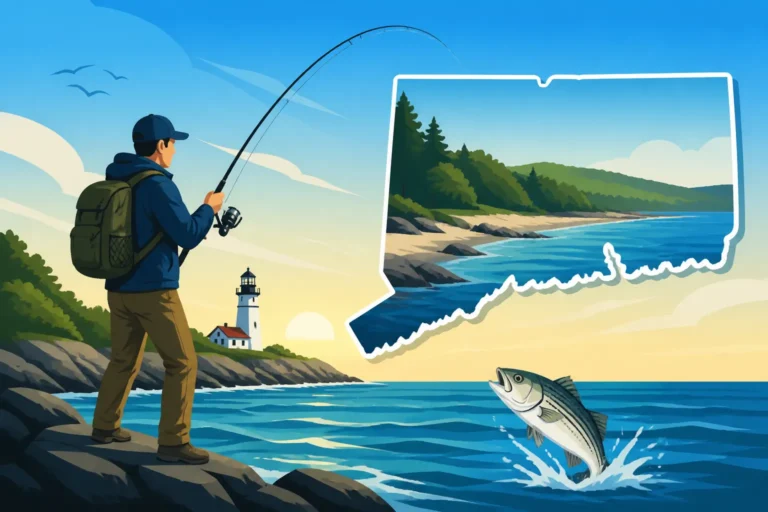
For those who prefer to keep their feet on solid ground or have limited boat access, Greenwich offers several excellent shoreline opportunities for striped bass. These spots require a bit of local knowledge and timing, but they can be incredibly rewarding.
Tod's Point (Greenwich Point Park)
Tod's Point, officially known as Greenwich Point Park, is a fantastic multi-faceted location for shore anglers, offering a mix of sandy beaches, rocky points, and sheltered coves. While it requires a town pass for non-residents during peak season (check local regulations for specific access times and fees), it's well worth the effort.
- Key Features: The various rocky outcroppings and points along the perimeter, particularly those facing the open Sound, are prime ambush points for stripers. The currents around these points can be strong, sweeping baitfish past hungry predators. The shallower areas can hold smaller "schoolie" stripers, especially during early morning or late evening hours, while the deeper pockets often attract larger fish.
- Best Times: Incoming and outgoing tides are crucial here, particularly around the tips of the points. Dawn and dusk are universally excellent, as are night tides, when larger stripers feel more confident moving into shallower water.
- Techniques: Light tackle casting with soft plastics like paddletail swimbaits (e.g., Z-Man HerculeZ or Keitech Swing Impact FAT) or bucktail jigs is highly effective. Topwater lures can be explosive at first light. Live eels, if you can get them, fished on a simple fish-finder rig, can also be deadly from these rocky spots after dark.
Byram Shore Park and Adjacent Jetties
Further west, near the New York border, Byram Shore Park offers some interesting striped bass potential. The park itself has shore access, but the surrounding jetties and rocky areas, particularly those associated with smaller harbors or inlets, are where the action often heats up.
- Key Features: These man-made structures provide excellent cover and current breaks that baitfish and stripers utilize. The confluence of river outflow and tidal currents can create nutrient-rich zones. There might be some local knowledge required for the smaller, less obvious jetties.
- Best Times: Target these spots during periods of strong tidal flow. Night fishing with chunk bait (fresh bunker or mackerel) or live eels can be particularly productive for larger fish. During the day, casting bucktails or soft plastics into the moving water around the structures can yield results.
- Techniques: A medium-heavy spinning rod capable of casting 1-3 oz lures or bait is ideal. A standard high-low rig with clam or bunker chunks can be effective, as can casting larger lipless crankbaits or deep-diving minnow plugs parallel to the jetty structure.
Prime Boating and Kayak Fishing Spots for Striped Bass Near Greenwich
For anglers with access to a boat or kayak, the waters immediately surrounding Greenwich truly open up, revealing some of Long Island Sound's best striped bass potential. These areas offer deeper water, stronger currents, and more complex structures that attract trophy-sized fish.
The Greenwich Islands (Calf Island, Little Captain's Island, Great Captain's Island)
The cluster of islands off the Greenwich coast—Calf Island, Little Captain's Island, and especially Great Captain's Island—are renowned hotspots for striped bass. These islands are accessible by private boat or kayak, and Great Captain's Island even has a ferry service from Greenwich during summer months (though fishing access from the island itself might be limited to specific areas).
- Key Features: These islands are essentially large pieces of rock and reef, providing extensive underwater structure, drop-offs, and strong current rips. Baitfish school heavily around them, drawing in large numbers of stripers. The waters around Great Captain's Island, in particular, can hold substantial schools of bunker and the stripers that follow them.
- Best Times: Fish the moving tides around the entire perimeter of these islands. The rips created by the current meeting the structure are prime feeding grounds. Early morning and late evening, or overcast days, tend to be most productive.
- Techniques: Trolling tube-and-worm rigs or Mojo rigs can be very effective in the deeper channels between the islands and the mainland. For casting, large topwater poppers, heavy swimbaits, and soft plastics rigged on weighted jig heads work well when stripers are actively feeding on the surface or just below. Vertical jigging with diamond jigs or heavy soft plastics can also produce when fish are holding deep. If you're using a kayak, be mindful of currents and boat traffic, especially around busy times. Before heading out, consider reviewing Connecticut Boating Laws for Anglers to ensure you're compliant with all safety and registration rules.
Local Reefs, Rocks, and Harbor Entrances
Beyond the islands, the entire Greenwich stretch of Long Island Sound is dotted with submerged reefs, rock piles, and the entrances to various harbors like Greenwich Harbor and Cos Cob Harbor. These are often overlooked but incredibly productive areas.
- Key Features: Reefs and rock piles provide hiding spots for bait and stripers, breaking up the otherwise uniform bottom. Harbor entrances act as natural funnels for bait moving in and out with the tides. The deeper channels at the mouths of these harbors often hold resident fish or transient stripers waiting to ambush unsuspecting prey.
- Best Times: Focus on moving tides. During a strong outgoing tide, baitfish can get flushed out of the harbors, creating a feeding frenzy at the mouth. Incoming tides draw bait into the harbors, and stripers will patrol these entry points.
- Techniques: For reefs and rocks, drifting live bunker or eels on a three-way rig can be highly effective. Casting bucktail jigs or weighted soft plastics (like the BioSpawn ExoSwim or Gambler EZ Swimmer) that mimic local baitfish around these structures is also a solid strategy. For harbor entrances, trolling umbrella rigs or large swimming plugs that imitate bunker can entice larger fish. For those looking for a guided experience, platforms like FishingBooker can help you connect with local captains who know these intricate spots like the back of their hand.
Tackle and Techniques for Greenwich Stripers
Having the right gear and understanding the best techniques are paramount for consistent success when targeting striped bass in the Greenwich area.
Essential Gear for Shore and Boat Anglers
Whether you're fishing from shore, a kayak, or a boat, having appropriate tackle will make all the difference.
- Rods and Reels: For most applications, a medium-heavy to heavy spinning rod (7-9 feet) paired with a reliable spinning reel (size 4000-6000) spooled with 30-50 lb braided line is a versatile setup. Brands like Shimano, Penn, and Daiwa offer excellent options for saltwater. For boat anglers targeting larger fish or trolling, a conventional rod and reel setup might be preferred.
- Leaders: Always use a fluorocarbon leader of 30-50 lb test, about 3-5 feet long. Stripers have excellent eyesight, especially in the clear waters of Long Island Sound, and a nearly invisible leader can significantly increase your bites.
- Lures:
- Soft Plastics: Paddle tail swimbaits (3-7 inches), usually white, pearl, or chartreuse, rigged on jig heads (1/2 oz to 2 oz depending on depth and current).
- Bucktail Jigs: White, chartreuse, or yellow bucktails (3/4 oz to 3 oz) tipped with a soft plastic trailer or pork rind.
- Topwater Plugs: Pencil poppers and walking baits (6-9 inches) for exciting surface strikes during low light.
- Swimming Plugs: Deep-diving minnow plugs or lipless crankbaits that imitate bunker or mackerel.
- Bait: Live bait, especially bunker (menhaden) or eels, is often irresistible to larger stripers. Fresh cut bait (bunker, mackerel, clam) fished on a fish-finder rig can also be very effective, particularly at night or in colder water. Many anglers find success by tapping into local knowledge, and FishingBooker can help you connect with captains who specialize in these specific waters and bait presentations.
Timing Your Attack: Tides, Times, and Seasons
Striped bass fishing is all about timing. Being on the water at the right time can be more important than the specific lure you're using.
- Tides: Focus on the moving tides. The two hours leading up to high tide and the two hours after high tide, or similarly around low tide, are typically the most productive. Slack tide (when the water is not moving) can be slow, but sometimes very large fish will ambush bait at this time in deeper holes. For more on this, check out Best Time of Day to Catch Striped Bass.
- Times of Day: Dawn and dusk are universally excellent for stripers, as the low light conditions give them an advantage over their prey. Night fishing is also highly productive, especially for bigger fish, which move into shallower areas with more confidence under the cover of darkness. Don't be shy about fishing after sunset; Night Fishing for Striped Bass in Connecticut can be incredibly rewarding.
- Seasons: Stripers typically arrive in Long Island Sound in late April or May and stay through late fall, often into December, before heading south or deeper offshore. Peak season is generally late spring through early summer, and then again in the fall during the "fall run" when baitfish migrate out of the Sound. Make sure you're aware of the Connecticut Fishing Season Dates and Closures to align with regulations.
Common Mistakes to Avoid
Even experienced anglers make mistakes. Being aware of these common pitfalls can significantly improve your chances.
- Fishing Slack Tide: While not always fruitless, many anglers waste valuable time during periods of no current. Move to areas where some current persists, or try a different approach (e.g., vertical jigging deeper structure) if you must fish slack.
- Using Too Light Tackle: Long Island Sound stripers can be powerful, and losing a trophy fish due to undersized gear is heartbreaking. Ensure your rod, reel, line, and leader are balanced for the size of fish you expect to encounter.
- Not Adapting to Conditions: If topwater isn't working, try a swimbait. If live bait isn't getting hits, switch to cut bait or lures. Water clarity, current speed, and bait presence can change rapidly, so be flexible.
- Ignoring Regulations: Always be up-to-date on current Connecticut Striped Bass Slot Limit and Season rules. Fishing without a valid license or violating size/possession limits can result in hefty fines. Before heading out, a quick check on FishingBooker can also provide insights into recent catch reports from local charters, giving you an idea of what's biting and where.
Navigating the Waters: Safety and Local Access
When fishing the waters near Greenwich, especially if you're venturing out on a boat or kayak, safety should always be your top priority. Long Island Sound can get rough quickly, and busy waterways demand vigilance.
Public Access Points and Launch Ramps
For boaters and kayakers, knowing your launch points is key. Greenwich has several municipal launch ramps, though some may require town permits or have fees. For example, Grass Island Park in Greenwich offers a boat ramp, but again, check the latest residency requirements and fees. Nearby towns like Stamford and Norwalk also offer public ramps which can provide access to similar fishing grounds. When using a kayak, look for protected coves or designated launch areas. Remember to wear your personal flotation device (PFD) at all times, especially when in a kayak, and inform someone of your float plan. To explore more access points, our comprehensive Long Island Sound Fishing Guide can offer broader context.
Charter and Guide Services
If you're new to the area, don't have a boat, or simply want to learn from a seasoned pro, hiring a local fishing charter or guide is an excellent option. Local captains know the "secret spots," understand the intricate tidal patterns, and can put you on fish faster. Many offer trips specifically targeting striped bass in the Greenwich area. For those without their own boat, platforms like FishingBooker offer convenient ways to explore shared trips or private charters to target these prime spots around the Greenwich Islands. They often provide all the necessary gear and bait, making it a hassle-free way to experience the best of Long Island Sound striped bass fishing.
Conclusion
Targeting striped bass near Greenwich offers a fantastic challenge and incredible rewards, whether you're casting from shore or venturing out onto Long Island Sound. By understanding the habits of these powerful fish, knowing the key locations, and employing the right techniques, you can significantly increase your chances of a successful and memorable day on the water. Remember to prioritize safety, respect the local regulations, and most importantly, enjoy the thrill of the chase. Good luck out there, and tight lines!
Disclaimer
The information provided in this guide is for general informational purposes only and is not intended as legal or professional advice. Fishing regulations, licensing requirements, and local access rules in Connecticut can change frequently. Always consult the official Connecticut Department of Energy and Environmental Protection (CT DEEP) website or resources for the most current and accurate information before engaging in any fishing activities. Adherence to all local, state, and federal regulations is the responsibility of the angler.