Best Kayak Fishing Spots in Connecticut
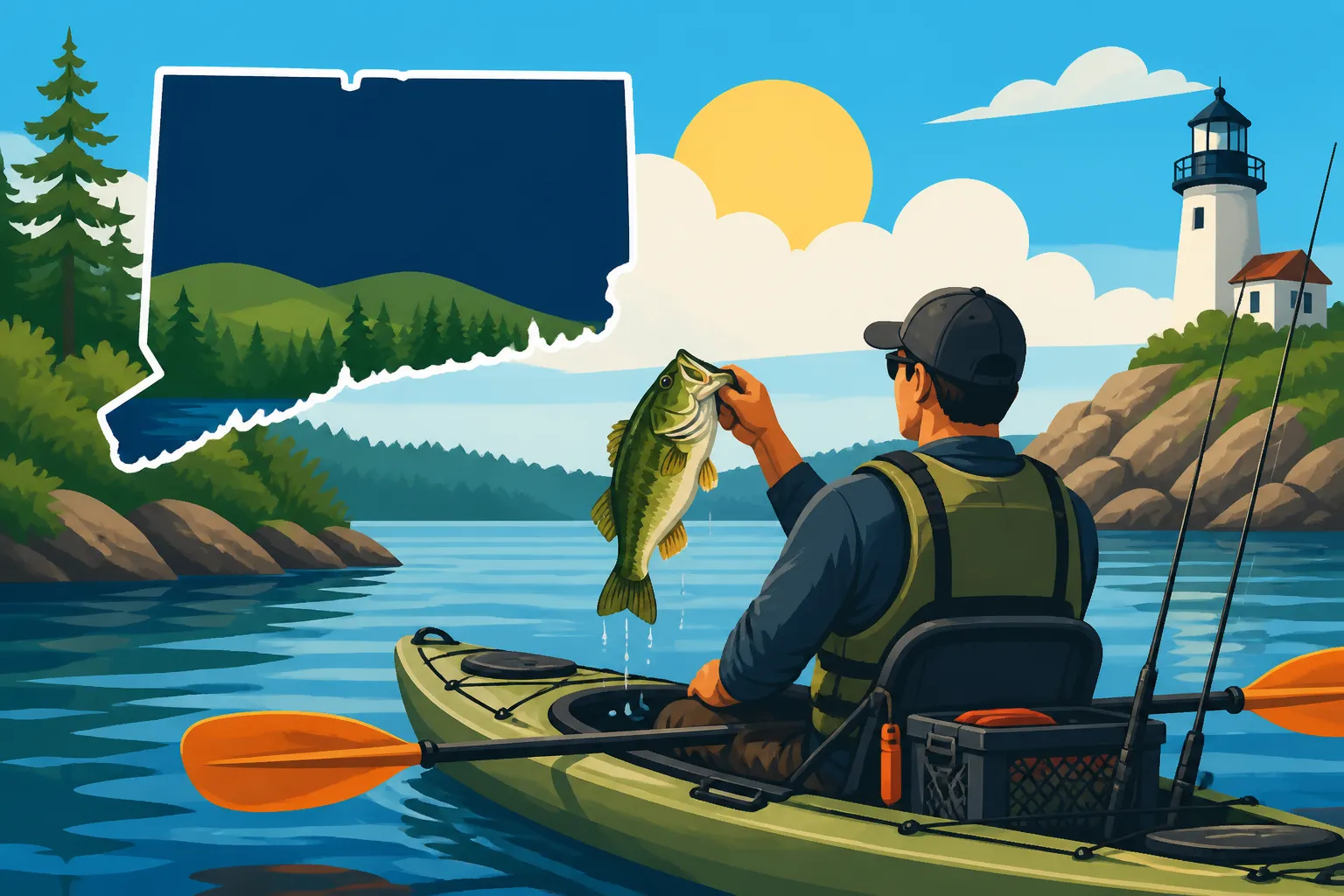
There's nothing quite like the feeling of paddling silently through calm water, kayak cutting a smooth path, while you're on the hunt for your next big catch. But let's be real, finding those perfect, accessible spots for kayak fishing in Connecticut can feel like a secret society, especially when you’re lugging gear and trying to figure out if that public boat launch is truly kayak-friendly. This comprehensive guide is here to unravel those mysteries, sharing some of the absolute best spots across our beautiful state, from serene inland lakes to the dynamic saltwater coastline, ensuring your next paddle-and-cast adventure is nothing short of fantastic.
Why Kayak Fishing in Connecticut is So Rewarding
As an angler who's spent countless hours both from shore and larger boats, I can tell you that kayak fishing offers a unique blend of peace, challenge, and incredible access that you just can't get any other way. It's not just about catching fish; it's about the entire experience—the quiet mornings, the close encounters with wildlife, and the sheer satisfaction of propelling yourself to where the fish are hiding.
The Unmatched Access and Stealth
Think about it: those hard-to-reach coves on big lakes, the shallow backwaters of estuaries, or the narrow bends of a river that a motorboat simply can't navigate. These are your playgrounds as a kayak angler. You can slip into these spots with incredible stealth, barely disturbing the water, which often translates to spooking fewer fish. I've had countless times where a quiet approach in my kayak allowed me to get right on top of schooling bass or spooky trout in ways a powerboat never could. This stealth factor is a huge advantage, especially when targeting wary species in clear water.
Beyond just getting into tight spaces, the portability of a kayak means you can launch from places where traditional boats wouldn't dream of going. A small roadside pull-off, a quiet beach access, or even a grassy bank can become your entry point to untouched waters. This expands your fishing grounds exponentially, opening up a world of possibilities for exploring new and exciting areas that often hold unpressured fish. It’s like having a secret key to parts of the waterbody that most anglers never see.
A Different Perspective on Familiar Waters
Even if you’ve fished a particular lake or river a hundred times from shore or a bigger boat, experiencing it from a kayak completely changes your perspective. You sit closer to the water, feeling the subtle currents and seeing the bottom structure in a whole new light. That familiar point might reveal a hidden weed line you never noticed, or a seemingly barren flat could unveil a series of small depressions perfect for holding fish.
This intimate connection with the water body allows for a deeper understanding of its ecosystems and fish behavior. You're part of the environment, not just observing it. It’s a sensory experience: the rustle of reeds, the splash of a rising fish just yards away, the gentle rocking of the water beneath you. It strips away distractions and brings you back to the core joy of fishing, making every outing feel like a fresh adventure, even on waters you've known for years.
Top Freshwater Kayak Fishing Destinations
Connecticut is blessed with an abundance of freshwater options, from sprawling lakes to winding rivers. For the kayak angler, these waters offer endless opportunities to target everything from trophy bass to feisty trout.
Lakes and Ponds for Bass and Panfish
When it comes to freshwater kayak fishing, Connecticut’s lakes and ponds are absolute goldmines for bass and panfish. The quiet nature of a kayak allows you to work shorelines, lily pad fields, and submerged structures with precision.
One standout is Candlewood Lake, located in western Connecticut. While it's a large lake and can get busy, its numerous coves, islands, and rocky points are perfect for kayak exploration. You can spend an entire day paddling and pitching jigs or soft plastics to largemouth and smallmouth bass hiding in the structure. The eastern shore near Squantz Pond State Park offers good access, and you'll find plenty of deeper water structure and weed lines to target. You'll want to check out some of the specific recommendations for Best Kayak Launch Points on Candlewood Lake to plan your approach. The quieter, less-trafficked coves on Candlewood can hold some truly impressive bass.
Another excellent choice is Bantam Lake in Litchfield. Known for its healthy populations of largemouth bass, northern pike, and a variety of panfish, it’s a fantastic spot for kayak anglers. The lake has extensive weed beds and submerged timber, which are ideal cover for predatory fish. The public boat launch on Alain White Road in Morris provides easy access, and from there, you can paddle the southern end of the lake, exploring the shallower areas and the mouth of the Bantam River. The quiet canals and protected areas are perfect for a stealthy approach, letting you cast into untouched pockets where big fish might be lurking. Remember that Bantam Lake Pike Fishing can be exhilarating from a kayak, allowing you to reach prime pike territory with ease.
For a slightly different experience, consider some of the smaller, state-stocked ponds. Mashapaug Lake in Union and Gardner Lake in Salem offer excellent opportunities for bass, pickerel, and panfish. These smaller bodies of water often mean less motorboat traffic, making for a more peaceful paddle. The shallow edges and extensive cover found in these ponds are perfectly suited for kayak fishing. You can slowly paddle along the edges, casting topwater lures early in the morning or working jigs through the submerged vegetation during the day. Access points are typically well-maintained and designed for car-top launches or small trailers, making it easy to get your kayak in the water without hassle.
Rivers and Streams for Trout and Smallmouth
Connecticut's rivers and streams provide a different, yet equally thrilling, kayak fishing experience, especially for those chasing trout and smallmouth bass. The current adds an extra dimension, allowing for exciting drift fishing techniques.
The Housatonic River is legendary in Connecticut, particularly the stretch through the Housatonic River Trout Management Area. While some sections are better for wade fishing, specific areas offer fantastic kayak access, allowing you to float downstream and target rainbow, brown, and brook trout. Launching from designated spots like those near the Cornwall Bridge or Housatonic Meadows State Park gives you a good run to explore. The key here is to understand the river's flow and access points. Paddling this river allows you to fish seams, riffles, and deep pools that are inaccessible from shore, often holding some of the river's largest trout. You'll find specific advice in Best Kayak Fishing on the Housatonic River to help you navigate this incredible waterway.
For smallmouth bass, the lower stretches of the Farmington River and even the mainstem of the Connecticut River are exceptional. On the Farmington, downstream from Unionville, the river widens and slows in places, creating ideal smallmouth habitat. Kayaks allow you to drift silently, casting into rocky pockets and current breaks. For those looking at the Connecticut River, launching near Middletown or Portland opens up huge stretches of water, perfect for covering ground and finding active smallmouth. These areas can also hold impressive numbers of striped bass, especially during their migratory runs. Getting into the smaller tributaries and backwaters of the Connecticut River via kayak can put you on fish that rarely see a lure.
Another fantastic option for river fishing is the Naugatuck River, especially in its trout management sections. While it might not be as widely known for kayak fishing as the Housatonic or Farmington, its accessibility for smaller craft, combined with regular trout stockings, makes it a rewarding spot. You can often find stretches with slower currents and deeper pools that hold fish, allowing you to drift bait or cast small spinners. The river's revitalized health means it’s becoming an increasingly popular spot for those seeking a more secluded river experience. Always check current regulations for any specific sections, as some might have special rules regarding fishing methods.
| Freshwater Kayak Spot | Target Species | Key Features for Kayak Anglers | Best Access Points |
|---|---|---|---|
| Candlewood Lake | Largemouth, Smallmouth Bass, Panfish | Numerous coves, islands, rocky points, weed lines | Squantz Pond State Park, public boat launches |
| Bantam Lake | Largemouth Bass, Northern Pike, Panfish | Extensive weed beds, submerged timber, quiet canals | Alain White Road (Morris) public launch |
| Housatonic River | Trout, Smallmouth Bass | Seams, riffles, deep pools, current breaks | Cornwall Bridge, Housatonic Meadows State Park |
| Farmington River | Smallmouth Bass, Trout | Rocky pockets, current breaks, varied flow | Downstream from Unionville, various access points |
| Mashapaug Lake | Bass, Pickerel, Panfish | Shallow edges, extensive cover, less motorboat traffic | State Park launch |
Exploring Connecticut's Saltwater Kayak Fisheries
When the urge for saltwater action hits, Connecticut's coastline along Long Island Sound offers incredible kayak fishing opportunities. From calm estuaries to dynamic coastal inlets, there's a world of striped bass, bluefish, fluke, and blackfish waiting to be caught.
Long Island Sound Estuaries and Bays
The protected waters of Long Island Sound's numerous estuaries and bays are absolutely prime for kayak fishing. These areas often feature shallower depths, calmer currents, and abundant baitfish, making them ideal hunting grounds for predatory species. The stealth of a kayak is a huge advantage here, allowing you to silently approach structure and schools of bait.
One of the most productive areas is the Niantic River and its surrounding bay. Launching from the town's public access points, you can explore the extensive salt marshes and oyster beds. These areas are magnets for striped bass, especially during the spring and fall migrations. You can often find them cruising the marsh edges, ambushing baitfish. Bluefish also frequent these waters, providing exhilarating topwater action. Fluke can be targeted by drifting bucktails or Gulp! baits over the shallower flats. The calm nature of the river makes it very beginner-friendly for kayak anglers. If you're looking for specific species, understanding Striped Bass Fishing in Long Island Sound will give you a major leg up.
Similarly, the Connecticut River estuary, particularly around Old Saybrook and Old Lyme, provides vast stretches of excellent saltwater kayak fishing. The immense amount of structure, combined with strong tidal flows, creates a fantastic environment for striped bass and bluefish. You can launch from numerous state boat ramps and explore the confluence of the river with the Sound, working jetties, channel edges, and shallow flats. The ability to silently slip into the calmer backwaters of the estuary, away from the heavy boat traffic of the main channel, is a huge benefit for kayak anglers. You might even find opportunities for targetting a variety of species throughout the Connecticut Fishing Seasons by Month.
Don't overlook the protected bays in western Long Island Sound either. Places like Norwalk Harbor and the inlets around Greenwich offer excellent opportunities for striped bass, bluefish, and even some blackfish around rocky areas. The smaller islands and sheltered coves in these urban estuaries provide structure and baitfish, making them productive spots for those with limited travel time. The shallow waters are perfect for sight fishing or working soft plastics around docks and moored boats, which often hold ambush predators.
Coastal Inlets and Shoreline Access Points
For those who enjoy a bit more current and structure, Connecticut's coastal inlets and shoreline access points offer dynamic kayak fishing. These areas require a bit more attention to tides and currents, but the rewards can be substantial.
The numerous small tidal rivers and creeks that feed into Long Island Sound are often overlooked gems. Rivers like the Branford River, Hammonasset River, and the Mystic River are perfect for kayak anglers. You can launch at various points along their banks and explore upstream or downstream with the tide. These tidal flows bring bait in and out, concentrating game fish. You'll find striped bass, bluefish, and even some holdover schoolie stripers in these areas throughout much of the year. The quieter, narrower channels are excellent for fly fishing or light tackle casting, giving you a real battle with strong fish in tight quarters. Remember to always understand Connecticut Fishing Regulations Explained for species in these tidal areas.
For a more open water experience, consider launching near prominent jetties or rocky shorelines. Locations like Rocky Neck State Park in East Lyme or Bluff Point State Park in Groton offer access to the open Sound. From these points, skilled kayak anglers can work the rips and rocky structures for blackfish (tautog), sea bass, and even some impressive striped bass. Fishing for blackfish from a kayak around rocky bottom can be incredibly effective, as you can position yourself perfectly to drop baits into tight crevices. Just be mindful of boat traffic and weather conditions when venturing into more exposed areas. Always prioritize safety, especially when fishing near strong currents or open water. You'll want to review Life Jacket Requirements for Connecticut Boaters before heading out.
When targeting blackfish, or tautog, from a kayak, knowing their habitat preferences is key. These fish love rocky bottoms, wrecks, and mussel beds. You can literally anchor your kayak directly over a promising rock pile and drop your green crabs down. The focused presentation a kayak allows for is unparalleled in this type of fishing. Remember, tautog fishing often requires a strong leader and sharp, stout hooks to muscle them out of their rocky homes.
Essential Gear and Safety for Connecticut Kayak Anglers
Kayak fishing is incredibly rewarding, but it does require specific gear and a strong emphasis on safety. Being prepared is half the battle, especially when you're out on the water, far from shore or a launch point.
Kayak and PFD Selection
Choosing the right kayak is paramount for a comfortable and effective fishing experience. While any kayak can be used to fish, purpose-built "fishing kayaks" offer features that make a world of difference. Look for stable, sit-on-top models that offer ample storage for tackle boxes, a cooler, and fishing rods. Many modern fishing kayaks come equipped with tracks for mounting accessories like rod holders, fish finders, and camera mounts. Brands like Old Town, Hobie, and Perception are popular choices among kayak anglers for their stability, comfort, and fishing-specific features. Consider the length: longer kayaks track better and are faster for covering distance, while shorter ones are more maneuverable in tight spaces.
Equally important, and non-negotiable, is a properly fitted Personal Flotation Device (PFD). This isn't just a suggestion; it's a critical piece of safety equipment. There are fishing-specific PFDs available that offer extra pockets for gear, tool attachment points, and a comfortable fit that doesn't hinder your casting motion. Always wear your PFD, regardless of how calm the water looks or how strong a swimmer you are. Accidents happen quickly, and a PFD can be the difference between life and death. The state of Connecticut has strict Connecticut Boating Laws for Anglers and Connecticut Cold Water Life Jacket Rule (October to May) that you need to be aware of and abide by.
Beyond the kayak and PFD, think about a comfortable seat. Many fishing kayaks come with excellent seats, but if yours is basic, an aftermarket seat can drastically improve your comfort, especially on longer trips. A paddle leash is also a smart investment to prevent losing your paddle in a moment of excitement or distraction. Don't forget a sturdy anchor system, especially if you plan to fish in current or windy conditions; a small grapple anchor or a drag chain can hold you in place over a productive spot.
Safety Essentials and Navigation
Safety should always be your top priority when kayak fishing. Beyond your PFD, there are several other items you should always have with you. A whistle or other sound-producing device is required by law in many areas and essential for alerting other boaters or signaling for help. A bright flag or 360-degree light (for low-light conditions) can significantly increase your visibility, especially on busy waterways.
Carrying a dry bag with essential items is also highly recommended. This should include your phone (in a waterproof case), a first-aid kit, extra layers of clothing (especially important in cooler weather), and snacks and water to stay hydrated and energized. It's easy to lose track of time when the fish are biting, so proper hydration and nutrition are vital. For navigation, a reliable GPS on your phone or a dedicated handheld unit can be incredibly useful for marking productive spots, finding your way back to the launch, and staying aware of any restricted areas. Before you head out, make sure you know the latest on Connecticut Safe Boating Certificate Requirement if you are using any kind of motorized kayak.
Understanding weather patterns and checking the forecast before you launch is absolutely crucial. Wind, in particular, can quickly turn a calm day into a strenuous and dangerous one for a kayak angler. Strong currents in tidal waters also demand respect and careful planning. Always let someone know your float plan – where you're going, when you expect to be back, and who to call if you don't check in. Local knowledge is invaluable, so consider joining a local kayak fishing group or forum; they often share tips on safe launch points and current conditions.
Planning Your Kayak Fishing Trip in Connecticut
Successful kayak fishing isn't just about showing up with a rod and reel; it's about smart planning. Knowing when and where to go, and what to expect from the water, can make all the difference in your fishing success and overall enjoyment.
Understanding Tides and Weather
For saltwater kayak fishing, understanding the tides is paramount. The tide dictates current flow, water depth in shallow areas, and often, fish behavior. Fish frequently feed most actively during incoming or outgoing tides, as baitfish are pushed around and concentrated. Slack tide can sometimes be slow, but it can also be a good time to work specific structures with less current resistance. Before heading out to Long Island Sound, always check a local tide chart. Websites and apps like FishTrack or Tide Times provide real-time data for various locations along the Connecticut coast. Paddling against a strong tide can be exhausting and dangerous, so plan your route and timing carefully.
Weather, especially wind, plays a huge role in kayak fishing, both fresh and saltwater. A calm day can quickly become challenging with a strong breeze, making paddling difficult and casting nearly impossible. Always check the wind forecast, paying attention to both speed and direction. Crosswinds can make steering tough, while headwinds make forward progress a struggle. Thunderstorms can pop up rapidly in Connecticut, so keep an eye on radar and be prepared to get off the water if conditions worsen. Even on seemingly mild days, a quick change in weather can have a significant impact on your safety and comfort.
Temperature also plays a critical role, particularly the Connecticut Cold Water Life Jacket Rule (October to May). Even a mild fall or spring day can have dangerously cold water temperatures. If you fall in, hypothermia can set in quickly. Dressing in layers, preferably non-cotton materials that wick moisture, and having a change of clothes in a dry bag are smart practices. For very cold water, specialized gear like a dry suit or wetsuit might be necessary.
Launch Points and Parking Considerations
Finding good launch points is often the biggest hurdle for kayak anglers. Many traditional boat ramps are designed for larger trailered boats, and while you can often use them, they might require a short portage or a less-than-ideal setup. Look for designated car-top launch areas or even sandy beaches and grassy banks that offer easy access to the water. State parks and town-owned properties are often good places to start. For example, Harkness Memorial State Park in Waterford offers excellent access to Long Island Sound, though you'll need to check specific park regulations for launching.
Parking can be another challenge. Popular spots, especially on weekends, can fill up fast. Always ensure you are legally parked to avoid tickets or towing. Some launch areas might require a state park pass or a town permit, so it's wise to research these ahead of time. Carrying a kayak cart can be a lifesaver if your launch point involves a longer walk from your parking spot. It saves your back and energy for the actual fishing!
Consider the distance you'll need to paddle from your launch to your desired fishing spot. While kayaks are great for covering water, you don't want to spend all your energy paddling to and from your target area. Using satellite maps like Google Earth or NOAA charts can help you scout potential launch points and plot your course, identifying submerged structure, weed lines, and current breaks before you even leave home. This pre-trip scouting can significantly improve your efficiency and put you on fish faster. Sometimes, checking resources like FishingBooker for local guides can provide insight into lesser-known, convenient launch areas that they use.
Local Favorites and Hidden Gems
While the big names like Candlewood Lake and the Housatonic River are fantastic, Connecticut is also home to countless smaller, lesser-known spots that are perfect for kayak fishing. These hidden gems often offer quieter waters and less fishing pressure, providing a truly peaceful angling experience.
Lesser-Known Freshwater Retreats
Beyond the major lakes, Connecticut boasts a plethora of smaller ponds and reservoirs that are ideal for a kayak. These waters, often nestled in state forests or municipal parks, can provide incredible fishing for bass, pickerel, and panfish with minimal competition. For example, Lake Wintergreen in Hamden, a municipal reservoir, offers a peaceful kayak fishing experience with good populations of bass and panfish. It’s typically restricted to non-motorized boats, ensuring a tranquil setting. You can spend hours working the shorelines, fallen timber, and weed beds.
Another fantastic option is Hopeville Pond State Park in Griswold. This pond is regularly stocked with trout, but also holds a healthy population of bass and panfish. The diverse aquatic vegetation and submerged structure make it an excellent place to explore from a kayak. The access is straightforward, and the relatively smaller size of the pond means you can effectively cover much of the water in a single outing. These are the kinds of spots where a quiet approach really pays off, allowing you to get up close to structure without spooking the fish.
Don't forget the multitude of smaller town ponds scattered across the state. Many towns manage their own small bodies of water, some of which are ideal for car-top kayak launches. These ponds might not produce trophy-sized fish every time, but they offer consistent action for panfish and smaller bass, making them perfect for a quick, accessible outing or for introducing kids to kayak fishing. A quick search of your local town's recreation department website or a chat with folks at a local bait shop can often reveal these overlooked treasures. These spots are often mentioned in local fishing reports that you might find compiled on sites like FishingBooker, giving you an edge.
Secluded Saltwater Honey Holes
Just as with freshwater, there are quieter, more secluded saltwater spots that shine for kayak anglers. These often involve a bit more paddling or a less conventional launch, but they can yield incredible results and a sense of discovery.
The numerous small islands and rock outcroppings scattered across Long Island Sound, like the Thimble Islands off Branford, offer fantastic kayak fishing. While direct access to the islands might be restricted, paddling around their perimeters and fishing the surrounding reefs and rocky structures can be incredibly productive for blackfish, sea bass, and striped bass. The currents around these islands can be strong, so plan your trip for calmer conditions and understand the tides. The ability to silently work your way through the smaller passages and drop lines into specific holes is what makes kayak fishing here so effective.
Another excellent, less-pressured area can be found in the smaller embayments and tidal creeks of eastern Connecticut. Places like the mouth of the Mystic River or the inlets around Stonington, while having some boat traffic, offer intricate marsh systems and tidal flats that are perfect for kayak exploration. You can get far up into the back-bays where larger boats can't go, finding concentrations of striped bass and bluefish chasing bait. The Mystic River Fishing Spots are often overlooked by larger boat anglers. The quiet nature of a kayak allows you to penetrate deeper into these ecosystems, truly experiencing the raw beauty of the shoreline while searching for fish.
For those adventurous enough, exploring the more remote sections of state parks with extensive shorelines, like Hammonasset Beach State Park in Madison or Silver Sands State Park in Milford, can lead to productive surf-style fishing from your kayak. By paddling out beyond the breaking waves, you can target striped bass and bluefish that are feeding just offshore, often in areas inaccessible to shore casters. Remember to always be aware of swimming areas and safety zones, and respect other beachgoers. These secluded spots can often be discovered through detailed charts or by simply spending time exploring.
Disclaimer
Please note that fishing regulations, license requirements, and access rules can change. Always check the latest information from the Connecticut Department of Energy and Environmental Protection (DEEP) before heading out on any fishing trip. Be aware of private property boundaries and respect local regulations regarding launching and parking. Your safety is your responsibility; always wear a PFD and be prepared for changing weather conditions.