Best spring trout streams in Connecticut
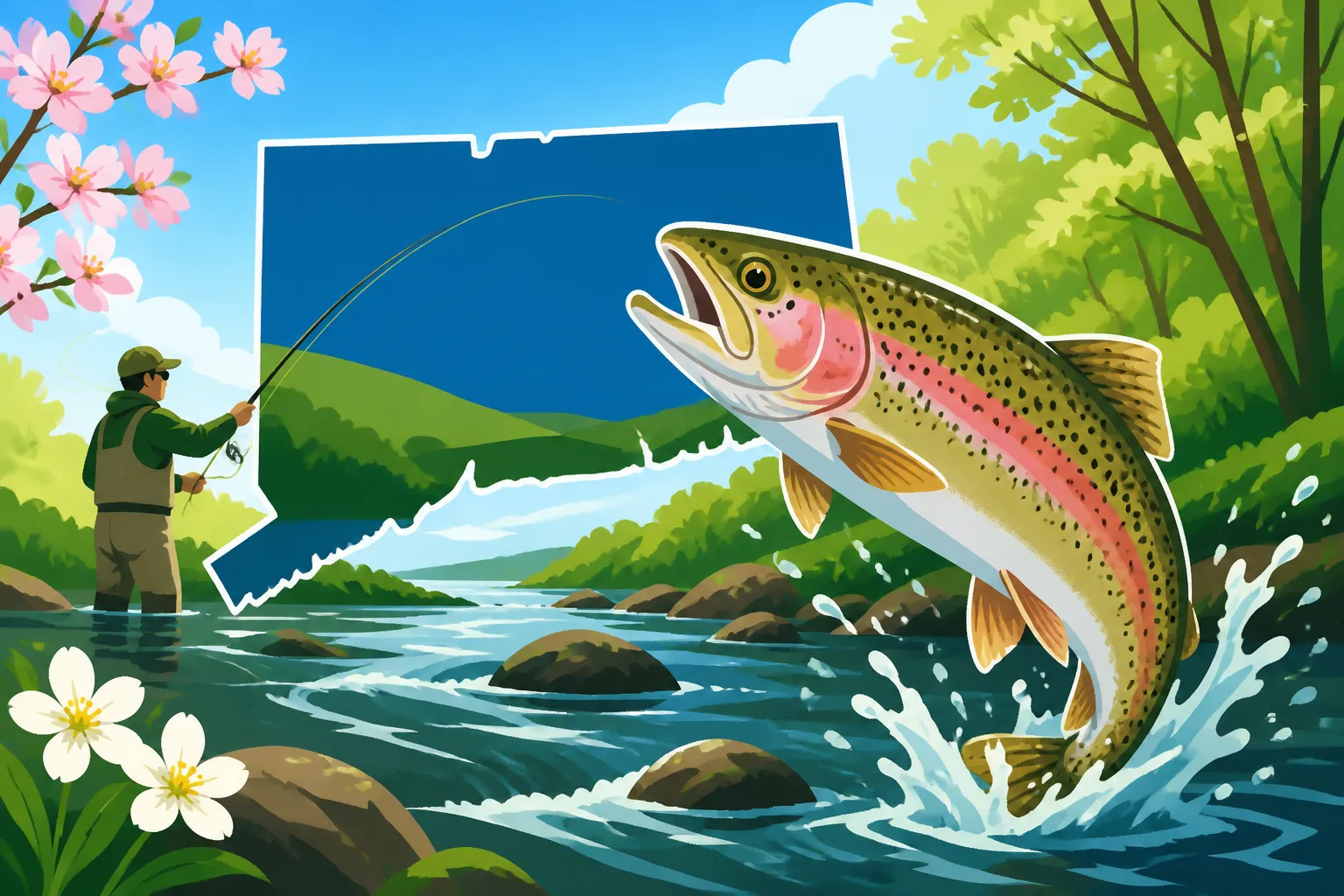
There’s nothing quite like that first breath of spring in Connecticut, especially if you’re a trout angler. After a long winter, the itch to get out on the water becomes almost unbearable, and the spring trout season offers some of the most exciting fishing opportunities. But with so many options, knowing which streams truly shine in those early months can be tough. This guide will walk you through the absolute best spring trout streams in Connecticut, helping you plan your perfect fishing adventure.
Why Spring is Prime Time for Connecticut Trout Fishing
Spring in Connecticut isn't just a season; it's an awakening, especially for our trout streams. The longer days, the gradual warming of the air, and the fresh influx of water create ideal conditions that make trout incredibly active and accessible. It's a time of renewed hope for anglers, and for good reason.
The Magic of Opening Day and Stocking Programs
For many, the official opening day of trout season in mid-April isn't just a date on the calendar; it's a cherished annual tradition, a ritual that signals the true start of spring. You’ll see anglers lining the banks of popular spots across the state, a camaraderie born from shared anticipation. The Connecticut Department of Energy and Environmental Protection (DEEP) works tirelessly, stocking hundreds of thousands of trout – rainbows, browns, and brookies – into our streams and rivers. These stocking programs are a huge reason why spring fishing is so productive.
Imagine arriving at your favorite stretch of the river on a crisp April morning, the air still holding a hint of winter, but the promise of sunshine breaking through the trees. You might see a truck from the DEEP, backing up to the river's edge, and then a cascade of vibrant trout splashing into the water. It’s a sight that never gets old. These newly stocked fish are often eager to bite as they acclimate to their new environment, offering fantastic action for anglers of all skill levels. If you're looking to plan your trips around these events, it's a good idea to check out the Connecticut Trout Season and Stocking Rules to stay up-to-date on schedules. Knowing when and where the fish are going in can dramatically improve your chances of a successful outing.
Understanding Spring Water Conditions
Spring water conditions are a double-edged sword: they bring life, but they can also bring challenges. As snow melts and spring rains fall, water levels in our streams can fluctuate dramatically. You might find streams running high and a bit murky one week, then dropping and clearing beautifully the next. This dynamic environment is precisely what makes spring fishing so engaging.
The most crucial factor is water temperature. As the water warms from its winter chill, trout become more active. Their metabolism picks up, and they begin to feed more aggressively. Ideal water temperatures for trout typically range from 45 to 65 degrees Fahrenheit. In early spring, the water might be on the colder end, keeping fish a bit lethargic and holding in deeper pockets. As spring progresses, and especially after a few warm, sunny days, the water warms up, and trout will spread out more, becoming more willing to chase a lure or rise to a fly. Keep an eye on local stream reports or even invest in a small stream thermometer to dial in those perfect conditions. Understanding these nuances is key to finding where the trout are holding and what they're willing to bite on.
Top Trout Streams to Hit This Spring in Connecticut
Connecticut boasts an impressive array of trout streams, each offering a unique experience. While you might find trout in many waterways, a few truly stand out as exceptional destinations for spring angling. These rivers offer a combination of consistent stocking, wild fish populations, and diverse fishing opportunities.
The Farmington River West Branch
When serious trout anglers in Connecticut talk about "the river," more often than not, they're referring to the Farmington River, particularly its West Branch. This river is often cited as one of the best trout streams in the entire Northeast, and for very good reasons. Flowing out of a dam, it maintains a cold, consistent flow even during warmer months, which is a huge advantage in spring when other rivers might fluctuate more wildly. The stretch between the Colebrook Dam and the Nepaug River confluence is primarily managed as a Trout Management Area (TMA) and is renowned for its population of large, healthy brown and rainbow trout.
What makes the Farmington so special in spring? First, the sheer number of fish. While stocked, many of these fish hold over from year to year, growing to impressive sizes. It’s not uncommon to hook into trout weighing several pounds, offering a fight you won't soon forget. Secondly, the diversity of the water itself. You’ll find everything from long, deep pools to swift runs, riffles, and intricate pocket water, all within relatively short distances. This variety means you can employ different techniques throughout the day. Access is excellent, with numerous parking areas and marked access points along Route 20 and Route 219. However, be aware that this is a highly regulated and popular fishery, so familiarize yourself with the Connecticut Farmington River Trophy Trout Stream Rules before you go. Specific sections may have catch-and-release only regulations or require artificial lures and flies, which protects these magnificent fish and maintains the trophy fishery.
The Housatonic River Trout Management Area
Moving west, the Housatonic River offers another fantastic spring trout fishing experience, particularly the stretch designated as a Trout Management Area from Falls Village to Gaylordsville. This section is broader and more powerful than the Farmington, offering a different kind of challenge and reward. The "Housy," as it’s affectionately known, is home to a robust population of wild brown trout, supplemented by generous stocking of browns and rainbows.
Spring on the Housatonic can be absolutely phenomenal. The river wakes up with insect hatches, drawing large trout to the surface, and the sheer volume of water provides ample holding structure for big fish. Many anglers target the Housatonic specifically for its larger brown trout, which can grow to impressive sizes here. Wading can be challenging due to the river's width and strong current, so a drift boat or raft is often preferred for covering larger sections. However, numerous public access points allow for wade fishing, especially in the shallower riffles and runs. Keep an eye on the water levels; the Housatonic can become very high and fast after heavy rains, making it unsafe to wade. For those interested in exploring this iconic river further, detailed information can be found in a comprehensive Housatonic River Fishing Guide. It's a truly spectacular place to chase spring trout, but it demands respect and preparation.
Smaller Gems: Shetucket, Salmon, and Naugatuck Rivers
While the Farmington and Housatonic often grab the headlines, Connecticut has a multitude of smaller, equally rewarding streams that shine in the spring. These can be perfect for a more tranquil experience, or for targeting recently stocked fish with less pressure.
The Shetucket River in Eastern Connecticut is a beautiful river that sees heavy stocking, particularly in its upper reaches. It's an excellent choice for a family outing or for beginners, as the stocked trout are often quite eager to bite. Access is good, and it offers a mix of easy-to-wade sections and deeper pools. Similarly, the Salmon River in Marlborough is another fantastic option, known for its scenic beauty and consistent stocking. It features a designated fly-fishing-only section, offering a more technical challenge for those looking to hone their skills with a fly rod. Anglers here often report excellent catches of rainbow and brown trout.
Further west, the Naugatuck River has undergone significant rehabilitation and now offers surprisingly good trout fishing, especially in its TMA sections. The Naugatuck is a freestone river, meaning its flow is entirely dependent on rainfall, so conditions can vary. However, after a spring rain, it can really turn on, with abundant aquatic insects stirring up the trout. These smaller streams, while perhaps not yielding the "trophy of a lifetime" as consistently as the Farmington or Housatonic, offer consistent action and a chance to explore some of Connecticut's hidden angling treasures. They are perfect for a spontaneous spring day trip when you just need to feel a tug on the line. Before heading out to any of these spots, make sure your Connecticut Fishing License Guide for 2026 is up to date!
Essential Spring Trout Fishing Techniques and Gear
Successfully navigating Connecticut's spring trout streams means having the right approach and equipment. The dynamic nature of spring conditions demands versatility, but a few core techniques and gear choices will consistently put you on fish.
Baits, Lures, and Flies for Success
When it comes to spring trout, having a diverse tackle box is your best friend. Different conditions call for different presentations, and being able to adapt is crucial.
- Natural Baits: For freshly stocked trout, especially in the early weeks of spring, nothing beats natural bait. Live worms, mealworms, or corn are incredibly effective. The scent trail they put out can attract fish even in murkier water or when they're still settling into a new environment. A simple worm on a small hook, drifted naturally with minimal weight, is often irresistible. PowerBait, in its various forms and colors, is another legendary bait for stocked trout, particularly in stiller pools.
- Spinning Lures: When trout are more active and chasing, small spinning lures can be incredibly effective. Classic options like small Panther Martin spinners, Mepps Aglias, or Rooster Tails in sizes #0 to #2 are deadly. Silver, gold, black, and firetiger patterns are generally excellent choices. Small spoons, such as Little Cleos or Kastmasters, can also be great for covering water and mimicking baitfish. Vary your retrieve speed and depth until you find what the fish are reacting to. For deeper pools or stronger currents, you might opt for heavier lures that get down to the fish quickly.
- Flies: For fly anglers, spring is a time of transition. Early spring might call for heavier nymphing rigs to get down to trout holding in cold, deep water. Patterns like Pheasant Tails, Hare's Ears, and Prince Nymphs in sizes 12-18 are workhorses. As hatches begin, usually starting with midges, then caddis, and later some mayflies, dry flies become more viable. Always carry a selection of Caddis patterns (like an Elk Hair Caddis) and some Blue-Winged Olives (BWOs) for spring hatches. Streamers, mimicking baitfish, are also incredibly effective for enticing larger, more aggressive trout, especially in higher water. Woolly Buggers in black, olive, or white are a must-have. If you're looking to dive deeper into this technique, check out Fly Fishing for Trout in Connecticut.
Reading the Water for Spring Trout
One of the most valuable skills an angler can develop is learning to "read the water." This means understanding where trout are likely to hold, feed, and rest, especially in the dynamic conditions of spring.
- Current Seams and Eddies: Trout are energy-efficient creatures. They don't want to fight strong currents all day. Look for current seams, where fast water meets slow water. These are prime feeding lanes where food drifts by, but the trout can hold just out of the main current with minimal effort. Eddies, the swirling pockets of water behind obstacles, are also excellent holding areas.
- Structure: Any kind of structure in the water—submerged rocks, fallen trees (log jams), undercut banks, or even changes in bottom contour—provides cover and a break from the current. Trout love to hide near these structures, ambushing unsuspecting prey. Cast your bait, lure, or fly close to these features, allowing it to drift naturally past the suspected holding lies.
- Depth Changes: In early spring, especially after cold nights or when water levels are high, trout will often seek the security and thermal stability of deeper pools. As the water warms and hatches occur, they'll move into shallower riffles and runs to feed more actively. Pay attention to transitions from shallow to deep, as these often hold fish. A great way to visualize these spots, especially in advance of your trip, is to use resources like the Connecticut Interactive Trout Stocking Map, Explained, which can show you where deeper areas or structures might be in relation to stocking points.
Being observant and knowing what to look for will significantly increase your success on the water. Don't just cast blindly; take a moment to observe the flow, identify potential holding spots, and then make a calculated presentation. Sometimes, the difference between catching fish and getting skunked is simply a matter of truly understanding the water in front of you. And remember, finding the right guide through platforms like FishingBooker can provide invaluable insights into specific spots and techniques for these unique spring conditions.
| Stream Name | Primary Trout Species | Key Characteristics | Access/Regulations Highlights | Best Spring Fishing Method |
|---|---|---|---|---|
| Farmington River (W. Branch) | Brown, Rainbow, Brookie | Tailwater, consistent cold flow, trophy potential | Extensive public access, numerous TMA sections, specific lure/fly regulations | Nymphing, Streamers, Dry Flies |
| Housatonic River (TMA) | Brown, Rainbow | Large freestone, wild fish, powerful current | Public access points, best with drift boat, beware high water | Nymphing, Streamers, Spinners |
| Shetucket River | Rainbow, Brown, Brookie | Heavily stocked, scenic, moderate flow | Good public access, suitable for all skill levels, less pressure than major rivers | Baits, Spinners, Nymphing |
| Salmon River | Rainbow, Brown, Brookie | Heavily stocked, picturesque, fly-fishing section | Public access, specific fly-fishing-only stretch near Blackledge River confluence | Baits, Spinners, Flies |
| Naugatuck River (TMA) | Rainbow, Brown, Brookie | Rehabilitated freestone, good for stockies, variable flow | Designated TMA sections, urban access, can be high/muddy after rain | Baits, Spinners, Nymphing |
Spring trout fishing in Connecticut is an experience that rejuvenates the soul as much as it fills your creel (if you're keeping fish, of course). From the trophy waters of the Farmington and Housatonic to the more intimate settings of the Shetucket and Salmon rivers, there's a perfect spring day waiting for every angler. Just remember to respect the regulations, practice good catch-and-release techniques when appropriate, and enjoy the beauty of the awakening natural world around you. Planning your trip with resources like FishingBooker to connect with local guides can offer a significant advantage, especially if you're new to these waters or want to maximize your time on the best spring trout streams in Connecticut. Get out there, breathe that fresh air, and feel the thrill of a Connecticut trout on the line!
Disclaimer
Please note that fishing regulations, stocking schedules, and river conditions can change. Always consult the official Connecticut Department of Energy and Environmental Protection (DEEP) website or the latest Connecticut Angler's Guide before heading out on any fishing trip to ensure you are compliant with current rules and to ensure your safety.