Best surf fishing spots on the Connecticut shoreline
There’s nothing quite like the salty air, the crashing waves, and the thrill of feeling that tug on your line right from the shore. But let's be honest, finding those prime surf fishing spots along the Connecticut shoreline can sometimes feel like hunting for hidden treasure. Our coast isn't always blessed with endless stretches of sandy beach like some other states, which means knowing where to go and what to look for is absolutely crucial. This comprehensive guide is here to cut through the guesswork, helping you pinpoint the best surf fishing locations and equip you with the knowledge to make your next shoreline adventure a successful one.
Understanding Connecticut's Surf Fishing Landscape
Connecticut's shoreline, while beautiful, presents a unique set of challenges and opportunities for the dedicated surf angler. It's not just about throwing a line into the water; it's about understanding the geology, the tides, and the life beneath the surface.
The Unique Challenges of Connecticut's Coastline
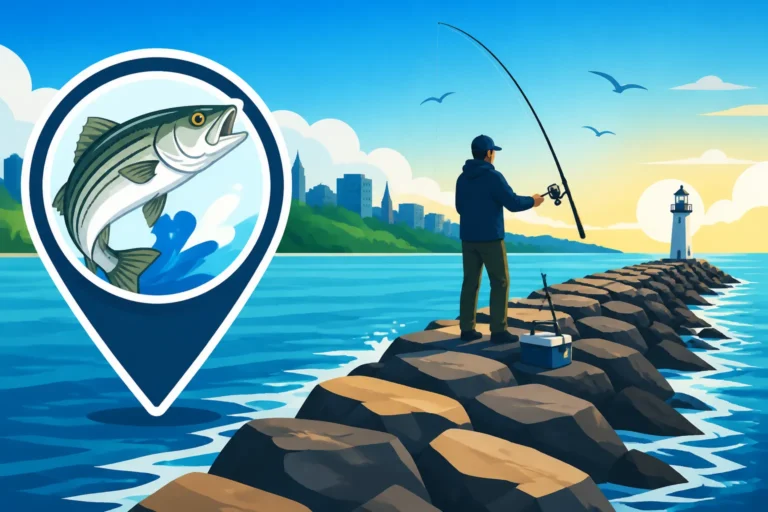
Unlike the long, sprawling sandy beaches you might find in, say, North Carolina or even parts of Long Island, Connecticut's coastline is a mosaic of rocky points, coves, tidal marshes, small sandy stretches, and river mouths. This varied terrain means that successful surf fishing here requires adaptability and local knowledge. You'll encounter fewer spots where you can simply cast into a wide-open surf zone for miles, and more areas where specific structure, like jetties, rock piles, or current rips, dictates where the fish will hold. The tide swings can be significant in Long Island Sound, especially around its eastern and western entrances, and understanding how these currents funnel baitfish can make or break your day. We also have a strong seasonal migration of popular species, like striped bass and bluefish, which means timing your visits to match their movements is key.
What Makes a Spot Good for Surf Fishing
So, what exactly defines a "good" surf fishing spot in Connecticut? It boils down to several factors:
- Access: First and foremost, you need a legal and safe way to get to the water's edge. This includes parking, walking trails, and public access points. Many of Connecticut's best spots are within state parks or town beaches, which often have specific hours or require parking passes. Always check ahead!
- Structure: Fish love structure. Along the Connecticut coast, this could mean rocky points, submerged boulders, mussel beds, jetties, piers, or the edges of tidal channels. These features create eddies, ambush points, and places for bait to hide or get disoriented by currents.
- Bait Presence: Where there's bait, there are usually predatory fish. Keep an eye out for signs of baitfish, like nervous water, diving birds, or even actual schools of bunker or spearing jumping near the surface. River mouths and tidal creeks are natural highways for bait.
- Current and Tides: Long Island Sound is a tidal estuary, and understanding the ebb and flow is paramount. Strong currents can concentrate bait and actively feeding fish. Often, the beginning and end of a tide cycle (slack tide) or the peak of the current can be the most productive, depending on the species you're targeting. Pay attention to how the tide interacts with the local structure.
- Depth Changes: Drop-offs, channels, and sudden changes in depth provide excellent ambush points for fish. These can often be found near jetties, river mouths, or along the edges of rocky points.
Top Surf Fishing Destinations in Eastern Connecticut
The eastern end of Connecticut's shoreline, from the mouth of the Connecticut River eastward to the Rhode Island border, offers some fantastic opportunities for surf anglers. This region is known for a mix of rocky coastline, sandy beaches, and significant tidal flows from Block Island Sound.
Bluff Point State Park, Groton
Bluff Point State Park is a true gem for the surf fishing enthusiast, and it's also a coastal reserve, which means no cars are allowed past the main parking lot. This 800-acre undeveloped peninsula requires a walk, which can be a deterrent for some, but it’s precisely that effort that preserves its wild character and fantastic fishing. The main fishing action happens around the point itself, where the currents from Fishers Island Sound meet the mouth of the Poquonnock River. Here, you'll find rocky outcroppings, submerged boulders, and rips that create ideal ambush points for striped bass and bluefish, especially during the spring and fall migrations. Fluke and scup can also be found in the shallower, sandier areas near the point. Target the incoming and outgoing tides for the best results, especially when water is moving around the rocks. Early mornings or late evenings often yield the biggest fish.
Harkness Memorial State Park, Waterford
Harkness Memorial State Park offers a different flavor of surf fishing. While the park is famous for its beautiful mansion and sprawling lawns, its shoreline provides decent access for anglers. There's a small pier here that can be productive for scup, snapper blues, and even small striped bass, particularly when baitfish are schooling. Along the beach, especially towards the rocky ends, you can cast for fluke, black sea bass, and sometimes schoolie stripers. The challenge here can be the number of beachgoers during peak season, so consider early morning or late evening trips. The general area also benefits from its proximity to deeper water, making it a good spot when fish are holding slightly offshore but still within casting range.
Rocky Neck State Park, East Lyme
Rocky Neck State Park is known for its beautiful, crescent-shaped sandy beach, but don't let the postcard view fool you—it offers solid surf fishing opportunities. The western end of the beach features a tidal marsh and the outflow from the Niantic River, creating a rich ecosystem that attracts a variety of fish. Striped bass and bluefish often lurk around the river mouth and the jetty at the western end, especially during dawn and dusk. This area is also excellent for crabbing and clamming, indicating a healthy food chain for predatory fish. During the warmer months, you can pick up fluke in the shallower sandy areas, and scup are often plentiful around the rocky parts of the beach. The park is very popular, so planning your visit outside of peak beach hours is a smart move.
Stonington Point and DuBois Beach
Stonington Point and the adjacent DuBois Beach offer a distinctive surf fishing experience. Located at the very southeastern tip of Connecticut, this area is at the confluence of several water bodies, including Long Island Sound, Fishers Island Sound, and Little Narragansett Bay. This creates strong currents and rips that funnel baitfish, making it a prime location for striped bass, especially trophy-sized ones during their migration. The point itself is rocky, requiring careful footing, but offers excellent casting into deeper water and turbulent rips. DuBois Beach, a town beach, offers a more accessible sandy stretch, where you can target fluke and scup. Always check parking regulations, as much of Stonington is resident-only, especially during summer. However, the fishing around the point, particularly from the public access areas, can be phenomenal. For a broader view of this entire region, our guide on Long Island Sound Fishing Guide offers even more insights.
Premier Surf Fishing Locations in Central Connecticut
Moving westward along the shoreline, the central Connecticut coast boasts expansive beaches and productive estuaries, providing diverse surf fishing opportunities.
Hammonasset Beach State Park, Madison
Hammonasset Beach State Park is Connecticut's longest public beach, offering over two miles of shoreline access. This extensive stretch is a surf angler's paradise, providing ample space and varied structure. The highlight for many anglers is the stone jetty at the western end near the Hammonasset River mouth. This jetty is a magnet for striped bass, bluefish, and even blackfish (tautog) and scup when they're in season. Fishing the jetty on an outgoing tide can be particularly productive, as baitfish are flushed out of the river. The vast sandy beach itself is excellent for casting bucktails or swimming plugs for fluke and small stripers. Given its size, you can often find a quiet stretch even on busy days. Remember to consult Connecticut Saltwater Fishing Regulations by Species to ensure you're in compliance with catch limits and seasons, especially for species like fluke or striped bass.
Clinton Town Beach and River Mouth
The Clinton Town Beach might seem unassuming at first glance, but the adjacent mouth of the Hammonasset River (not to be confused with the one at Hammonasset State Park) and its tidal creeks make it a surprisingly productive spot. The currents where the river meets the Sound create rips and eddies that attract baitfish and, consequently, predatory species. Anglers here often target striped bass and bluefish, especially during the dawn and dusk hours or under the cover of darkness. The river mouth area can also hold good numbers of white perch and even some holdover trout in the brackish sections further upstream. The beach itself provides casting opportunities for fluke in the summer. Access is generally good, but like many town beaches, it can get crowded in peak season.
Silver Sands State Park, Milford
Silver Sands State Park is unique because it features a natural sand and gravel bar that, at low tide, allows you to walk to Charles Island. This iconic feature plays a significant role in its surf fishing appeal. The flats around the sandbar, particularly the channels that run alongside it, are excellent for targeting striped bass, especially schoolie stripers, during the spring and fall. These fish move in with the tide to feed on baitfish trapped on the flats. Fluke can also be caught in these channels. Walking out to Charles Island is an adventure, but be acutely aware of the tide schedule. Getting stranded can be dangerous, and the DEEP actively warns against ignoring tide charts. Always prioritize safety over that extra cast. The access here is fantastic, with plenty of parking, making it a popular spot for both anglers and beachcombers.
Western Connecticut Shoreline Hotspots
Further west, towards the New York border, the shoreline becomes increasingly urbanized, but there are still fantastic, productive surf fishing locations to be found.
Sherwood Island State Park, Westport
Sherwood Island State Park offers a diverse coastal environment, making it a versatile spot for surf fishing. You’ll find a mix of sandy beaches, rocky points, and tidal marshes that provide habitat for various species. The main beach areas are good for casting for fluke, especially near any submerged structure or channels. The rocky sections, particularly towards the eastern and western ends of the park, are prime for targeting striped bass and bluefish. These areas offer the kind of current and structure that big predatory fish prefer. The park also features a salt marsh observation platform, which, while not a fishing spot itself, offers a great vantage point to observe bird activity that might indicate baitfish schools in the area. Early morning can be very peaceful and productive before the crowds arrive.
Calf Pasture Beach, Norwalk
Calf Pasture Beach in Norwalk is a well-known community hub that also provides good surf fishing opportunities, particularly from its pier. While not an ocean-facing beach in the traditional sense, it offers excellent access to the waters of Norwalk Harbor and the inner reaches of Long Island Sound. From the pier, anglers can target a variety of species including striped bass, bluefish, scup, and even some black sea bass at times. The pier allows you to cast into deeper water than from the beach, reaching areas where baitfish might congregate or where game fish patrol. Shore anglers can also work the beach itself, especially around the rocky breakwaters, for schoolie stripers and fluke. The area can be busy with boat traffic, but the fishing often holds its own. If you're looking to explore more of the Sound's offerings beyond the shore, remember that booking a local charter through a service like FishingBooker can provide access to different spots and expert guidance.
Tod's Point Greenwich Point Park, Greenwich
Tod's Point, officially Greenwich Point Park, offers some of the most consistent fishing in Western Connecticut, but it comes with a catch: non-residents typically need a daily pass and often face restrictions, especially during peak season. However, for those with access, it’s a goldmine. This large peninsula offers extensive shoreline with sandy beaches, rocky points, and calm coves. The fishing can be exceptional for striped bass and bluefish, particularly during the spring and fall migrations. The currents around the various points of the peninsula can be very strong, creating excellent feeding opportunities. Anglers often find success casting swimming plugs, poppers, or chunks of bait into the rips and along the rocky edges. Fluke and scup are also caught here. It's a beautiful spot, and if you can gain access, it's definitely worth the effort. Consider exploring options for Free and Discounted Fishing License Options in Connecticut if you're a veteran or senior, which might help with various access requirements in some areas.
Essential Gear and Techniques for Connecticut Surf Fishing
Having the right tackle and knowing how to use it are just as important as knowing where to cast your line. Connecticut's varied shoreline calls for versatile gear and smart tactics.
Rod, Reel, and Line Selection
For general surf fishing along the Connecticut coast, a medium-heavy to heavy spinning setup is often ideal.
- Rods: Look for a rod in the 9 to 11-foot range with a moderate-fast action. This length allows for long casts over varying terrains (rocks, sand) and provides the backbone needed to fight strong fish in current. Brands like Tsunami Airwave Elite or St. Croix Mojo Surf are popular choices among surf anglers.
- Reels: A durable, saltwater-rated spinning reel in the 5000 to 8000 series is a must. It needs to withstand saltwater corrosion and have a smooth drag system. Penn Spinfisher or Shimano Saragosa are excellent options. Make sure your reel has sufficient line capacity.
- Line: Braided line is highly recommended for its strength-to-diameter ratio and sensitivity. A 30-50 lb test braid will handle most situations. Top it off with a 3-5 foot fluorocarbon leader (30-50 lb test) for abrasion resistance around rocks and invisibility to finicky fish. The thin diameter of braid also aids in longer casts, which can be crucial when trying to reach beyond breaking waves or rips.
Bait and Lure Strategies
Connecticut surf fishing offers a range of options, from natural bait to artificial lures, each effective under different conditions.
- Natural Baits:
- Bunker (Menhaden): Fresh or frozen bunker chunks are irresistible to striped bass and bluefish. Live-lining a small bunker from a jetty or casting a chunk into a rip can be incredibly effective.
- Eels: Live eels are a top choice for targeting large, nocturnal striped bass. Rigged on a circle hook and slowly retrieved or drifted, they can entice wary cow stripers. Remember the Connecticut Circle Hook Requirement for Striped Bass when fishing with bait.
- Clams: Surf clams or sandworms are excellent for catching scup, blackfish, and smaller striped bass, especially in sandy or muddy bottom areas.
- Crabs: Green crabs are a primary food source for blackfish (tautog) around rocky structure.
- Artificial Lures:
- Swimming Plugs: Minnow-imitating plugs (like Daiwa SP Minnows or Bomber Long A) are great for casting into the surf for striped bass and bluefish, especially in choppy water.
- Poppers: Topwater poppers create a commotion that can draw aggressive fish from a distance, particularly bluefish and active stripers at dawn or dusk.
- Soft Plastics: Large paddle tail shads (e.g., Keitech Swing Impact FAT, Z-Man HeroZ) or soft plastic jerkbaits rigged on jig heads are incredibly versatile and effective for striped bass, bluefish, and fluke. Vary your retrieve speed to find what the fish prefer.
- Bucktails: Often tipped with a strip of pork rind or a soft plastic trailer, bucktail jigs are deadly for fluke and can also entice striped bass around current and structure.
Reading the Water and Tides
Successfully surf fishing isn't just about casting; it's about understanding the ocean.
- Currents: Identify rips, eddies, and currents that carry bait or create ambush points. Fish often position themselves facing into the current, waiting for an easy meal.
- Structure: Look for visible structure like rocks, jetties, or points, but also visualize submerged structure that might be indicated by breaking waves or calmer patches of water.
- Tides: Pay close attention to tide charts. The incoming tide often brings bait and cooler water closer to shore, while the outgoing tide can flush bait out of estuaries. Many anglers find the last two hours of the incoming tide and the first two hours of the outgoing tide to be the most productive. The best time of day to fish for Striped Bass Fishing in Long Island Sound often depends heavily on the tidal stage.
Rules, Regulations, and Safety on the Shoreline
Fishing along Connecticut's beautiful coastline comes with responsibilities. Understanding regulations and prioritizing safety ensures an enjoyable and sustainable experience for everyone.
Connecticut Fishing License Requirements
Before you even think about casting a line in Connecticut's marine waters, you must have a valid marine fishing license. This is not just a suggestion; it's the law. Whether you're a resident or a non-resident, if you're 16 years of age or older, you need a license to fish saltwater from shore or a boat. The Connecticut Department of Energy and Environmental Protection (DEEP) oversees these regulations, and you can easily purchase your license online through their website or from authorized vendors. Our detailed guide, Connecticut Fishing License Guide for 2026, provides all the information you need on how to obtain one. Additionally, specific rules apply to different species regarding size limits, daily creel limits, and seasons. Always consult the most current Connecticut Fishing Regulations Explained to ensure you're compliant. Failing to do so can result in hefty fines, as fishing without a license in Connecticut is not taken lightly.
Safety Considerations for Shore Anglers
Surf fishing can be exhilarating, but it also carries inherent risks, especially when dealing with unpredictable tides, slippery rocks, and powerful waves.
- Footing: If you're fishing from rocky areas or jetties, invest in proper footwear with good traction, like felt-soled wading boots or cleats. Slipping on wet, mossy rocks can lead to serious injury.
- Waves and Tides: Never turn your back on the ocean. Rogue waves can appear unexpectedly and sweep you off your feet. Always be aware of the tide, especially when fishing areas that become submerged, like sandbars or low-lying rocks. Plan your exit strategy well in advance.
- Weather: Check the forecast before you go. Strong winds, lightning, and heavy rain can make surf fishing dangerous and uncomfortable.
- Attire: Dress in layers to adapt to changing weather conditions. Waders can keep you dry and comfortable, but be aware of their safety limitations in strong currents or deep water – always wear a wading belt. A PFD (Personal Flotation Device) is never a bad idea, especially if you're venturing into areas with strong currents or around deep water.
- Buddy System: Consider fishing with a buddy, especially in remote or challenging locations. In case of an emergency, having someone else there can make a critical difference.
Respecting the Environment and Other Users
As anglers, we are stewards of the environment. Practicing responsible fishing habits is crucial for maintaining healthy fisheries and ensuring access for future generations.
- Leave No Trace: Pack out everything you pack in, and if you see litter, pick it up. This includes fishing line, bait containers, and food wrappers.
- Respect Wildlife: Give marine wildlife, especially seals and birds, their space.
- Mind Other Beachgoers: During warmer months, many of these spots are also popular with swimmers, sunbathers, and families. Be courteous, cast responsibly, and avoid fishing directly where people are swimming. Early mornings or late evenings are often the best times to avoid conflicts.
- Responsible Catch and Release: If you're practicing catch and release, handle fish minimally and gently. Wet your hands before touching them, support their body weight, and release them quickly. For species like Fluke Fishing in Long Island Sound or Blackfish Tautog Fishing in Connecticut, specific handling tips can improve survival rates.
Surf fishing in Connecticut offers a rewarding experience for those willing to learn its nuances. With the right knowledge, gear, and a healthy respect for the environment, you'll be well on your way to enjoying some incredible days on the shoreline. And remember, sometimes the best way to uncover those truly secret spots or hone your techniques is by tapping into local expertise, perhaps even by considering a guided trip you can find on platforms like FishingBooker, which connects you with local captains who know the local waters, and sometimes even the shorelines, like the back of their hand.
| Spot Name | Location | Primary Species | Notable Features | Best Conditions |
|---|---|---|---|---|
| Bluff Point State Park | Groton | Striped Bass, Bluefish, Fluke, Scup | Undeveloped peninsula, rocky point, river mouth, strong currents | Incoming/outgoing tides, spring/fall migration |
| Harkness Memorial State Park | Waterford | Scup, Snapper Blues, Striped Bass | Public pier, mixed sandy/rocky beach, proximity to deeper water | Early morning/late evening, warmer months |
| Rocky Neck State Park | East Lyme | Striped Bass, Bluefish, Fluke, Scup | Sandy beach, tidal marsh, Niantic River outflow, jetty | Dawn/dusk, outgoing tide from river |
| Stonington Point and DuBois Beach | Stonington | Striped Bass, Bluefish, Fluke | Confluence of sounds, rocky point, strong rips, sand beach | Strong currents, peak migration seasons |
| Hammonasset Beach State Park | Madison | Striped Bass, Bluefish, Fluke, Scup | Longest public beach, stone jetty, Hammonasset River mouth | Outgoing tide from river, spring/fall, summer fluke |
| Clinton Town Beach & River Mouth | Clinton | Striped Bass, Bluefish, White Perch | River mouth, tidal creeks, calmer protected waters | Dawn/dusk, dark nights |
| Silver Sands State Park | Milford | Striped Bass, Fluke | Walkable sandbar to Charles Island, surrounding flats and channels | Low tide walk, high tide fishing channels |
| Sherwood Island State Park | Westport | Striped Bass, Bluefish, Fluke | Mixed sandy beaches, rocky points, tidal marshes, diverse habitat | Spring/fall migration, summer fluke |
| Calf Pasture Beach | Norwalk | Striped Bass, Bluefish, Scup | Public pier, Norwalk Harbor access, rocky breakwaters | Pier fishing, warmer months |
| Tod's Point (Greenwich Point Park) | Greenwich | Striped Bass, Bluefish, Fluke | Large peninsula, diverse shoreline, strong currents around points (resident access often required) | Spring/fall migration, strong tidal movement |
Disclaimer
The information provided in this guide is for general informational purposes only. Fishing regulations, conditions, and access points can change. Always consult the latest Connecticut Department of Energy and Environmental Protection (DEEP) regulations and local ordinances before heading out. Fishing involves inherent risks; always prioritize safety and exercise caution while on or near the water.