Best Techniques for Blackfish Around Structure
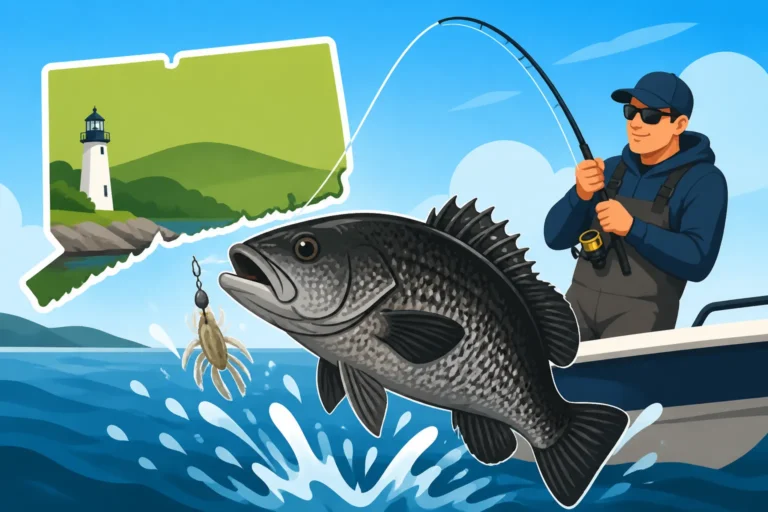
Ah, the mighty blackfish, or tautog as many of us lovingly call them! These brawlers of the deep are notorious for testing an angler's patience and tackle around Connecticut's rocky coastline. If you've ever felt that frustrating series of light taps only to reel in a stripped hook, or battled a brute that immediately dove into the nearest crevice, you know the struggle is real. This guide is all about equipping you with the knowledge and tactics to consistently land these challenging, yet incredibly rewarding, structure-loving fish.
Understanding Blackfish and Their Lair
Catching blackfish successfully hinges entirely on understanding their behavior and where they prefer to hang out. These aren't your open-water cruising fish; they are truly creatures of the structure.
Blackfish Habits and Habitat Preferences
Tautog are masters of camouflage and ambush, perfectly adapted to life amidst the hard-bottomed features of Long Island Sound and our coastal rivers. They possess powerful jaws and crushing teeth, built for grinding up their preferred diet of crustaceans and mollusks. This means you'll almost exclusively find them hugging tight to any form of hard structure, where their food sources thrive. They use these rocky havens for protection from predators, as ambush points for foraging, and as spawning grounds.
Their preferred haunts include natural rock piles, submerged boulders, mussel beds, and oyster reefs. But they're not picky; man-made structures are just as attractive. Think bridge pilings, jetties, breakwaters, sunken wrecks, and even discarded debris like old tires or concrete slabs. The more complex and rugged the structure, the better, as it provides an abundance of nooks and crannies for both the blackfish and their food. Finding these honey holes, often with the help of a good fish finder or by meticulously exploring familiar spots, is the first step to a successful day.
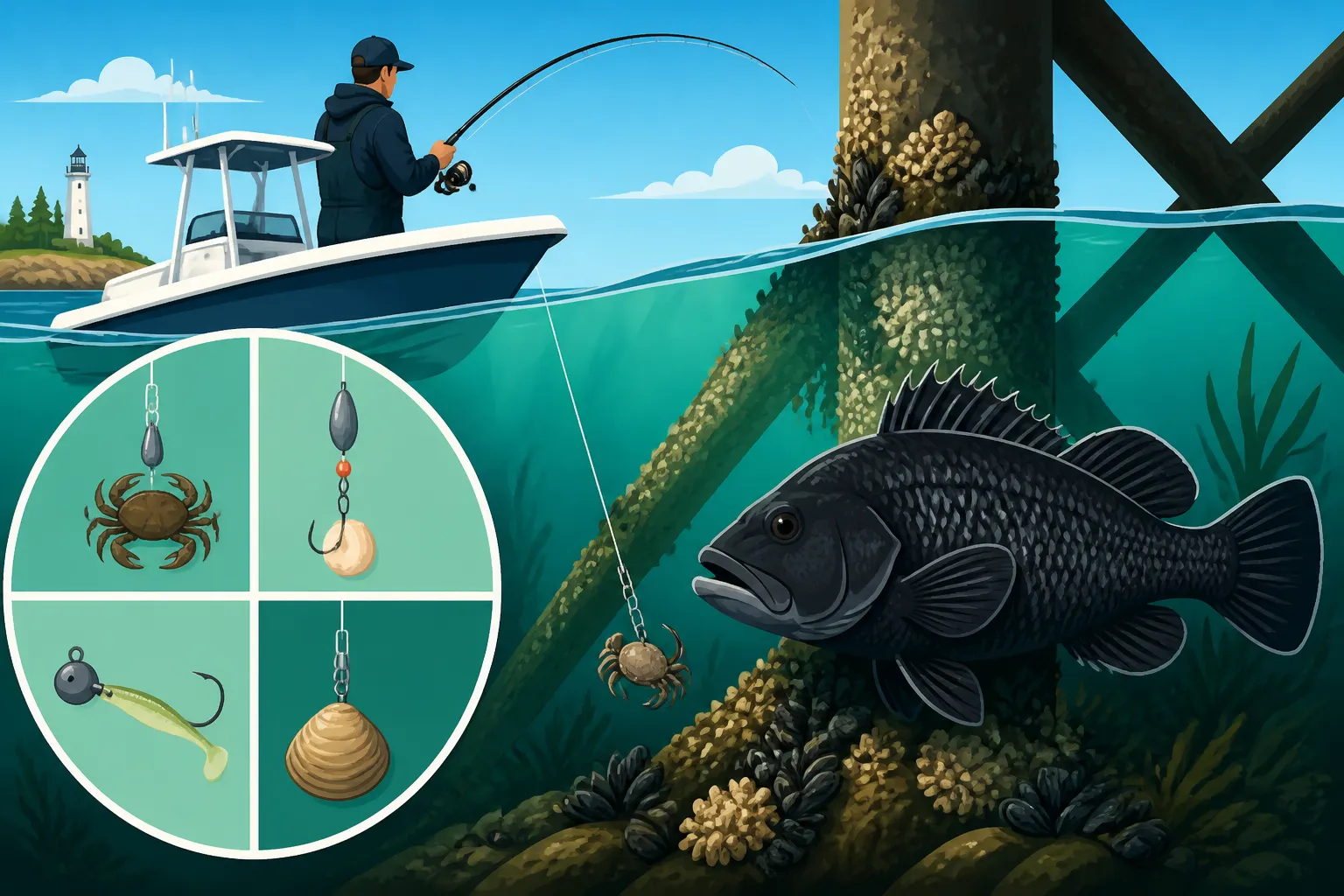
Their diet is central to understanding how to catch them. Blackfish are true bottom feeders, primarily munching on green crabs, fiddler crabs, hermit crabs, Asian shore crabs, and various types of mussels and barnacles. Occasionally, they'll pick up clam worms or pieces of clam, but crabs are almost always their top choice. This hard-shelled diet is why they have such impressive dental work and why presenting a natural-looking crab bait is paramount. Knowing What Blackfish Eat Around Structure can greatly improve your bait selection.
Seasonal Movements and Prime Times
Connecticut's blackfish population follows distinct seasonal patterns, largely dictated by water temperature and their spawning cycle. Understanding these movements is key to knowing where to target them.
In the spring, as water temperatures begin to climb into the 50s Fahrenheit, blackfish will start to move out of their deeper wintering grounds and into shallower, inshore structures. This is often an aggressive bite, as the fish are hungry after a colder, less active period. Look for them around shallower rock piles, mussel beds, and jetties, especially those exposed to direct sunlight that warm up quicker. The season often opens with good action in these accessible areas, making it a favorite time for many shore and small boat anglers. Checking the Connecticut Blackfish Tautog Season Dates is absolutely crucial before you head out.
The fall bite is arguably the most celebrated time for blackfish anglers in Connecticut. As water temperatures start to cool, signaling the approach of winter, blackfish become incredibly active, feeding heavily to build up reserves for the colder months. This pre-spawn and spawning period sees large numbers of fish congregated around deeper inshore and offshore structures. The bite can be intense, with many trophy-sized fish caught. This is when anglers venture to deeper wrecks and reefs in Long Island Sound, often requiring specific boats and more robust tackle. Tides also play a huge role, with a moving tide being essential for a good bite, as it stirs up bait and gets the fish actively feeding.
During the coldest winter months, blackfish generally retreat to very deep, offshore structures, sometimes as deep as 100 feet or more, where water temperatures are more stable. The bite can be much more subtle and sluggish, and fewer anglers specifically target them during this time, though they can be caught during mixed-bag bottom fishing trips. Conversely, in the heat of summer, blackfish might move slightly deeper to find cooler water, but they'll still be firmly attached to structure, just perhaps in deeper sections of the same rock piles or wrecks they inhabit in spring and fall.
Essential Gear for Structure Fishing
Tackling blackfish around structure requires specialized gear that can withstand the abuse of rocks, strong fish, and heavy current. Skimping on tackle here will lead to nothing but frustration and lost rigs.
Rod, Reel, and Line Selection
The foundation of a good blackfish setup starts with the rod. You need something stout, with enough backbone to really pull a fish away from structure once hooked, but also a sensitive tip to detect those famously subtle "taps" or "mouthing" bites. A medium-heavy to heavy power rod, typically 7 to 8 feet in length, with a fast action, is ideal. The fast action means the tip bends easily, but the power quickly transfers to the mid-section, giving you leverage. Shorter rods (6-7 feet) are good for boat fishing, offering more control in tight spaces, while longer rods (7.5-8 feet) can give you a bit more casting distance and help keep your line away from the boat hull when fishing deeper. A good quality conventional rod will serve you well, offering the direct control needed.
For reels, most serious blackfish anglers prefer conventional reels. These provide superior cranking power, direct contact with the line, and the ability to finely control your drop and retrieve, which is crucial around structure. Reels like the Daiwa Saltiga or Penn Fathom series are popular choices, known for their robust drags and strong gears. They're designed to handle the heavy weights and strong fish that tautog fishing demands. While spinning reels can be used, particularly for lighter inshore applications or when fishing from shore, they generally lack the raw power and direct feel that conventional reels offer, which is critical for winching a stubborn fish out of a rocky lair.
Line choice is equally important. Braided line is almost universally preferred for its incredible sensitivity and zero stretch. This sensitivity allows you to feel the faintest bites and discern bottom composition, helping you avoid snags. A 30 to 50-pound test braided main line is a common choice. However, braid's lack of abrasion resistance is its weakness around sharp rocks. This is where a fluorocarbon leader comes into play. You'll want a heavy leader, anywhere from 40 to 60-pound test, or even heavier in very snaggy or high-current areas. The leader should be about 3-6 feet long, connected to your braid with a strong knot like an FG knot or an Albright knot. When looking for reliable braid and fluorocarbon leader material, many anglers find a wide selection and good deals on Amazon, ensuring they're well-stocked before hitting the water.
The Right Hooks and Rigs
Choosing the correct hooks is paramount for blackfish. They have incredibly hard mouths, so dull or weak hooks will lead to missed bites and lost fish. Strong, sharp, and appropriately sized hooks are essential. Octopus-style hooks in sizes 1/0 to 3/0 are very popular, particularly Gamakatsu or Owner brands, known for their sharpness and strength. While circle hooks are mandated for striped bass in some areas of Connecticut, they are not a requirement for blackfish, and many tautog anglers still prefer J-hooks for their direct hookset. However, if you are practicing catch and release, a circle hook can reduce gut-hooking. Experiment with what feels best for your bite detection and hookset style.
The most common blackfish rig is a simple two-hook dropper loop rig. This rig consists of your leader with two dropper loops tied a foot or so apart, with a hook attached to each loop. A heavy sinker is then tied to the very bottom of the leader. This setup keeps your bait close to the bottom, where blackfish feed, and presents two enticing offerings. Another popular option, especially when jigging, is a single hook snelled directly to a short leader, which is then attached to a heavy jig. This provides a more streamlined presentation and can reduce snags compared to a traditional dropper rig with a separate sinker.
Sinker weight is critical and highly variable depending on current, depth, and boat drift. You need just enough weight to hold bottom without rolling, but not so much that it becomes cumbersome or excessively snags. Start with 4-6 ounces in moderate conditions and be prepared to go up to 8, 10, or even 12 ounces in stronger currents or deeper water. Bank sinkers or cannonball sinkers are commonly used for their ability to resist rolling and keep your bait in place. Having a variety of weights on board is a must. Don't be afraid to experiment with weight to find the sweet spot that allows you to feel the bottom without getting swept away.
Baiting Up for Blackfish
When it comes to blackfish, bait is king. These fish are discerning eaters, and presenting the right bait, properly, is often the difference between a fantastic day and a frustrating one.
The Best Baits for Blackfish
There's no debate here: crabs are the absolute undisputed champions of blackfish bait. Green crabs are the most widely used and readily available, and for good reason—blackfish absolutely devour them. You'll typically want them in sizes ranging from nickel-sized to silver dollar-sized, depending on the size of fish you're targeting and the hook size. Fiddler crabs are also excellent, especially for smaller fish or when the bite is finicky, as they are a natural part of the tautog's diet. Hermit crabs, with their soft bodies, are another fantastic choice, though they can be harder to come by and often more expensive. Asian shore crabs, an invasive species, have also become a popular and effective bait for tautog in many areas of Long Island Sound.
While crabs are paramount, other baits can sometimes tempt a blackfish, especially if you're out of crabs or the bite is slow. Clam worms and sandworms can work, but they tend to be quickly picked off or nibbled by smaller fish. Mussels, either whole or pieces, are another natural food source for blackfish and can be effective, particularly when crushed slightly to release their scent. Some anglers have even had success with pieces of conch or fresh clam, though these usually aren't primary choices. The key is to provide a natural, hardy offering that mimics what they're already eating off the structure.
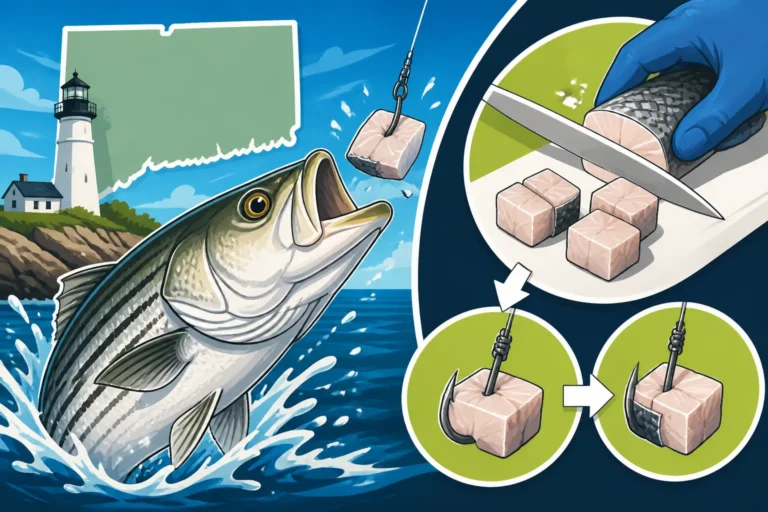
When presenting your crab bait, proper hooking is essential to keep it secure against the strong current and the blackfish's aggressive bites. For smaller crabs, you can often hook them whole, passing the hook through the belly and out the back, ensuring the point is exposed. For larger crabs, or if you're using green crabs, it's common to break or cut them in half. Hook one half through the leg socket or through the shell, again making sure the hook point is fully exposed. Sometimes, even just using a leg or a quarter of a larger crab can be effective if the fish are finicky. The goal is a natural presentation that won't easily be stolen.
Sourcing and Preparing Your Bait
Sourcing fresh, lively crabs is a critical step. The easiest way for most anglers is to visit a local bait and tackle shop. Shops like those in coastal towns like Old Saybrook, Niantic, or even further west in Norwalk often carry a steady supply of green crabs and sometimes fiddler crabs during the prime blackfish seasons. It’s always a good idea to call ahead to ensure they have what you need. Occasionally, specialty baits like hermit crabs might be available, though they're less common. For certain specialized gear to keep your crabs alive, like aerators or bait buckets, you can often find them on Amazon, which can be a lifesaver for longer trips.
Once you have your crabs, keeping them fresh and lively is paramount. Store them in a cool, dark place, preferably in a cooler with a damp towel over them, but without any standing water. Changing the towel periodically to keep it damp and cool will help extend their life. Healthy, active crabs will be more appealing to blackfish. If you're using larger green crabs, you'll likely need to break or cut them into pieces at the fishing site. A stout pair of shears or a knife can be used to cleanly halve the crab. Some anglers will remove the legs to make the body more compact and easier for the blackfish to grab.
For other baits like worms or clams, preparation is simpler. Worms are usually threaded onto the hook, leaving a tempting tail exposed. Clams can be shucked and a tough piece of the foot or neck used, often secured with bait elastic to prevent it from washing off the hook too easily. Remember, the goal is always to present a natural, enticing, and secure bait that can withstand the blackfish's strong bite and the rocky environment.
Mastering the Techniques for Fishing Structure
Blackfish fishing isn't just about dropping bait; it's a nuanced dance with current, structure, and a fish known for its subtle bite. Mastering the drop, feel, and the fight is what separates the casual angler from the tautog pro.
Anchoring and Positioning
Precise boat positioning is perhaps the single most important factor in successful blackfish fishing. These fish are glued to structure, meaning your bait needs to be right on it. This typically involves careful anchoring. Using a good GPS unit and a depth sounder is indispensable. You'll want to locate the edges of the rock piles, wrecks, or mussel beds, and then position your boat so that the current or wind will carry your bait directly over or slightly ahead of the structure. Many anglers will "power drift" over an area first to mark fish and structure on their electronics before committing to an anchor.
Once you've identified your spot, deploying your anchor requires thought. Instead of dropping directly on top of the structure and risking immediately snagging, you'll want to drop your anchor upcurrent or upwind, letting out enough rode (anchor line) to settle your boat exactly where you want it. This might mean letting out 50-100 feet of rode after your anchor has set. Sometimes, a single anchor isn't enough, especially in strong currents or winds. Experienced tautog fishermen will sometimes deploy two anchors—one off the bow and one off the stern—to precisely "pin" their boat over a tight piece of structure. Other methods include using an anchor ball system to quickly retrieve and re-position.
Situational awareness is key while anchored. Pay attention to how your boat is swinging with the tide and wind. Your lines should be going straight down or with a slight angle toward the structure. If your line is swinging too far away, or if you're consistently snagging, your positioning might be off. Sometimes a slight adjustment in anchor scope or a small shift in boat position can make all the difference. Always be aware of other boats, too, especially if you're fishing a popular spot. Communication and courtesy go a long way in ensuring everyone has a safe and productive day.
The Art of the Drop and Feel
Once you're positioned correctly, getting your bait down to the bottom is the next challenge. You want to drop your rig smoothly, maintaining just enough tension to feel the sinker hit bottom, but not so much that it swings wildly. As soon as you feel that thump, reel up just enough slack so that your sinker is touching the bottom, but your hooks are just above the rocks. This is crucial: you want to be on the structure, not in it, to minimize snags.
The blackfish bite is famously subtle, often described as a series of gentle taps. Sometimes, it feels like nothing more than your sinker bouncing off the bottom. This is where braided line and a sensitive rod tip truly shine. A common mistake is to try and set the hook on the first tap. Blackfish often "mouth" the bait, nudging it to crack the shell before committing to a full bite. The trick is to wait. Feel the taps, count one or two more, and then, when you feel a more distinct pull or a solid "thump," drop your rod tip slightly, then aggressively lift it straight up and reel like crazy. This "lift and wait" technique gives the fish time to fully take the bait into its hard mouth before you try to drive the hook home.
Maintaining constant bottom contact is non-negotiable. If you're not feeling the bottom, you're not in the strike zone. The current will dictate how often you need to adjust your line. If your sinker is lifting off the bottom, you need more weight. If it's constantly getting stuck, you might have too much weight or are letting it sit too long. It's a constant back-and-forth, a delicate dance of feeling the bottom, discerning a bite, and setting the hook at precisely the right moment. Patience and focus are your best friends here.
Jigging for Blackfish
While traditional bait rigs with sinkers are standard, jigging for blackfish has gained immense popularity in recent years, especially with the advent of specialized tautog jigs. The main advantage of jigging is the direct feel it provides and often, a reduced number of snags compared to dropper rigs. With a jig, your weight and hook are integrated, creating a more streamlined presentation that can be worked more actively.
Tautog jigs come in various shapes, weights, and colors. Popular brands include Shenandoah jigs, Tidal Tails jigs, and Joe Baggs jigs. Weights typically range from 1/2 ounce to 4 ounces, with heavier jigs used in deeper water or stronger currents. Jig colors can sometimes make a difference, with green, white, black, or natural crab patterns often being effective. The jig is usually tipped with a small piece of crab (a leg, half a green crab, or a fiddler crab), effectively making the jig the "head" and the crab piece the "body." Some anglers even use scented soft plastic crab imitators, though natural bait is usually preferred. When preparing for a jigging trip, ensuring you have a variety of jig weights and colors from reliable sources like Amazon can be beneficial.
The technique for jigging blackfish involves dropping the jig to the bottom and then working it with subtle lifts and drops. Instead of letting it sit dead still, you're constantly imparting slight motion, making the crab piece look alive. Small hops, gentle shakes, and brief pauses are key. The bite will often feel like a sudden weight, a solid thud, or even a soft "tick." The direct connection to the jig allows for immediate feedback. When you feel a strike, lift sharply to set the hook. Jigging can be a very active and rewarding way to target blackfish, often leading to a more solid hookset and fewer lost fish, provided you master the retrieve.
Avoiding Snags and Fighting the Fish
Blackfish fishing is a battle, not just with the fish, but with their environment. Learning how to minimize snags and then effectively fight a powerful fish that instantly tries to dive back into its rocky fortress is crucial.
Strategies to Minimize Snags
Snags are an inevitable part of blackfish fishing. It's not a matter of if you'll get snagged, but when. However, there are several strategies to minimize them and save your precious rigs. First, intimately knowing the bottom contour of your fishing spot is vital. If you're drifting or anchored too close to a particularly jagged section, you're asking for trouble. Use your fish finder to identify smoother patches near structure where fish might be lurking, but your sinker is less likely to become hopelessly wedged.
Rig modifications can also help. Some anglers use a slightly lighter leader material for their sinker loop than for their hook loops. This way, if the sinker gets hung up, you might only lose the sinker, saving the rest of your rig. Breakaway sinker rigs, where the sinker is attached with a light monofilament loop that breaks under tension, are also popular. This allows you to retrieve your hooks and fish if the sinker gets stuck. Another trick is to use a bank sinker tied on with a simple overhand knot—if it snags, you can pull hard and often break the knot, leaving only the sinker behind.
When you feel your rig getting stuck, don't just yank indiscriminately. Often, your sinker is just wedged. Try gently jigging your rod tip up and down, or letting out a little slack and then reeling up sharply. Sometimes, moving your boat slightly can change the angle and free the sinker. If it's a hard snag, pull steadily until something gives. If your main line is braided, be careful as it can snap cleanly if pulled too hard against a sharp edge, so wear gloves if pulling by hand. Knowing Connecticut Fishing Regulations Explained broadly can help you understand gear standards, though specific snag-prevention tactics aren't often regulated.
Battling a Stubborn Tautog
Once you feel that solid thump and you've set the hook, the real fight begins. Blackfish are powerful, short, and stout, and their immediate instinct is to dive headfirst back into the nearest rock crevice or piece of structure. This is a critical moment. You absolutely cannot give them an inch of line. As soon as you set the hook, reel hard and fast, lifting your rod tip high to try and "winch" the fish away from the bottom.
Maintain constant, heavy pressure. Don't pump the rod and let the fish take line back down. Keep reeling, even if it feels like you're just pulling against a dead weight. Your stout rod and powerful reel are designed for this. If you give a tautog any slack, or allow it to get its head down and burrow into the rocks, it's usually game over. They'll wrap your line around a sharp edge, and you'll often come up with a frayed or broken leader. This is not a finesse battle; it's a tug-of-war.
Once you've successfully pulled the fish a few feet off the bottom and away from immediate danger, you can ease up slightly, but never relax your guard. Keep the pressure on and continue to steadily reel the fish to the surface. For landing, a sturdy net with a wide hoop is best. A gaff can also be used, especially for larger fish, but be mindful of minimum size limits and your intent to keep the fish. Some of the Best Blackfish Charters in Connecticut will show you these fighting techniques firsthand.
Important Regulations and Conservation
As with any fishing in Connecticut, knowing and adhering to the regulations is not just about avoiding fines; it's about being a responsible angler and ensuring healthy fish populations for years to come.
Connecticut Blackfish Regulations
Connecticut has specific regulations for blackfish (tautog) that often change seasonally and sometimes yearly. These regulations dictate minimum length, daily creel limits (how many fish you can keep), and specific season dates. For instance, the fishing season for blackfish is typically broken into distinct periods, such as a spring season, a shorter summer closure, and then a more extended fall season. These dates and limits are designed to protect the species during critical spawning periods and to manage the overall population.
It is absolutely vital that you check the current Connecticut Blackfish (Tautog) Season Dates and size limits before every trip. The Connecticut Department of Energy and Environmental Protection (DEEP) website is the official source for this information. Regulations can vary from year to year, so relying on old information is a recipe for trouble. For example, in recent years, the recreational season for tautog has seen adjustments to ensure sustainable fishing pressure.
Beyond just blackfish, being familiar with all Connecticut Saltwater Fishing Regulations by Species is smart practice, especially when fishing Long Island Sound, as you might encounter other species like striped bass or fluke. Adhering to these rules helps maintain the health of our fisheries, allowing future generations of anglers to experience the thrill of battling a tough tautog around the rocks. And remember, you'll need a valid Connecticut Fishing License Guide for 2026 to fish for blackfish in the first place!
Best Practices for Catch and Release
While blackfish are delicious table fare, there are times when you'll catch a fish that's either undersized, oversized, or you simply choose to release it. Practicing proper catch and release techniques is crucial for the survival of those fish.
When releasing a blackfish, minimize its time out of the water. Handle the fish gently with wet hands to protect its slime coat, which is vital for disease prevention. If using J-hooks, try to remove the hook quickly. If the fish is deeply hooked, especially in the gills, it's often better to cut the line as close to the hook as possible rather than trying to aggressively remove it, which can cause more damage. Barbless hooks can also make hook removal much easier and reduce harm to the fish.
Blackfish caught from deeper water (often 40 feet or more) can sometimes suffer from barotrauma, where the sudden change in pressure causes their swim bladder to expand. Signs include bulging eyes, a distended belly, or stomach protruding from the mouth. If you encounter a fish with severe barotrauma that cannot swim down on its own, consider using a descending device (like a seaqualizer or similar tool). These devices attach to the fish's jaw and are weighted to rapidly return the fish to depth, allowing its swim bladder to recompress. This significantly increases their survival rate. Responsible angling, whether keeping or releasing, ensures that the thrill of blackfish fishing remains a vibrant part of Connecticut's angling scene.
Blackfish Fishing Technique Comparison
| Feature | Traditional Sinker Rig | Jigging for Blackfish |
|---|---|---|
| Bait Presentation | Two separate hooks, sinker at bottom; more spread out | Single hook integrated with jig; compact and streamlined |
| Bite Detection | Felt through line, sinker, and rod tip; often subtle | Direct feel through jig; often more pronounced |
| Snag Potential | Higher, especially with two hooks and separate sinker | Lower, streamlined profile less likely to wedge |
| Bottom Contact | Sinker sits on bottom, hooks just above | Jig maintains bottom contact with subtle hops |
| Action Required | Passive waiting for bite, precise hookset needed | Active working of the jig, immediate hookset |
| Ideal For | Anchored boats, strong currents, multiple bait options | Active fishing, lighter tackle, covering ground |
| Equipment | Conventional or spinning, medium-heavy rod, heavy leader | Conventional or spinning, medium-heavy rod, specialized jigs |
Disclaimer
The information provided in this guide is for educational purposes only and is based on general fishing practices and regulations. Fishing regulations, including season dates, size limits, and creel limits for blackfish (tautog) in Connecticut, are subject to change by the Connecticut Department of Energy and Environmental Protection (DEEP). Always consult the official CT DEEP website or current printed fishing guides before heading out to fish to ensure compliance with the most up-to-date rules. Neither the author nor publisher assumes any responsibility for actions taken based on the information in this guide.