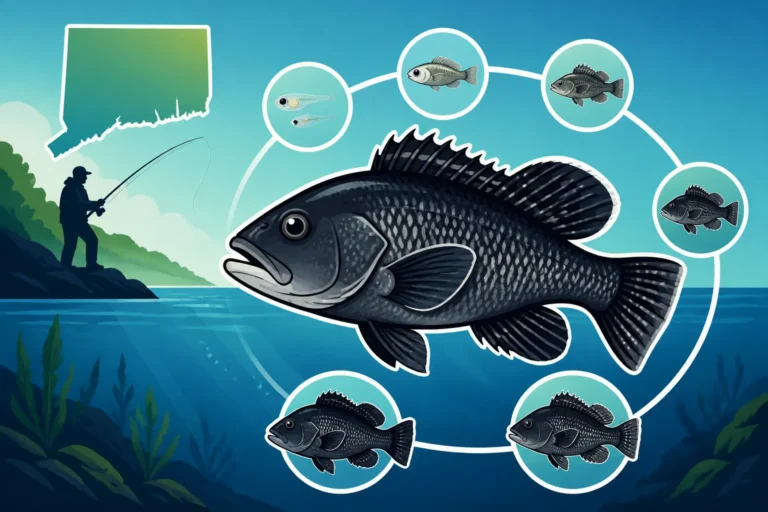
What blackfish eat around structure
If you've ever battled a tenacious blackfish, also known as tautog, in the waters off Connecticut, you know they're a force to be reckoned with. But what exactly drives these powerful, structure-loving fish to bite your hook? It’s a common frustration for anglers when their usual baits just aren’t cutting it, especially when these fish are known to be notoriously picky. This comprehensive guide is going to peel back the layers of the blackfish diet, diving deep into their preferred meals found around the rocky, wrecks, and mussel beds of Connecticut's coastline, and how understanding their natural foraging habits can dramatically improve your fishing success.
The Blackfish Habitat: A Larder of Delights
Blackfish aren't just any saltwater fish; they're architects of their own dining rooms. These opportunistic feeders have a strong preference for hard, structured environments, and for very good reason: that's where their food lives. You'll find them hunkered down around anything that provides cover and a stable substrate for marine organisms to attach to and flourish. Think rock piles, sunken ledges, bridge pilings, jetties, old dock foundations, and especially wrecks and artificial reefs scattered across Long Island Sound. Blackfish (Tautog) Fishing in Connecticut truly thrives when you understand this connection between their home and their dinner plate.
Why Structure is So Appealing to Blackfish
For a blackfish, structure isn't just a place to hide from predators; it's a bustling supermarket. The rough surfaces and crevices of rocks, submerged timber, or even man-made debris become prime real estate for a diverse array of invertebrates. These nooks and crannies offer protection from strong currents and a steady supply of oxygen-rich water, creating ideal conditions for shellfish, crabs, and various worms to thrive. It’s an ecosystem in miniature, and the blackfish are the top predators within that specialized world.
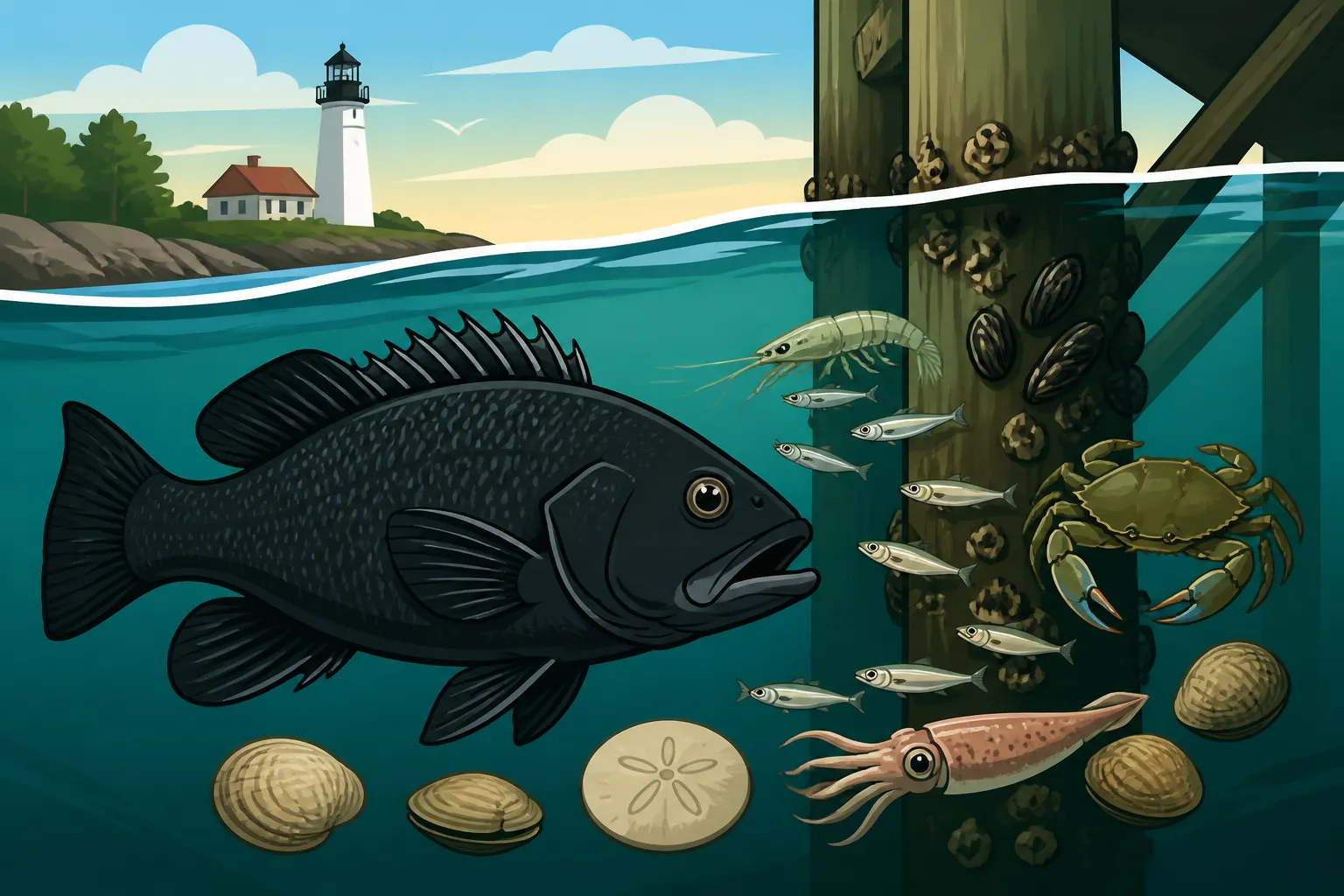
Imagine a jagged rock reef off Guilford or Stonington. On its face, you’ll find barnacles cemented in place, mussels clinging tightly, and sea worms burrowing into soft spots. Underneath the overhangs, green crabs scuttle, fiddler crabs hide, and hermit crabs roam. Each piece of this underwater architecture is a potential meal for a blackfish, making these complex environments essential to their survival and diet. Understanding these micro-habitats helps you predict not just where they'll be, but what they're actively munching on.
The Specialized Tools for Foraging
Blackfish aren't equipped with sharp, tearing teeth like a bluefish or striped bass. Instead, they possess a unique dental setup perfectly adapted to their mollusc and crustacean-heavy diet. They have strong, protruding canine-like teeth at the front of their mouths, perfect for crushing shells and prying mussels off rocks. Behind these, they have powerful molars designed to grind up their tough meals.
This unique dentition tells you a lot about their primary food sources. You won't find them chasing down fast-moving baitfish in open water as a primary feeding strategy. Instead, they're bottom-oriented browsers and crushers, methodically working their way around their structural homes, picking off whatever edible morsels they can find. This specialized feeding means that if your bait doesn't mimic or present what they naturally crush, your chances of success dwindle significantly.
The Primary Diet: Crabs, Shellfish, and Worms
When we talk about what blackfish eat, we're really talking about a specific menu of tough, crunchy, and often hard-to-get items. Their diet is overwhelmingly composed of bottom-dwelling invertebrates, and they are incredibly efficient at extracting these meals from their structured environments. This isn't a fish that's going to be tempted by just anything; they're looking for specific food items that provide maximum nutritional value for the effort involved in cracking them open.
The Ubiquitous Crab Feast
Crabs are, without a doubt, the undisputed champion of the blackfish diet. From small green crabs to fiddler crabs, hermits, and even Asian shore crabs, if it scuttles across the rocks, a blackfish will consider it dinner. The hard shell of a crab is no deterrent to a blackfish's powerful jaws. They simply crush them whole, extracting the soft meat within. This makes crabs, especially green crabs, a gold-standard bait for tautog anglers in Connecticut.
Green crabs, in particular, are incredibly abundant in rocky shoreline areas and are a natural, year-round food source. Blackfish will actively seek them out, prying them from crevices or ambushing them as they move. It’s a classic case of "matching the hatch" when you use a green crab as bait; you're offering them exactly what they're already accustomed to eating every single day. Best Baits for Smallmouth Bass on the Housatonic is a very different game, highlighting just how specialized the blackfish diet is.
Shellfish Delights: Mussels and Clams
Beyond crabs, shellfish play a significant role. Mussels are another absolute favorite, clinging in dense colonies to rocks, pilings, and any other hard substrate. Blackfish will use those strong front teeth to literally pull mussels off their anchor points and then crush them with their molars. If you've ever seen a blackfish's stomach contents, it's often a slurry of crushed shell fragments mixed with the soft bodies of mussels and crabs.
Clams, particularly small hard clams (quahogs) or razor clams, are also on the menu if accessible. While not as easy for them to pry off as mussels, if a storm or current exposes them, blackfish won't hesitate. They're particularly fond of the soft, juicy meat inside, and once again, their powerful jaws are perfectly suited for the task. You might even find them grazing on sea urchins, which provide another tough, but rewarding, meal.
Barnacle Buffet
It might seem strange to us, but barnacles are a surprisingly common food source for blackfish. These tiny crustaceans, cemented to rocks and pilings, are scraped off by the blackfish's strong teeth and then crushed. While not as substantial as a whole crab or mussel, they represent a constant, readily available food source that requires less energy to pursue. A blackfish will spend considerable time simply grazing along a rock face, systematically stripping it of its barnacle covering.
This behavior highlights their efficiency. They aren't just waiting for a meal to come to them; they're actively foraging, constantly picking and crushing. It's like us snacking on sunflower seeds – perhaps not a full meal, but a steady source of sustenance. This persistent grazing behavior is why you might feel multiple subtle "taps" on your line before a solid hookup, as a blackfish might be testing or sampling your bait just like it would a barnacle.
Secondary and Opportunistic Foraging
While crabs, mussels, and barnacles make up the bulk of a blackfish's diet, they're not above expanding their menu when the opportunity arises. They are, after all, survivalists of the structure, and they'll take advantage of whatever edible items present themselves within their preferred domain. This opportunistic feeding can sometimes be the key to cracking the code on a tough bite.
Worms and Other Annelids
Various marine worms, particularly bloodworms and sandworms, are highly attractive to blackfish. These segmented creatures burrow in soft sediments that collect around structure, or hide in the crevices of rocks. While a whole worm might not be as crunchy as a crab, their scent and texture are incredibly appealing. Many anglers use pieces of bloodworm or sandworm to tip a crab bait, adding an extra layer of enticement. These worms are often available at local bait shops and can be found on retailers like Amazon, especially for those looking for specialized fishing supplies.
Consider the dynamic on a changing tide around a bridge piling in Norwalk. The current can dislodge worms from their muddy or sandy burrows, sending them tumbling into the path of waiting blackfish. This presents an easy meal, requiring less effort than prying off a stubborn mussel. These "easy targets" are still highly prized.
Small Crustaceans and Fry
Occasionally, blackfish will consume smaller crustaceans like shrimp or very small juvenile fish, especially if they are slow-moving or injured. While this isn't their primary mode of feeding, they won't pass up a chance for an easy protein boost. If you're fishing a spot where small shrimp are abundant, a blackfish might indeed snatch one up. This is less about active hunting and more about capitalizing on what's available in their immediate vicinity.
You might even see them pick at sea snails or other small benthic organisms. Think of it as the blackfish's version of a varied diet. It’s not just about the big, crunchy meals; it’s about exploiting every nutritional opportunity the structured environment provides. This also means that if your area has a particular abundance of ghost shrimp or glass shrimp, those could prove to be surprisingly effective baits on a given day.
Using Dietary Knowledge to Improve Your Catch
Understanding what blackfish naturally eat is more than just trivia; it's a roadmap to becoming a more effective angler. Your bait selection, presentation, and even the tackle you choose should all be informed by their natural feeding behaviors. It's about thinking like a blackfish, immersing yourself in their underwater world, and then offering them exactly what they crave in a way that feels natural and irresistible. Blackfish Habits Around Structure is a fantastic companion read to this, delving deeper into their behavior.
Matching the Hatch: Bait Selection is Paramount
Given their dietary preferences, your bait choice is the single most critical factor in blackfish fishing. Green crabs, fiddler crabs, and hermit crabs are perennial favorites. Often, anglers will 'crack' larger green crabs or break them into smaller pieces to expose the juicy internals and release more scent. This mimics a crab that has been dislodged or injured, making it an easier target.
When crabs are scarce or the bite is tough, switching to fresh clams or even pieces of mussel can make a huge difference. Bloodworms and sandworms are excellent additions, either as a standalone bait for smaller fish or as a 'tipping' agent to enhance a crab or clam offering. Remember, blackfish are primarily scent and sight feeders on the bottom, so a natural, fresh presentation is key. Many anglers swear by fresh-caught local bait, claiming it has an advantage over baits shipped from afar. You can find specialized hooks and bait presentation tools on platforms like Amazon that are designed for blackfish.
Here's a quick rundown of popular blackfish baits:
| Bait Type | Description | Pros | Cons |
|---|---|---|---|
| Green Crab | Small, hard-shelled crab found in rocky intertidal zones. | Natural food source, readily available, tough bait holds well. | Can be difficult to keep alive, shells require cracking for best scent. |
| Fiddler Crab | Small crab with one enlarged claw (male). Found in marshy areas. | Very natural, irresistible to blackfish, excellent visual appeal. | Fragile, harder to keep on the hook, can be difficult to source in bulk. |
| Hermit Crab | Crab living in discarded snail shells. | Good natural scent, unique presentation. | Shell can make hooking tricky, less common than green crabs. |
| Surf Clam / Skimmer Clam | Large, soft-bodied clam. Often bought fresh. | Strong scent, soft texture makes it easy for blackfish to consume. | Can be easily stripped from hook by smaller fish or current, requires frequent re-baiting. |
| Mussels | Bivalves found clinging to rocks and pilings. | Extremely natural, highly effective. | Hard to gather in bulk (legally), can be messy, fragile. |
| Bloodworm / Sandworm | Segmented marine worms. | Intense scent trail, irresistible to many species, including blackfish. | Expensive, fragile, smaller pieces might only attract bait stealers if used alone. |
Presentation Matters: Get Your Bait in the Strike Zone
Since blackfish are almost exclusively bottom feeders around structure, your presentation needs to get your bait directly into their zone. A simple 'tog rig' usually consists of a sinker at the bottom, with one or two snelled hooks on dropper loops above it. This ensures your bait is suspended just off the bottom, or resting right on it, right where a blackfish would naturally find its food. Best Techniques for Blackfish Around Structure elaborates on the nuances of rig selection.
You'll often be fishing in areas with heavy current and snags, so using heavier sinkers is common to keep your bait from drifting away from the structure. When fishing a wreck, for example, dropping your bait directly onto or beside the structure is paramount. You want your crab or clam to look like it just got dislodged, sitting there vulnerable and waiting to be picked off. This means minimal casting and more vertical jigging or careful drops right down into the fish's living room.
Gear Considerations: Tools for the Job
Given the blackfish's powerful jaws and tendency to immediately try to "rock you up" (swim into structure to break you off) after being hooked, specific gear is essential. You'll need a stout rod with a sensitive tip to detect those subtle bites, paired with a reel that has a strong drag. Heavier monofilament or braided line is typically used, often with a fluorocarbon leader for abrasion resistance against the rough structure. Strong, sharp hooks are a must to penetrate their bony mouths.
This is where investing in quality gear pays off. A cheap hook will straighten; a weak rod will break. Blackfish demand respect, and your equipment needs to be up to the challenge. Many anglers find durable, purpose-built blackfish rods and reels, as well as high-quality hooks, available from reputable online fishing stores, including those found on Amazon. Don't skimp here; the battle with a big tog is often short but incredibly intense, and you want every advantage you can get.
Final Thoughts on Blackfish Feeding Habits
Blackfish are fascinating creatures, perfectly adapted to their niche in the marine environment. Their diet is a direct reflection of their habitat and their unique physical attributes. By understanding that they are primarily crustacean and mollusc crushers, and opportunistic worm eaters, you gain a significant advantage as an angler. It's not about fooling them with flashy lures; it's about offering them the natural, delectable meals they crave, presented in a way that makes them an easy target.
Next time you're heading out to target these tenacious fighters in Connecticut, take a moment to consider what's living on the rocks and structure below. Are there dense mussel beds? Scuttling green crabs? If you can replicate that natural food source with your bait and get it right into their feeding zone, you'll be well on your way to a successful day on the water. Remember that Connecticut Fishing Regulations Explained and Connecticut Saltwater Fishing Regulations by Species should always be consulted before you head out, as rules for tautog can change. Happy fishing!
Disclaimer
This article is for general informational purposes only and does not constitute professional advice. Laws, prices and regulations vary by location and change over time. Consult a qualified professional for guidance on your specific situation.