How to Catch Fluke in Long Island Sound
Catching fluke in Long Island Sound can feel like trying to find a needle in a haystack, especially with their remarkable camouflage and sneaky ambush tactics. Many anglers get frustrated drifting over what they think are prime spots, only to come up empty-handed time and again. This comprehensive guide will equip you with the knowledge and techniques to consistently locate and land these delicious bottom dwellers, turning those frustrating days into memorable fishing adventures.
Understanding Fluke Habits in Long Island Sound
Before you even think about dropping a line, it's absolutely crucial to get inside the head of a fluke. These flatfish aren't just swimming around aimlessly; they have distinct patterns, preferences, and behaviors that dictate where they'll be and when they'll bite. If you can anticipate their moves, you'll be light-years ahead of the game.
Where Fluke Live and Migrate
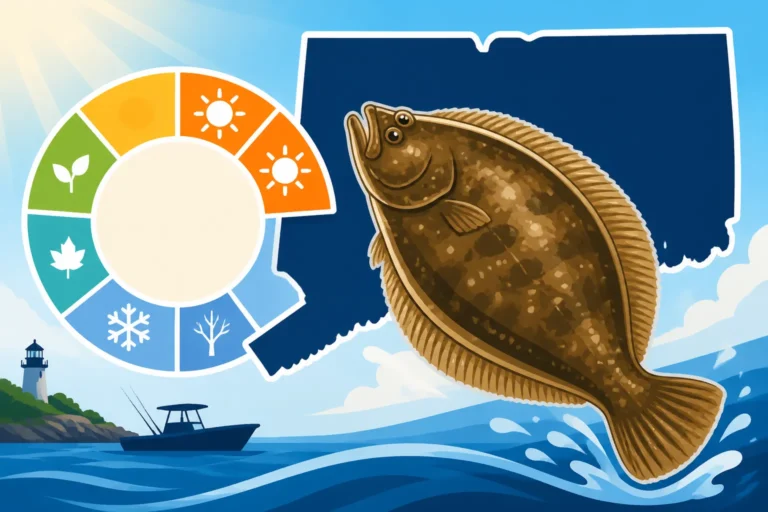
Fluke, also known as summer flounder, are masters of disguise and opportunistic predators, making their habitat choices very specific. As the water temperatures in Long Island Sound start to warm up in late spring, usually around May, these fish begin their migration from deeper offshore waters into the Sound. They're not looking for just any spot; they're seeking out areas that offer both ample food and effective cover for their ambush feeding style.
During late spring and early summer, you'll often find fluke in shallower bays, harbors, and along sandy shorelines where baitfish are abundant. Think areas with gradual slopes, sandy or muddy bottoms adjacent to channels, or even rocky outcrops. As the summer progresses and water temperatures continue to rise, many of the larger fluke will move to deeper, cooler waters. This means focusing your efforts on channels, drop-offs, wrecks, reefs, and mussel beds throughout the main body of Long Island Sound. These structures provide them with current breaks and places to hide, patiently waiting for an unsuspecting baitfish or crab to swim by. Come fall, as the water cools, fluke start to reverse their migration, heading back towards deeper ocean waters. Understanding this seasonal movement is paramount to consistently finding them.
What Fluke Eat and How They Hunt
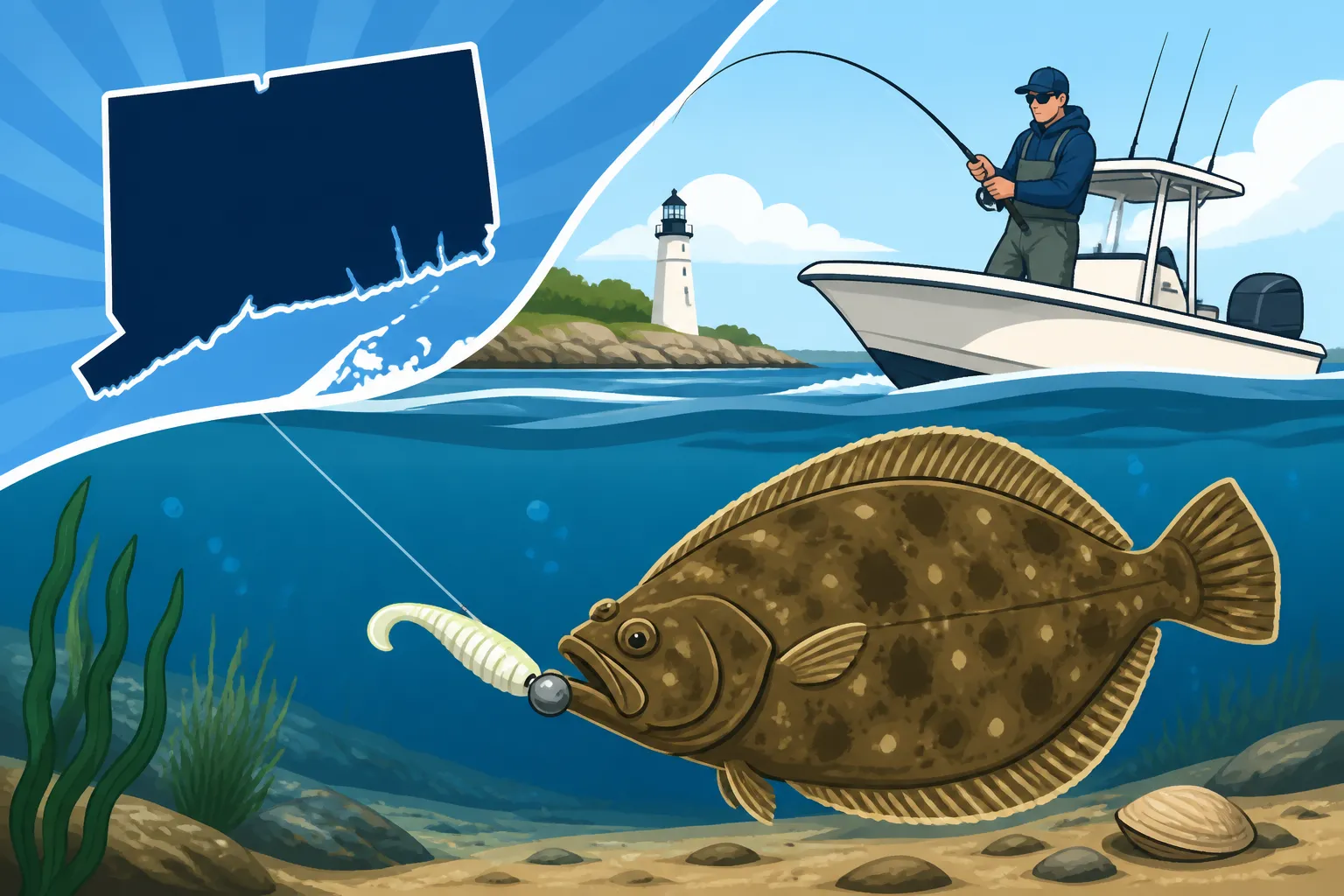
Fluke are primarily ambush predators, perfectly adapted to lying on the bottom, camouflaged with their surroundings, waiting for prey to come to them. Their eyes are on one side of their head, giving them an excellent upward view while they're buried. This unique evolutionary trait makes them incredibly efficient hunters. They typically feed on a variety of smaller fish and crustaceans that inhabit the same sandy or muddy bottoms.
Their diet largely consists of sand eels, spearing, silversides, and other small baitfish. You'll also find them munching on squid, especially when squid are running in the Sound. Beyond finfish, they also love crabs and shrimp. This diverse diet is why a variety of baits and lures can be effective. When a prey item swims within striking distance, the fluke will erupt from the bottom with surprising speed, engulfing its meal in a sudden burst. Mimicking this prey, either through natural bait or an artificial lure, is key to triggering their predatory instinct. Knowing what the fluke are likely feeding on at any given time can make all the difference in your success rate.
Tidal Influence and Prime Feeding Times
The tide plays an enormous role in fluke fishing success in Long Island Sound. Unlike some species that might prefer slack water, fluke thrive in moving currents. Why? Because currents carry food directly to them. As an ambush predator, they don't want to expend energy chasing down every meal. Instead, they position themselves on the leeward side of structures, along channel edges, or even buried in open sand, facing into the current.
Both the incoming and outgoing tides can be productive, but the speed of the current is usually more important than its direction. A moderate to strong current helps dislodge baitfish from cover and pushes them along, creating an easy meal for a waiting fluke. Slack tide, the period of minimal current between tide changes, often sees a significant slowdown in fluke activity. While you might catch a few during slack, your best bet is usually during the middle hours of a strong tide. This is when bait is moving, and fluke are most actively feeding. Learning to read the tides and currents in your specific fishing area within Long Island Sound, whether it's the Race or a shallower bay, will dramatically improve your chances. Understanding these Fluke Habits in Long Island Sound is foundational to any successful trip.
Essential Gear for Long Island Sound Fluke Fishing
You wouldn't try to build a house with a butter knife, right? The same logic applies to fluke fishing. Having the right tools for the job isn't just about comfort; it's about maximizing your chances of feeling those subtle bites and successfully bringing fish to the boat. Investing in appropriate gear for the conditions of Long Island Sound will pay dividends.
Rods and Reels for Success
Choosing the right rod and reel setup is crucial for fluke fishing. You need a setup that offers sensitivity to detect those soft fluke bites, enough backbone to set the hook, and the power to fight a decent fish, especially in current. For most Long Island Sound fluke fishing, a medium to medium-heavy spinning rod or conventional rod, between 6'6" and 7'6" in length, is ideal.
Look for a rod with a fast or extra-fast action. This means the rod bends mostly in the tip section, giving you that critical sensitivity to feel light taps from a fluke mouthing the bait. The tip needs to be forgiving enough to absorb head shakes, but the mid-section should have plenty of power to muscle a fish up from the bottom or out of cover. For reels, a 3000-5000 series spinning reel or a small conventional baitcasting reel (like a Shimano Calcutta 200 or Penn Squall 15) is perfect. These sizes offer good line capacity for the depths you'll be fishing and provide a smooth drag system, which is vital when a big fluke decides to make a run. Brands like Shimano, Penn, and Daiwa offer excellent options that are durable enough for saltwater environments. You can often find great deals on reliable gear by checking platforms like Amazon, especially during seasonal sales.
Line and Leader Choices
The lines and leaders you use are the direct connection to the fish, so don't skimp here. For your main line, braided line is almost universally preferred for fluke fishing in Long Island Sound, and for good reason. Braided line, typically in the 15-30 lb test range, offers incredible sensitivity due to its lack of stretch. This allows you to feel the faintest peck of a fluke, which can often be the difference between a hook-up and a missed opportunity. Its thin diameter also helps your sinker get down to the bottom faster and stay there with less resistance in the current.
However, braided line is visible in the water and can be easily abraded by rocks and structure. This is where your leader comes in. You'll want to attach a fluorocarbon or monofilament leader to your braid using a strong knot like an FG knot or an Albright knot. Fluorocarbon is excellent because it's nearly invisible underwater and has good abrasion resistance. A 20-30 lb test fluorocarbon leader, about 3-6 feet long, is a solid choice. If you're fishing particularly snaggy areas, a slightly heavier leader might be warranted. Monofilament can also work and is less expensive, but it has more stretch and is more visible. The leader acts as a shock absorber and prevents fish from seeing your main line, giving you a stealthier presentation.
Terminal Tackle Essentials
Terminal tackle, the bits and pieces at the end of your line, needs to be robust and correctly sized for fluke. This includes sinkers, hooks, and swivels. Fluke fishing often requires you to keep your bait on the bottom, so sinkers are paramount. You'll need an assortment of lead or tungsten sinkers ranging from 1 ounce up to 8 ounces or more, depending on the depth and current. A good rule of thumb is to use the lightest sinker possible that still allows you to maintain contact with the bottom, as this provides the most natural drift and best feel. Common styles include bank sinkers, pyramid sinkers, and even cannonball sinkers for deeper water.
For hooks, wide-gap or Kahle hooks are popular choices for fluke, often in sizes from 2/0 to 5/0, depending on the size of your bait. These hooks are designed to present bait naturally and improve hook-up ratios. Some anglers prefer octopus hooks for live bait. When fishing with bucktails or artificials, ensure the jig head has a sharp, strong hook. Swivels are also essential, especially barrel swivels or three-way swivels. Barrel swivels help prevent line twist, which can be a major headache when drifting. Three-way swivels are integral to many common fluke rigs, allowing you to attach your main line, a leader to your hook, and a dropper line to your sinker, keeping everything organized and preventing tangles. Stocking up on these smaller items, perhaps through a convenient Amazon order, will ensure you're ready for any condition.
Top Fluke Fishing Techniques and Rigs
Once you have your gear dialed in, it's time to talk about how to actually get those baits in front of the fluke. There are a few tried-and-true techniques that consistently produce fish in Long Island Sound, each with its own nuances and ideal conditions. Mastering these methods will significantly boost your catch rate.
The Art of Drifting for Fluke
Drifting is arguably the most popular and often the most effective method for catching fluke in Long Island Sound. It allows you to cover a lot of ground and present your bait naturally to a wide area. The basic premise is simple: let your boat drift with the current and/or wind, dragging your bait along the bottom. However, there's an art to it.
Successful drifting starts with boat control. You want your drift speed to be just right – not too fast that your bait lifts off the bottom, and not too slow that you're not covering enough territory. Sometimes a drift sock (sea anchor) can be invaluable for slowing down your drift in strong winds or currents, allowing your bait to maintain bottom contact more effectively. As you drift, constantly monitor your fishfinder for changes in depth, structure, and signs of baitfish or fluke. When you get a bite, don't just set the hook immediately. Fluke often "mouth" the bait first. Give them a few seconds to fully commit before sweeping the rod back to set the hook firmly. If you feel a tap and miss, try dropping back a bit of line to give the fish another chance. Keep an eye on your rod tip; any slight change in its rhythm or a sudden bend could be a fluke. This method is particularly effective when you're looking to locate scattered fish over a larger area.
Effective Jigging for Fluke
While drifting with bait is king, jigging for fluke can be incredibly effective, especially when fish are schooled up or holding tight to structure. This technique is more active and requires a bit more angler input, but the rewards can be substantial. The primary lure for jigging fluke is the bucktail jig, often tipped with a piece of natural bait or a soft plastic trailer.
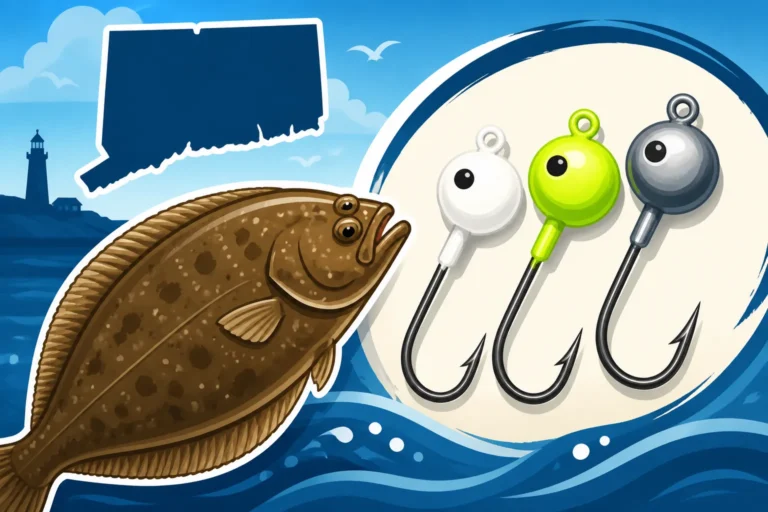
The key to successful jigging is maintaining bottom contact and imparting an enticing action. Cast your jig ahead of the boat's drift or directly down, let it sink to the bottom, and then begin a series of short, sharp lifts and drops. Imagine a wounded baitfish darting and fluttering. The jig should just kiss the bottom on each drop. Vary your retrieve speed and the height of your lifts until you find what the fluke are responding to. Sometimes a quick, aggressive snap works, other times a slower, almost dragging motion is better. Bucktails in white, chartreuse, pink, or combinations of these colors are perennial favorites. Tipping your bucktail with a long strip of squid, a Gulp! Swimming Mullet, or a live spearing can significantly increase its appeal. This method, often detailed further in resources like Jigging for Fluke in Long Island Sound, can be especially productive when fish are actively feeding.
Classic Fluke Rigs and Setups
There are several staple rigs that fluke anglers swear by, each designed to present bait effectively under different conditions. Understanding how to tie and deploy these rigs is fundamental.
One of the most popular is the Classic Fluke Rig, sometimes called the "teaser-and-sinker" rig. This setup typically consists of a sinker tied to the very end of your main leader. About 12-18 inches above the sinker, a dropper loop or a snelled hook on a short leader is attached, often adorned with a small bucktail jig, a plastic grub, or a spinner blade for added attraction (this is the "teaser"). Above that, another 12-18 inches up, you'll have your main hook, also on a short leader, where you'll typically place your primary bait. This rig allows you to present two baits at different heights, and the lower sinker keeps everything near the bottom.
Another effective rig utilizes a Three-Way Swivel. Here, your main line ties to one eye of the swivel. To a second eye, a leader runs down to your sinker. To the third eye, a leader runs out to your hook, often with a bead or two for attraction. This rig excels at keeping your bait just off the bottom while the sinker drags along. Both of these rigs can be modified with different hook sizes, leader lengths, and added attractants like beads, spinner blades, or small floats near the hook to help lift the bait slightly off the bottom. Experimentation is key; sometimes a subtle change in rig can make a big difference in how many bites you get.
| Rig Type | Components | Advantages | Ideal Conditions |
|---|---|---|---|
| Classic Fluke | Sinker, 1-2 dropper loops with hooks/teasers | Presents multiple baits at different depths, good bottom contact. | General drifting, varying depths. |
| Three-Way Swivel | Main line to swivel, one leader to sinker, one to hook | Keeps bait just off bottom, reduces snags, good for strong currents. | Drifting over rocky/snaggy bottom, strong current. |
| Bucktail Jig | Jig head, soft plastic/bait trailer | Active presentation, great for aggressive fish, excellent feel. | Targeting structure, active fish, lighter current. |
Best Baits and Lures for Long Island Sound Fluke
You can have the best gear and master all the techniques, but if you're not offering the fluke something they want to eat, you'll still be out of luck. Fluke are not overly picky, but certain baits and lures consistently outperform others in Long Island Sound. Matching your offering to what the fluke are naturally feeding on at that moment is a critical piece of the puzzle.
Natural Baits that Entice Fluke
There's no denying the effectiveness of natural bait when it comes to fluke fishing. The scent, texture, and natural movement are often irresistible. Live bait is frequently the most productive option, especially for larger fluke. Live spearing, silversides, or killifish are excellent choices. Hook them lightly through the lips or behind the dorsal fin to keep them lively. Their erratic swimming action mimics a distressed baitfish, which is a powerful trigger for ambush predators like fluke.
If live bait isn't readily available, fresh cut bait is your next best bet. Strips of fresh squid are a perennial favorite. A long, thin strip of squid (often called a "squid tail") can be deadly, especially when combined with a bucktail jig or a teaser rig. Clam strips, strips of mackerel, or even pieces of bunker can also be very effective. The key with cut bait is to ensure it's fresh and cut in a way that allows it to flutter enticingly in the current. A thin, tapering cut that mimics a baitfish profile or a long, flowing strip is usually best. The scent trail these natural baits leave behind is often what draws fluke in from a distance.
Artificial Lures for Aggressive Fluke
While natural bait is hard to beat, artificial lures have come a long way and can be incredibly effective, sometimes even outfishing natural bait. The star of the artificial lure show for fluke is undoubtedly the bucktail jig. These jigs, made of lead with deer hair, come in various weights and colors. White, chartreuse, pink, or combinations are top producers. The key is to tip them with something extra to add scent and bulk.
This is where soft plastic trailers shine. The Berkley Gulp! Alive! series, particularly the Swimming Mullet, Grub, and Minnow shapes, has revolutionized fluke fishing. These soft plastics are impregnated with powerful attractants and have a realistic action. They often perform just as well, if not better, than live bait, and the best part is they don't die! Many anglers will tip a plain bucktail with a 4-inch Gulp! Swimming Mullet or a Gulp! Grub. Other soft plastic paddle tails and curly-tail grubs also work well. You can find a huge selection of these lures, including various sizes and colors of bucktail jigs and Gulp! products, easily on Amazon. Experiment with different colors on any given day; sometimes a subtle change can make a big difference in bite rates.
The Power of Scent and Attractants
Fluke are highly reliant on their sense of smell, especially when visibility is low or currents are strong. This makes scent an incredibly powerful tool in your arsenal. Even if you're using natural bait, adding extra attractant can significantly boost your chances.
As mentioned, products like Berkley Gulp! Alive! are fantastic because they combine realistic action with potent scent. The liquid they come packed in is itself a powerful attractant. Many anglers will save the liquid and add it to a spray bottle to apply to their regular bucktails or even natural baits. Beyond Gulp!, there are numerous liquid scent attractants available from brands like Pro-Cure or Fishbites. These come in various "flavors" like bunker, squid, or shrimp. Applying a liberal amount to your artificial lures or even your natural bait strips every 15-20 minutes can create a strong scent trail that fluke simply can't ignore. The goal is to make your offering as enticing as possible, appealing to both the fluke's sight and its highly developed sense of smell.
Navigating Long Island Sound for Fluke Hotspots
Long Island Sound is a vast body of water, and while fluke can be found throughout, certain areas and types of structure consistently hold more fish. Knowing where to focus your efforts, and how to effectively "read" the water and bottom, will save you a lot of unproductive drifting.
Key Structure and Bottom Types
Fluke are masters of camouflage and ambush, which means they prefer specific types of bottom and structure that allow them to hide and surprise their prey. While they are often associated with sandy or muddy bottoms, they rarely just sit in the middle of a featureless plain. Instead, they position themselves on the edges of structure or where changes occur.
Look for areas where a sandy bottom transitions to rocky reef, mussel beds, or even clam beds. These "edges" are prime feeding grounds. Channel edges and drop-offs are also high-percentage spots, especially in deeper water. Fluke will often lie on the flatter, shallower side of a drop-off, waiting for baitfish to be swept over the edge by the current. Wrecks and artificial reefs scattered throughout the Sound are also excellent spots, providing both cover and food sources. Pay attention to current breaks formed by these structures; fluke will often lie just out of the main current, waiting for an easy meal to be pushed by. Understanding these nuances of bottom composition and structure is vital to finding where the fluke are holding.
Using Marine Electronics to Your Advantage
In today's fishing world, marine electronics are indispensable tools for locating fluke. A good fishfinder and GPS unit can drastically cut down on unproductive time and help you pinpoint those crucial hotspots. Your fishfinder (sonar) is your window to the underwater world. It can show you the depth, the type of bottom (hard vs. soft), and even individual fish or bait schools.
Look for tell-tale signs on your sonar: a sudden change in bottom composition, a distinct "line" indicating a drop-off, or even small bumps that could be rocks, mussel beds, or wrecks. While fluke lie flat and are hard to spot individually on sonar, you can often see baitfish schools congregated near structure, which is a strong indicator that predators like fluke might be nearby. Your GPS is equally important. Once you find a productive drift or a specific piece of structure, use your GPS to mark waypoints. This allows you to return to that exact spot on subsequent trips or to replicate a successful drift. Modern chartplotters often have detailed bottom contour maps, which can help you identify potential fluke grounds before you even get there. Learning how to properly interpret your electronics, and using them to identify productive areas like those mentioned in a Long Island Sound Fluke Fishing Spots guide, will give you a significant advantage.
Seasonal Spotting and Local Knowledge
While electronics are powerful, nothing beats good old-fashioned local knowledge and adapting your approach to the season. Fluke movements aren't static; they change throughout the spring, summer, and fall. In early spring, as they first enter the Sound, shallower areas in protected bays like Niantic Bay, Black Hall River, or even the western end of the Sound near Stamford and Norwalk, can be very productive. These areas warm up faster and hold bait.
As summer progresses and the water warms up, the larger fluke tend to move to deeper, cooler water. This means focusing on the deeper channels, offshore reefs, and wrecks. Specific areas like the "Race" at the eastern end of the Sound, around Plum Gut, or the numerous reefs and ledges off the Connecticut coastline (e.g., south of Old Saybrook, off Clinton, or near Guilford) become prime hunting grounds. In the fall, as the fluke prepare to migrate back offshore, they'll often stage along the deeper channel edges and structures, often gorging themselves on baitfish. Talking to local bait shops, observing what other successful anglers are doing, and even considering a trip with one of the Best Fluke Charters on Long Island Sound can provide invaluable, up-to-the-minute local insights that general maps and electronics might not immediately reveal.
Fluke Fishing Regulations and Responsible Angling in Connecticut
Fishing responsibly isn't just a suggestion; it's a critical part of ensuring healthy fish populations for future generations. Understanding and adhering to Connecticut's fishing regulations for fluke is non-negotiable. Plus, knowing how to properly handle your catch contributes to the overall well-being of the ecosystem.
Understanding Connecticut Fluke Regulations
The Connecticut Department of Energy and Environmental Protection (DEEP) sets specific regulations for saltwater species like fluke to manage their populations. These regulations can change year to year based on stock assessments, so it is absolutely vital to check the current rules before you head out. Don't rely on last year's knowledge, as things can shift quickly.
Typically, fluke regulations involve a minimum size limit, a daily creel limit (how many fish you can keep per day), and sometimes an open season. For instance, in recent years, the minimum size limit for fluke in Connecticut waters has often been around 19 inches, with a daily creel limit of two fish per person. However, these numbers are subject to change. Always consult the official Connecticut DEEP Marine Waters Fishing Guide or their website for the most up-to-date information, particularly regarding Connecticut Saltwater Fishing Regulations by Species or the broader Connecticut Fishing Regulations Explained. Keeping fish that are undersized not only carries penalties but also harms the long-term health of the fishery. Remember, you also need a valid Connecticut Fishing License Guide for 2026 to fish in the Sound.
Handling and Releasing Fluke Responsibly
Not every fluke you catch will be a keeper, and even if it is, you might choose to release it. Responsible handling practices are crucial for the survival of released fish. Fluke are relatively hardy, but improper handling can still lead to stress, injury, or death.
When you bring a fluke aboard, try to minimize its time out of the water. If it's a small fish and you're planning to release it, consider using a dehooking tool to remove the hook while the fish is still in the water or just over the side of the boat. If you need to handle the fish, use wet hands or a wet towel to protect its slime coat. Avoid squeezing it, especially around its internal organs. For measuring, lay the fish gently on a wet measuring board. If it's undersized, quickly and carefully remove the hook. If the fish is deeply hooked, especially in the gills, it's often better to cut the line as close to the hook as possible rather than tearing at its insides. When releasing, gently lower the fish headfirst into the water, rather than simply tossing it. This allows water to flow over its gills and helps it recover faster.
Respecting the Environment and Other Anglers
Fishing on Long Island Sound is a shared experience, and practicing good etiquette and environmental stewardship makes it enjoyable for everyone. One of the most important rules is to Leave No Trace. Whatever you bring onto the boat, bring it back to shore. This includes discarded fishing line, bait containers, food wrappers, and especially plastic. Fishing line, in particular, can be deadly to wildlife, so make sure any snags or cut lines are properly disposed of.
When drifting, be mindful of other boats. Don't cut off another boat's drift, and if you're approaching another boat, give them plenty of room. Maintain a safe distance, especially if they appear to be hooked into a fish. Courtesy on the water goes a long way. Also, be aware of speed limits in harbors and near shore, and respect private property if you're fishing from shore. Understanding the regulations for Life Jacket Requirements for Connecticut Boaters is another aspect of responsible boating. By being a thoughtful and environmentally conscious angler, you contribute to a positive fishing community and help preserve the beauty and bounty of Long Island Sound for many years to come, making it a great place to fish at any Best Time of Year to Fish in Connecticut.
Disclaimer
Please remember that fishing regulations, including size and creel limits, can change. Always consult the most current Connecticut Department of Energy and Environmental Protection (DEEP) fishing guide or website before heading out. The information provided in this guide is for general informational purposes only and should not be considered legal advice. Stay safe and enjoy your time on the water!