Best Techniques for Chain Pickerel
There's nothing quite like the sudden, aggressive strike of a chain pickerel to get your heart racing, but for many anglers in Connecticut, consistently finding and landing these toothy predators can feel like a mystery. Their preference for thick cover and lightning-fast attacks often leads to snags and missed opportunities. This comprehensive guide is here to unravel those mysteries, sharing proven techniques and strategies specifically tailored to help you consistently hook into more chain pickerel across Connecticut's diverse waters.
Understanding Chain Pickerel in Connecticut
Chain pickerel are often overlooked, overshadowed by their larger cousins like northern pike or even the popular bass species. However, these tenacious fighters offer incredible action, especially on light tackle, and are found in abundance throughout Connecticut's freshwater systems. Knowing their habits and preferred hangouts is the first step to consistent success.
Their Habits and Habitats in Connecticut
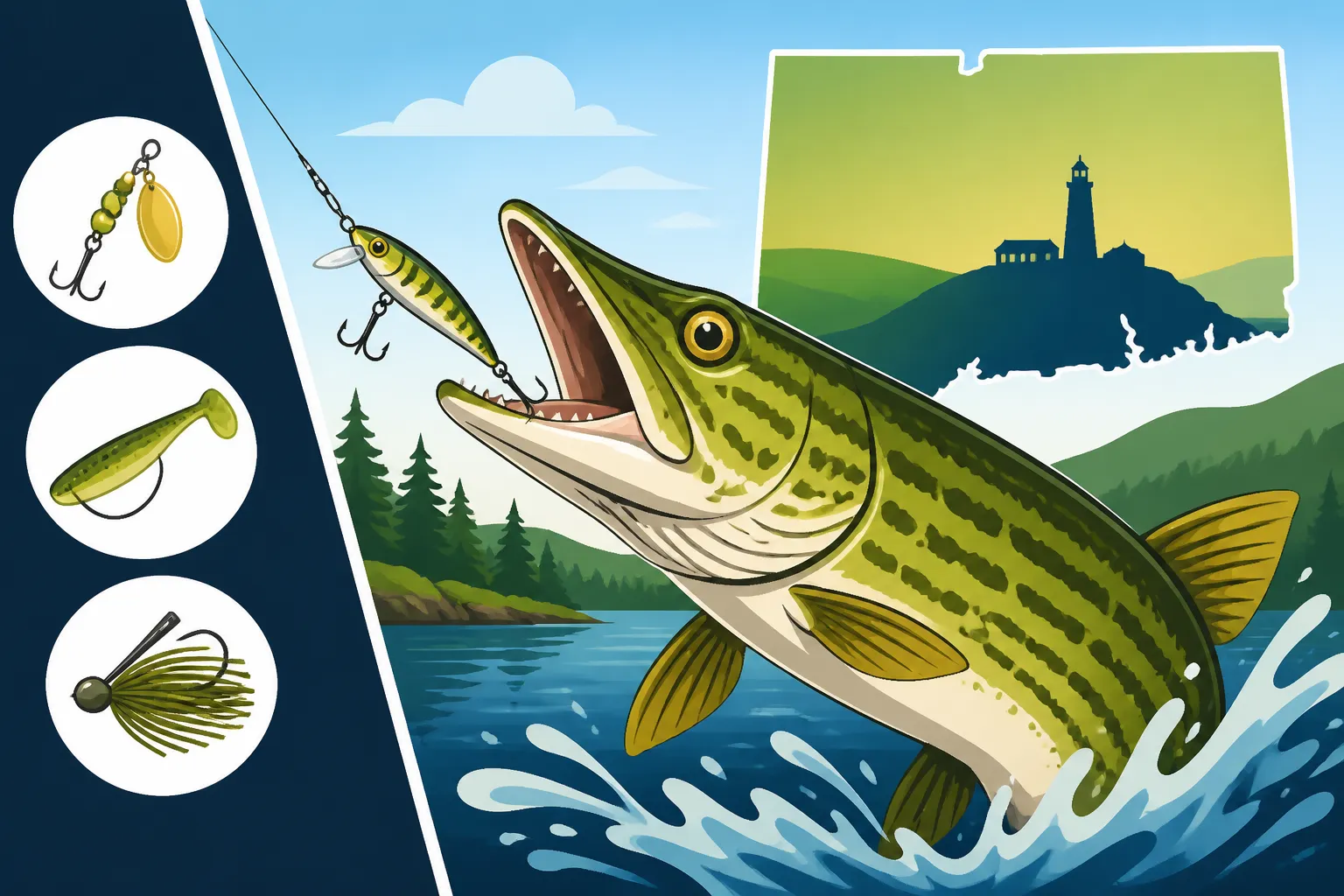
Chain pickerel, with their distinctive chain-like markings, are true ambush predators. They possess long, torpedo-shaped bodies and a mouth full of razor-sharp teeth, perfectly adapted for explosive, short-distance attacks. Unlike some species that actively chase down prey, pickerel prefer to lie in wait, concealed within dense vegetation or submerged structure, ready to pounce on unsuspecting baitfish or lures. This means that understanding their preferred hiding spots is paramount.
In Connecticut, you'll find them thriving in shallow, weedy areas of lakes, ponds, and slower-moving rivers. Think about places like Mashapaug Lake, Hopeville Pond, or even sections of the Quinebaug River with extensive lily pad fields and submerged grass. They love areas with a mix of cover and open water, which allows them to hide effectively and then burst out into a feeding lane. Water clarity isn't as critical for pickerel as it might be for some other fish; they're quite comfortable in stained or somewhat turbid waters as long as there's plenty of cover. They’re also less sensitive to warmer water temperatures than trout, making them a viable target throughout the warmer months. These fish are relatively hardy, making them a fantastic species for anglers looking for consistent action. For a deeper dive into their natural behaviors, you might want to check out our guide on Chain Pickerel Habits in Connecticut Ponds.
Identifying Prime Pickerel Waters
So, how do you pinpoint these prime pickerel havens? It largely comes down to scouting for the right kind of habitat. Look for shallow bays, coves, and shorelines that are choked with aquatic vegetation – think lily pads, cattails, submerged grass beds, and fallen timber. If you're fishing from a boat, your electronics can reveal these hidden underwater jungles, but often, the visual cues from shore are enough.
Many of Connecticut's state park ponds and smaller, often overlooked lakes are absolutely teeming with pickerel. These smaller bodies of water often have extensive shallow, weedy margins that are ideal for pickerel. For instance, ponds around Storrs or Torrington, though not always famous for trophy bass, can hold some incredible pickerel. Rivers with slow-moving sections and backwaters, especially those that form oxbows or wide, marshy areas, can also be pickerel hotspots. The key is finding that combination of ample cover, forage fish, and relatively shallow water. Don't be afraid to explore smaller, less pressured waters; sometimes, the best pickerel fishing is in your own backyard pond. When planning your trips, consulting resources like the Connecticut State Park Fishing Guide can point you to many publicly accessible waters that fit the bill.
Essential Gear for Targeting Chain Pickerel
While pickerel aren't typically "trophy" fish in the same way a massive striped bass might be, they still require appropriate gear. Their sharp teeth can make short work of improper line or tackle, and their explosive strikes can easily snap a fragile rod. Having the right setup will increase your hook-up ratio and, more importantly, help you land these feisty fish safely.
Rod, Reel, and Line Selection
For chain pickerel, a versatile and enjoyable setup involves a medium-light to medium power spinning rod, typically in the 6'6" to 7'6" range. This length offers excellent casting distance, which is often crucial for reaching those weed lines, and provides enough leverage to pull fish out of cover. A fast action tip is beneficial, as it allows for precise casting and quick hook sets, which you'll need when a pickerel engulfs a lure. Look for rods with a good backbone but a forgiving tip.
Pair this with a spinning reel in the 2500 to 3000 size range. This size reel offers a good balance of line capacity, drag power, and comfortable retrieve speed for working various lures. Brands like Penn or Shimano offer reliable options that won't break the bank. When it comes to line, you have a couple of good choices. Braided line, in the 10-20 lb test range, is highly recommended due to its zero stretch, sensitivity, and abrasion resistance. This is invaluable when fishing around heavy cover. If braid isn't your preference, a good quality monofilament line, around 8-12 lb test, can also work, though you'll need to be more mindful of abrasion. You can find excellent quality braided or monofilament lines on retailers like Amazon, ensuring you have strong, reliable line that stands up to the demands of pickerel fishing.
Terminal Tackle: Leaders and Hooks
This is where many anglers targeting pickerel make their biggest mistake: neglecting a leader. Those sharp teeth are designed to cut, and they will absolutely chew through monofilament or fluorocarbon mainlines in a flash. Therefore, a wire or heavy fluorocarbon leader is not just recommended, it's absolutely essential.
- Wire Leaders: Pre-made steel or titanium leaders are the most foolproof option. Look for leaders in the 6-12 inch length, rated for 15-30 lbs. They are virtually bite-proof and will save you countless lures and fish. Many come with swivels and snaps, making lure changes quick and easy. You can pick these up in multi-packs from your local tackle shop or conveniently order them from Amazon.
- Heavy Fluorocarbon Leaders: If you prefer the stealth of fluorocarbon, you'll need to step up significantly in pound test. A 40-60 lb test fluorocarbon leader, tied directly to your mainline with a strong knot like an Albright or surgeon's knot, can offer decent protection. However, even heavy fluoro can be compromised by repeated bites, so always check it thoroughly for nicks and abrasions after each fish.
- Hooks: When using live bait, a sharp, strong hook is critical. Circle hooks, in sizes 1/0 to 3/0, can be effective for reducing gut-hooking, especially if you plan to release the fish. For lures, ensure the treble hooks are sharp and robust. Pickerel have bony mouths, and dull hooks lead to missed opportunities. Consider upgrading stock treble hooks on cheaper lures if they feel flimsy.
Top Techniques for Chain Pickerel Fishing
Pickerel are not picky eaters, which is one of their most endearing qualities! They'll readily strike a wide variety of lures and baits. The key to consistent success lies in presentation and understanding where to present your offering.
Casting and Retrieving Lures
Lure fishing for chain pickerel is incredibly active and rewarding. The aggressive nature of these fish means they'll often hit lures with ferocity, creating exciting strikes.
- Spinnerbaits: These are arguably the quintessential pickerel lure. The flash and vibration of the blade, combined with the pulsating skirt, mimic a fleeing baitfish perfectly. Chartreuse, white, and yellow are classic colors that consistently produce. Cast spinnerbaits right up against weed lines, lily pads, or submerged logs, and retrieve them at a moderate, steady pace. You want the blade to be spinning, but not so fast that the lure blows out. Experiment with pausing the retrieve or adding a twitch to trigger strikes. They are particularly effective when pickerel are holding tight to cover, as the spinnerbait can often be retrieved through thinner weeds without snagging.
- Spoons: Classic metal spoons, like Johnson Silver Minnows or Daredevils, are also excellent choices. Their wobbling action is irresistible to pickerel. Gold, silver, and red/white patterns are go-to options. Cast spoons into pockets within weed beds or along their edges. A slow, steady retrieve works wonders, but don't hesitate to add a jerky retrieve or "flutter" them on the fall by pausing briefly, allowing the spoon to wobble enticingly. Spoons are especially good when trying to cover water and locate active fish.
- Jerkbaits/Stickbaits: For a more erratic presentation, suspending jerkbaits or floating stickbaits can be deadly. These lures imitate injured baitfish. Cast them near cover and retrieve with a series of jerks, pauses, and twitches. The pause is often when a pickerel will strike, as the lure hangs tantalizingly in the water column. Longer, slender profiles in natural baitfish colors or bright firetiger patterns are often very effective. The key is to make the lure look like an easy meal.
- Topwater Lures: During warmer months, especially at dawn or dusk, topwater lures like poppers, prop baits, or even hollow-bodied frogs can be incredibly exciting. Pickerel will erupt on these lures with a splash and a dash. Cast them over weed beds, allow them to sit for a moment, then work them with short twitches and pauses. The visual strike is exhilarating!
Live Bait Fishing for Pickerel
While lure fishing is exciting, sometimes live bait is just what it takes to tempt a finicky pickerel or to fish slower, deeper areas. This method is often more passive but can be highly effective, especially when pickerel are less active due to weather changes or cold fronts.
- Shiners and Minnows: Live shiners, often available at local bait shops, are by far the most popular and effective live bait for pickerel. Their natural swimming action is simply irresistible. Hook them lightly through the back, just behind the dorsal fin, or through both lips.
- Presentation: You can fish live shiners under a bobber, allowing them to swim naturally near weed edges or over submerged structure. Adjust the depth so the shiner is swimming just above the weeds. If you're fishing from a boat, you can slowly drift or troll them. Another highly effective method is to use a slip bobber rig, which allows you to fish deeper waters while still being able to cast easily. This setup ensures your bait stays in the strike zone longer. Always remember to use a wire leader when fishing live bait, as pickerel will engulf the bait, making direct contact with your line inevitable. If you are fishing a particular spot where you know pickerel hide, such as a fallen tree or a dense patch of lily pads, simply casting the shiner to the edge of this cover and letting it swim around can often elicit a strike.
Ice Fishing for Chain Pickerel
When the lakes and ponds of Connecticut freeze over, the chain pickerel don't go dormant; they remain active under the ice, offering fantastic opportunities for winter anglers. Ice fishing for pickerel is a tradition for many, and it can be incredibly productive if you know where and how to target them.
- Tip-Ups: These are the most popular and effective tools for ice fishing pickerel. Set up several tip-ups over known weed beds, drop-offs, or submerged structure. For a deeper understanding of this winter pursuit, our article on Best Techniques for Ice Fishing Pike offers valuable insights, many of which apply directly to pickerel. Use large shiners (3-6 inches) on a single treble hook or a large circle hook, often in sizes #4 to 1/0, tipped with a small split shot to keep the bait in the strike zone. Set your bait just above the weed tops or suspended in the water column. The flag goes up, and the excitement begins!
- Jigging: While tip-ups are primary, jigging can also catch active pickerel. Medium-sized jigging spoons (1/4 to 1/2 oz) or soft plastic swimbaits retrieved with an aggressive lift-and-drop motion can trigger strikes. Bright colors like chartreuse, orange, or white are often effective in the stained water under the ice. Always use a short wire or heavy fluorocarbon leader, even when jigging, to prevent bite-offs. Focus your jigging efforts around the same types of cover you'd target in open water – edges of weed beds, submerged brush, or areas where the bottom structure changes. Remember, pickerel are ambush predators, so don't be afraid to keep your jig close to potential hiding spots. If you're looking for more specific guidance on targeting these fish in colder conditions, our content on Best Techniques for Winter Pickerel could be a real help.
Seasonal Strategies for Success
Pickerel are available year-round in Connecticut, but their behavior and location can shift with the seasons. Adapting your approach to these changes is crucial for consistent success.
Spring and Summer Tactics
As the ice melts in spring, pickerel become incredibly active, recovering from winter and preparing for spawning. This is a fantastic time to target them, and the action often continues strong through the summer months.
- Spring: In early spring, look for pickerel in shallow, sun-warmed bays and coves. These areas are often the first to lose their ice and warm up, attracting baitfish and, consequently, hungry pickerel. Spinnerbaits, small crankbaits, and spoons are excellent choices. Retrieve them slowly, as the water is still cold, but don't be afraid to vary your retrieve with pauses. As the water warms, pickerel will move to slightly deeper edges of these shallow areas. For those curious about the official start to the open water season, our guide on Connecticut Spring Fishing Day and Opening Day Rules might offer helpful context.
- Summer: During the heat of summer, pickerel will often retreat deeper into the thickest cover available to find cooler water and ambush prey more effectively. Target dense lily pad fields, large submerged weed beds, and shaded areas created by overhanging trees or docks. Topwater lures at dawn and dusk can be explosive. During the day, switch to weedless presentations like hollow-bodied frogs or Texas-rigged soft plastics (though bass anglers usually use these, they can attract pickerel too!). Spinnerbaits and spoons worked just over the tops of weeds are also productive. They’ll also be found cruising the open edges of weed lines where they can dart out and grab baitfish. Patience is key when fishing these dense areas; sometimes, you need to make multiple casts to the same spot to draw a strike.
Fall and Winter Approaches
As the seasons change, so too do the strategies for pickerel fishing. Fall offers some of the most exciting action, while winter brings a unique challenge and reward through the ice.
- Fall: This is arguably the best time of year for targeting large, aggressive pickerel. As water temperatures cool, pickerel go on a feeding frenzy, bulking up for winter. They become less restricted to dense cover and will roam more widely, often holding on points, rock piles, and transitions between shallow and deep water. Larger spinnerbaits, crankbaits, and jerkbaits are highly effective. Focus on covering water quickly to find active fish. The cooler water also means they are often more willing to chase a lure, so faster retrieves can be productive. Think about fishing around the mouths of coves or along long points where baitfish might be congregating before moving to deeper winter haunts.
- Winter (Open Water): In parts of Connecticut where lakes or rivers don't fully freeze, or during milder winter days, open water pickerel fishing can still be productive. They will be much slower and more lethargic in colder water, so slow presentations are key. Think live shiners fished under a bobber or very slow-moving jigging spoons. Target deeper holes adjacent to weed beds or areas with dark bottoms that absorb sunlight. Don't expect aggressive strikes; often, it's just a subtle pull or the bobber slowly sinking. Patience is paramount, as is ensuring your bait is presented right in their face. While pike are a different species, some of the cold-water tactics discussed in Best Techniques for Ice Fishing Pike can cross over and offer insights into how these toothy predators behave in frigid conditions.
Advanced Tips and Conservation
Catching chain pickerel is one thing, but ensuring their survival and your safety is another. These fish have specific needs, and responsible angling practices are paramount, especially given their sharp dentistry.
Handling and Release Best Practices
Dealing with a chain pickerel, especially a larger one, requires a bit of caution due to their incredibly sharp teeth. A poorly handled pickerel can inflict a painful cut, and improper release can harm the fish.
- Tools are Your Friends: Always carry a pair of long-nosed pliers or, even better, a jaw spreader and hook removers. These tools allow you to safely remove hooks without putting your fingers anywhere near those teeth.
- The Gill Plate Grab: For safely handling a pickerel, grasp it firmly but gently by the lower jaw, turning it upside down if possible. This often calms the fish. With your other hand, you can secure it around the body. Alternatively, slide your hand underneath the gill plate, clamping down on the lower jaw from the outside, avoiding the sharp gill rakers. Never grip the fish by the eye sockets or squeeze its belly.
- Quick Release: Once the hook is removed, support the fish horizontally in the water, especially if it’s been a long fight. Gently move it back and forth to push water over its gills until it swims away strongly. Minimize its time out of the water, especially in warmer temperatures. If you're fishing with live bait, using circle hooks can significantly reduce the chances of gut-hooking, making for an easier and more successful release. For more on proper catch and release, especially for toothy species, you might want to look into Striped Bass Catch and Release Survival Tips – many principles apply broadly to predator fish.
Locating Pickerel in Challenging Conditions
Sometimes, pickerel seem to vanish. Whether it's post-cold front lethargy or unusually clear water, certain conditions can make them harder to locate. Here’s how to adapt.
- Post-Cold Front: After a cold front, pickerel, like many fish, often become less active and retreat to deeper, denser cover. Slow down your presentation significantly. Live bait fished slowly under a bobber or jigging spoons with long pauses can be effective. Focus on the thickest structure adjacent to drop-offs. They'll still be there, just less willing to chase.
- High Pressure/Clear Water: In clear water, pickerel can be warier. Use lighter leaders (still wire, but perhaps a thinner diameter), and more natural lure colors. Fish during low-light conditions (dawn, dusk, or overcast days) when they feel more secure. Long casts are crucial to avoid spooking them. In high-pressure systems, they may also hold tighter to cover, requiring more precise lure placement. You might need to cast your lure into very small openings in the weeds or work it painstakingly slowly along the edges to draw a strike.
- Windy Conditions: While tough to fish, windy conditions can sometimes turn pickerel on. The chop on the water surface breaks up light penetration, making fish feel more secure, and it can also concentrate baitfish. Focus on wind-blown banks or points where baitfish might be pushed. Use lures with good casting weight that can cut through the wind. Despite the challenge, a little wind can often kick off a pickerel bite.
Table: Popular Lures for Chain Pickerel
Here's a quick rundown of some go-to lures and their ideal conditions for targeting chain pickerel:
| Lure Type | Recommended Sizes / Weights | Key Colors | Ideal Conditions | Retrieve Style |
|---|---|---|---|---|
| Spinnerbaits | 1/4 – 1/2 oz | Chartreuse, White, Yellow, Firetiger | Weedy flats, lily pads, emergent vegetation | Moderate, steady; occasional twitch or pause |
| Jigging Spoons | 1/4 – 1/2 oz | Silver, Gold, White, Orange | Open water pockets, deeper weed edges, ice fishing | Lift-drop, fluttering fall, slow jigging |
| Jerkbaits | 3 – 5 inches | Silver/Blue, Perch, Firetiger | Weed edges, open water near cover | Jerk-jerk-pause, erratic retrieve |
| Topwater Poppers/Prop Baits | 2 – 4 inches | Frog, Shad, White, Black | Weedy shallows, dawn/dusk, overcast | Pop-pop-pause, slow & steady, subtle twitches |
| Weedless Spoons | 1/4 – 3/4 oz | Gold, Silver, Red/White | Thickest weeds, lily pads, heavy cover | Slow roll, flutter on fall, jig over cover |
| Live Shiners | 3 – 6 inches | N/A | Any condition, especially cold fronts or slow bite | Under a bobber, slow drift, stationary |
Disclaimer
Fishing regulations can change, and it's always your responsibility to stay informed. Before heading out, please consult the most current Connecticut Department of Energy and Environmental Protection (DEEP) fishing regulations. This guide is for informational purposes only and does not supersede official state regulations.