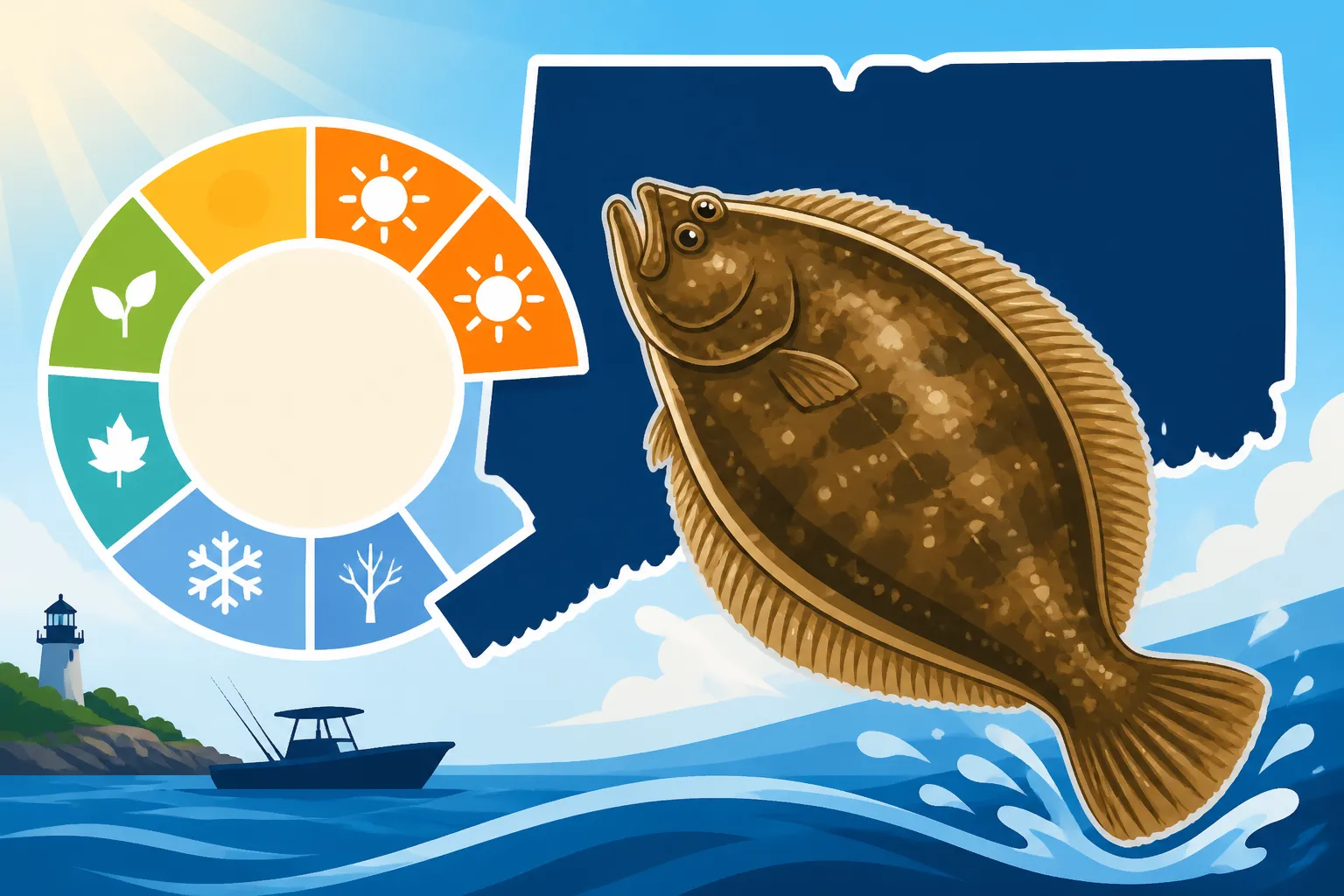
Best months to catch fluke in Connecticut
There's nothing quite as frustrating as heading out onto the beautiful Connecticut waters, hopeful for a day of fluke fishing, only to come up empty-handed because you simply missed their prime window. Knowing when to target these delicious flatfish can make all the difference between a disappointing trip and a cooler full of "doormats." This comprehensive guide will walk you through the best months to catch fluke in Connecticut, detailing not just the calendar dates but also the why and how behind their seasonal movements and feeding habits.
Understanding Fluke Season in Connecticut
Fluke, also known as summer flounder, are one of the most sought-after recreational fish in Connecticut's marine waters, particularly in Long Island Sound. Their season isn't just a matter of when they're present; it's intricately tied to their biology, migration, and most importantly, state regulations that dictate when you can legally target and keep them.
Official Regulations and Key Dates
Before you even think about dropping a line, it's absolutely crucial to familiarize yourself with the current Connecticut Fluke and Summer Flounder Regulations. These rules, set by the Connecticut Department of Energy and Environmental Protection (DEEP), aren't static. They can, and often do, change year to year based on stock assessments and regional management plans across the Atlantic coast. Typically, the season opens in late spring or early summer and runs through late fall. For example, in recent years, the season has often kicked off in late May or early June, extending well into September or even early October.
These regulations don't just specify opening and closing dates; they also include minimum size limits and daily creel (possession) limits. Catching a beautiful 18-inch fluke is exciting, but if the minimum size limit is 19 inches, that fish has to go back. This is why having a tape measure handy is just as important as your fishing rod. Always check the official Connecticut Fishing Guide or the DEEP website for the most up-to-date information before planning your trip. Failing to comply can lead to hefty fines and a ruined fishing day, which is the last thing any angler wants. These rules are in place to ensure a sustainable fishery for everyone, and understanding them is part of being a responsible angler.
The Fluke's Seasonal Migration Patterns
The life of a fluke in Connecticut waters is a migratory one, driven primarily by water temperature and the availability of bait. As the waters of Long Island Sound begin to warm in late spring, fluke start their journey from deeper, offshore wintering grounds into the shallower, inshore areas where they will spend the summer months. This migration typically begins in May and continues into June.
During this spring migration, they'll often be found in transitional areas: deeper channels, harbor mouths, and along the edges of shoals and rocky reefs that warm up first. They're on the move, looking for food and establishing their summer feeding territories. As summer progresses and inshore waters become consistently warm, they spread out into bays, estuaries, and shallower flats. This is when they become more accessible to shore anglers and those fishing from smaller boats. Come late summer and early fall, as water temperatures begin to drop, fluke reverse course. They start to move out of the shallow bays and head back towards deeper water in preparation for their offshore winter migration. This "fall run" can offer some of the best fishing opportunities for larger fish, often referred to as "doormats," as they feed aggressively to build up reserves for the colder months. Understanding these Fluke Habits in Long Island Sound is key to intercepting them at different times of the year.
The Peak Months for Fluke Fishing
While fluke can be caught throughout their regulated season, certain months consistently offer the best opportunities, whether you're looking for quantity or aiming for that trophy-sized "doormat."
Early Season Strategies Late Spring/Early Summer
When late May rolls around, and especially as June ushers in warmer days, the anticipation for fluke fishing really builds. This is the early season, and it's a fantastic time to get out there. The fish are just moving into the Sound in larger numbers, often hungry after their migration. You'll find them concentrating in certain areas that warm up faster or offer clear migration paths. Think about the entrances to major harbors, the deeper channels running into estuaries, and the edges of prominent structure or ledges. Places like the mouth of the Connecticut River or around the New Haven Harbor entrance can be prime real estate during this time.
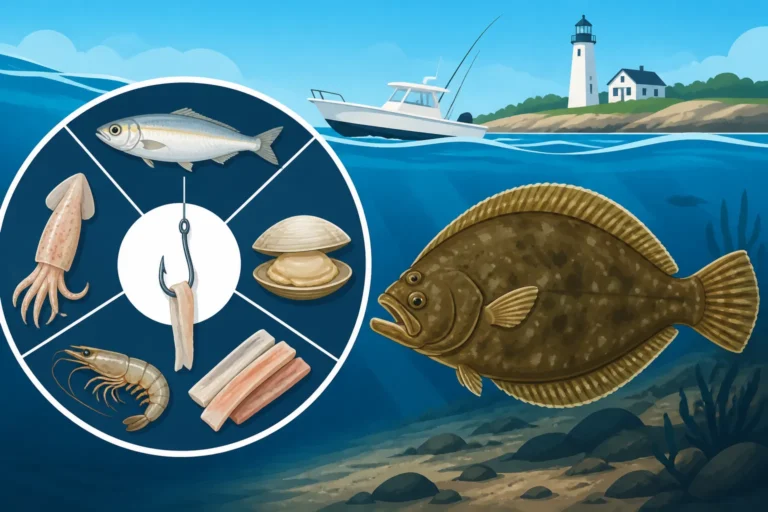
The water clarity can be a bit variable in the spring due to runoff, but as it settles, the fluke become more active. Anglers often find success by drifting with traditional fluke rigs, using baits like spearing, squid strips, or a combination of both. Many experienced anglers prefer a tandem rig with a bucktail jig on the bottom and a teaser hook above it. It's not uncommon to pick up some good-sized fish in this early push. Just remember that the numbers might not be as high as mid-summer, but the quality can be excellent. This is a great time to experiment with different baits and depths to pinpoint where the fish are holding after their journey.
Mid-Summer Hot Spots and Tactics
July and August are, for many, the quintessential months for Fluke Fishing in Long Island Sound. The water is warm, baitfish are abundant, and fluke are spread out across a wider range of habitats, from shallow sandy flats to deeper reefs. This is when the fishing can really heat up, and you often find good numbers of fish, making it a great time for family outings.
During mid-summer, fluke will be actively ambushing baitfish like spearing, sand eels, and juvenile scup. They'll set up shop on sandy bottoms adjacent to structure, along channel edges, and even on vast, open sandy plains where they can camouflage themselves and wait for an easy meal. Popular spots can be anywhere from the shallow flats around the Thimble Islands to the deeper stretches off the Niantic Bay. Drifting is still the most common and effective method. You want your bait or lure bouncing along the bottom, kicking up puffs of sand to attract their attention. Anglers often use longer leaders, lighter sinkers, and focus on slow, controlled drifts. The key is to cover ground and present your offering naturally. This is also a fantastic time to try out different bucktail jig colors and sizes, perhaps tipping them with a Gulp! artificial bait for added attraction. Amazon has a huge selection of Gulp! products and various bucktail jigs if you're looking to stock up.
Fall Fluke Run: Last Chances for Doormats
As September rolls in and the days begin to shorten, a special time for fluke fishing emerges: the fall run. This is arguably the best time to target truly large fluke – those elusive "doormats" that seasoned anglers dream of. As the water cools, fluke begin their migration back out to deeper, offshore waters. But before they make that long journey, they go on a feeding frenzy to pack on fat reserves.
During the fall run, fluke are often more aggressive and less finicky. They're trying to eat everything they can. You'll find them concentrated in deeper channels, around prominent reef systems, and along the edges of significant drop-offs in Long Island Sound. Areas with strong current and abundant baitfish are particularly productive. For instance, the deeper waters around the Watch Hill reefs or the intricate structure near Black Point can be absolute magnets for big fluke. This is when heavier bucktail jigs might come into play, especially when paired with a large strip of squid or a whole spearing. The fish are often schooled up, so once you find them, the action can be fast and furious. Don't be surprised if you hook into some truly impressive fish during this period. The fall run is your absolute best shot at catching a fluke that will make your buddies envious.
Here's a quick overview of fluke activity by month in Connecticut:
| Month | Fluke Activity & Location | Best Tactics | Typical Size Range | Notes |
|---|---|---|---|---|
| May | Sparse, entering inshore waters from offshore. Deeper channels. | Slow drifts, light tackle, small baits (squid, spearing). | 16-20 inches | Season often opens late May. Scout for fish. |
| June | Steady migration, spreading into bays and estuaries. | Traditional fluke rigs, bucktails, Gulp! | 17-22 inches | Consistent action begins. |
| July | Abundant, widespread across various depths. Peak season. | Drifting on sandy bottoms, channel edges, reefs. | 18-24 inches | Great numbers, accessible fishing. |
| August | Abundant, active feeders. Still widespread, but larger fish in deeper areas. | Focus on structure, deeper drifts, bigger baits. | 18-26 inches, "doormats" possible | Can be slower mid-day in hot weather. |
| Sept | Fall run begins, concentrating in deeper channels and reefs. | Aggressive jigging, larger baits, target structure. | 20-30+ inches ("doormats") | Best month for trophy fluke. |
| Oct | Lingering fish in deep water before offshore migration. | Deeper drifts, heavy jigs. | 20-28 inches | Season usually closes mid-month. |
Factors Influencing Fluke Success Beyond the Calendar
While knowing the general best months is essential, true fluke fishing success in Connecticut often comes down to understanding other environmental factors and refining your techniques. The fish don't always follow the calendar perfectly!
Water Temperature and Tidal Movements
Water temperature is the primary driver of fluke migration and feeding behavior. They prefer a range, generally from the mid-50s to the low 70s Fahrenheit. In spring, you're looking for that crucial warming trend that brings them in. In fall, a cooling trend triggers their offshore movement and aggressive feeding. Monitoring local water temperatures, especially using fish finders with temperature gauges, can give you a significant edge. You can find robust fish finders on Amazon that integrate temperature readings, helping you pinpoint ideal zones.
Beyond temperature, tidal movements are paramount. Fluke are ambush predators, and they use the current to their advantage. They'll typically face into the current, waiting for baitfish to be swept past them. This means that a moving tide is almost always better than a slack tide. However, the amount of current matters. Too strong a current, and it's hard to keep your bait on the bottom; too weak, and the bait isn't moving naturally. Many anglers find the period around the peak of the incoming or outgoing tide, when the current is moderate but steady, to be the most productive. Knowing the Best time to fish for fluke at slack tide (which is generally not the best time) means understanding why that current is so important.
Baitfish Availability and Forage
Fluke are opportunistic predators, and their diet directly influences where you'll find them and what baits will work best. Their primary forage in Long Island Sound includes sand eels, spearing (silversides), juvenile scup (porgies), and even small squid. When you're on the water, pay attention to signs of baitfish schools: diving birds, surface disturbances, or even marking bait on your fish finder. Where the bait is, the fluke often aren't far behind.
Matching the hatch, or at least presenting something that mimics their natural food, is a golden rule. If you see abundant spearing, using spearing as bait or a lure that imitates a spearing can be incredibly effective. Sometimes, a general offering like a strip of fresh squid or a Berkley Gulp! Swimming Mullet, which emits a strong scent and has enticing action, can draw strikes even when specific baitfish aren't obvious. Always have a variety of bait and lure options, as fluke preferences can change day-to-day.
Gear and Technique Considerations
Having the right gear and employing effective techniques can drastically improve your fluke catch rates. For typical Connecticut fluke fishing, a medium-light to medium-action spinning rod (7-8 feet) paired with a reel spooled with 15-20 lb braided line is a solid setup. Braided line offers excellent sensitivity, helping you feel even the subtle "thump" of a fluke, and its low stretch ensures solid hooksets. A fluorocarbon leader (20-30 lb test) is often tied to the braid, offering abrasion resistance against rocks and invisibility in clear water.
When it comes to rigs, the classic high-low rig with a bucktail jig on the bottom and a teaser hook a foot or two above is a perennial favorite. For Jigging for Fluke in Long Island Sound, varying your jig's weight (from 1/2 oz in shallow water to 3 oz in deeper, faster current) is crucial. Tipping your jigs with squid strips, spearing, or artificial baits like the ubiquitous Gulp! products is almost a necessity. Many anglers swear by a plain hook teaser with a Gulp! grub or shrimp as well. Experimenting with color – chartreuse, white, pink, or natural baitfish patterns – can make a difference. The most important technique is to ensure your bait or lure is making contact with the bottom regularly as you drift, creating those tempting puffs of sand that scream "easy meal" to a fluke. Mastering techniques for fluke drifting is key to consistent success.
Final Thoughts on Chasing Fluke in Connecticut
Successfully catching fluke in Connecticut is a rewarding experience, combining the thrill of the chase with the promise of delicious table fare. While the calendar provides a general roadmap, remember that May, June, July, August, and September are generally your strongest months. The early season sees them arriving, mid-summer finds them spread out and abundant, and the fall offers your best shot at those truly impressive "doormats."
But don't just rely on the month! Pay close attention to water temperature, tidal movements, and what baitfish are prevalent. Equip yourself with versatile gear, a good selection of baits, and be ready to adapt your techniques as conditions change. Whether you're a seasoned veteran or just starting your journey into Connecticut Saltwater Fishing Regulations by Species, the waters of Long Island Sound offer fantastic opportunities for fluke. Get out there, stay safe, and tight lines!
Disclaimer
The information provided in this guide is for general informational purposes only and is subject to change. Fishing regulations, season dates, and limits are set by the Connecticut Department of Energy and Environmental Protection (DEEP) and can be modified at any time. Always consult the most current official Connecticut Fishing Guide or the DEEP website before engaging in any fishing activity to ensure compliance with all applicable laws and regulations.