Fluke Habits in Long Island Sound
Oh, fluke! What a fascinating and often frustrating fish to target in Long Island Sound. If you've ever spent a day jigging and drifting, only to feel that subtle thump and then see nothing but sandy bottom on your retrieve, you know the struggle is real. These flatfish are masters of camouflage and can be incredibly finicky, but understanding their habits is the absolute key to finding success. This guide is all about peeling back the layers to reveal the mysterious life of the fluke, also known as summer flounder, right here in our Connecticut waters. We'll dive deep into where they live, what they eat, and how their behavior shifts with the seasons and tides, giving you the insights you need to land more of these delicious flatfish.
Understanding the Elusive Fluke
Before we can truly understand how to catch fluke, we need to understand who the fluke is. These fascinating flatfish are more than just a tasty meal; they're unique creatures with a distinct lifestyle that influences every aspect of successful fishing. Known officially as summer flounder, the common name "fluke" has stuck around, likely due to their flat, irregular shape and their tendency to "fluke" you out with a surprise bite or a missed hookset.
Identifying Summer Flounder
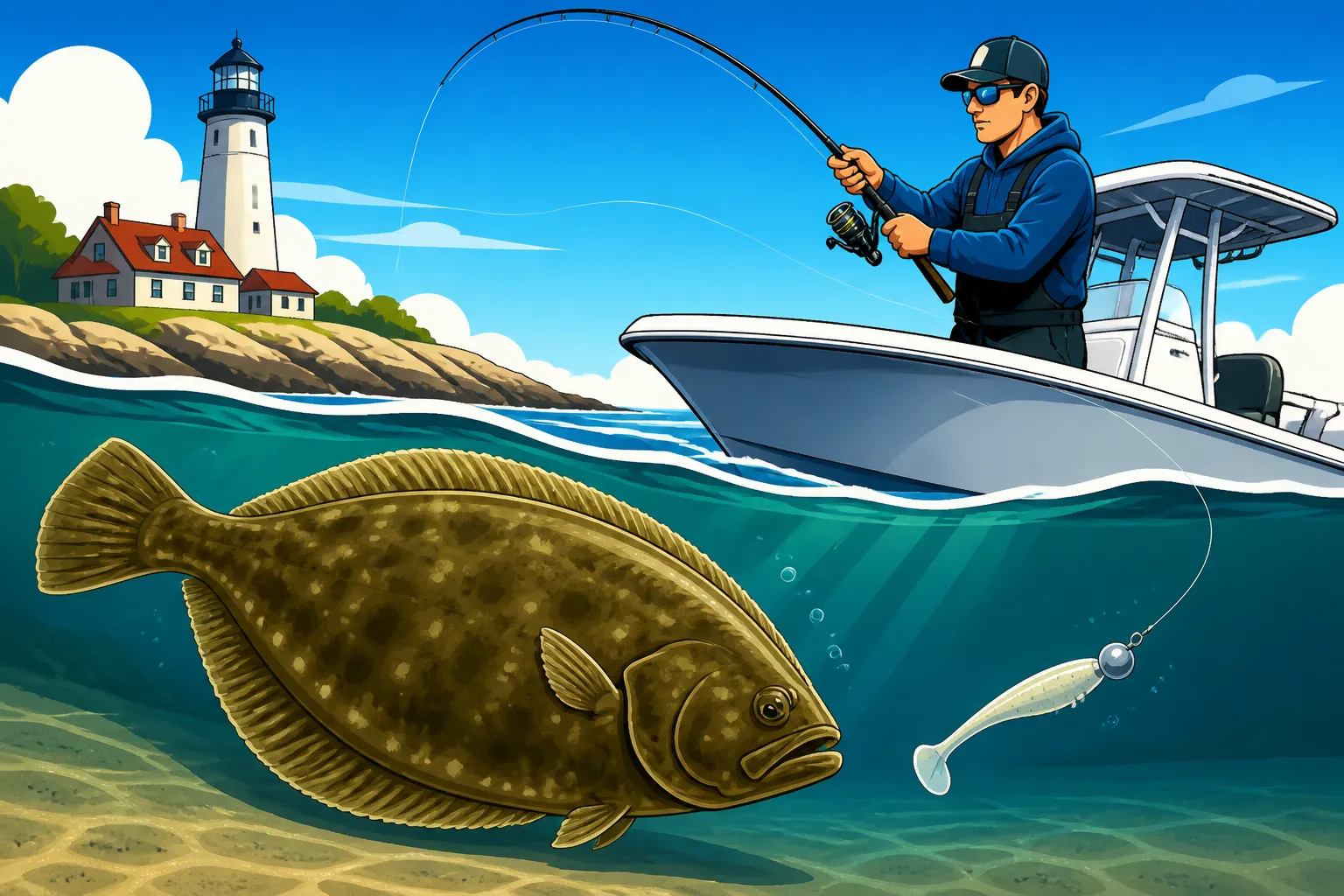
Spotting a fluke in the water can be incredibly difficult, which is precisely why they’re so good at what they do. They are masters of disguise, capable of changing their coloration to match the sand, mud, or gravel they rest on. However, there are some key features that distinguish them from other flatfish you might encounter in Long Island Sound. The most definitive characteristic is that fluke are "left-eyed" fish; if you hold one with its mouth facing away from you, both eyes will be on the left side of its head. This immediately sets them apart from winter flounder (blackbacks), which are typically right-eyed. Their body is generally elongated and oval, with a large mouth full of sharp, conical teeth – a clear indicator of their predatory nature. The lateral line, which runs along the side of the fish, makes a distinct arch over the pectoral fin, rather than running straight. You’ll also notice several distinct spots, often darker and irregularly shaped, scattered across their upper (darker) side. These aren't always super prominent, especially if they've just blended into a sandy bottom, but they are generally present.
Common Misconceptions and Nicknames
It's easy to get confused when talking about flatfish, especially with all the local nicknames floating around. Many anglers refer to them simply as "flounder," but that term encompasses a wide variety of species, some of which behave very differently from the summer flounder we target. For instance, winter flounder are a completely different species, preferring colder water and often found on muddy bottoms, unlike the fluke's preference for warmer water and more varied terrain. Another common mix-up can happen with dab or plaice, which are less common here but still part of the flatfish family. The key is to remember "fluke" almost always refers to summer flounder in our neck of the woods. Sometimes you’ll hear them called "doormats," a term reserved for the truly giant fluke that stretch out on the boat deck like a welcome mat. This nickname is a testament to the thrill of catching a really big one, a feat many anglers chase year after year. Understanding these distinctions helps not only with proper identification but also with discussing regulations, as Connecticut Fluke and Summer Flounder Regulations can differ significantly from other species.
Seasonal Movements and Migration Patterns
The life of a fluke in Long Island Sound is a journey, dictated by the changing seasons and the relentless pursuit of comfortable water temperatures and abundant food. They don't just stay in one place; they're constantly on the move, making their annual migrations a critical factor for any angler trying to find them.
Spring Migration into the Sound
As the waters of Long Island Sound begin to warm up after the long winter, typically around late April to May, the first vanguard of fluke starts to arrive. These are often the "scouts" and smaller fish, moving in from their deeper, offshore wintering grounds. They'll follow the warming water into the shallower coastal areas, bays, and estuaries, drawn by the increasing presence of baitfish. Initially, you might find them in the deeper sections of bays or near the mouths of rivers, where water temperatures rise more quickly due to freshwater runoff and shallower depths. As spring progresses and the entire Sound warms, more and more fluke will push into shallower habitats, sometimes as shallow as 10-20 feet, especially on sunny flats. This early spring period can be fantastic for targeting aggressive, hungry fluke that are eager to feed after their offshore migration. This is also when anglers start gearing up, looking for fresh hooks and leader material, perhaps checking out what's available on Amazon for early season preparations.
Summer Residency and Depth Preferences
By the peak of summer, generally from June through August, fluke have settled into their prime feeding grounds across Long Island Sound. During this time, you'll find them spread out over a wide range of depths, from relatively shallow flats and shoals to deeper channels, rips, and rocky structures. The exact depth depends heavily on water temperature, current, and food availability. On hot, sunny days, larger fluke might retreat to deeper, cooler water, often holding near structure or along channel edges where cooler water is pushed by the tides. Conversely, on cooler, overcast days or during prime feeding tides, they might move onto shallower flats to ambush baitfish. Understanding this fluid movement is crucial. For instance, in the early morning or late evening, they might be found shallower, while midday heat sends them deeper. The "dog days" of summer can sometimes be challenging, but understanding that fluke might just be in deeper, cooler water can lead to success. Learning Best months to catch fluke in Connecticut really means understanding their summer movements.
Fall Exodus to Offshore Waters
As autumn approaches and the water temperature in Long Island Sound begins its gradual decline, fluke sense the change and start their reverse migration. Typically beginning in September and continuing through October, they gradually move out of the shallower bays and estuaries, heading towards deeper water and eventually back to their offshore wintering grounds. This fall migration can be a fantastic time for trophy fluke, as many larger fish, having bulked up over the summer, are actively feeding before their long journey. They'll often stage in deeper channels, around prominent reefs, and along the edges of the continental shelf, making them a prime target for anglers with the right Best Fluke Charters on Long Island Sound or those able to navigate these deeper areas. The bite can be aggressive, as they gorge themselves for the winter ahead.
Preferred Habitats in Long Island Sound
Fluke are bottom dwellers and ambush predators, meaning their preferred habitat isn't just a place to live, but a strategic hunting ground. Long Island Sound offers a diverse seafloor, and fluke utilize a variety of features to their advantage.
Sandy and Muddy Bottoms
At their core, fluke are masters of camouflage on flat, open bottom. They often bury themselves partially in soft substrates like sand or mud, leaving only their eyes exposed, waiting for an unsuspecting meal to swim by. This means expansive sandy flats, often adjacent to channels or deeper water, are prime real estate. You’ll find them nestled right into the bottom, perfectly blending in, especially in areas with a mix of shell or gravel. Muddy bottoms, particularly those found in bays and estuaries, can also hold fluke, especially smaller ones or during cooler periods when they seek the thermal stability of mud. The key here is not just any flat bottom, but flat bottoms that offer easy access to deeper water and passing baitfish. When fishing these areas, you're essentially dragging your bait or lure right over their heads, hoping to annoy or entice them into striking.
Structure and Transition Zones
While they love flat bottoms, fluke are also drawn to structure – anything that breaks up the monotony of the seafloor. This includes natural features like rocky reefs, mussel beds, and underwater ledges, as well as man-made structures like wrecks, pilings, and bridge abutments. These structures provide cover, create current breaks, and often attract concentrations of baitfish, making them excellent ambush points. Think of a big rock pile on an otherwise flat bottom; fluke will lie in wait on the sandy perimeter, darting out to snatch prey that swims too close.
Transition zones are equally important. These are areas where one type of bottom abruptly changes to another – for example, a sandy flat meeting a rocky reef, or a muddy patch giving way to gravel. These interfaces are high-traffic areas for baitfish and offer fluke the best of both worlds: camouflage on one side, and ambush opportunities on the other. Fishing the edges of these zones, where your bait or lure sweeps from sand onto structure, is often incredibly productive. This is where a good sonar unit, perhaps one you researched on Amazon, really shines in identifying these subtle changes.
Channels, Rips, and Inlets
Moving water is a magnet for fluke, especially strong currents found in channels, rips, and inlets. These areas act like underwater highways, funneling baitfish and concentrating food sources. Fluke will position themselves strategically along the edges of these currents, often on the calmer, down-current side of a channel or rip line, where they expend less energy while still having easy access to passing prey.
- Channels: Deeper channels, particularly those that connect bays to the main Sound or meander through open water, are fantastic for larger fluke, especially during summer and fall. The deeper, cooler water provides refuge, and the currents bring food.
- Rips: Tidal rips, where strong currents meet obstructions or opposing currents, create turbulent water that disorients baitfish. Fluke will stack up in the calmer "lanes" adjacent to or just behind these rips, ready to pounce.
- Inlets: River mouths and coastal inlets are super highways for baitfish moving in and out with the tides. Fluke will lie in wait at the bottom, ambushing schools of spearing, silversides, or even juvenile bunker as they pass. Fishing these areas often requires heavier tackle to combat the strong currents, but the rewards can be substantial. Best fluke spots on Long Island Sound often revolve around these dynamic features.
Feeding Habits and Diet
Fluke are opportunistic and voracious predators. They’re not picky eaters, but they do have distinct hunting strategies and preferred prey, which directly informs the best bait and lure choices for anglers. Their large mouths and sharp teeth are a testament to their predatory lifestyle.
Ambush Predation Tactics
Unlike active hunters that chase prey over long distances, fluke are classic ambush predators. Their flattened bodies and superb camouflage allow them to lie perfectly still, often partially buried in the bottom, waiting for an unsuspecting meal to swim directly over them. When a target presents itself, they explode upwards with surprising speed, engulfing their prey with their large, toothy maw. This "lie and wait" strategy means that presenting your bait or lure right in their strike zone, often just above the bottom, is paramount. They’re not going to swim far to chase something down; it has to be presented almost directly to them. This is why drifting, whether with natural bait or artificial lures, is such an effective technique. You're covering ground, sweeping your offering across potential ambush points, and allowing the current to do some of the work, making your bait look natural to a hidden fluke.
Primary Forage Species
Fluke are generalists when it comes to diet, but certain baitfish and crustaceans form the bulk of their meals in Long Island Sound.
- Baitfish: Silversides, spearing, sand eels (also known as sand launce), juvenile scup (porgies), and juvenile bluefish are all high on a fluke's menu. Larger fluke aren't shy about eating bigger meals, including smaller bunker (menhaden) or even their own kind! This is why many successful fluke baits are designed to imitate these common forage fish.
- Crustaceans: Shrimp, crabs (especially small spider crabs or lady crabs), and squid are also important food sources. Fluke will readily slurp up a shrimp or crab drifting past, especially if they are in a more subdued feeding mood.
- Squid: Calamari is a staple in the fluke diet, and many anglers swear by strips of fresh squid, either fished alone or tipped onto a bucktail jig. The scent and texture are irresistible.
Understanding what fluke are primarily eating in a given area or time of year can significantly boost your success. Sometimes, they're keying in on tiny sand eels, other times on bigger spearing. Adapting your bait to match the hatch is a pro tip.
Bait Presentation for Fluke
Given their ambush tactics and varied diet, effective bait presentation is key. The goal is always to make your offering look as natural and appealing as possible, right in the fluke's strike zone.
- Natural Baits: Live bait, particularly spearing, silversides, or killifish, is often irresistible. Dead baits like strips of squid, sea robin, or mackerel also work wonderfully, especially when presented on a traditional fluke rig with a sinker. The key is to keep the bait just off the bottom, allowing it to flutter enticingly in the current. Best bait for fluke in deep channels will often involve larger, tougher baits that stay on the hook in strong currents.
- Artificial Lures: Bucktail jigs are arguably the most iconic fluke lure. Tipped with a strip of squid, Berkley Gulp!, or another soft plastic, they mimic baitfish or squid beautifully. Jigging them slowly along the bottom, imparting a lift-and-drop motion, can trigger aggressive strikes. Soft plastics, often fished on a jig head or a "fluke" rig (ironically named for the fish it catches, not its shape!), are also highly effective. Color choice can matter, with white, chartreuse, and pink often being top producers. Whether using natural bait or artificials, the retrieve should generally be slow, with occasional pauses and subtle movements to imitate a wounded or fleeing baitfish. Learning Jigging for Fluke in Long Island Sound is a skill that pays dividends.
Fluke Behavior by Water Temperature and Tide
Like all fish, fluke are ectothermic, meaning their body temperature (and thus their metabolism and activity level) is directly influenced by the surrounding water temperature. Coupled with the relentless ebb and flow of the tides, these environmental factors profoundly shape where fluke are found and how aggressively they feed.
Impact of Water Temperature on Activity
Water temperature is perhaps the single most critical factor dictating fluke behavior. They are "summer flounder" for a reason – they prefer warmer waters, generally becoming most active when temperatures are in the 55-70°F range.
- Cold Water (Below 50°F): In very cold water, typically in late fall, winter, and early spring, fluke are sluggish. Their metabolism slows down, and they become less active feeders. They'll retreat to deeper, more stable offshore waters to conserve energy. This is why targeting them early in the spring or late in the fall can be challenging, as their bite windows might be shorter and their strike zone smaller.
- Optimal Temperature (55-70°F): Within this range, fluke are in their prime. They are actively feeding, moving, and aggressive. This is when you'll find them spread out across a variety of habitats, from shallow flats to deep channels, and when they're most responsive to a wide range of presentations. This is the sweet spot for Fluke Fishing in Long Island Sound.
- Warm Water (Above 70°F): In the scorching heat of mid-summer, especially in shallow, enclosed bays, water temperatures can get too warm for comfort. While fluke can tolerate it, they often become less active and might seek refuge in deeper, cooler holes, near underwater springs, or where strong currents bring in slightly cooler offshore water. Their bite can become more subdued, requiring slower presentations and perhaps more natural, scent-based baits.
Anglers often pay close attention to water temperature gauges on their boats or use online resources. A sudden drop in temperature due, for example, to a cold upwelling, can turn a hot bite off instantly, and vice versa.
Tidal Influence on Feeding and Location
Tides are the heartbeat of Long Island Sound, and fluke synchronize their lives to its rhythm. The movement of water brings food, creates current breaks, and influences oxygen levels, all of which are crucial for a successful fluke hunt.
- Moving Water is Key: Fluke generally prefer moving water, whether it's an incoming or outgoing tide. The current dislodges baitfish, carries scent trails, and makes ambush predation more effective. During a strong tide, baitfish struggle against the current, making them easier targets for a waiting fluke.
- Slack Tide: Slack tide, the brief period between an incoming and outgoing tide when the water movement slows or stops, is often considered the slowest time for fluke fishing. Without current to present bait or disorient prey, fluke can become less active. However, sometimes larger fluke will move into different areas during slack, so it's not always a complete bust – just often requires a change in strategy, perhaps targeting deeper holes or very specific pieces of structure.
- Optimal Tidal Stages: Many experienced fluke anglers swear by specific tidal stages, which can vary depending on the location.
- First Half of Incoming/Outgoing: Often prime time. The current is picking up, bringing fresh bait and activating the fluke.
- Towards the End of a Tide: As the tide nears its peak or its lowest point, the current can be at its strongest, creating powerful rips and funneling bait. This can be excellent, especially in channels and inlets.
- Current Breaks and Eddy Lines: Fluke will strategically position themselves in "current breaks" or "eddy lines" – areas where the main current is disrupted by a piece of structure (like a rock, a wreck, or a point of land) creating a calmer pocket. They sit in the calmer water, expending minimal energy, while watching the conveyor belt of food flow past in the main current. This is a classic ambush strategy, and anglers who can identify and drift through these zones often find the most success. Understanding these complex interactions is what separates a good fluke angler from a great one, and is essential for navigating the Connecticut Saltwater Fishing Regulations by Species for fluke.
Spawning and Lifecycle
While much of an angler's focus is on catching fluke during their feeding stages, understanding their reproductive cycle and early life is fascinating and vital for appreciating their conservation. The journey from egg to adult is a complex one, involving extensive migrations and transformations.
Offshore Spawning Grounds
Unlike many fish that spawn in estuaries or nearshore waters, summer flounder undertake significant migrations to offshore waters to spawn. This typically occurs in the late fall and early winter, from around September through January, in the deeper waters of the continental shelf, often off the coasts of states further south like Virginia or North Carolina. Here, adult fluke release their eggs and milt into the open ocean. The specific cues for spawning, such as water temperature and day length, trigger this mass exodus from Long Island Sound. This offshore migration means that by the time winter sets in, the adult fluke have left our local waters for deeper, warmer, and more stable ocean conditions where their reproductive cycle can take place.
Larval and Juvenile Development
Once fertilized, the eggs are pelagic, meaning they float freely in the water column, drifting with ocean currents. After hatching, the larval fluke undergo a remarkable transformation. Initially, they hatch as symmetrical, free-swimming larvae, much like any other fish. However, as they develop, one eye migrates across the top of their head to the other side, and they gradually flatten out. This metamorphosis is truly one of nature's wonders, preparing them for their bottom-dwelling existence.
These tiny, transformed juveniles then begin a crucial journey back towards the coast. They're carried by currents, eventually settling into shallow, protected estuarine nurseries along the Atlantic coast, including those within and adjacent to Long Island Sound. Here, in the nutrient-rich, calmer waters of bays, coves, and tidal creeks, they feed on small crustaceans and grow rapidly, hiding from predators in the seagrass beds and muddy bottoms. This nursery habitat is incredibly important for their survival and the health of the entire fluke population. After spending their first year or so in these protected shallow areas, they eventually move into deeper estuarine waters and then, as they mature, out into Long Island Sound, joining the adult population that anglers target. This complete lifecycle, from offshore spawning to estuarine nurseries and back to the Sound, highlights the interconnectedness of our marine ecosystems.
Best Practices for Targeting Fluke
Now that we've delved into the habits of fluke, let's talk about putting that knowledge into action. Successfully targeting these flatfish involves a combination of understanding their preferences and employing the right techniques. It’s not just about dropping a line; it’s about presenting an irresistible offer in the right place at the right time.
Gear and Tackle Considerations
Having the appropriate gear can make a huge difference in your fluke fishing success. You don’t need to break the bank, but investing in a few key items will certainly pay off.
- Rods and Reels: A medium to medium-heavy spinning or conventional rod, usually in the 6'6" to 7'6" range, is ideal. It should have a sensitive tip for detecting those subtle fluke bites, yet enough backbone to handle a larger "doormat" and the necessary sinker weight in current. Pair it with a reel spooled with 20-30 lb braided line, which offers superior sensitivity and strength compared to monofilament. The lack of stretch in braid means you'll feel every tap and bump on the bottom.
- Terminal Tackle: This is where you connect directly with the fluke. A good supply of sinkers (bank or pyramid style) in various weights (from 1 oz up to 6 oz or more, depending on current and depth) is essential. For leaders, fluorocarbon in the 20-30 lb range is preferred for its invisibility and abrasion resistance. Hooks should be sharp and strong, typically Kahle or wide-gap octopus hooks in sizes 2/0 to 4/0. Pre-tied fluke rigs, often available in tackle shops or on Amazon, are convenient and effective, designed to keep your bait fluttering just off the bottom. Best rig for bottom fishing for fluke often involves a high-low setup or a single snelled hook rig.
- Nets and Measuring Devices: Don't forget a sturdy net with a rubberized mesh (better for the fish and less prone to tangles) for landing larger fluke. Also, always carry a measuring device to ensure your catch meets legal size requirements, as Fluke and Summer Flounder Regulations strictly govern retention.
Optimal Fishing Techniques
The most effective techniques for fluke fishing hinge on presenting your bait or lure near the bottom, where fluke are ambushing their prey.
- Drifting with Bait: This is perhaps the most classic and widely successful method. You allow your boat to drift with the tide or wind, dragging your baited rig along the bottom. The key is to use enough sinker weight to maintain consistent bottom contact, but not so much that it's just plowing through the mud. You want your bait to flutter and move naturally. This technique allows you to cover a lot of ground, sweeping your bait across various ambush points like transition zones, channel edges, and subtle depressions.
- Jigging: Bucktail jigs are incredibly versatile. Cast them out, let them sink to the bottom, and then retrieve with a series of lifts and drops, mimicking a wounded baitfish or scuttling crustacean. The lift should be fairly sharp, then allow the jig to fall back to the bottom on a semi-slack line. Most bites happen on the fall. Tipping your jig with a strip of squid or a Gulp! soft plastic often enhances its appeal by adding scent and bulk. Jigging for Fluke in Long Island Sound requires a feel for the bottom and a rhythm that entices strikes.
- Trolling: While less common for recreational anglers specifically targeting fluke, trolling can be effective, particularly in areas with consistent depths or along channel edges. Small bucktails or rigged baits can be trolled slowly, again maintaining bottom contact. This method is often used to locate schools of fluke before switching to drifting or jigging.
- Kayaking and Shore Fishing: For those without a boat, kayak fishing can be incredibly effective for fluke, allowing access to shallower flats and river mouths. Shore anglers can target fluke from jetties, piers, and beaches, especially those with good current flow and access to deeper water. Casting bucktails or bait rigs from shore and slowly retrieving can draw strikes.
Fluke Fishing in the Broader Connecticut Context
Fluke fishing in Long Island Sound doesn't exist in a vacuum; it's part of the larger, vibrant fishing scene in Connecticut. Understanding how fluke fit into this broader picture, from regulations to popular spots, can enhance your overall experience.
Popular Fluke Spots in Long Island Sound
Long Island Sound offers a plethora of prime fluke real estate, but some areas consistently produce better than others due to their unique bottom structure, current, and baitfish concentrations. While specific "secret spots" are often closely guarded, general areas are well-known producers.
- The Race and Eastern Sound: The strong currents and deeper water around The Race, Plum Gut, and Fishers Island create powerful rips and funnels for baitfish, attracting large fluke. This area is known for trophy-sized fish but demands heavier tackle and experienced boat handling.
- Central Sound Reefs and Channels: Areas like the buoy lines off Clinton, Westbrook, and Old Saybrook, as well as the numerous unnamed reefs and channels in the central Sound, are perennial favorites. These spots offer a mix of sandy patches, rocky outcrops, and varying depths.
- Western Sound Bays and Inlets: Norwalk, Bridgeport, and Stamford harbors, along with their adjacent bays and numerous small islands, provide shallower, protected areas that are excellent for fluke, especially smaller to medium-sized fish and during the spring migration. The mouths of rivers like the Housatonic also produce.
- River Mouths: The Connecticut River mouth, for example, is a fantastic spot for fluke as they move in and out of the river with the tides, ambushing baitfish. Understanding Best fluke spots on Long Island Sound often means recognizing these ecological hotspots.
Integrating with Other Fisheries and Regulations
Fluke fishing often coincides with opportunities for other popular saltwater species in Connecticut.
- Multi-Species Days: It's not uncommon to catch scup (porgies), sea bass, or even bluefish while targeting fluke, especially when drifting over mixed bottom. These species share similar habitats and often key in on the same baitfish. This can make for exciting multi-species days, keeping the rods bent even if the fluke are being finicky. Just be sure you're aware of Connecticut Saltwater Fishing Regulations by Species for everything you catch.
- Seasonal Overlaps: The fluke season overlaps significantly with the seasons for striped bass and bluefish. Many anglers will target stripers or blues during prime low-light hours and then switch to fluke during the day, maximizing their time on the water.
- Conservation and Best Practices: Adhering to Connecticut Fluke and Summer Flounder Regulations, including size and bag limits, is crucial for the health of the fishery. Practicing careful catch and release, especially for larger breeding females, helps ensure future generations of fluke. Using circle hooks can also reduce mortality for released fish when bait fishing. This kind of mindful angling is vital for maintaining the rich fishing opportunities we enjoy in Connecticut. You can always check the latest regulations in the Reading the Connecticut Fishing Guide.
Here’s a quick overview of how fluke habits change throughout the seasons:
| Season | Typical Depth Range | Preferred Habitat | Dominant Forage | Activity Level | Key Behavior |
|---|---|---|---|---|---|
| Spring | 10-40 feet (shallow first) | Bays, estuaries, river mouths, shallow flats | Sand eels, silversides, spearing | Increasing | Migrating inshore, feeding actively after winter |
| Summer | 20-80 feet (variable) | Channels, rips, reefs, transition zones, deeper flats | Squid, larger baitfish (scup, juvenile bluefish), crabs | High | Dispersed, seeking cooler water on hot days |
| Fall | 40-100+ feet (deeper gradually) | Deep channels, offshore reefs, continental shelf | Larger baitfish (bunker, mackerel), squid | High | Migrating offshore, feeding heavily for winter |
| Winter | 100-300+ feet (offshore) | Offshore continental shelf | Deepwater crustaceans, small fish | Low | Spawning, largely inactive |
Remember, these are general guidelines, and fluke can be found outside these ranges depending on specific conditions. Always pay attention to your local conditions, water temperature, and bait presence.
Disclaimer
This article is for general informational purposes only and does not constitute professional advice. Laws, prices and regulations vary by location and change over time. Consult a qualified professional for guidance on your specific situation.