Best technique for ice fishing pike
There's nothing quite like the thrill of seeing that flag fly on a tip-up, signaling a hungry pike below the ice. But if you've ever spent a chilly morning staring at a blank sheet of white, wondering where the fish are, you know the frustration. Targeting Northern Pike through the ice in Connecticut can be incredibly rewarding, but it requires a specific approach. This guide is all about giving you the best techniques for ice fishing pike, so you can increase your chances of success and enjoy those cold-weather adventures on the frozen waters of our beautiful state.
Understanding Northern Pike in Connecticut's Icy Waters
Northern Pike are a fantastic game fish to target during Connecticut's ice fishing season. They're aggressive, grow to impressive sizes, and offer a real challenge. But to consistently catch them, you need to understand their behavior when the lakes and ponds freeze over. They don't just disappear; they simply adjust their patterns to the colder, darker environment.
Pike Habitat Preferences Under the Ice
When the ice forms, pike often gravitate towards areas that offer them both ambush points and access to their preferred forage. Think about what a pike likes in open water: weed beds, submerged timber, drop-offs, and structures. These same features are critical under the ice. Pike are ambush predators, and thick weeds, especially the green patches that retain oxygen longer, are prime real estate. They'll lurk on the edges of these weed lines, waiting for unsuspecting baitfish to swim by.
You'll often find them in shallower bays or flats that still have some green vegetation, particularly early in the ice season. As winter progresses and oxygen levels drop in shallower, dense weeds, pike might shift slightly deeper, towards the deeper edges of those weed lines or near abrupt drop-offs where the bottom falls away quickly. These deeper areas can offer slightly warmer, more stable water temperatures and better oxygen. Look for transition zones – where a shallow flat meets a deep basin, or where a rocky point extends into a weed bed. These are natural highways for baitfish, and thus, prime hunting grounds for pike.
Ideal Ice Fishing Conditions for Pike
Pike can be caught throughout the ice fishing season, but certain conditions can certainly improve your odds. Overcast days are often fantastic for pike, as the reduced light penetration makes them feel more comfortable moving into shallower water to feed. While they will bite on bright, sunny days, sometimes those low-light conditions make them more active. Similarly, stable weather patterns, particularly a few days of consistent cold temperatures without drastic pressure changes, tend to be more productive. A sudden warm front can sometimes shut them down, or at least change their feeding behavior drastically.
When we talk about the best time to hit the ice, early morning and late afternoon are often peak feeding times for many species, including pike. However, pike are opportunistic and can strike at any point during the day. It's not uncommon to have a hot bite in the middle of the day, especially if you're over an active feeding zone. Paying attention to your surroundings, like what other anglers are doing and where they're having success, can provide valuable clues. Don't be afraid to move around and drill new holes if your initial spots aren't producing. Remember, persistence pays off, especially when dealing with these toothy predators.
Assembling Your Pike Ice Fishing Arsenal
Having the right gear isn't just about comfort; it's about efficiency and safety. Pike can be powerful fish, and the harsh winter conditions demand specific equipment. Don't skimp on essentials, and always prioritize safety on the ice.
Rods, Reels, and Line for Pike
When it comes to ice fishing rods for pike, you're looking for something with a bit more backbone than your typical panfish setup. A medium-heavy to heavy power rod, usually in the 30-40 inch range, is ideal. This provides the leverage needed to fight a strong pike, especially if it decides to make a run under the ice. Graphite composite rods are a popular choice as they offer a good balance of sensitivity and strength, and they hold up well in cold temperatures. Many anglers find excellent ice fishing rods on sites like Amazon, often bundled with reels.
For reels, a sturdy spinning reel in the 2000-4000 series size is a good match. It needs to have a smooth drag system, which is crucial for handling those sudden, powerful surges a pike can make. Cold weather can be tough on reels, so look for models known for their durability and smooth operation in sub-freezing temperatures.
Line choice is perhaps one of the most debated topics among anglers. For pike, you'll want something strong and abrasion-resistant. Braided line in the 20-30 lb test range is a popular choice for its strength and minimal stretch, which helps with hook sets. However, braid can freeze to your reel or guides, so many anglers will use a fluorocarbon or monofilament leader. A 15-25 lb test fluorocarbon leader is excellent, as it's nearly invisible underwater and highly abrasion-resistant against those sharp pike teeth. Alternatively, some anglers prefer to spool up with a high-quality monofilament or fluorocarbon main line in the 10-20 lb test range. The key is to match your line to the potential size of the fish and the clarity of the water.
Essential Tools and Safety Equipment
Beyond your rod and reel, several other pieces of equipment are absolutely essential for a successful and safe pike ice fishing trip in Connecticut. First up, an ice auger. Pike fishing often involves drilling a number of holes to cover different depths and structures, so a good auger is critical. A 6-inch or 8-inch hand auger will work, but a power auger (gas or electric) will make your life a lot easier, especially if you plan on covering a lot of ground or if the ice is particularly thick. You can find robust electric augers and replacement blades readily available online through retailers such as Amazon, ensuring you're ready for any ice thickness.
Next, you'll need tip-ups. These are quintessential for pike fishing, allowing you to cover multiple holes simultaneously and detect subtle bites. We'll delve into their use shortly. A sled or portable shelter is invaluable for transporting your gear and providing protection from the wind and cold. An insulated shelter can make a world of difference on a bitter Connecticut day, and some models even have built-in seating for added comfort.
Safety gear cannot be overstated. Ice picks, worn around your neck, are non-negotiable. If you happen to fall through, these can be life-saving tools to help you pull yourself back onto the ice. A spud bar is also crucial for testing ice thickness as you move across the frozen surface. Always check the current conditions and remember the importance of knowing "How thick ice needs to be to fish safely in Connecticut". Other safety items include a fully charged cell phone, a first-aid kit, and a whistle to signal for help. Don't forget proper winter clothing, including layers, waterproof boots, and good gloves or mittens. And for those bringing a shanty, make sure you understand the local Connecticut Ice Shanty Registration Rules.
| Gear Category | Recommended Item | Key Feature for Pike |
|---|---|---|
| Rods | Medium-Heavy to Heavy Ice Rod (30-40 inches) | Backbone for strong fights |
| Reels | Spinning Reel (2000-4000 series) | Smooth drag, cold-weather durability |
| Line | 20-30lb Braided Main Line + 15-25lb Fluorocarbon Leader | Strength, abrasion resistance, low visibility |
| Auger | 8-inch Power Auger (Gas or Electric) | Efficient hole drilling for exploration |
| Indicators | Tip-ups (multiple) | Cover more water, visual bite indication |
| Terminal | Steel Leaders (8-12 inch), Treble Hooks (Size 2-4) | Prevent bite-offs, secure hooksets |
| Bait | Live Shiners, Suckers (various sizes) | Natural presentation, irresistible scent |
| Tools | Pliers, Filet Knife, Depth Finder | Handling fish, processing catch, locating depth |
| Safety | Ice Picks, Spud Bar, Life Jacket | Self-rescue, ice testing, flotation |
Strategic Setups: Mastering Pike Ice Fishing Techniques
Now that you're geared up, let's talk about the specific techniques that put pike on the ice. It's usually a combination of passive and active methods, designed to cover water and entice these predatory fish.
The Art of the Tip-Up
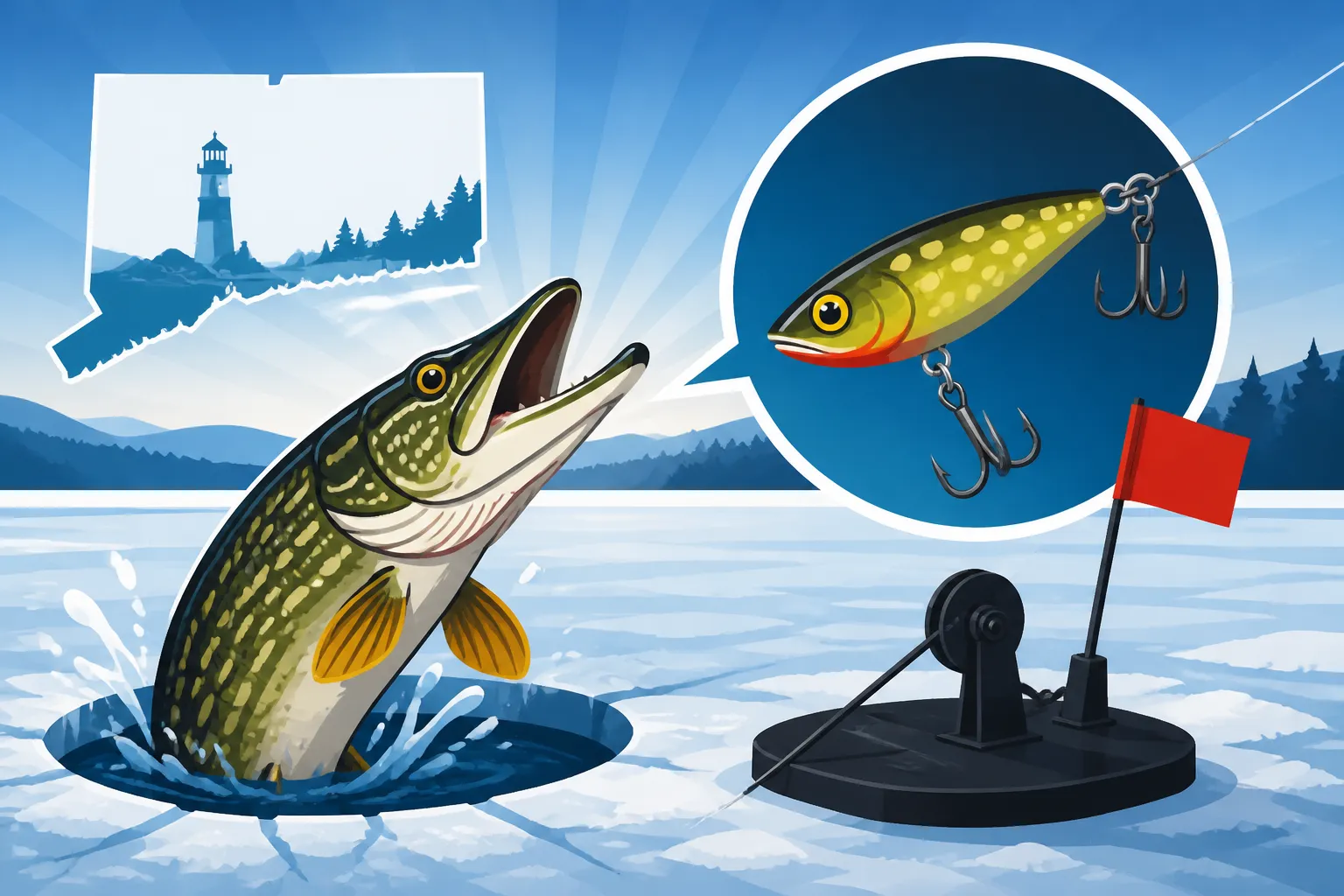
Tip-ups are the bread and butter of pike ice fishing, allowing you to strategically place multiple baits across a larger area. The basic premise is simple: a spool of line is submerged, and when a fish takes the bait, it pulls the line, releasing a flag that springs up to signal a bite.
Setting up your tip-ups effectively is crucial. Start by drilling a series of holes, typically spread out 20-50 feet apart, covering different depths and sections of a weed line or drop-off. For example, you might place one tip-up right on the edge of a shallow weed flat, another in slightly deeper water along the break, and a third over the basin just off the break. This allows you to "pattern" the fish, seeing where they are most active.
Use a simple rig: a quality 8-12 inch steel or heavy fluorocarbon leader (pike have razor-sharp teeth!), a small swivel, and a treble hook (size 2-4 is a common choice). Attach a live baitfish, such as a large shiner or sucker, through the back just in front of the dorsal fin, or through both lips. The goal is to keep the baitfish lively and swimming naturally. Position your bait at various depths. Sometimes pike are cruising just under the ice; other times, they're hugging the bottom. Try suspending baits at different depths – a foot or two under the ice, halfway down, or just off the bottom. Remember to adjust your spread and depth based on any activity you see or hear about. You can find a wide variety of tip-ups, from classic wood models to modern thermal ones, easily accessible on sites like Amazon.
When that flag flies, resist the urge to immediately run to it and set the hook. Pike often "mouth" the bait first, swimming off a short distance before turning it to swallow. Give them a few seconds, letting them run with the bait. Once the line is steadily peeling off the spool, indicating the fish has fully committed, then slowly pick up the line, feel the weight of the fish, and set the hook with a firm, sweeping motion. Be prepared for a strong fight! This is where your medium-heavy rod and good drag on the reel come into play.
Active Jigging for Pike
While tip-ups are passive, active jigging can also be very effective for pike, especially if you want to target specific areas or explore new ones. Jigging allows you to work a lure, creating action and vibration that can attract curious or hungry pike.
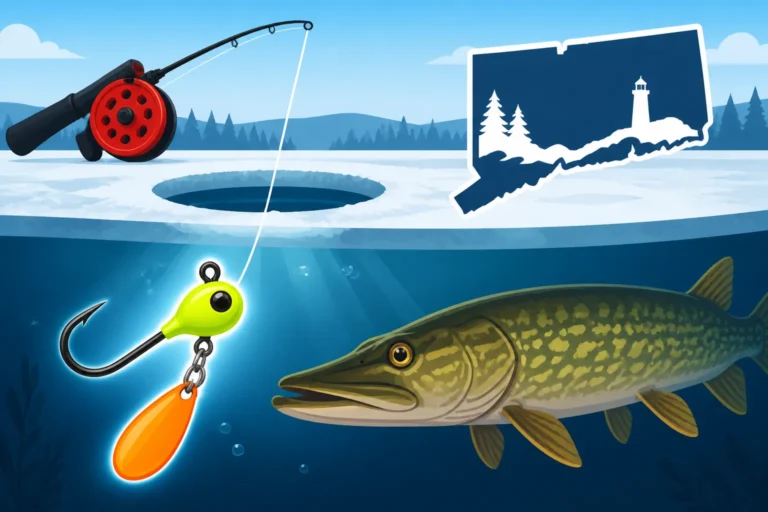
For jigging pike, you'll want a medium-heavy to heavy power jigging rod. Large spoons, blade baits, and soft plastic swimbaits rigged on heavy jig heads are excellent choices. Popular spoon colors include silver, gold, chartreuse, and perch patterns. When jigging, drop your lure to the desired depth (often just above a weed bed or near the bottom) and work it with an aggressive lift-and-drop motion. Experiment with the cadence – sometimes a series of sharp jerks followed by a pause works best, other times a slower, more sweeping lift is key.
You might also try a dead stick rod with a live minnow alongside your jigging rod. This gives you both an active and passive presentation in close proximity. The action of your jigging can sometimes attract a pike that then decides to take the stationary live bait. Always remember that Connecticut Fishing Regulations Explained include limits on the number of lines you can have in the water, so be sure to check those before deploying multiple setups. It's all about finding what triggers a strike on a given day, and active jigging allows you to continuously experiment.
Bait Selection and Presentation
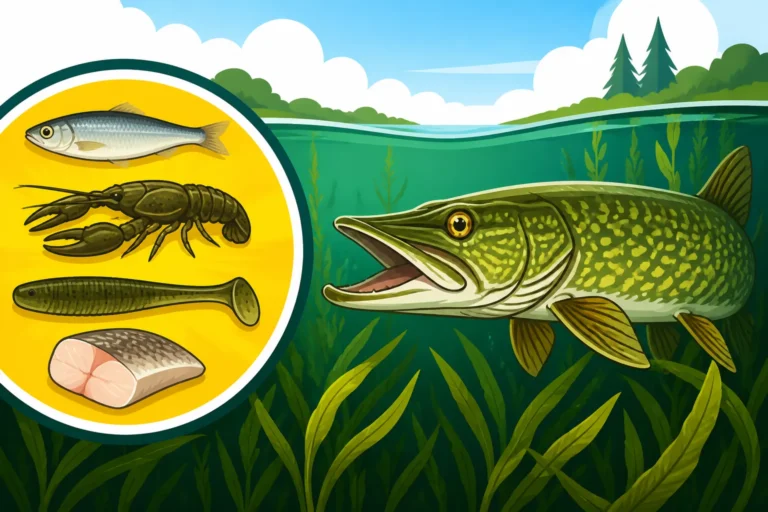
The right bait is paramount when targeting pike through the ice. Live bait is overwhelmingly the most popular and often most effective choice. Large shiners, suckers, golden shiners, and even small panfish (where legal) are excellent. The key is to use lively bait that is big enough to attract a pike but not so big that a pike can't easily swallow it. Baitfish in the 4-8 inch range are a good starting point.
When presenting live bait on a tip-up, ensure it can swim freely and naturally. Avoid hooking it in a way that restricts its movement. If you're using baitfish that tend to be sluggish, try adding a small split shot a foot or two above the hook to keep them in the strike zone. Sometimes a frisky baitfish, even if it's smaller, will outperform a larger, lethargic one.
For jigging, consider scent. Adding a scent attractant to your spoons or soft plastics can sometimes make a difference, especially in stained water or during slower bites. Artificial lures that mimic common forage species in Connecticut lakes, such as perch or trout, can also be highly effective. Understanding what "Northern Pike Waters in Connecticut" hold in terms of forage can inform your bait selection. Ultimately, a combination of natural presentation for live bait and enticing action for artificials will maximize your chances.
Safety First: Staying Safe on the Frozen Waters
While the thrill of ice fishing for pike is undeniable, safety must always be your top priority. Connecticut's winters can be unpredictable, and ice conditions can change rapidly. Don't let excitement overshadow common sense.
Assessing Ice Conditions and Thickness
Never assume the ice is safe. Always begin by checking the ice thickness as soon as you step onto it, using a spud bar or auger. Continuously check as you move across the water. Ice thickness can vary dramatically even on the same body of water due to currents, springs, underwater structures, and sun exposure. A good rule of thumb is at least 4 inches of clear, solid ice for walking and ice fishing. For groups or snowmobiles, much more is required. Be especially wary near inlets, outlets, bridges, and aerated areas, as these spots often have thinner ice.
Keep an eye on the weather forecast. A sudden warm spell can significantly degrade ice quality, turning solid ice into rotten, honeycombed ice that can give way without warning. Even prolonged cold snaps can be dangerous if there's heavy snow cover, which insulates the ice and can prevent it from thickening further. Always err on the side of caution. Consider looking up official ice safety guidelines provided by the state to understand crucial information like How thick ice needs to be to fish safely in Connecticut.
Essential Cold Weather Survival Tips
Dressing in layers is key to staying warm and dry on the ice. Start with a moisture-wicking base layer, add insulating middle layers (fleece or down), and finish with a waterproof and windproof outer shell. This allows you to adjust your clothing as your activity level or the weather changes. Always wear a hat and gloves, as a significant amount of body heat is lost through your head and extremities.
Bring plenty of warm fluids in a thermos, like hot coffee, tea, or cocoa. Stay hydrated, even in cold weather. Pack high-energy snacks to keep your metabolism going and help your body generate heat. If you're using an ice shanty, ensure it's properly ventilated, especially if you're using a propane heater, to prevent carbon monoxide buildup.
Inform someone of your plans before you go out. Let them know where you're going, when you expect to be back, and who you're with. If possible, fish with a buddy. There's safety in numbers, and a friend can offer help in an emergency. Beyond your personal safety gear like ice picks and a spud bar, consider wearing a flotation suit or even a lightweight Life Jacket Requirements for Connecticut Boaters – it might seem overkill, but it could save your life if you were to break through.
Finally, be aware of the Connecticut Fishing Season Dates and Closures to ensure you're fishing legally and responsibly. Respect other anglers, clean up your fishing area, and pack out everything you pack in. By combining good technique with a strong commitment to safety, your ice fishing adventures in Connecticut will be both successful and memorable.
Disclaimer
This article is for general informational purposes only and does not constitute professional advice. Laws, prices and regulations vary by location and change over time. Consult a qualified professional for guidance on your specific situation.