How thick ice needs to be to fish safely in Connecticut
The thrill of ice fishing in Connecticut is something truly special, a unique way to enjoy our beautiful winter landscapes and pull some impressive catches through the hard water. But let's be honest, there's always that little voice in the back of your head – a whisper of concern about safety, especially when it comes to the thickness of the ice beneath your feet. Nobody wants to have a harrowing experience, and understanding how much ice is truly safe isn't just a good idea, it's absolutely vital. This guide is here to cut through the uncertainty, offering practical, detailed advice on how to assess ice thickness and ensure your time on the hard water is both productive and, most importantly, safe.
Why Ice Thickness is the Absolute Foundation of Ice Fishing Safety
It might seem obvious, right? Thick ice means you don't fall in. But the "why" goes a lot deeper than just avoiding a chilly dunk. Understanding the critical importance of ice thickness isn't just about preventing a mishap; it's about respecting the environment, protecting yourself, and ensuring you can enjoy this unique winter sport for years to come.
The Immediate Danger: Cold Water Immersion
Imagine the scene: you step onto what you think is solid ice, only for it to crack and give way. The immediate shock of the frigid Connecticut water is overwhelming. Your body's natural response, the "cold shock response," can cause involuntary gasping, hyperventilation, and a rapid increase in heart rate and blood pressure. This isn't just uncomfortable; it can lead to immediate disorientation, panic, and even cardiac arrest for those with underlying health conditions. Even if you're a strong swimmer, that initial shock can quickly sap your strength and ability to react.
Beyond the initial shock, hypothermia sets in rapidly. Cold water conducts heat away from the body far more efficiently than cold air. Within minutes, your muscles can lose coordination, making it incredibly difficult to pull yourself out of the water, even if you're close to the edge. Every minute counts when you're in freezing water, and rescue efforts can be complicated and time-consuming. This is why knowing the recommended ice thickness isn't just a guideline; it's a life-or-death measurement.
Beyond Personal Safety: Protecting Your Gear and Companions
It's not just your own well-being at stake. Think about the investment you've made in your ice fishing setup: your auger, rods, tackle, a portable heater, maybe even an ice shanty. Losing all that gear to the bottom of a frozen lake because the ice wasn't sufficient for your weight or the weight of your snowmobile is a devastating and expensive proposition. More importantly, if you're out with friends or family, their safety becomes your responsibility too. A group of anglers, especially with a full load of equipment, exerts significantly more pressure on the ice than a lone individual. What might be safe for one person could be treacherous for a small party. This collective responsibility underscores why diligent ice thickness checks and adherence to safety protocols are paramount.
Understanding Connecticut's Recommended Minimum Ice Thickness for Safe Fishing
So, what's the magic number? While conditions can vary wildly, there are widely accepted guidelines for how much ice is generally considered safe for different activities. These aren't just arbitrary figures; they're based on years of experience and safety research. It's crucial to remember that these are minimums for clear, solid blue ice. Any ice that looks cloudy, white, slushy, or honeycombed will be significantly weaker.
General Guidelines for Anglers
For a single person walking out onto the ice, without heavy gear or an ice shanty, the absolute bare minimum is generally considered to be 4 inches of clear, solid ice. This provides a reasonable margin of safety under ideal conditions. However, the moment you add more weight – a fully loaded sled, a portable shelter, or another person – that minimum needs to increase.
Here’s a common breakdown of recommended ice thicknesses, which I highly encourage you to consider as your go-to reference when planning any ice fishing trip in Connecticut:
| Activity / Load | Minimum Clear, Solid Ice Thickness | Important Notes |
|---|---|---|
| Single angler on foot | 4 inches | Always check multiple spots. |
| Small group (2-3 anglers) | 5-7 inches | Spread out, don't huddle together. |
| Snowmobile or ATV | 8-12 inches | Speed and weight distribution matter; avoid slushy areas. |
| Light truck or SUV | 12-15 inches | Park far apart, limit vehicle movement. Many authorities advise against vehicles on ice entirely. |
| Ice shanty (portable, occupied) | 6-8 inches | Consider the combined weight of the shanty, heater, gear, and occupants. |
| Ice shanty (permanent) | 12-15 inches | These are heavy and stay in one spot for extended periods, demanding significant ice. Always check local Connecticut ice shanty registration rules before deploying a permanent shanty. |
It's absolutely vital to internalize these numbers. Don't push your luck. If in doubt, stay off the ice. Many experienced ice anglers in Connecticut will tell you that they won't even consider stepping on the ice unless it's a solid 5-6 inches. That extra inch or two can make all the difference, especially as temperatures fluctuate and ice conditions change.
The "All-Waters" Considerations for Connecticut
Connecticut has a fantastic mix of water bodies, from smaller ponds like Hopeville Pond and Coventry Lake to larger, more dynamic lakes like Candlewood Lake and Bantam Lake. The type of water body you're fishing can significantly impact ice formation and stability. Rivers, even seemingly placid ones like sections of the Connecticut River, often have dangerous currents beneath the ice that can thin it from below, making it incredibly unpredictable. Even in lakes, springs or inlets/outlets can create localized thin spots that are impossible to see from the surface.
Always assume that ice near moving water, bridges, points, or sudden depth changes will be thinner and less stable. This is especially true after mild spells or rain. When you're venturing out for some Ice Fishing in Connecticut, remember that every body of water presents its own unique challenges, and a cautious approach is always the best approach.
How to Measure Ice Thickness Accurately and Safely
Knowing the recommended thicknesses is one thing; actually measuring the ice when you're out there is another. You can't just guess; you need reliable methods to ensure you're making an informed decision. This isn't a "one-and-done" kind of deal either; ice thickness needs to be checked regularly, especially as you move across a body of water.
Essential Tools for Ice Measurement
Before you even step on the ice, make sure you have the right tools. These aren't optional; they're as critical as your fishing rod.
- Spud Bar: This is a long, heavy chisel with a sharp, hardened steel end. It's your first line of defense. As you approach the ice, you use the spud bar to aggressively "spud" or jab the ice ahead of you. A solid, healthy crack means the ice is likely thick. If it punches through easily, you know to retreat. It's also excellent for checking ice thickness as you go, particularly in those first few feet from shore.
- Ice Auger: Whether it's a hand auger, a gas-powered one, or a battery-powered model, an auger is indispensable for ice fishing. Not only does it create your fishing holes, but it's the most accurate way to measure ice thickness. Drill a hole, clear the slush, and then use a tape measure or a marked stick to get an exact reading. A portable hand auger, easily found on platforms like Amazon, is a great choice for initial exploratory holes.
- Tape Measure or Ice Ruler: A standard tape measure works fine, or you can purchase specialized ice rulers that often have wider, easier-to-read markings. Some ice augers even come with rulers built into their shafts.
Step-by-Step Ice Measurement Technique
Here's how to safely and effectively check ice thickness:
- Start at the Shore: Never just walk onto the ice without checking. Begin by spudding the ice heavily at the edge, near shore. This ice is often the weakest due to sun exposure, runoff, and fluctuating water levels. If it's less than 4 inches of good, solid ice, turn back.
- Spud and Walk: If the shore ice is safe, continue to spud the ice every few steps as you walk out. Listen to the sound the spud bar makes. A solid "thunk" is good. A muffled "thud" or a cracking sound warrants immediate caution and further investigation. Always carry your spud bar like a walking stick, ready to test.
- Drill and Measure Regularly: Once you're a safe distance out, drill your first hole with your ice auger. Clear out the slush and measure the ice accurately. Repeat this process frequently as you move to new areas, especially if you notice changes in ice color or texture, or if you plan to set up a new fishing spot. It's not uncommon for anglers to drill a dozen or more test holes in a day, just to be sure.
- Check in Problem Areas: Pay extra attention to areas near reeds, docks, pressure ridges, open water, or any dark spots, which might indicate thinner ice. Also, be wary of areas where snow has drifted and accumulated, as deep snow can insulate the ice, preventing it from thickening, and can also hide thin spots.
Remember, the goal is not just to find some ice, but to find safe ice. Don't rely on measurements from previous days or from other people far away on the same lake. Ice conditions can change dramatically within hours, even feet apart.
Factors That Significantly Affect Ice Strength and Safety
It's not just about the number of inches; the quality of the ice is equally, if not more, important. Two sheets of ice could measure the same thickness, but one could be significantly weaker than the other due to various environmental factors. Understanding these nuances is key to making truly informed decisions on the hard water.
Ice Color and Clarity
This is one of the most visible indicators of ice quality.
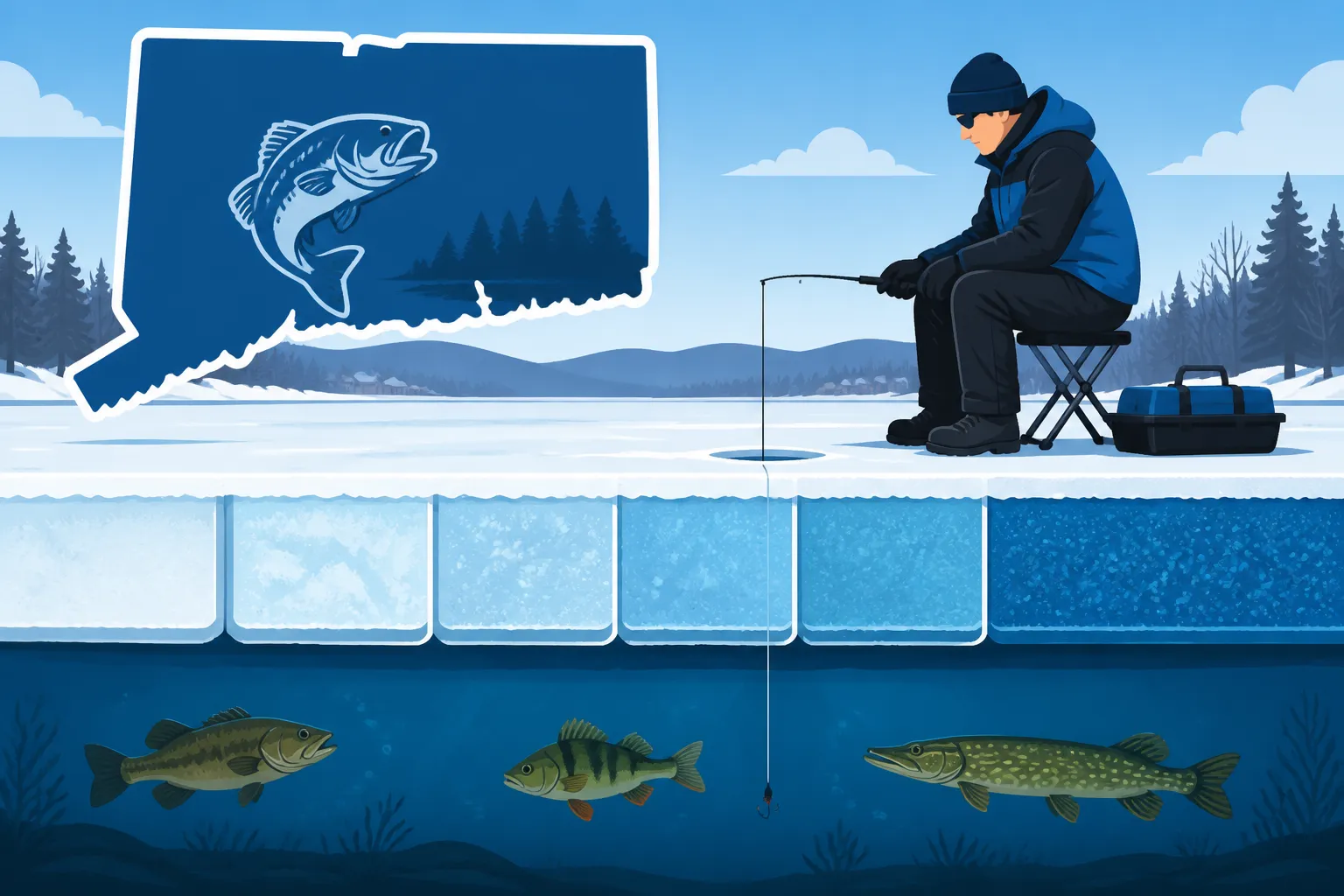
- Clear or "Blue" Ice: This is the strongest type of ice. It forms when the air is consistently cold and there's little to no snow. It's dense, hard, and you can often see through it into the water below. This is the ice you want to be walking on, and the minimum thickness guidelines discussed earlier apply primarily to this type of ice.
- White or Opaque Ice (Snow Ice): This forms when snow falls on thin ice, then melts and refreezes, or when slush on top of the ice freezes. It's typically weaker than clear ice because it's full of air pockets and is less dense. White ice might be twice as thick as blue ice, but only half as strong. If you encounter white ice, double your caution and consider it significantly less reliable than clear ice of the same thickness.
- Gray or Black Ice: This is a huge red flag. Gray or black ice often indicates that the ice is rotting, unstable, or has water beneath it. It can mean the ice is thawing or that there's a strong current beneath. Avoid gray or black ice at all costs; it's extremely dangerous.
Snow Cover
A fresh blanket of snow might look inviting and pristine, but it's a double-edged sword for ice anglers.
- Insulation: Snow acts as an insulator. While that's great for keeping your feet warm, it prevents the underlying ice from thickening. After a heavy snowfall, ice growth can slow down or even stop, especially during periods of marginal cold.
- Weight: Deep snow adds significant weight to the ice, potentially pushing the ice down and causing water to well up through cracks, creating slush. This slush layer can then freeze into weak, opaque ice, or remain a hidden hazard.
- Hiding Hazards: Snow also obscures visual cues, making it impossible to see thin spots, cracks, or pressure ridges that would be obvious on clear ice. You could be walking over a dangerous area without even knowing it. Always be extra cautious on snow-covered ice and drill more test holes than usual.
Water Currents and Springs
These are silent, invisible dangers that can wreak havoc on ice stability.
- Currents: Rivers and areas of lakes with strong currents (near inlets, outlets, or narrows) are notorious for having inconsistent and dangerously thin ice, even during prolonged cold snaps. The moving water constantly erodes the underside of the ice, making it incredibly unpredictable. Never trust ice over moving water unless you have irrefutable local knowledge and have seen consistent, verifiable measurements.
- Underground Springs: Many lakes and ponds have hidden underground springs that continuously pump warmer water into the body of water. These springs create localized thin spots that might not be visible from the surface and can appear anywhere. They are a primary reason why even a lake that seems "safe" overall can have dangerously weak areas. Always be aware of your surroundings and look for any areas where the ice appears different or slushy, which could indicate a spring.
Temperature Fluctuations and Recent Weather
The weather leading up to and during your ice fishing trip plays a massive role in ice safety.
- Consistent Cold: Long periods of consistent below-freezing temperatures are ideal for strong ice formation. The colder, the better, for longer periods.
- Thawing and Freezing Cycles: Repeated cycles of thawing and freezing, especially common in early and late winter, can severely weaken ice. When ice thaws, it develops a honeycombed structure that is incredibly brittle, even if it appears thick. A subsequent freeze might form a new, thin layer on top, giving a false sense of security.
- Rain and Snowmelt: Rain can rapidly erode ice and create slush layers. Snowmelt running onto the ice also contributes to weakening and can create dangerous pockets of water.
- Wind: Strong winds can create "wind rows" or pressure ridges in the ice, where sections of ice are pushed against each other, creating buckles or open water that can refreeze into weak, fractured ice.
Always check the local weather forecast for current and recent conditions, not just for your comfort, but for the safety of the ice.
Essential Safety Gear for Every Connecticut Ice Angler
Even with careful planning and diligent ice thickness checks, accidents can happen. Being prepared with the right safety gear can literally be the difference between life and death. Don't skimp on these items; they are as important as your fishing tackle.
Personal Flotation Devices (PFDs)
This is non-negotiable. Every person on the ice should be wearing a U.S. Coast Guard-approved Personal Flotation Device (PFD) or a specialized flotation suit.
- Standard PFDs: These are your traditional life vests. They are effective at keeping you afloat, but can be bulky.
- Inflatable PFDs: These are much less bulky and inflate automatically upon immersion or manually with a pull cord. They are a comfortable option, especially for active anglers.
- Flotation Suits: These are specifically designed for ice fishing. They are full-body suits that provide both warmth and buoyancy. Many come with built-in ice picks and other safety features. A good flotation suit is an excellent investment for dedicated ice anglers, and you can find various models and price points available on platforms like Amazon.
Wearing a PFD is a simple step that drastically improves your chances of survival and rescue if you do fall through. The Connecticut Cold Water Life Jacket Rule (October to May) already mandates life jacket wear for certain vessels during these months, and while it might not apply directly to walking on ice, the principle of cold water safety is the same. For more general guidance, check out Life Jacket Requirements for Connecticut Boaters.
Ice Picks
These are small, handheld tools with sharp metal points, usually connected by a cord that can be worn around your neck or in a pocket. If you fall through the ice, your hands might struggle to grip the slippery edge. Ice picks give you purchase, allowing you to dig into the ice and pull yourself out. They are inexpensive and can be found at any outdoor or fishing supply store, or online retailers. Make sure they are easily accessible, not buried in a backpack.
Rope and Throw Bags
A length of sturdy rope (at least 50 feet) with a buoyant throw bag is invaluable. If someone else falls through, you can remain at a safe distance on stronger ice and throw the bag to them. Practice throwing it before you go out; accuracy is key in an emergency. Keep it coiled and ready for immediate deployment.
Whistle and Cell Phone
A loud whistle can attract attention if you're in distress, especially if you're far from others. A cell phone in a waterproof case is also critical for calling for help, but remember that cold temperatures can drain battery life quickly. Always tell someone where you're going, when you expect to return, and what body of water you'll be on, especially when targeting popular spots like those with Best ice fishing access on Candlewood Lake or Best ice fishing access on Bantam Lake.
Emergency Kit
Consider a small dry bag with essentials: a change of warm, dry clothes (packed in a waterproof bag), waterproof matches or a lighter, a small first-aid kit, high-energy snacks, and a thermal blanket. Even if you're rescued quickly, these items can help prevent hypothermia after exposure.
By combining diligent ice thickness checks with a commitment to carrying and using essential safety gear, you can significantly mitigate the risks associated with ice fishing and truly enjoy the tranquility and excitement our Connecticut waters offer in winter.
Disclaimer
This article is for general informational purposes only and does not constitute professional advice. Laws, prices and regulations vary by location and change over time. Consult a qualified professional for guidance on your specific situation.