Best technique for sight fishing bass in clear water
There's nothing quite as frustrating as spotting a beautiful bass cruising in crystal clear Connecticut waters, only to have it disappear in a flash the moment your lure splashes down. We've all been there, and it can feel like the fish are mocking us! But fishing in clear water, especially when you can see your target, doesn't have to be a source of constant frustration. This guide will walk you through the best techniques for sight fishing bass, transforming those visible cruisers into exciting catches, even in the most transparent of Connecticut's lakes and rivers.
Understanding Why Clear Water Changes the Game for Bass
When you're fishing in murky or stained water, bass often rely more on their lateral line and scent to detect prey. They're bolder, less wary, and often more aggressive in striking. But introduce clear water into the equation, and everything changes. It’s like turning on a spotlight in their living room – they can see everything, and more importantly, everything can see them.
The Bass's Perspective in Clear Water
In exceptionally clear conditions, bass become acutely aware of their surroundings. This heightened visibility means they can spot predators, including us anglers, from a much greater distance. Their natural caution goes into overdrive. A poorly executed cast, a flash of sunlight off your rod, or even your shadow extending over the water can send them bolting for cover. It’s not that they’re not hungry; it’s that their survival instincts kick in immediately. They’ve evolved to be incredibly effective hunters, and part of that involves being incredibly adept at avoiding being hunted themselves.
Think about a largemouth bass lurking under a lily pad in a crystal-clear pond in eastern Connecticut. Every ripple, every movement above the surface, is magnified. They have a wider field of vision, allowing them to scrutinize your lure, your line, and even the nuances of your presentation. This makes them far pickier eaters, often requiring a flawless presentation and a natural-looking bait to entice a strike. The subtle shifts in current, the smallest piece of cover, all become more critical for their ambush points and hiding spots when they're so exposed.
Angler's Challenges and Opportunities
For us anglers, clear water presents a unique double-edged sword. On one hand, the clarity allows us to literally see the fish we're targeting, which is an incredible advantage. We can observe their behavior, their size, and their position relative to structure or cover. This direct visual feedback is something you rarely get in stained water, offering a fascinating glimpse into the underwater world. It’s like having an x-ray vision into their habitat, giving you a chance to truly understand what they’re doing.
However, the challenge is equally significant. Because they can see you, you must become a master of stealth. Every move counts. The ability to cast accurately, land your lure softly, and work it with subtle, lifelike motions becomes paramount. It's a game of chess where the bass sees your pieces, and you need to outmaneuver them with precision and patience. This level of interaction, while challenging, is also what makes sight fishing so incredibly rewarding when you finally fool that wary fish. It feels like a true victory earned through skill and observation.
Essential Gear and Setup for Successful Sight Fishing
To truly excel at sight fishing for bass in clear water, you can't just throw on your everyday tackle. It requires a thoughtful approach to your equipment, focusing on stealth, sensitivity, and the ability to make incredibly precise presentations. Your gear needs to complement your strategy, helping you to disappear into the background and present your lure with surgical accuracy.
Rod, Reel, and Line for Stealth
When it comes to your rod, opt for something with a lighter power and a fast action. A 6'6" to 7' medium-light or medium spinning rod often fits the bill perfectly. The fast action tip allows for precise casting and excellent sensitivity, letting you feel those subtle takes from hesitant bass. The lighter power prevents you from overpowering small, finesse lures, ensuring they have their most natural action in the water. For instance, if you're targeting smallmouth bass on the Farmington River, a lighter rod will give you the sensitivity to feel the subtle nibbles.
Pair that rod with a high-quality spinning reel, typically a 1000 or 2000 series, spooled with light line. Fluorocarbon is your absolute best friend here. Its low visibility underwater, combined with its excellent sensitivity and abrasion resistance, makes it ideal for clear water. A 6 to 8-pound test fluorocarbon main line or a light braided main line (6-10 lb) with a several-foot fluorocarbon leader (4-8 lb) is usually the way to go. The braid offers excellent casting distance and sensitivity, while the fluorocarbon leader disappears in the clear water, making it almost impossible for the bass to detect. Remember, every little bit of advantage you can gain matters when the fish are inspecting your offering so closely.
Polarized Sunglasses and Vision Aids
This isn't just a suggestion; it's a non-negotiable requirement for effective sight fishing. High-quality polarized sunglasses are arguably your most important piece of gear. They cut through the glare on the water's surface, allowing you to actually see into the water, spot the bass, and observe their movements and reactions to your lure. Without them, you're essentially fishing blind in clear water, negating your primary advantage. It’s the difference between seeing a vague shape and clearly identifying a smallmouth bass in a shallow flat.
Invest in a good pair that fits comfortably and has excellent optical clarity. Different lens colors can also be beneficial depending on light conditions – amber or copper lenses are often great for variable light, while grey lenses are good for bright, sunny days. Consider adding a wide-brimmed hat or a baseball cap to further reduce glare and improve your vision by shading your eyes. Some anglers even use visors or extendable bills over their hats to maximize shade. Being able to clearly see the bass is the first step; everything else follows from that initial visual contact. You can find excellent options on Amazon that cater to various budgets and preferences.
Lure Selection for Finicky Bass
In clear water, bass have the luxury of inspecting your lure thoroughly, often leading to them turning up their nose at anything that looks remotely unnatural or too aggressive. Therefore, your lure selection needs to focus on realism, subtle action, and smaller profiles. Forget the flashy, noisy baits for a moment and think finesse.
Here are some go-to options:
- Soft Plastics: Wacky-rigged Senkos, Ned rigs, shaky heads, small creature baits, and drop shot worms are all deadly. These baits offer a natural fall, subtle action, and can be worked slowly to mimic dying or vulnerable prey. For instance, a small, natural-colored creature bait on a light jig head can be incredibly effective when fishing for largemouth bass in a state park pond.
- Small Jigs: Finesse jigs (1/8 oz to 1/4 oz) with subtle trailers like small craws or chunk baits can be pitched precisely to visible fish. Their compact profile and lifelike action can trigger strikes, especially when fished slowly along the bottom or near cover.
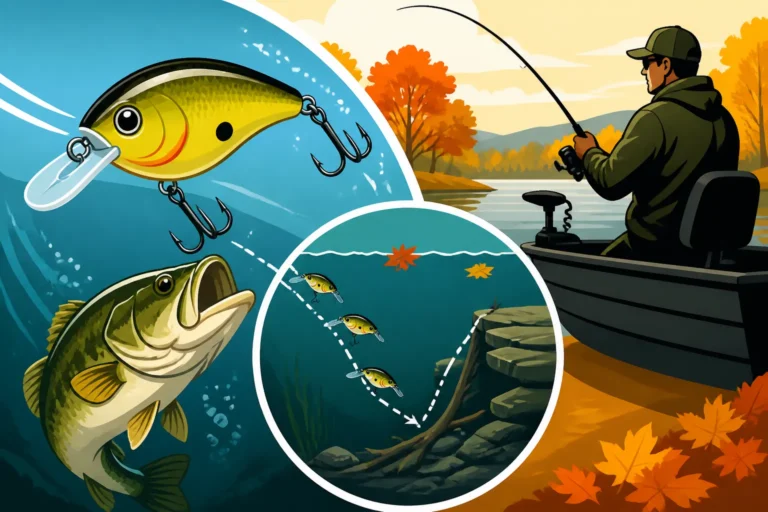
- Small Crankbaits/Jerkbaits: Micro crankbaits or suspending jerkbaits in natural patterns can work, but require a very precise cast and retrieve. They are best when bass are actively cruising and you need to cover a bit more water while maintaining a natural presentation.
- Weightless Worms: A simple, weightless plastic worm, Texas-rigged or wacky-rigged, can have an incredibly seductive, slow fall that is often irresistible to sight-fished bass. Many anglers swear by specific finesse baits, readily available on platforms like Amazon, for these situations, especially when the bass are particularly finicky.
| Lure Type | Ideal Scenario | Retrieve Style | Key Characteristics |
|---|---|---|---|
| Wacky Rigged Senko | Cruising bass, bed fishing, shallow cover | Slow, natural fall with gentle twitches | Natural fall, subtle undulation, soft landing |
| Ned Rig | Bottom dwellers, lethargic fish, rocky bottoms | Dragged, hopped, or shaken on the bottom | Small profile, stands upright, excellent sensitivity |
| Drop Shot Worm | Suspended bass, deep structure, highly pressured fish | Hovered, gently shaken in place | Stays in strike zone longer, versatile presentations |
| Finesse Jig | Target large bass, cover, imitating crawfish | Hopped, dragged, subtle swimming action | Compact, weedless, imitates natural forage |
| Small Jerkbait | Active cruisers, covering water, clear open water | Twitch, twitch, pause; erratic darting | Mimics dying baitfish, suspends in strike zone |
Mastering the Art of Approach and Presentation
Once you have the right gear, the real magic of sight fishing lies in your approach and how you present your lure. It's a delicate dance between stealth and enticing a strike, where every detail matters. This is where patience truly becomes a virtue, as rushing any step can easily send your target swimming away.
Stealth is Your Best Friend
This cannot be overstated: you must become a ghost on the water. Bass in clear conditions have excellent vision, and they will spook long before you even consider casting if you're not careful. Start by approaching the area where you expect to find bass from a distance, using natural cover like trees or reeds to break up your silhouette. If you're in a boat or kayak, use your trolling motor or paddle sparingly and quietly, avoiding sudden movements or loud noises.
The sun's position is also critical. Always try to keep the sun at your back. This not only helps you see into the water by minimizing glare but also casts your shadow away from the fish. A shadow passing over a bass is a surefire way to send it fleeing. Think about minimizing all movement: walk softly on the bank, avoid unnecessary shuffling in your boat, and make your casting motion as smooth and unobtrusive as possible. Even the subtle scrape of a boot on a rock can transmit vibrations through the water and alert nearby fish.
Reading the Bass and Its Environment
One of the greatest advantages of sight fishing is the ability to observe the bass's behavior. Are they cruising slowly, actively searching for food? Are they holding tight to a piece of submerged timber or a rock, possibly guarding a bed? Are they lethargic, barely moving, or darting around erratically? Each behavior dictates a different approach and lure presentation. For example, if you see a bass aggressively patrolling a shallow flat near the Connecticut River, a small, fast-moving jerkbait might be more effective than a slow-falling worm.
Pay close attention to where they are positioned relative to cover. Are they on the sunny side or shady side of a dock piling? Are they tucked into a weed line or suspended just above a drop-off? This tells you about their comfort level and potential ambush points. Also, observe if they are alone or if they are part of a small school. A lone bass might be easier to target, while a school might require a more cautious approach to avoid spooking the entire group. Understanding these nuances gives you critical intel on how to best present your lure. If you're fishing for largemouth bass in Connecticut, knowing their preferred cover and depth in clear water can dramatically increase your success.
The Perfect Cast and Retrieve
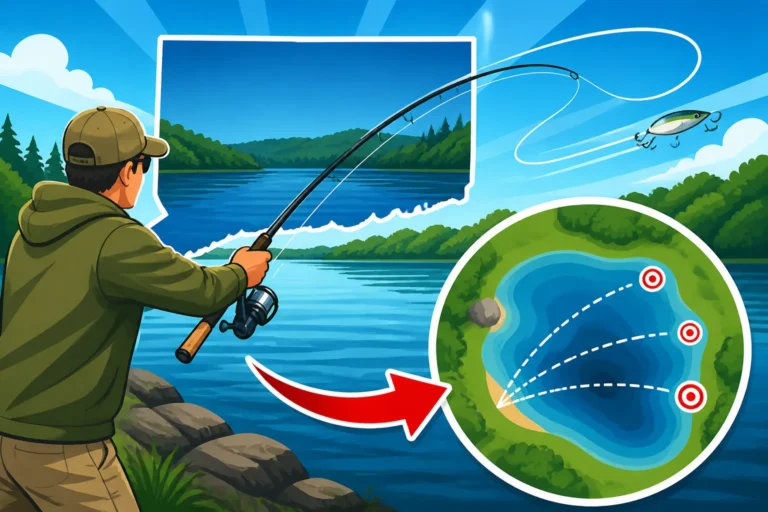
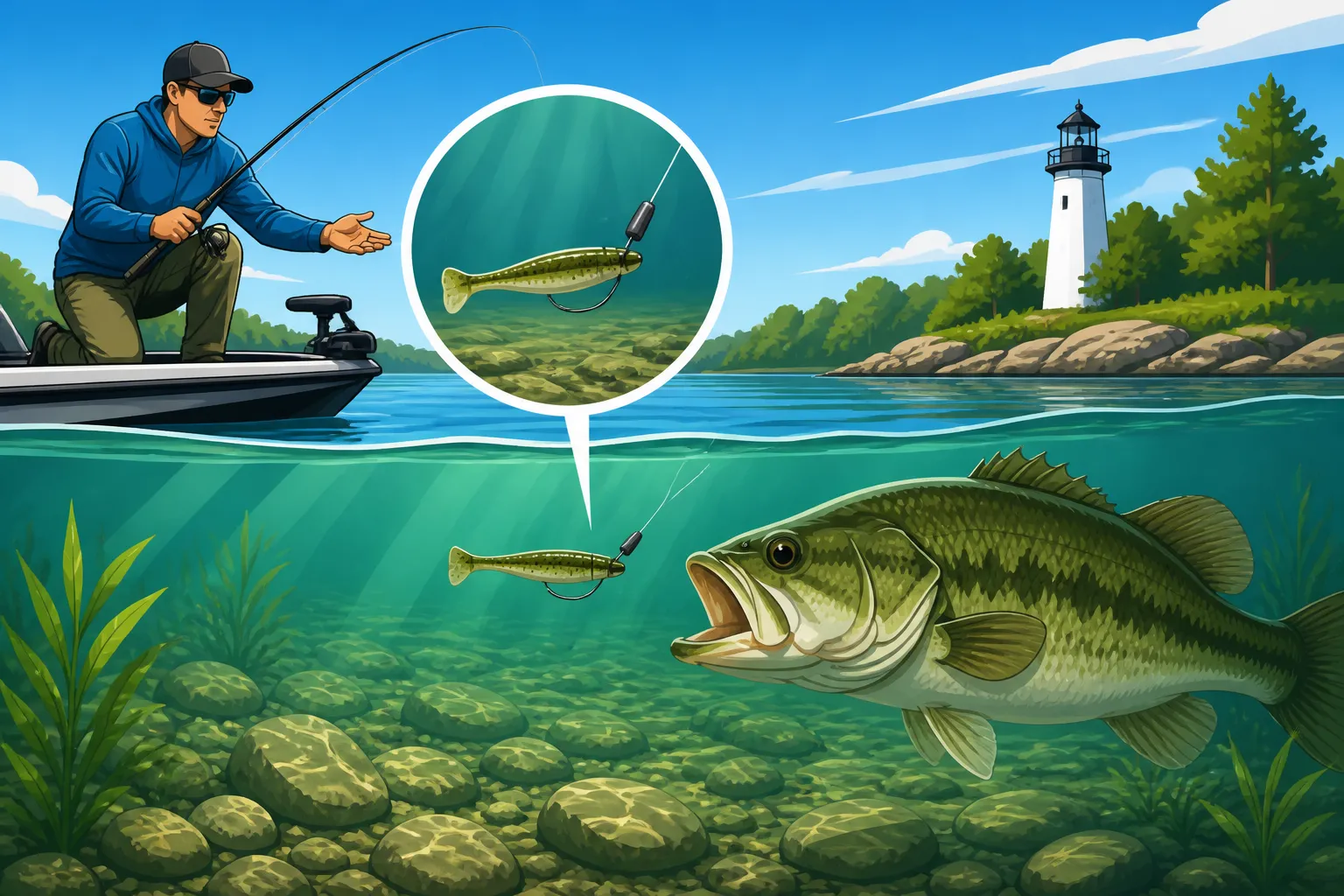
Once you've spotted your target and planned your approach, the cast is everything. Your goal is a long, accurate, and soft landing. Aim beyond the fish, or to the side of it, allowing your lure to enter the water away from its immediate field of vision. A splashy cast landing directly on top of a wary bass will almost always send it packing. Think of it as gently dropping a feather rather than throwing a rock.
Once your lure is in the water, retrieve it with purpose, but with utmost subtlety. If the bass is cruising, try to intercept its path. If it's holding, cast well past it and slowly bring the lure into its strike zone. Mimic natural prey: a slow crawl, a gentle hop, or a subtle twitch. Watch the fish's reaction closely. If it turns to look at your lure, but doesn't strike, vary your retrieve. Speed it up, slow it down, give it a long pause. Sometimes, the fish needs that little extra coaxing or a change of pace to commit. The key is to make your lure look like an easy, natural meal that isn't a threat. This finesse approach is critical for success, particularly when dealing with the highly visible and often wary nature of fish in clear environments. Many resources on Best technique for finesse fishing clear water bass delve into this further.
Common Mistakes and How to Avoid Them
Even with the right gear and a solid understanding of stealth, sight fishing in clear water has its pitfalls. Making a few common errors can quickly turn a promising encounter into a frustrating failure. Recognizing these mistakes and consciously working to avoid them will significantly improve your catch rate.
Spooking Fish Before You Cast
This is probably the most common mistake made by anglers eager to catch that visible bass. The excitement of seeing a fish can override caution, leading to hurried movements, loud noises, or casting too soon. Imagine you're stalking a deer – you wouldn't crash through the brush, right? The same applies to bass.
To avoid this:
- Slow Down Your Approach: Take your time. Observe the fish from a distance. Get into the best possible casting position without revealing yourself.
- Mind Your Shadows: Always be aware of where your shadow is falling. If the sun is high, your shadow can stretch far across the water.
- Minimize Movement and Noise: Move as little as possible. If you're in a boat, use your trolling motor on the lowest setting, or paddle softly. Avoid dropping anything in the boat or bumping against the hull. Your fishing line, such as those that can be purchased from Amazon, should also be spooled quietly.
- Cast Beyond the Fish: As mentioned, don't land your lure directly on the fish's head. Aim a few feet beyond it and slowly retrieve into its zone. This allows the lure to enter the water naturally, without alarming the bass.
Incorrect Lure Choice or Presentation
You've spotted the bass, you've made a stealthy approach, and your cast was perfect. But if the bass still ignores your lure, it's likely a problem with your bait choice or how you're presenting it. Remember, clear water means thorough inspection.
Consider these points:
- Match the Hatch (or the Mood): If the bass is actively feeding on small baitfish, a tiny swimbait or a small jerkbait might work. If it's lethargic or guarding a bed, a slow-falling, natural-colored worm or creature bait is better. For Best Baits for Smallmouth Bass on the Housatonic, for example, lighter, more natural presentations are often key.
- Downsize Your Lure: Generally, smaller lures are more effective in clear water because they appear less threatening and more natural. A 3-inch worm often outperforms a 6-inch one in these conditions.
- Subtle Action is Key: Avoid lures with overly aggressive or erratic actions unless the fish are in a highly active feeding mood. Focus on baits that have a natural, undulating, or subtle shimmy.
- Vary Your Retrieve: If the bass isn't reacting, don't just keep doing the same thing. Change your pause length, the speed of your retrieve, or the amount of twitching. A slight alteration can sometimes be the trigger. Don't be afraid to experiment with different lure types and presentations, as discussed in How to fish a jerkbait for early spring bass or Best technique for post-spawn smallmouth bass.
Patience, Persistence, and Adapting
Sight fishing can be incredibly rewarding, but it demands a level of patience and persistence that isn't always required in other forms of fishing. You might spot a dozen bass and only get one to bite, and that's perfectly normal. Don't get discouraged if a bass ignores your first few casts, or even your first few lure changes.
Here's how to maintain your focus and adapt:
- Stay Calm and Focused: Take a deep breath. Observe. Each refusal is a piece of information. Did it spook? Did it look at the lure and turn away? Why?
- Make Minor Adjustments: If a fish is ignoring a wacky worm, try a Ned rig. If that doesn't work, try a different color or a smaller size. Sometimes the most minor change can make all the difference. Stocking up on a variety of subtle lures from an online retailer such as Amazon can really make a difference in your ability to adapt.
- Relocate if Necessary: If a particular fish is completely locked down and unresponsive, don't waste hours on it. Move on and find another one. Come back later, or try a different spot. Sometimes, bass just aren't in the mood to eat, no matter how perfect your presentation.
- Learn from Every Interaction: The more you sight fish, the better you'll become at reading fish and understanding what triggers a bite in different situations. Every single encounter, whether successful or not, teaches you something valuable that you can apply to your next cast.
Sight fishing for bass in clear Connecticut waters is truly an art form, but one that is incredibly gratifying to master. With the right gear, a stealthy approach, careful observation, and a whole lot of patience, you'll soon be turning those visible bass into memorable catches.
Disclaimer
This article is for general informational purposes only and does not constitute professional advice. Laws, prices and regulations vary by location and change over time. Consult a qualified professional for guidance on your specific situation.