How to locate crappie in Connecticut lakes
There’s nothing quite as satisfying as the tap-tap-tap of a crappie hitting your jig, but let’s be honest, finding these schooling beauties in Connecticut’s diverse lakes can sometimes feel like searching for a needle in a haystack. They’re here one day, gone the next, leaving us scratching our heads and wondering where they went. This comprehensive guide is dedicated to breaking down the mystery, helping you understand crappie behavior, and equipping you with the knowledge to consistently locate them in your favorite Connecticut lakes.
Understanding Crappie Behavior in Connecticut Lakes
Crappie are fascinating fish, and like many species, their habits are deeply tied to the changing seasons, water temperatures, and the availability of their favorite meals. They aren't static residents; they're constantly on the move, and understanding their typical patterns is the first step to becoming a successful crappie angler in the Nutmeg State. It’s easy to get frustrated when a spot that was hot last week is dead this week, but more often than not, the crappie simply relocated based on these environmental cues.
Seasonal Movements and Patterns
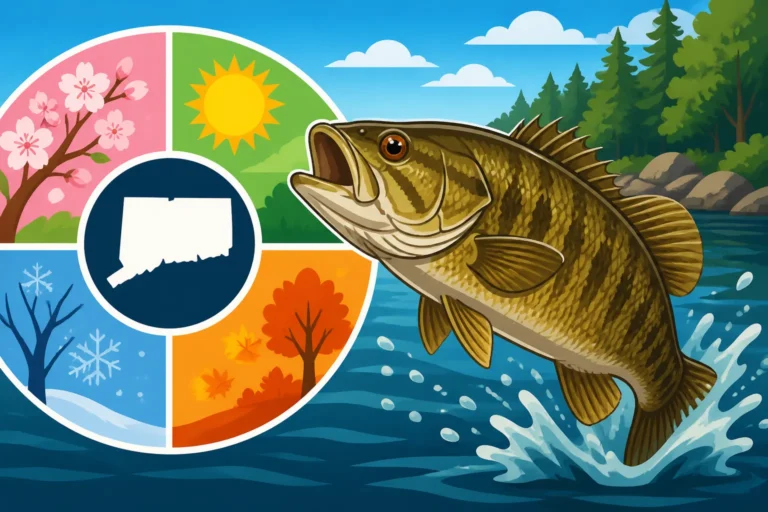
Connecticut experiences four distinct seasons, and crappie adjust their whereabouts dramatically throughout the year. Knowing these general shifts will help you narrow down your search immensely.
Spring (Pre-spawn and Spawn)
Ah, spring! The air warms, the ice melts, and anglers get that familiar itch. For crappie, this is the season of love and renewal, and their movements are all about reproduction. As ice-out occurs and water temperatures begin to climb into the upper 40s and 50s Fahrenheit, crappie start migrating from their deeper winter haunts towards shallower, protected areas. Initially, they'll stage in slightly deeper water adjacent to these shallow spawning flats, waiting for conditions to be just right. Once the water hits the mid-50s to low 60s, they move into extremely shallow water, often less than 5 feet deep, to spawn. They'll gravitate towards areas with good cover like submerged brush, fallen trees, old docks, or dense weed beds. These areas offer protection for their eggs and fry. Think of those small, secluded coves or shallow points in lakes like Gardner Lake or even the shallower arms of larger bodies of water like Lake Lillinonah. You'll find both black crappie and white crappie exhibiting these behaviors, though black crappie tend to be a bit more prevalent in some of our clearer, deeper lakes. It’s a fantastic time to target them, but remember they can be spooky in these shallow areas. For those looking to capitalize on this fertile time, our guide on Best Fishing Seasons by Month provides further insights into optimal timing across the state.
Summer
As Connecticut summer fully kicks in and water temperatures climb into the 70s and 80s, crappie transition to a deeper, more comfortable existence. The shallow waters they spawned in become too warm and less oxygenated. They'll often seek out the thermocline – that layer of water where temperature changes rapidly – because it offers cooler temperatures and stable oxygen levels. This means you'll typically find them suspending in deeper water, often 10-25 feet down, relating to significant underwater structure. Think of deep creek channels, submerged humps, sharp drop-offs, or brush piles in deeper sections of lakes. They'll still be near cover, but it will be deeper cover. They also follow their primary forage, baitfish, which are also seeking these cooler, more stable environments. Locating schools of baitfish with your electronics is often key to finding summer crappie. On a lake like Candlewood Lake, for instance, you might find them suspended over deep points or along the edges of the main lake basin, especially near any submerged timber or rock piles.
Fall
Just like spring, fall is another prime time for crappie fishing as they become incredibly active once more. As the water temperatures begin to drop from their summer highs, crappie start to feed aggressively, bulking up for the lean winter months ahead. They’ll often move back into shallower areas, though usually not as shallow as during the spawn. You’ll find them congregating around creek mouths, points, and transition zones where shallow flats meet deeper water. Submerged brush, weed lines (especially dying ones that still offer cover), and docks remain excellent targets. They are often less scattered than in summer, forming larger, more concentrated schools. This makes them a joy to find once you locate a school. Think about the many ponds and smaller lakes that dot the Connecticut landscape; they can offer fantastic fall crappie action as the water cools and baitfish push into more accessible areas.
Winter (Ice Fishing)
When the cold truly sets in and our Connecticut lakes begin to freeze over, crappie settle into their deepest winter patterns. If you're into Ice Fishing in Connecticut, this can be a very rewarding time. Crappie will typically suspend in deep water, often in the deepest holes or basins of the lake, relating to vertical structure like submerged timber, rock piles, or artificial brush piles. They are cold-blooded, so their metabolism slows significantly, and they won't be as aggressive. However, once you find a school, you can often pick off several fish from the same spot. They tend to school tightly in winter, making them easier to target once found. Vertical jigging small lures or using tip-ups with live minnows are common tactics. Lakes with good depth, such as Lake Zoar or parts of Bantam Lake, can hold excellent winter crappie populations.
What Crappie Eat and How it Influences Location
Crappie are opportunistic feeders, but their diet primarily consists of small baitfish, insects, and tiny crustaceans. Understanding their preferred menu is crucial because, simply put, crappie will always be where the food is.
During the spring, when they are shallower, they’ll munch on insect larvae, small minnows, and whatever else is abundant in the warming shallows. As summer progresses, their diet shifts heavily towards schools of baitfish, such as small shiners, young perch, and silversides. These baitfish often suspend in open water or around deeper structures, and the crappie will follow them. If you can locate dense schools of baitfish on your fish finder, there’s a very good chance crappie are lurking nearby, either actively feeding or waiting for an ambush opportunity. Many crappie anglers will specifically seek out schools of shad or alewives, knowing that crappie will be shadowing them.
In the fall, as baitfish mature and school up even tighter, crappie continue their pursuit. They’ll feed heavily, often gorging themselves to build up fat reserves for winter. This makes them particularly responsive to small jigs and lures that imitate baitfish. During winter, their metabolism slows down, so they're less likely to chase aggressively. Instead, they'll pick off slow-moving minnows or tiny insect larvae that drift by their deep-water sanctuaries. Using live minnows or ultra-light jigs that mimic these small food items becomes very effective. Remember, the goal is often to match the hatch, or in this case, match the forage. If you’re not getting bites, consider a different presentation or bait that better imitates what the local crappie are feeding on.
Key Structures and Cover Crappie Love in Connecticut Lakes
Crappie are, without a doubt, structure-oriented fish. They love cover and protection, which serves multiple purposes: ambush points for their prey, refuge from larger predators, and a buffer against harsh environmental conditions like bright sunlight or strong currents. Knowing what kind of structure to look for is paramount.
Submerged Timber, Brush Piles, and Weeds
If there’s one thing crappie can’t resist, it’s a good piece of submerged wood or a dense brush pile. These natural fish magnets provide everything a crappie needs.
The Appeal of Natural Cover
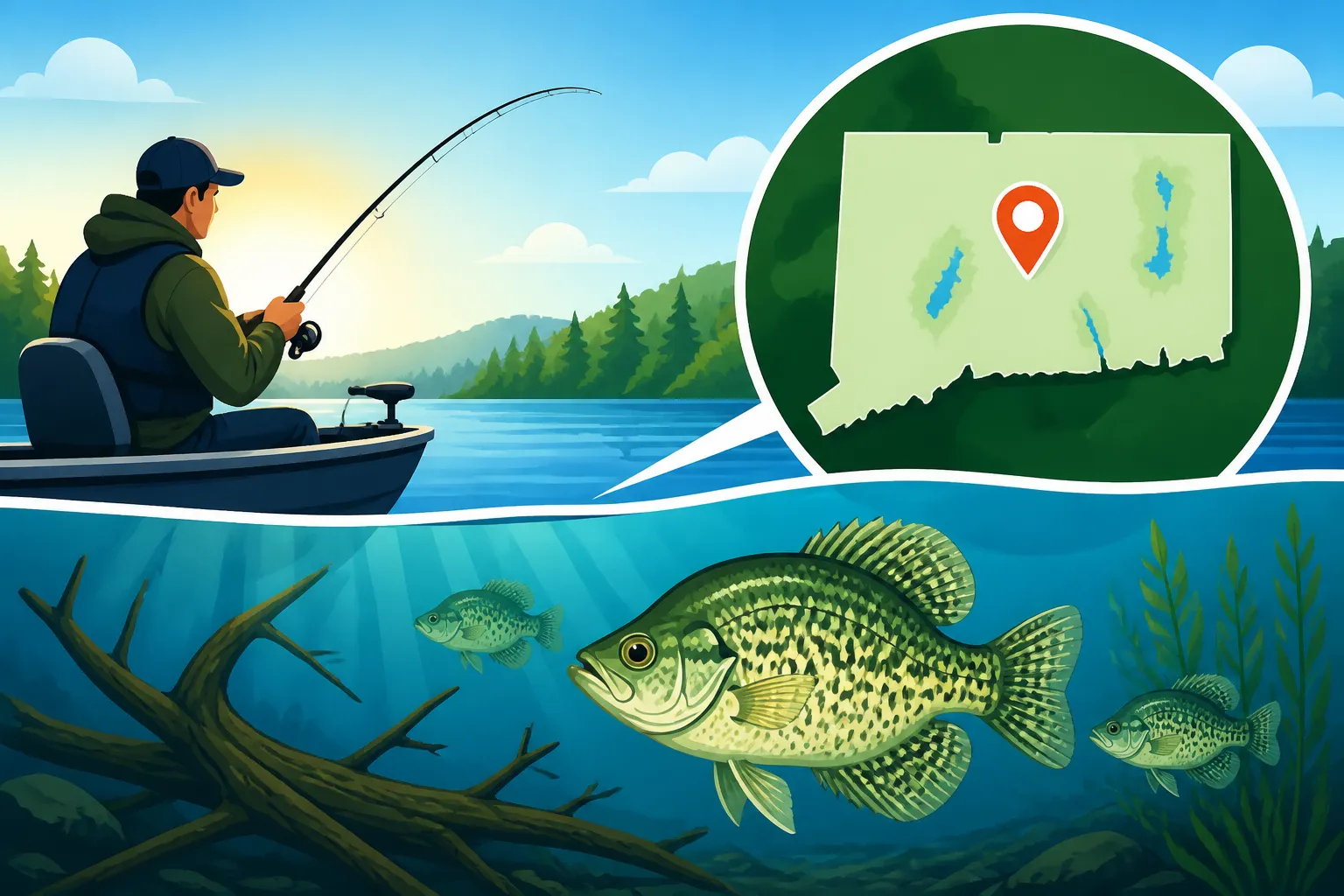
Submerged timber, whether it’s a fallen tree that’s partially underwater, a stump field, or scattered logs, offers an intricate network of branches and crevices where baitfish hide, and crappie can lurk, poised to strike. These areas also harbor insect larvae and other small invertebrates, providing a buffet for crappie. In many Connecticut lakes, especially those with wooded shorelines, you’ll find these natural structures along banks, points, and even out in open water where old trees might have fallen in years past. When you're drifting or slowly trolling, keep an eye out for these visual cues or use your electronics to map out underwater timber. In a quiet cove on Lake Lillinonah, for example, a partially submerged tree can be a crappie goldmine. The trick is to fish in the cover without getting snagged too often, which is a delicate balance.
The Magic of Brush Piles
Brush piles, whether they’re naturally accumulated debris or intentionally sunk by anglers (check local regulations before deploying your own!), are crappie super-highways. They act as miniature reefs, attracting baitfish, which in turn attracts crappie. Many serious crappie anglers spend time specifically building and sinking brush piles, and for good reason—they work. These can be located on main lake points, along creek channels, or on offshore humps. They offer vertical relief from the bottom, which crappie absolutely love, especially when they are suspending. Finding these can sometimes require good sonar, but once you locate one, you’ll often find crappie stacked in it like cordwood. Consider checking online forums or local tackle shops for tips on common crappie structures in specific Connecticut lakes.
The Role of Weed Beds
Weed beds, particularly coontail, milfoil, and hydrilla, are also crucial crappie habitat. In spring and fall, crappie will often relate to the edges or sparse pockets within weed beds. The weeds provide cover, produce oxygen, and host a variety of insects and small fish that crappie feed on. In summer, as some shallow weed beds die off or become too dense, crappie might move to deeper, healthier weed lines. Pay attention to how the weeds grow – crappie prefer transition areas, like where a dense bed thins out, or where a weed line meets open water or a channel. Fishing a jig or a small minnow along these edges can be highly productive. For those exploring new waters, guides like Best Bass Fishing Lakes in Connecticut often highlight areas with ample aquatic vegetation, which can also be prime crappie territory.
Docks, Pilings, and Man-Made Structures
Don't overlook the obvious! Man-made structures found on most Connecticut lakes are equally important crappie holding areas.
The Shelter of Docks and Marinas
Docks and boat houses provide crucial shade, especially on bright, sunny days when crappie seek relief from the sun's intensity. The pilings and submerged framework beneath docks also offer fantastic cover and ambush points. Crappie will often suspend directly beneath docks, sometimes just a few feet below the surface. Marinas, with their numerous slips, boat lifts, and dense pilings, are veritable crappie apartment complexes. They provide a vast amount of vertical and horizontal structure. The key is to fish quietly and thoroughly around these structures. Skipping jigs or casting small minnows under docks can be incredibly effective. Remember to be respectful of private property when fishing around docks.
Bridges and Rip-Rap
Bridge pilings offer vertical structure and often create current breaks, attracting baitfish and crappie. The rip-rap (rocky banks) surrounding bridges and causeways can also hold crappie, especially if there are deeper pockets or points within the rockwork. These areas often attract heat from the sun, which can warm the water slightly, making them appealing in cooler months. Crappie will use the crevices in the rocks for protection and to ambush prey. These spots are often accessible from shore or by kayak, providing excellent opportunities for bank anglers or those exploring with a light craft, as detailed in our guide on Kayak Fishing Techniques for Connecticut Rivers.
Changes in Depth, Drop-offs, and Creek Channels
While cover is vital, crappie also rely heavily on topographical features on the lake bottom. These are often less obvious but just as crucial.
The Importance of Depth Transitions
Crappie love transitions. This means areas where the depth changes abruptly, such as drop-offs from a shallow flat into deeper water, or the edge of an underwater ledge. These areas act as travel corridors and staging points. Crappie will often move up onto the flats to feed during low light conditions or when baitfish are present, then retreat to the safety and comfort of deeper water during the brightest parts of the day. Using a good contour map of your chosen Connecticut lake can help you identify these critical depth changes. Digital maps, many of which can be accessed through marine electronics bought on Amazon, are invaluable tools for this kind of reconnaissance.
Creek Channels and Bends
Inflow areas from rivers and creeks, and the old creek channels that wind through many Connecticut lakes (especially impoundments), are prime crappie highways. Crappie will use these channels for migration, and the bends and deeper sections often hold schools of fish. The subtle changes in depth and contour within a channel can concentrate baitfish, and thus crappie. Look for where a creek channel sweeps close to a submerged point or a brush pile; these intersections are often prime spots. Our guides on Housatonic River Fishing Guide or Farmington River West Branch Trout Fishing might focus on different species, but the principles of understanding river and channel flow for fish location still apply to crappie in lake environments where such features exist.
Techniques and Tools for Locating Crappie
Knowing where crappie generally like to be is one thing, but actually finding them can be another. Luckily, anglers today have a fantastic array of tools and techniques at their disposal to pinpoint these schools.
Using Electronics: Sonar and Live Imaging
Modern electronics have revolutionized crappie fishing, taking much of the guesswork out of locating elusive schools.
The Power of Down and Side Imaging
A good quality fish finder with down imaging and side imaging capabilities is an absolute game-changer. Down imaging gives you a photo-like view directly beneath your boat, allowing you to clearly see individual fish, brush piles, stumps, and even schools of baitfish. Side imaging, however, is where the magic truly happens for crappie anglers. It lets you scan vast areas to the left and right of your boat, revealing submerged structures, weed lines, and crappie schools that you might have otherwise driven right over. Imagine motoring slowly across a flat and seeing a dense brush pile 50 feet to your left, teeming with fish. You can then mark that waypoint and go back to fish it. Many excellent marine electronic units are available from brands like Humminbird and Garmin, and while specific models change, you can often find great deals on transducers and accessories on Amazon. Learning to interpret the images takes practice, but the rewards are immense.
Live Sonar for Real-Time Action
For the ultimate crappie hunting experience, live sonar (such as Garmin's LiveScope or Lowrance's ActiveTarget) provides a real-time, three-dimensional view of what's happening underwater. You can literally see your lure descend, watch crappie approach it, and observe their reaction. This is particularly effective for targeting suspended crappie around brush piles or deep cover. It allows for incredible precision, enabling you to place your bait exactly where the fish are and immediately adjust your presentation if they're not biting. While an investment, many dedicated crappie anglers swear by the ability of live sonar to shave hours off the search and make fishing incredibly interactive.
Old-School Methods: Jigs, Bobbers, and Patience
Even without fancy electronics, traditional methods are still incredibly effective for locating crappie, especially in smaller ponds or when exploring new areas.
Fan Casting with Small Jigs
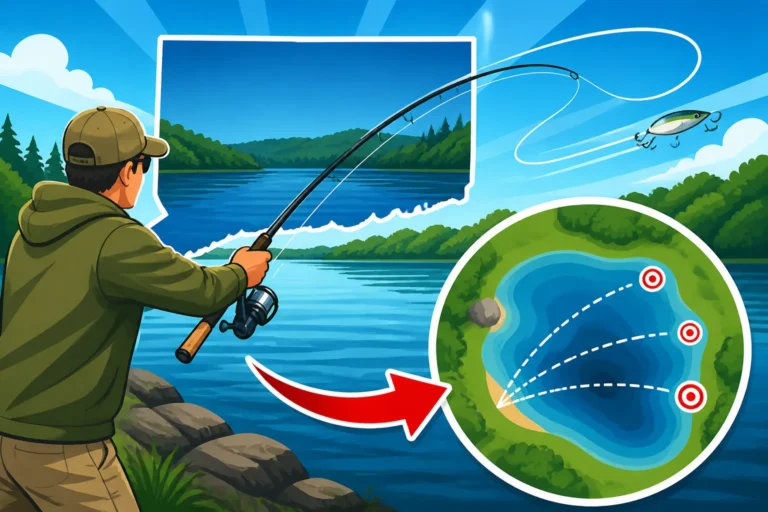
One of the most tried-and-true ways to find crappie is simply to cover water by fan casting small jigs. Use lightweight spinning gear, a sensitive rod, and 4-6 lb test line. Cast your jig (1/16 to 1/32 oz are common sizes) to different angles around potential holding areas like docks, weed lines, or submerged timber. Let it sink for varying amounts of time on each cast to explore different depths. A slow, steady retrieve with occasional pauses or twitches is often all it takes to entice a crappie. Experiment with different jig colors and styles. Our guide on Best Techniques for Panfish in Connecticut offers excellent advice that directly applies to crappie, which are, after all, large panfish.
The Versatility of Slip Bobbers
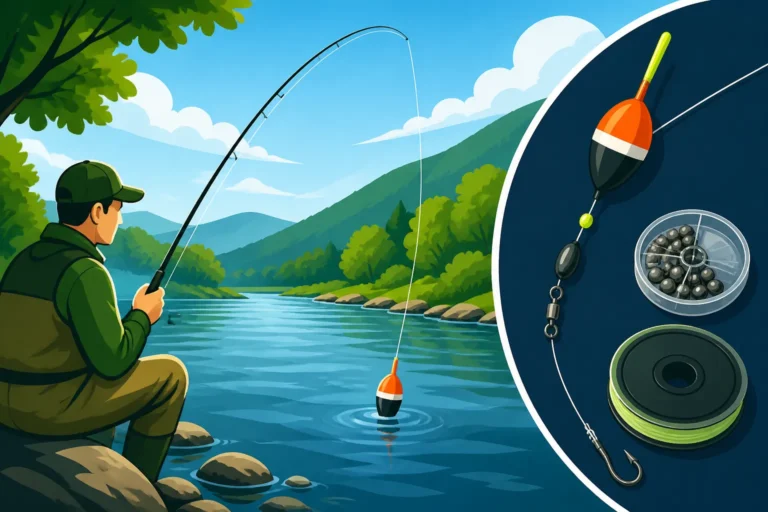
When crappie are suspended at a specific depth, or when you’re fishing around dense cover where direct casting might lead to snags, a slip bobber rig is invaluable. A slip bobber allows you to easily adjust your bait to any depth, from inches below the surface to many feet down. Simply slide your bobber stop to the desired depth, cast out your small jig (tipped with a minnow or not), and let it sit. The bobber will indicate even the lightest of crappie bites. Drift with the wind or current, or slowly retrieve the bobber, allowing the minnow or jig to flutter naturally. This method is fantastic for exploring different water columns around suspected crappie structures. You can easily pick up a variety of slip bobbers and bobber stops on Amazon.
The Art of Covering Water
Perhaps the most important "old-school" method is simply covering water and paying attention. If you're not getting bites in one spot, move on. Crappie often congregate in schools, so once you find one, there are likely more. Fish different types of structure, different depths, and different presentations until you unlock the pattern for that particular day. Don't be afraid to pull anchor (or stop paddling if you're kayak fishing) and explore. Sometimes, the crappie are just a little further down the shoreline or on the next point.
Understanding Water Temperature and Clarity
These environmental factors might seem subtle, but they have a massive impact on where crappie will be and how active they are.
Temperature as a Crappie Compass
Water temperature is arguably the most critical factor influencing crappie location. As discussed in the seasonal movements section, crappie actively seek out their preferred temperature range. In spring, they chase warming water into the shallows; in summer, they retreat to cooler, deeper zones. In fall, they spread out as the water cools to a comfortable level, and in winter, they huddle in the deepest, most stable temperatures. A simple handheld thermometer (easily found on Amazon) is an essential tool to help you understand the conditions and predict crappie movements. Knowing the surface temperature can give you a clue about what's happening deeper and where the thermocline might be, which influences the Best Time of Year to Fish in Connecticut for crappie.
Clarity: Friend or Foe?
Crappie generally prefer slightly stained or turbid water over crystal clear conditions. In very clear water, they tend to be much more skittish, holding tighter to cover or going deeper to avoid predators and bright light. In stained water, they feel more secure and are often more willing to venture out from heavy cover. However, too much turbidity (like after a heavy rain) can disperse baitfish and make it difficult for crappie to feed, often pushing them to the edges of the turbid water. Observe the water clarity in your chosen lake. If it's very clear, try fishing earlier or later in the day, or target deeper, denser cover. If it's murky, focus on areas where the water might be slightly clearer or where crappie can ambush prey more easily.
Best Times and Conditions to Target Crappie
Knowing when to hit the water can be just as important as knowing where to cast. Crappie, like most fish, have peak activity periods that are influenced by a combination of time, weather, and season.
Time of Day and Weather
These factors play a huge role in crappie activity levels and their willingness to bite.
Dawn and Dusk: The Golden Hours
Just like many other freshwater species, crappie are often most active during the low-light periods of dawn and dusk. The reduced light penetration makes them feel safer venturing out from heavy cover to feed, and baitfish are often more active during these times too. If you can be on the water an hour before sunrise or stay an hour after sunset, you significantly increase your chances of finding actively feeding crappie. On a lake like Mashapaug Lake, these twilight hours can see crappie moving into shallower areas that they might avoid during midday.
Overcast Days and Post-Front Conditions
Overcast or cloudy days can extend the "golden hours" throughout the day, as the reduced light penetration means crappie feel more comfortable feeding longer. These are fantastic days to be on the water. Conversely, immediately after a strong cold front passes through, crappie can become incredibly lethargic. The sudden drop in air temperature and often clear, blue skies can put them into a funk. They’ll usually retreat to deeper, denser cover and be much less willing to chase. If you must fish after a cold front, slow down your presentation, use smaller baits, and focus on those deep, tight-lipped spots. Our guide to Cold Front Fishing Tactics for Connecticut Bass provides similar principles that apply well to crappie.
Best Seasonal Windows for Success
While crappie can be caught year-round in Connecticut, some seasons undeniably offer better and more consistent action.
Spring and Fall: Peak Opportunities
As we discussed, spring (pre-spawn and spawn) and fall are often considered the absolute prime times for crappie in Connecticut. During these seasons, crappie are generally more active, more predictable in their movements, and often more concentrated. The moderate water temperatures stimulate their metabolism, leading to aggressive feeding. In spring, they are driven by the urge to spawn, making them accessible in the shallows. In fall, they are packing on calories for winter, so they are actively chasing bait. If you're planning a dedicated crappie trip, target these windows for your best chances at success.
Early Ice: A Winter Treat
For ice anglers, the period just after a safe layer of ice forms is often another fantastic crappie window. The fish are still relatively active from their fall feeding binge, and before thick snow cover on the ice blocks out too much light, they can be quite willing biters. As the winter progresses and the ice thickens, they may become more challenging to catch, but the early ice period can offer fast action, especially if you can locate those deep-water humps and channels. Remember to always prioritize safety when on the ice.
Reading the Water: Signs of Crappie Activity
Sometimes, the best locator is your own keen observation. Learning to "read the water" can give you clues to where crappie might be hiding.
Observing Baitfish Schools
Keep an eye out for any signs of baitfish activity. Small minnows or shiners dimpling the surface, birds diving, or even subtle disturbances in the water can indicate the presence of forage. Where there's bait, there are usually predators, and crappie are no exception. Pay particular attention to areas where baitfish might be trapped or concentrated by current, wind, or structure.
Other Anglers and Local Knowledge
While it’s not always easy to get someone to give up their secret crappie spot, observing where other anglers are fishing, especially those with multiple rod holders and a keen focus on a particular area, can provide a clue. Local tackle shops are also invaluable resources; the folks behind the counter often have their finger on the pulse of local crappie action. Don’t be afraid to ask for general advice on productive lakes or techniques. Sometimes, a quick chat can save you hours of searching. The Connecticut Interactive Trout Stocking Map, Explained might not directly show crappie, but it gives a good idea of which bodies of water are actively managed and popular, often for multiple species.
Subtle Visual Cues
Sometimes, it’s the little things. Look for subtle changes in bottom composition indicated by water color, or even specific types of emergent weeds. If you’re fishing from shore, watch for areas where the bottom drops off sharply or where structure extends out from the bank. If you see markers from other anglers (like small buoys or jugs), they might be marking a brush pile or productive spot, though it's always important to be respectful and not encroach on their fishing space. The more time you spend on the water, the more these subtle cues will start to stand out to you, becoming your own personal crappie compass.
Here’s a quick summary table to help you visualize crappie movements:
| Season | Typical Depth Range | Preferred Structure/Cover | Key Forage | Activity Level |
|---|---|---|---|---|
| Spring | 2-10 feet | Shallow brush, fallen trees, docks, weed edges | Insects, minnows | High |
| Summer | 10-25+ feet (suspended) | Deep brush piles, creek channels, drop-offs, thermocline | Baitfish (shiners, perch), insects | Moderate |
| Fall | 5-20 feet | Points, creek mouths, weed lines, brush piles | Baitfish (aggressively feeding) | High |
| Winter | 15-30+ feet | Deep holes, vertical timber, brush piles | Small minnows, larvae (slow metabolism) | Low |
Disclaimer
This article is for general informational purposes only and does not constitute professional advice. Laws, prices and regulations vary by location and change over time. Consult a qualified professional for guidance on your specific situation.