Best technique for fall crankbait fishing
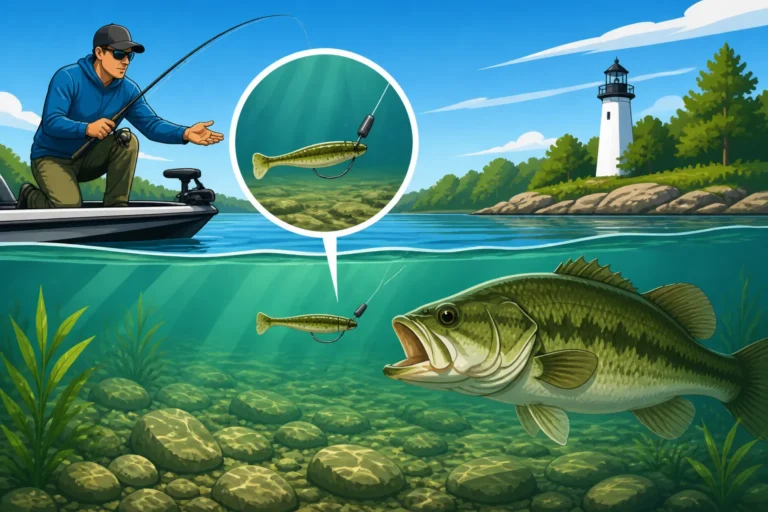
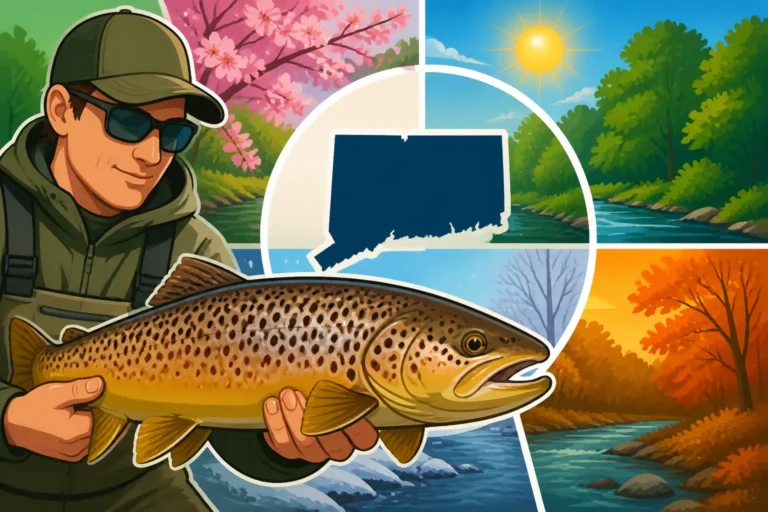
As the days get shorter and a crisp chill fills the air here in Connecticut, many anglers start to think their best bass fishing days are behind them. You might be putting away your topwaters and your plastic worms, feeling like the bite is just too slow. But let me tell you, that couldn't be further from the truth! Fall is absolutely prime time for chasing bass, especially with the right crankbait techniques, and this guide is going to break down how to unlock those incredible autumn bites.
Why Fall is Prime Time for Crankbaits in Connecticut
There's a special kind of magic in the air for bass fishing once autumn truly sets in. After the long, hot days of summer, when the bass were often lethargic and hunkered down in deep cover, the cooler water temperatures of fall really kick them into high gear. This isn't just a slight increase in activity; it's a fundamental shift in their biology and behavior that makes them incredibly aggressive.
First off, they're feeling the urge to feed. Big time. They know winter is coming, and they need to pack on as many calories as possible to survive the leaner months. This metabolic urgency means they're much more willing to chase down a meal, even if it requires a bit of effort. This is where crankbaits really shine. They're designed to cover water efficiently and mimic fleeing baitfish, triggering those aggressive reaction strikes from bass that are actively hunting. You'll find that bass are often schooled up, too, especially largemouth and smallmouth, making it possible to catch multiple fish in one area once you find them. The cooler water also means higher oxygen levels throughout the water column, giving bass more freedom to roam and hunt in various depths without the stress of depleted oxygen.
You might also notice the water clarity often improves in the fall. With less boat traffic, fewer swimmers, and often less rain stirring up sediment, many of our Connecticut lakes and rivers become exceptionally clear. This can be a double-edged sword: while clearer water allows bass to see your bait from further away, it also means they can see you and your presentation more clearly. This makes stealth and natural-looking baits even more crucial. The baitfish themselves, like alewives, shiners, and young-of-the-year perch, are also often schooled up and actively feeding, preparing for winter, which creates irresistible opportunities for ambush predators like bass. Understanding these natural patterns is key to applying the Best Time of Year to Fish in Connecticut.
Choosing the Right Crankbait for Fall Success
Picking the right crankbait isn't just about grabbing any old lure; it's about matching the hatch and the conditions you're facing on a given day here in Connecticut. The fall can bring a huge range of temperatures, water clarity, and baitfish activity, so having a selection is crucial.
Dive Depth and Profile
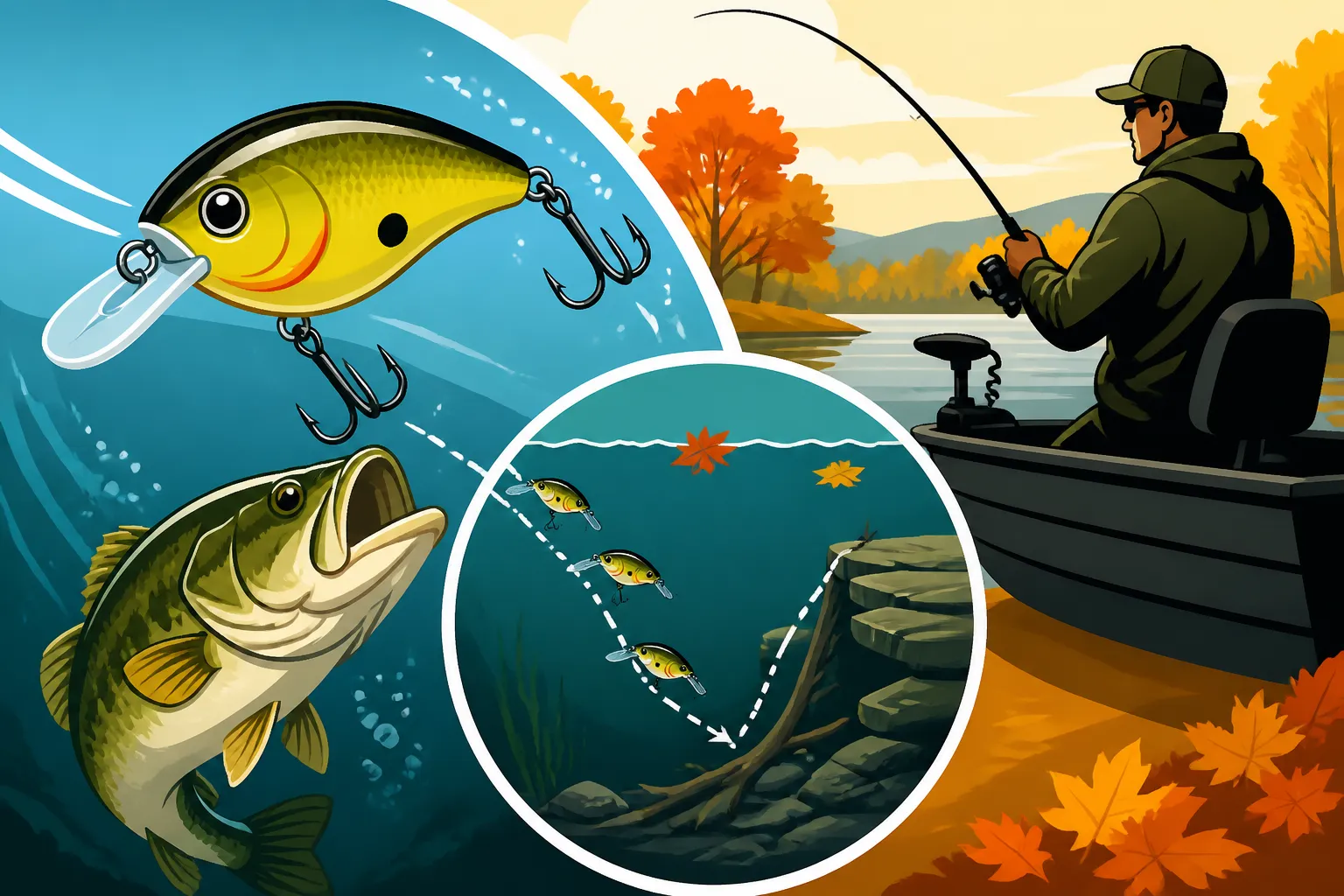
The first thing to consider is how deep your crankbait dives and what it looks like. As the water cools, baitfish will often move from shallow, vegetated areas to deeper water as the weeds start to die off. This means you'll typically be looking for crankbaits that can dive deeper than your summer shallow-divers. Medium-diving crankbaits (6-12 feet) and deep-diving crankbaits (12-20+ feet) become your go-to choices. Think about the depth of the water you're fishing and aim to have your crankbait occasionally hit the bottom or deflect off structure. These deflections are absolute strike triggers!
In terms of profile, think about what the bass are eating. In many Connecticut lakes, shad, alewives, and perch are common forage. A crankbait that closely mimics the size and shape of these baitfish will be incredibly effective. Flat-sided crankbaits are fantastic in colder water because they have a tighter wobble, which is often preferred by lethargic or cold-water bass, and they imitate a distressed baitfish perfectly. Squarebill crankbaits, while often associated with shallow, heavy cover, can still be effective in early fall when bass are transitioning, especially around riprap and rocky shorelines, because their blunt bill helps them deflect off structure without snagging. Don't underestimate the power of a squarebill in shallow fall waters where bass are still cruising for bait.
Color and Pattern Selection
Color choice is paramount, and it often depends heavily on water clarity and the predominant baitfish in your specific lake or river. For instance, on lakes where alewives are plentiful, a chrome/blue or pearl white pattern with a black back will often be a killer. If you're fishing a lake with a lot of perch, a perch-patterned crankbait is a no-brainer.
Here's a general guide:
- Clear Water: Natural colors are king. Think translucent greens, blues, browns, and whites. Shad patterns, perch patterns, and subtle crawfish colors (especially if bass are feeding on craws around rocky bottom) will be highly effective. The clearer the water, the more realistic your bait needs to look.
- Stained or Murky Water: You need something that stands out. Chartreuse, orange, bright greens, and even black/blue combinations can work wonders. These colors create a stronger silhouette and are easier for bass to see in reduced visibility. Sometimes, a bright color like chartreuse can elicit a pure reaction strike, even if it doesn't perfectly match any natural forage. When considering Best lure color for muddy water bass fishing, remember that the fall can sometimes bring rains that muddy up your favorite spots.
- Cloudy Days / Low Light: Darker backs (black or dark blue) with lighter bellies (silver, white, chartreuse) often create a better contrast against the dim sky, making the lure more visible to fish looking up.
Don't be afraid to experiment! Sometimes, an unnatural "shock" color can trigger a bite when nothing else will. You can find an incredible variety of crankbaits, often with specific dive curves and colors, on platforms like Amazon, making it easy to stock up for different conditions.
Mastering the Retrieve: Techniques for Fall Crankbait Fishing
Throwing a crankbait is more than just casting and reeling; the retrieve is where the magic really happens, especially in the fall when bass can be a bit more finicky but still highly reactive. You need to present the lure in a way that triggers their predatory instincts, making it look like a vulnerable, fleeing, or injured baitfish.
The Slow Roll and Intermittent Pause
As water temperatures continue to drop, bass metabolism slows down slightly from their early fall feeding frenzy, and they may not chase down a fast-moving bait. This is where the slow roll becomes incredibly effective. Cast your crankbait out and reel it back just fast enough for it to wiggle and maintain its depth. You want it just ticking the bottom or brushing against submerged cover. Every few turns of the reel handle, add a short pause, maybe for a second or two. This pause allows the bait to suspend or slowly float, often triggering a strike as the bass thinks it's an injured or dying baitfish. Many strikes happen right as you restart the retrieve, so be ready! This technique is especially potent when the Best water temperature for smallmouth bass fishing dips into the low 50s.
A variation of this is the stop-and-go retrieve. It's similar to the slow roll but with more deliberate, slightly longer pauses. Cast out, crank it down to depth, then pause for 2-3 seconds. Reel a few more cranks, then pause again. This erratic action can be deadly when bass are positioned tight to cover and aren't willing to chase a consistently moving lure.
Deflection and Contact Fishing
This is perhaps the most crucial aspect of fall crankbait fishing. Bass are ambush predators, and they love to strike when a bait changes direction abruptly or "escapes" from cover. Cast your crankbait so it runs directly into logs, rocks, stumps, weed lines, or other submerged structure. When the bait hits the obstacle, don't stop reeling. Instead, give your rod a slight twitch or just keep reeling steadily. The crankbait will deflect off the obstruction in an erratic, natural-looking way, mimicking a baitfish darting away from danger. This sudden, unexpected movement is often what triggers an immediate, violent strike.
This contact fishing approach means you'll inevitably get snagged sometimes. That's part of the game. But the rewards are often big, aggressive bass that wouldn't have otherwise bitten. Focus on areas with transition lines, like where a hard bottom meets soft mud, or where deep water suddenly rises to a shallow hump. These are classic ambush points where bass will wait for prey.
Table: Fall Crankbait Techniques by Water Temperature
| Water Temperature Range | Typical Bass Behavior | Recommended Crankbait Type | Retrieve Style | Key Focus Points |
|---|---|---|---|---|
| 60-68°F (Early Fall) | Aggressive, chasing baitfish schools | Medium/Deep Divers, Squarebills | Steady retrieve, occasional jerk, deflection-heavy | Covering water, mimicking active baitfish |
| 50-60°F (Mid Fall) | Still active, but may prefer slower baits | Deep Divers, Flat-Sided, Lipless Crankbaits | Slow roll, stop-and-go, prolonged pauses | Bottom contact, subtle changes in direction |
| 45-50°F (Late Fall) | More lethargic, tight to deep structure | Flat-Sided, Silent, Tight-Wobble Crankbaits | Very slow retrieve, long pauses, minimal action | Pinpoint casting to structure, subtle movements |
Remember to adjust based on specific water clarity and baitfish activity on your chosen Connecticut waterway.
Location, Location, Location: Where to Throw Crankbaits in Fall
Finding bass in the fall with crankbaits is all about understanding their seasonal movements in relation to baitfish and structure. They're on the hunt, but they're also looking for comfort and ambush points. Connecticut offers a diverse range of water bodies, from large lakes like Candlewood and Bantam to numerous rivers and smaller ponds, all of which will have different dynamics.
Focusing on Baitfish Migration Routes
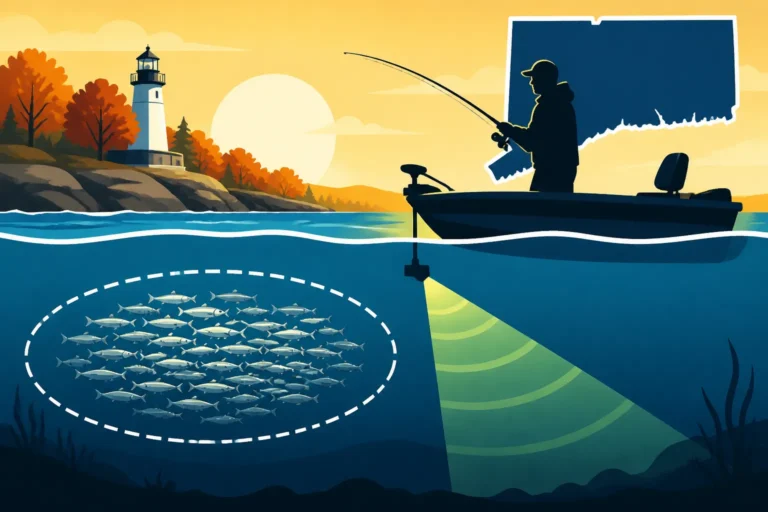
As summer fades, baitfish like alewives, shiners, and young-of-the-year perch will start to move out of the dying shallow weed beds and congregate in deeper, more open water. Bass will follow these schools. Look for areas where these baitfish might move between shallow feeding flats and deeper wintering holes. This often means creek channels, points, humps, and the edges of main lake basins. Use your electronics if you have them to scan for bait balls; where there's bait, there are often bass right underneath or close by.
Consider the layout of the lake. Long, tapering points that extend into deeper water are excellent, as they serve as natural highways for baitfish. The bass will sit on the sides or ends of these points, ambushing anything that passes by. On the Best Bass Fishing Lakes in Connecticut, pay close attention to the contours. Even slight changes in depth along a channel can hold a school of fish.
Structure and Transition Areas
Bass, especially in colder water, will relate very tightly to structure. This can include rock piles, submerged timber, docks, bridge pilings, and even old foundations. The key is to find structure that offers both cover and access to deeper water. A deep-diving crankbait is perfect for bouncing off these elements. As mentioned earlier, contact with the structure is a major strike trigger. If you're fishing a river like the Connecticut River for smallmouth, look for deeper bends with current breaks caused by large rocks or log jams. These are classic smallmouth holding areas.
Transition areas are also critical. Think about where a rocky bottom transitions to sand or mud, or where a steep drop-off meets a flat. These edges provide bass with excellent ambush points where they can hide and dart out to grab passing prey. On Candlewood Lake, for instance, you'll find plenty of rocky points and submerged humps that scream "bass hangout" in the fall. Early fall, when the Best time to fish before a cold front hits, can be exceptional on these types of structures as bass aggressively feed up. However, the fishing can change dramatically Best time to fish after a cold front.
Here's a list of prime Connecticut fall crankbait locations to consider:
- Lake Candlewood: Focus on the deeper rocky points and humps. The main lake basin areas where baitfish congregate are excellent. Check out the Best bass coves on Candlewood Lake for potential staging areas before fish move deep.
- Lake Lillinonah / Lake Zoar: These impoundments of the Housatonic River offer plenty of rock, timber, and channel swings that are perfect for crankbait fishing. River smallmouth in these areas will absolutely smash a crankbait.
- Smaller Ponds and Lakes: Don't overlook the countless smaller ponds throughout Connecticut. Many of these have good populations of largemouth that will school up in fall. Target areas near dam structures, deep points, and the deepest portions of the pond where any remaining baitfish might be.
Remember, the fall bite can be a feast or famine scenario. You might work an area for a while without a sniff, then hit a sweet spot and catch several fish in quick succession. Persistence and a willingness to cover water, combined with the right crankbait and retrieve, will make your fall fishing trips in Connecticut incredibly rewarding. Check out resources like the Connecticut Fishing Seasons by Month to dial in when the fall bite really kicks off in your chosen waters.
Disclaimer
This article is for general informational purposes only and does not constitute professional advice. Laws, prices and regulations vary by location and change over time. Consult a qualified professional for guidance on your specific situation.