Best bait for chain pickerel at ice-out
The moment the ice finally retreats from Connecticut's lakes and ponds is a truly special time for anglers, but it can also be a puzzle, especially when you're targeting those toothy chain pickerel. You've spent all winter dreaming of open water, and now that it's here, you want to make the most of it. This guide will walk you through the very best baits and strategies to entice chain pickerel during that crucial ice-out period, helping you turn those winter dreams into successful spring catches.
Understanding Chain Pickerel Behavior at Ice-Out
When the last patches of ice melt away, signaling the arrival of early spring, chain pickerel are undergoing a significant shift in their behavior. This isn't quite full-blown spring fishing; it's a transitional period that demands a specific approach. They're shaking off the lethargy of winter, but the water is still very cold, influencing where they are and what they're willing to eat.
Post-Winter Recovery and Metabolism
Just imagine yourself waking up after a long, cold nap. You're hungry, but maybe not ready to run a marathon. That's a bit like a pickerel at ice-out. Their metabolism, while picking up, is still somewhat suppressed by the frigid water temperatures. They're not chasing down fast-moving prey in open water yet. Instead, they're looking for an easy meal, something that doesn't require a lot of energy expenditure. This means your baits need to be presented accordingly – slower, more deliberate, and often right in their face. Think of it as a drive-thru menu rather than a chase scene.
They're also recovering from the winter's energy drain, making them opportunistic feeders. They're looking for calorie-dense meals to fuel their recovery and prepare for upcoming spawning activities. This is why certain bait types really shine during this window. Understanding this underlying physiology is key to choosing the right offering and presentation. They're not going to be super aggressive, but they will strike if the opportunity is right.
Locating Pickerel in Cold, Shallow Waters
As the sun begins to warm the water, even slightly, pickerel will gravitate towards the warmest available spots. This almost always means shallower areas of the pond or lake. Think about those northern coves that get direct sunlight all day, or shallow flats adjacent to deeper water. These areas will warm up first, attracting baitfish and, consequently, hungry pickerel.
Structure is also absolutely critical. Pickerel are ambush predators by nature, and even more so in cold water. They'll hide in submerged weeds, around fallen trees, brush piles, or even dock pilings that were frozen in all winter. These spots provide cover from predators and offer prime ambush points for unsuspecting prey. Don't waste your time casting into vast expanses of open, cold water; focus on the edges, the pockets, and any visible or suspected structure in those shallow, sun-warmed areas. Knowing the Chain Pickerel Habits in Connecticut Ponds can really help narrow down your search.
Top Baits for Early Season Chain Pickerel
When the ice has just peeled back, you need baits that are tempting without requiring a lot of energy from the pickerel to strike. This isn't the time for lightning-fast retrieves; it's about subtle appeal and enticing presentations.
Live Minnows: The Unbeatable Classic
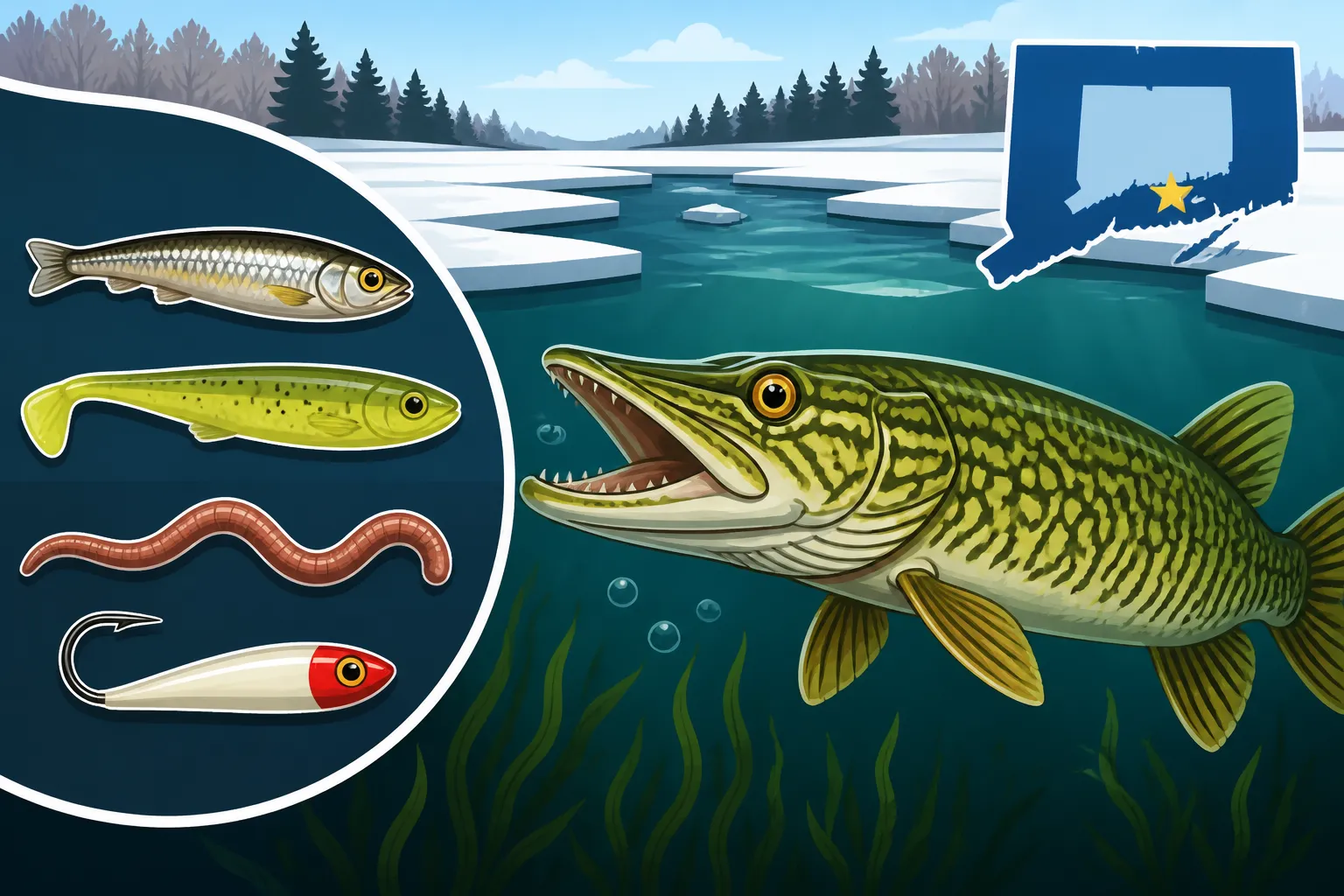
There's a reason live bait is often considered king, especially in cold water. Live minnows, whether shiners, golden shiners, or even small creek chubs, are incredibly effective for ice-out pickerel. They offer natural movement, scent, and a meal that looks absolutely effortless to a sluggish pickerel.
When selecting live minnows, consider their size. You want something substantial enough to tempt a pickerel but not so large that it intimidates them. A 3-5 inch minnow is usually a sweet spot. Present them on a simple hook-and-sinker rig, perhaps a #4 or #2 wide-gap hook, depending on the minnow size, with just enough weight to keep them in the strike zone. You can fish them suspended under a bobber near structure, or slowly drift them along drop-offs in those warmer shallows. The key is to let the minnow do the work. Its natural struggles and movements are often all it takes to trigger a strike from a hungry pickerel. You might even find a good selection of quality hooks and other terminal tackle for live bait fishing on Amazon.
Suspending Jerkbaits: The Subtle Assassin
Jerkbaits that suspend motionless in the water column can be absolutely deadly for ice-out pickerel. Brands like Rapala Husky Jerk or Smithwick Rogue are perennial favorites. The beauty of a suspending jerkbait is its ability to imitate a stunned or dying baitfish with minimal effort from you.
The retrieve is crucial here. Cast it out, give it a few quick twitches to get it down to depth, and then pause. A long pause – sometimes 10, 15, or even 20 seconds – is often what triggers the strike. During this pause, the bait just hangs there, quivering slightly, looking like an easy meal. The water is still cold, remember, so a pickerel won't chase a fast-moving target very far. These long pauses give them ample time to approach and commit. Vary your twitch-and-pause retrieve until you find what works, but always err on the side of longer pauses in colder water. This technique is similar to what you might use for bass in early spring, proving that patience is a virtue when the water is frigid.
Slow-Rolling Spinnerbaits: Flash and Vibration
While fast retrieves are out, a slow-rolled spinnerbait can be surprisingly effective. The key is slow. You want just enough retrieve speed to get the blades turning and creating vibration and flash, but not so much that the bait speeds past a pickerel's strike zone before it decides to commit.
Opt for spinnerbaits with a single, large Colorado blade or a tandem setup with a Colorado and a willow leaf blade. The Colorado blade provides maximum thumping vibration, which is excellent for cold, murky ice-out conditions. Use natural baitfish colors like white, chartreuse, or silver. Cast these baits near submerged grass lines, fallen timber, or around docks. Let it sink for a moment, then begin a painfully slow retrieve, occasionally ticking it off cover. The flash and vibration can draw strikes from pickerel that aren't actively foraging, acting more as an irritation or a territorial response than a hunger strike. If you're looking for a good variety, Amazon often has great deals on various spinnerbaits.
Soft Plastic Swimbaits: Realistic Profile
Soft plastic swimbaits, especially those with a paddle tail, can offer a incredibly realistic baitfish profile with a subtle, natural swimming action. Think Kietech Swing Impact or Berkley PowerBait Power Swimmer. These baits excel when rigged on a weighted swimbait hook or a simple jig head.
The key to fishing these at ice-out is again, slow and steady. Cast it out and let it sink near structure. Retrieve it just fast enough to get that paddle tail kicking, mimicking a slowly swimming baitfish. You can also incorporate short pauses or subtle lifts of the rod tip to give it a dying action. The soft texture and lifelike profile are hard for a pickerel to resist, especially when it's just lazily cruising the shallows. Experiment with sizes from 3-5 inches and natural baitfish colors to match the forage in your particular pond.
Here’s a quick overview of these top baits:
| Bait Type | Ideal Conditions | Pros | Cons | Retrieve Style |
|---|---|---|---|---|
| Live Minnows | Very cold water, lethargic fish | Natural scent/action, high catch rate | Requires live bait storage/maintenance | Still fish, slow drift under bobber |
| Suspending Jerkbaits | Cold water, structure adjacent to open water | Mimics dying baitfish, long pauses | Specific retrieve required, can snag | Twitch-twitch-pause (long pauses) |
| Slow-Roller Spinnerbaits | Murky water, moderate cold, cover | High vibration/flash, covers water | Can snag, less natural action | Slow and steady, just enough for blades to turn |
| Soft Plastic Swimbaits | Clear to slightly murky, moderate cold | Realistic profile, subtle action | Can be ripped off hooks easily | Slow roll, occasional lift-and-drop |
Techniques for Presenting Ice-Out Pickerel Baits
It's not just about what bait you use, but how you present it. At ice-out, a finesse approach is often more effective than an aggressive one. Remember, these fish are still shaking off the winter chill.
The Art of the Slow Retrieve and Pause
This is perhaps the single most important technique for ice-out pickerel. Whether you're using a jerkbait, swimbait, or even a spinnerbait, a slow, deliberate retrieve with extended pauses is your best friend. A pickerel might follow a bait for a bit, but it needs time to commit in cold water. If your bait zips by too quickly, it'll simply watch it go.
With jerkbaits, as mentioned, the pauses can be agonizingly long. Count to five, ten, even fifteen seconds. With swimbaits or spinnerbaits, think of it as a crawl rather than a swim. Just enough speed to get the lure's action working. This slow presentation gives the pickerel ample time to approach, inspect, and ultimately strike. This approach also works well when targeting other early spring predators, so keep it in mind for your Spring Trout Fishing Techniques for Connecticut Streams.
Targeting Structure and Cover
As noted, pickerel love to ambush. At ice-out, they're not going to expend energy chasing open-water baitfish. Instead, they'll hug tight to any available cover. This means fallen trees, brush piles, docks, rocks, and especially emerging weed lines are prime targets.
Cast your bait as close to this structure as possible without getting hung up. If you're using live minnows, float them just outside the edge of a brush pile. If you're working a jerkbait, make sure it pauses right in front of or within the structure. The goal is to present your bait as an easy, unsuspecting meal that has wandered too close to their hiding spot. Don't be afraid to make multiple casts to the same piece of structure from different angles. Pickerel can be picky, but persistent presentation often pays off.
Vertical Jigging in Deeper Pockets
While ice-out pickerel often frequent shallows, there might be situations where you find them in deeper pockets adjacent to those warmer flats, especially if there's a strong drop-off or thermocline forming. In these cases, vertical jigging can be effective.
Use a jigging spoon or a heavier soft plastic swimbait on a jig head. Position your boat or kayak directly over suspected pickerel holding areas – perhaps a deep channel edge or a hummock. Drop your bait to the bottom, then lift and drop it slowly, allowing it to flutter and fall. This mimics a dying baitfish struggling on the bottom. The key is subtle movement. Don't rip it; gently lift and let it fall. The flash of a spoon or the slow undulation of a swimbait can trigger strikes from deeper, less active pickerel. This technique is often overlooked for pickerel but can be a game-changer when conditions are tough.
Essential Gear for Ice-Out Pickerel Fishing
Having the right tackle is just as important as choosing the right bait and technique. You don't need highly specialized gear, but a few considerations will make your ice-out pickerel pursuit much more enjoyable and successful.
Rod, Reel, and Line Setup
For pickerel, a medium-light to medium power spinning rod, about 6'6" to 7' long, with a fast action tip, is ideal. This combination gives you the backbone to fight a feisty pickerel while retaining enough sensitivity to detect subtle cold-water bites. A 2500 or 3000 series spinning reel spooled with 8-10 pound monofilament or fluorocarbon line will serve you well. Monofilament has a bit of stretch, which can be forgiving with aggressive strikes, while fluorocarbon offers excellent sensitivity and low visibility. Some anglers prefer braided line for its strength and no-stretch sensitivity, but if you go this route, always add a fluorocarbon leader. You can find excellent quality fishing line and reels on Amazon.
The main thing to avoid is ultralight gear. While pickerel aren't huge, they have sharp teeth and can put up a good fight. You need enough power to set the hook firmly and steer them away from snags, which are often where they live. A lighter setup might make landing a fish risky.
Leaders for Tooth Protection
This is non-negotiable for chain pickerel. They are called "chain" pickerel for a reason – their mouths are full of sharp, needle-like teeth that will make short work of monofilament or fluorocarbon leaders. You will get bitten off if you don't use a bite-resistant leader.
A steel or fluorocarbon leader of 12-20 pound test is essential. While steel leaders offer ultimate protection, they can sometimes deter bites in very clear water. A heavier fluorocarbon leader (20-30lb test) offers a good compromise, being more abrasion-resistant than standard line and less visible than steel. Tie your leader directly to your main line using a strong knot like an Albright or surgeon's knot, and then tie your lure or hook to the leader. Pre-made leaders are also available and are a convenient option. This small addition can save you a lot of lost lures and frustration.
Essential Accessories
Don't forget the small things that make a big difference.
- Pliers or Forceps: You absolutely need these to safely remove hooks from a pickerel's toothy maw. Attempting to do it by hand is a recipe for a trip to the emergency room. Long-nosed pliers are a must-have, readily available at any tackle shop or even on Amazon.
- Net: A landing net can be very helpful, especially if you're fishing from a boat or a high bank. It makes landing and handling the fish much safer for both you and the fish.
- Camera: Catching an ice-out pickerel is a memorable experience, so have a camera ready to capture the moment before a quick release.
- Warm Clothing: Even though the ice is out, early spring mornings in Connecticut can still be quite chilly, especially on the water. Dress in layers, wear a hat, and bring gloves. You'll thank yourself for it. Check the Connecticut Fishing Seasons by Month to know what to expect weather-wise for your trip.
By understanding pickerel behavior at ice-out, choosing the right baits and presentations, and gearing up appropriately, you'll be well on your way to enjoying some fantastic early spring action. So bundle up, get out there, and embrace that glorious ice-out fishing!
Disclaimer
This article is for general informational purposes only and does not constitute professional advice. Laws, prices and regulations vary by location and change over time. Consult a qualified professional for guidance on your specific situation.