Best boat ramps on Long Island Sound
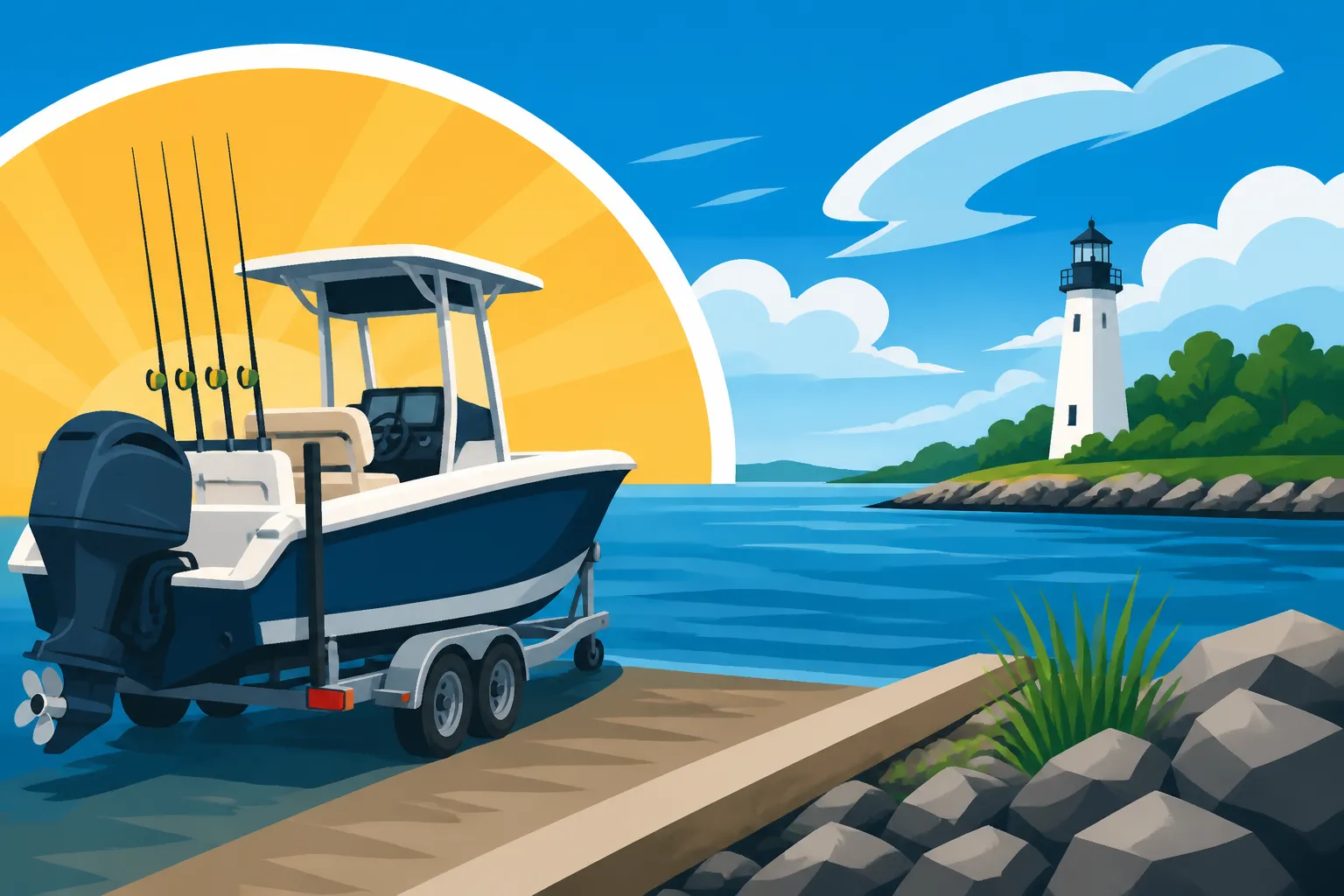
It can be incredibly frustrating when you're itching to get your boat on the beautiful waters of Long Island Sound, but you're not quite sure where the best launching points are. Between crowded ramps, tricky tides, and varying facilities, just getting started can feel like a major hurdle. This guide is here to cut through the confusion, helping you discover the prime public boat ramps across Connecticut's shoreline, ensuring your next fishing or boating adventure begins smoothly and stress-free.
Navigating the Challenges of Long Island Sound Boat Ramps
Getting your boat into Long Island Sound shouldn't be a test of patience or a guessing game. Many anglers and boaters, myself included, have shown up at what looked like a promising launch only to find inadequate parking, a ramp too shallow for their draft, or a long line of frustrated people. The sheer variety of ramps available, from bustling state-run facilities to smaller town-owned launches, means you need a little insider knowledge to pick the right one for your specific needs. It's about more than just a piece of concrete meeting the water; it's about the entire experience.
Understanding Different Ramp Types and Facilities
When you're looking for a boat ramp along Connecticut's Long Island Sound, you'll encounter a mix of options, each with its own set of characteristics. Public ramps are usually your best bet for general access, but even these can vary greatly. State boat launches, managed by the Connecticut Department of Energy and Environmental Protection (DEEP), are often well-maintained, offer multiple launching lanes, and usually have ample parking. These are often considered the gold standard for public access. Then there are municipal ramps, owned and operated by individual towns. These can range from fantastic, full-service operations to more rustic, single-lane concrete slabs. Some municipal ramps are free for residents but charge a daily or seasonal fee for non-residents, while others might be first-come, first-served with limited amenities.
Private marinas also sometimes offer transient launch services for a fee, but these are less common for day-trippers just looking to drop their trailer boat. Understanding these differences helps set expectations. A ramp in a busy town like Norwalk might have excellent facilities but could be extremely crowded on a summer Saturday, whereas a smaller town's ramp might offer more solitude but fewer services like restrooms or dedicated dock space for staging. Always check ahead for the most up-to-date information on fees, hours, and available amenities.
Considerations for Vessel Size and Trailer Parking
One of the biggest headaches at any boat ramp is dealing with vessel size and, more importantly, trailer parking. If you've got a smaller jon boat or kayak, you'll likely have a lot more flexibility. But for those with larger center consoles or cuddy cabins, the length of the ramp, the depth of the water at low tide, and the turning radius at the top of the ramp become critical factors. A ramp that's perfectly fine at high tide might become a mud flat or an abrupt drop-off when the water recedes, leaving you high and dry (literally!). It's always a good idea to scout a new ramp during varying tide conditions if possible, or at least consult tide charts before you head out.
Then there's the parking situation. Nothing ruins a pre-dawn fishing trip like arriving at a ramp to find the entire trailer lot full, forcing you to scramble for alternative parking or worse, find another ramp. State park ramps often boast the largest parking areas, but even these can fill up quickly during peak season or major fishing tournaments. Many municipal ramps have more limited parking, sometimes requiring you to park your truck and trailer a significant distance from the actual ramp, which can be a hassle. For any boater heading out to the Sound, being prepared for these logistical challenges is just as important as having the right gear on your boat. When planning your trip, consider checking the Connecticut Boating Laws for Anglers for any specific regulations that might impact your launch.
Top Public Boat Ramps on Long Island Sound
Connecticut boasts a fantastic coastline along Long Island Sound, offering access points from the Rhode Island border all the way to New York. The quality and accessibility of these ramps can vary, but there are several standout locations that consistently provide a good experience for boaters looking to explore the Sound's rich waters for fishing, cruising, or just enjoying a day out. Knowing where to go can save you a lot of time and hassle, especially on those beautiful summer mornings when everyone else has the same idea.
Eastern Connecticut Gems: Stonington to Niantic
Heading east, toward the Rhode Island border, you'll find some excellent options. Stonington Public Boat Launch (known locally as the Palmer Street Ramp) is a popular choice. It offers good access to the eastern Sound, Fisher's Island Sound, and Block Island waters. This ramp is generally well-maintained with adequate parking, though it can get very busy, particularly during striped bass season. Many anglers launching here target species like fluke, blackfish, and the migratory striped bass that frequent these productive waters.
Further west, Mystic River State Boat Launch in Groton provides access to the scenic Mystic River and then out into Fishers Island Sound. While not directly on Long Island Sound, its close proximity makes it a viable option. It's a dual-lane ramp with decent parking, suitable for various boat sizes. Nearby, the Niantic River State Boat Launch in East Lyme is another excellent choice. Situated on the Niantic River, it offers a sheltered launch before you head out to the main Sound. This ramp features multiple lanes, ample parking, and often has dock space for easy staging. From here, you're in a prime position to explore popular Long Island Sound Striped Bass Spots or chase summer flounder. Charters listed on platforms like FishingBooker often utilize these well-equipped eastern ramps for their outings, a testament to their convenience and access to quality fishing grounds.
Central Connecticut Access Points: Old Saybrook to New Haven
As we move towards the central part of Connecticut's coast, the options continue to be robust. Great Island State Boat Launch in Old Saybrook is arguably one of the best state launches in Connecticut. Located right near the mouth of the Connecticut River, it provides unparalleled access to both the river and the Sound. This facility boasts multiple wide launching lanes, expansive paved parking for numerous trailers, and often has staff on site during peak times. It's ideal for those targeting everything from striped bass in the river to black sea bass and fluke in the open Sound. Its location is a major draw, offering a quick run to numerous reefs and rips.
Venturing further west, you'll find the Clinton Town Boat Launch in Clinton, a popular municipal option. It’s a good, solid ramp, though parking can be more limited than Great Island. It provides access to Clinton Harbor and then out to the Sound. In the New Haven area, the New Haven State Boat Launch is another crucial access point. Situated within New Haven Harbor, it's a busy but efficient launch with multiple lanes and a large parking area. From here, you can easily access the inner and outer harbor, the Thimble Islands, and deeper waters for a variety of species. Knowing the specific Connecticut Fluke and Summer Flounder Regulations will be key when launching from these central spots. Many local guides featured on FishingBooker frequently depart from these central Connecticut locations due to their strategic positioning for diverse fishing opportunities.
Western Connecticut Options: Bridgeport to Greenwich
For those in western Connecticut, several ramps offer access, though they can often be even busier due to higher population density. The Bridgeport State Boat Launch (sometimes referred to as the Tongue Point Boat Launch) is a large, multi-lane facility that handles a significant volume of traffic. Located on Cedar Creek in Bridgeport, it provides quick access to Black Rock Harbor and then into Long Island Sound. Parking is extensive but can still fill up on prime weekends. This ramp serves as a gateway to the productive fishing grounds in the western Sound, including various reefs and rocky areas that hold striped bass and tautog.
Continuing west, the Norwalk Cove Marine Park in Norwalk offers excellent municipal facilities. While it's a busy marina, they do have public ramps, usually for a fee, but they are well-maintained with good parking. It's a great choice for accessing the Norwalk Islands and the western Sound. Finally, in the far western part of the state, the Greenwich Point Boat Launch (known as Tod's Point) in Greenwich provides access. This is a town-run facility with restrictions; non-residents typically need a daily pass and often face higher fees, sometimes requiring advance booking. However, it offers access to the pristine waters of Greenwich Cove and the surrounding Sound. Before heading out, always ensure your vessel meets Life Jacket Requirements for Connecticut Boaters, especially with kids on board, regardless of where you launch.
Here’s a quick overview of some popular Long Island Sound boat ramps:
| Ramp Name | Location | Type | Number of Lanes | Parking Capacity | Fees (Approx. Daily) | Notable Access To |
|---|---|---|---|---|---|---|
| Great Island State Boat Launch | Old Saybrook | State | 4-6 | Large | CT Residents: Free | CT River, Eastern & Central LIS |
| Non-residents: ~$15 | ||||||
| Niantic River State Boat Launch | East Lyme | State | 2 | Medium-Large | CT Residents: Free | Niantic River, Central & Eastern LIS |
| Non-residents: ~$15 | ||||||
| Stonington Public Boat Launch | Stonington | Municipal | 2 | Medium | Residents: Free | Fishers Island Sound, Eastern LIS, Block Island |
| Non-residents: ~$20 | ||||||
| New Haven State Boat Launch | New Haven | State | 3 | Large | CT Residents: Free | New Haven Harbor, Central LIS, Thimble Islands |
| Non-residents: ~$15 | ||||||
| Bridgeport State Boat Launch | Bridgeport | State | 3 | Large | CT Residents: Free | Black Rock Harbor, Western LIS |
| Non-residents: ~$15 | ||||||
| Norwalk Cove Marine Park | Norwalk | Private/Town | 2 | Large (paid) | Varies, ~$25-40 | Norwalk Islands, Western LIS |
Note: Fees and availability can change. Always confirm with local authorities or the marina directly before visiting.
Essential Tips for Using Long Island Sound Boat Ramps
Using a boat ramp efficiently and safely is a skill that comes with practice, but a few universal tips can make the experience smoother for everyone. Whether you're a seasoned pro or new to trailering, remembering proper etiquette and planning your timing can prevent delays and make your day on the water much more enjoyable. It's about being prepared and considerate, especially on busy weekends when everyone wants to hit the water.
Timing Your Launch and Retrieval
One of the most crucial elements of using Long Island Sound boat ramps effectively is timing. On sunny summer mornings, especially Saturdays and Sundays, ramps can become incredibly congested. Arriving early, often before sunrise, is a classic strategy to beat the crowds, giving you first dibs on parking and a smoother launch. Conversely, planning your retrieval during off-peak hours can also save you a lot of waiting. Consider coming in for lunch or waiting until later in the evening after the initial wave of boaters has left.
Beyond human traffic, the tides on Long Island Sound play a significant role. Many ramps, especially those in shallower harbors or rivers, can become difficult or even unusable at very low tide, particularly for larger boats. Always check the tide charts for your specific ramp location. Aim to launch and retrieve during mid-to-high tide if possible, to ensure sufficient water depth and prevent your prop or lower unit from hitting bottom. This proactive approach ensures a hassle-free start and end to your boating day.
Etiquette and Safety at the Ramp
Boat ramp etiquette is about respect for other boaters and efficiency. Before you even get to the ramp itself, prepare your boat. This means loading all your gear, attaching fenders, inserting the drain plug, removing tie-downs, and getting your lines ready while you are in the staging area, not blocking the ramp. Once you're on the ramp, launch quickly and efficiently. Have your driver back the trailer down smoothly, while a second person (if available) handles the boat. If you're alone, practice backing up and launching to minimize delays.
Safety is paramount. Always ensure your tow vehicle is in good working order and capable of handling the weight of your boat and trailer. Use proper safety chains and ensure your trailer lights are functioning. When retrieving, try to retrieve just as quickly as you launched, and again, pull out of the way to strap down your boat and remove gear. Never spend excessive time on the ramp itself. Being considerate and prepared not only makes your experience better but also helps keep the entire ramp operation flowing smoothly for everyone. You might also find it useful to review the requirements for the Connecticut Safe Boating Certificate Requirement if you haven't already.
Planning Your Long Island Sound Fishing Trip Around Ramp Access
Understanding boat ramp access is more than just getting your boat wet; it's a fundamental part of planning a successful fishing trip on Long Island Sound. The location of your chosen ramp directly influences where you can fish, what species you can target, and how quickly you can get to the action. Thoughtful planning can mean the difference between a productive day on the water and a frustrating one.
Pairing Ramps with Prime Fishing Grounds
The right boat ramp can put you right on top of your preferred fishing grounds. For instance, if you're keen on targeting striped bass in the rips and reefs of the eastern Sound, launching from the Stonington Public Boat Launch or the Niantic River State Boat Launch makes perfect sense. These ramps offer relatively quick runs to areas known for holding stripers, bluefish, and bottom fish. Similarly, if you're aiming for the central Sound's fluke grounds or the structure that holds blackfish, ramps like Great Island in Old Saybrook or the New Haven State Boat Launch put you in an ideal position to reach those spots without excessive travel time.
For those interested in exploring the protected coves and islands of the western Sound for smaller bass or even some panfish, the ramps in Norwalk or Bridgeport offer direct access to those inshore areas. The choice of ramp should always align with your fishing goals. Don't pick a ramp in western Connecticut if your target species is primarily found closer to Block Island, as you'll spend more time burning fuel than actually fishing. Consider consulting a Long Island Sound Fishing Guide to help match your desired species and fishing locations with the most convenient boat ramps.
Using Online Resources and Local Knowledge
In today's digital age, there's no excuse not to do your homework before heading to a new boat ramp. Websites like FishingBooker, while primarily for charter bookings, often provide valuable insights into popular fishing areas accessed from various ports, which can indirectly inform your ramp choice. State DEEP websites usually have detailed maps and information about their public boat launches, including amenities and any fees. Google Maps with satellite view can be an invaluable tool for scouting out parking situations, ramp angles, and proximity to fishing grounds from the comfort of your home.
Don't underestimate the power of local knowledge either. A quick chat with anglers at a local tackle shop or joining online fishing forums can provide real-time updates on ramp conditions, crowds, and even the current bite. They might even share tips about less-known municipal ramps that offer easier access during peak times. Always cross-reference information to ensure accuracy, but combining these resources will give you the most comprehensive picture for a smooth launch and a successful fishing trip. Remember, being prepared is half the battle when it comes to getting out on the water and making the most of your time on Long Island Sound.
Disclaimer
The information provided in this guide is for general informational purposes only and is subject to change. Fees, regulations, and facility availability can vary. Always check with the relevant local and state authorities (e.g., CT DEEP, municipal recreation departments) for the most current and accurate information before planning your trip. Boaters are responsible for adhering to all state and federal boating laws and safety regulations.