Best boat ramps on the Connecticut River
Finding the perfect boat ramp on the Connecticut River can feel like a quest, especially when you're itching to get your lines in the water and not waste precious fishing time trying to figure out logistics. This guide is here to cut through the confusion, offering a comprehensive look at the best public boat ramps along Connecticut's largest waterway, ensuring you pick the ideal launch point for your next angling adventure.
Navigating the Mighty Connecticut River: More Than Just Water
The Connecticut River is a true gem, stretching over 400 miles from its headwaters in northern New Hampshire all the way to Long Island Sound. In Connecticut, it offers an incredible diversity of fishing experiences, from calm freshwater stretches teeming with bass and pike to tidal estuaries where striped bass and bluefish roam. But accessing these fantastic waters often starts with one critical decision: where to launch your boat.
Why a Good Boat Ramp is Your Gateway to Success
Think of a good boat ramp as your personal red carpet to adventure. It’s not just about getting your boat wet; it’s about a smooth, safe, and efficient launch and retrieve, freeing you up to focus on the fishing. A poorly chosen ramp can lead to frustrating delays, damaged equipment, or even safety hazards. Imagine trying to launch a 20-foot center console at a shallow, narrow ramp designed for kayaks, or attempting to pull out your boat when the tide has completely disappeared from a ramp that relies heavily on water depth. It’s a recipe for a bad day, and nobody wants that. The right ramp ensures you spend less time wrestling with your trailer and more time chasing those trophy fish, whether you're targeting elusive trout upstream, fighting powerful striped bass in the tidal sections, or exploring the vastness of Long Island Sound. Knowing your launch options also lets you plan your day more effectively, considering travel time to your preferred fishing grounds and avoiding congested spots.
The River's Diverse Character: From Freshwater to Saltmarsh
The Connecticut River within our state borders undergoes a fascinating transformation. Upstream, particularly north of Hartford, it behaves much like a traditional freshwater river—relatively narrow, with a noticeable current, and home to species like largemouth and smallmouth bass, northern pike, and a variety of panfish. As you move downstream, past Middletown, the river widens considerably, and the influence of the tides from Long Island Sound becomes undeniable. This section, known as the freshwater tidal river, offers a unique blend of habitats where you can find both freshwater species and migratory fish like striped bass and American shad. Further south, especially as you approach Old Saybrook, the river becomes increasingly brackish, eventually transitioning into a full saltwater estuary that feeds directly into Long Island Sound. This dramatic shift means that the "best" boat ramp really depends on what you're fishing for and where you plan to fish. A ramp perfect for a small jon boat heading after pike in Windsor might be totally inadequate for a large saltwater fishing vessel looking to tackle the rips near the mouth of the river. Understanding this diverse character is key to making an informed decision about your launch point.
Unveiling Connecticut River's Premier Boat Ramps
Let's dive into some of the most reliable and popular boat ramps along the Connecticut River, broken down by their general location and the types of fishing they best facilitate.
Upstream Gems: Accessing Freshwater Sanctuaries
For those who love the peace and quiet of freshwater angling, the upper reaches of the Connecticut River offer some fantastic launch opportunities. These spots are generally better suited for smaller boats, kayaks, and canoes, providing access to more intimate river sections.
Enfield Boating Access
Located in the northernmost part of Connecticut, near the Massachusetts border, the Enfield Boating Access is a solid choice for anglers looking to explore the upper freshwater sections of the river. This ramp offers a fairly straightforward concrete launch suitable for most trailered boats up to about 20 feet, though larger vessels might find it a bit snug, especially during lower water levels. The river here is narrower and characterized by slower currents, making it excellent for targeting a variety of freshwater species. You'll often find anglers here pursuing largemouth and smallmouth bass in the numerous coves and along submerged structure. It's also known for good populations of carp, catfish, and even some northern pike if you venture into the weedy backwaters. Parking is usually adequate, and it tends to be less crowded than some of the more central or southern ramps, offering a more serene fishing experience. If you're interested in the finer details of fishing this region, you might find our guide on How to Catch Smallmouth Bass in Connecticut Rivers particularly helpful.
Windsor Meadows State Park
Just a bit downstream from Enfield, the ramp at Windsor Meadows State Park provides another excellent freshwater access point. This state park offers a well-maintained concrete ramp and ample parking, catering well to those with moderately sized boats, kayaks, and paddleboards. The river here is still largely freshwater, but it has begun to widen slightly, offering a mix of open water and sheltered areas. Anglers often launch here to explore the various islands and channels for largemouth bass, particularly around fallen timber and weed beds. It’s also a good spot for panfish like bluegill and crappie, especially in the quieter backwater sections. The overall atmosphere here is quite pleasant, with opportunities for birdwatching in addition to fishing. It’s a great family-friendly option if you're looking for a relaxed day on the water without the hustle and bustle of busier areas further south.
Glastonbury Boating Access / Great River Park East Hartford
Moving further south into the central part of the state, the Glastonbury Boating Access and Great River Park in East Hartford offer access to broader freshwater stretches that are beginning to feel the subtle influences of the tide. The Glastonbury ramp is a popular spot, providing a solid concrete launch, good parking, and often a courtesy dock, which is a huge plus for loading and unloading. Across the river, Great River Park in East Hartford offers a similar experience, with good facilities and easy access. These ramps open up a vast section of the river that's fantastic for bass fishing, with plenty of structure, ledges, and feeder creeks. Many anglers also find good numbers of northern pike here, especially in the deeper, slower sections and around the mouths of tributaries. You can also target walleye, though they are less common here. For those interested in the toothy predators, our article on Northern Pike Waters in Connecticut might give you some additional insights into where to find them. Given their central location near the capital city, these ramps can get quite busy, especially on weekends and during prime fishing seasons, so arriving early is often a wise strategy.
Mid-River Havens: Where Freshwater Meets the Tide
As the Connecticut River widens and deepens around the Middletown area, it transitions into a fascinating tidal freshwater zone. These ramps are fantastic for accessing a broader range of species and offer a taste of both freshwater and migratory fishing.
Portland Boating Access / Harbor Park Middletown
These two ramps, facing each other across the river, are truly central to Connecticut River fishing. The Portland Boating Access, managed by the DEEP, is a large, multi-lane concrete ramp with extensive parking, easily accommodating larger trailer boats. Similarly, Harbor Park in Middletown boasts excellent facilities, often including transient slips and amenities, reflecting its urban location. From these points, you have immediate access to some of the river's deepest channels and most productive fishing grounds. This section is legendary for its spring American shad runs, drawing anglers from all over the Northeast. Beyond shad, you'll find thriving populations of striped bass, especially during their spring and fall migrations, as they push far upriver. Largemouth and smallmouth bass are also plentiful, particularly in the numerous coves and around submerged structures. The tidal influence here is significant, so understanding the tide charts is crucial for safe and efficient launching and retrieval. These ramps are generally very well-maintained and offer a vibrant hub of boating activity.
Haddam Meadows State Park
Haddam Meadows State Park is a perennial favorite, situated in a beautiful, expansive section of the river where the tidal influence is strong and the scenery is stunning. This ramp is exceptionally popular and for good reason: it’s a wide, multi-lane concrete launch that can handle a high volume of traffic and a wide range of boat sizes, from kayaks to larger center consoles. Parking is generous, though it can still fill up quickly on peak days. From Haddam Meadows, you gain access to fantastic fishing for striped bass, especially around the numerous islands and structure, as well as excellent opportunities for white perch and catfish. Many anglers also use this ramp as a gateway to explore the mouth of the Salmon River, a well-known tributary, for different angling opportunities. Its popularity means you’ll often encounter a bustling scene, but the access it provides to such diverse and productive waters makes it well worth it. Planning your trip with a service like FishingBooker can sometimes help you find local guides or charters that frequently use this popular ramp, potentially saving you the hassle of launching your own boat if you're new to the area.
Downstream Gateways: Embracing the Tidal Estuary and Sound
As the Connecticut River continues its journey south, it widens even more, becoming increasingly brackish and acting as a major highway for migratory saltwater species. These downstream ramps are perfect for those targeting the big game fish of Long Island Sound.
Deep River Town Landing / East Haddam Boating Access
These ramps provide excellent access to the scenic lower Connecticut River, where the tidal swings are even more pronounced. The Deep River Town Landing is a well-regarded municipal ramp, often with a courtesy dock, making launches and retrieves smoother. The East Haddam Boating Access is another solid state-managed option nearby. From these points, you're in prime striped bass territory, particularly as the season progresses and fish move in and out of the river mouth. You'll also find abundant white perch, especially in the protected coves and creeks, and excellent carp fishing in the shallower, calmer areas. These ramps are generally robust enough to handle mid-sized to larger boats that are heading for the wider river or even making a short run to the Sound. However, paying close attention to the tides is paramount here, as the water levels can change dramatically, especially in the narrower river channels, impacting ramp steepness and depth.
Fort Saybrook State Park Old Saybrook
When you're serious about saltwater fishing and want direct, unhindered access to both the lower Connecticut River and Long Island Sound, the boat ramp at Fort Saybrook State Park in Old Saybrook is arguably the best option. This state-of-the-art facility features multiple wide concrete lanes, extensive parking, and excellent courtesy docks, making it ideal for everything from small skiffs to large offshore fishing vessels. Its location right at the mouth of the river means you're just minutes away from prime fishing grounds for striped bass, bluefish, fluke, and black sea bass in the Sound. Many of the most successful Striped Bass Fishing in Long Island Sound and Fluke Fishing in Long Island Sound trips start right here. Because of its strategic location and superb amenities, this ramp is incredibly popular and can become extremely crowded during peak seasons, particularly on summer weekends and holidays. Arriving early or planning your launch during off-peak hours is highly recommended. It’s also a common starting point for many professional fishing charters in the region, which you can often find listed on platforms like FishingBooker, providing an alternative if you prefer to fish with an experienced captain.
Crucial Considerations for Your Connecticut River Launch
Choosing the right boat ramp isn't just about location; it's about understanding the nuances that can make or break your day on the water.
Matching Your Vessel to the Ramp
This might seem obvious, but it's a critical point many new boaters overlook. Not all ramps are created equal, and trying to force a square peg into a round hole (or a large deep-V into a shallow, gravel ramp) is asking for trouble. Consider your boat's draft – how much water it needs to float – and the length of your trailer. Some ramps, especially in the upper river, might be quite shallow at low water levels, making it impossible to launch a boat with a deep keel. Similarly, a long trailer needs sufficient space to maneuver and turn around in the parking area, something smaller town landings might lack.
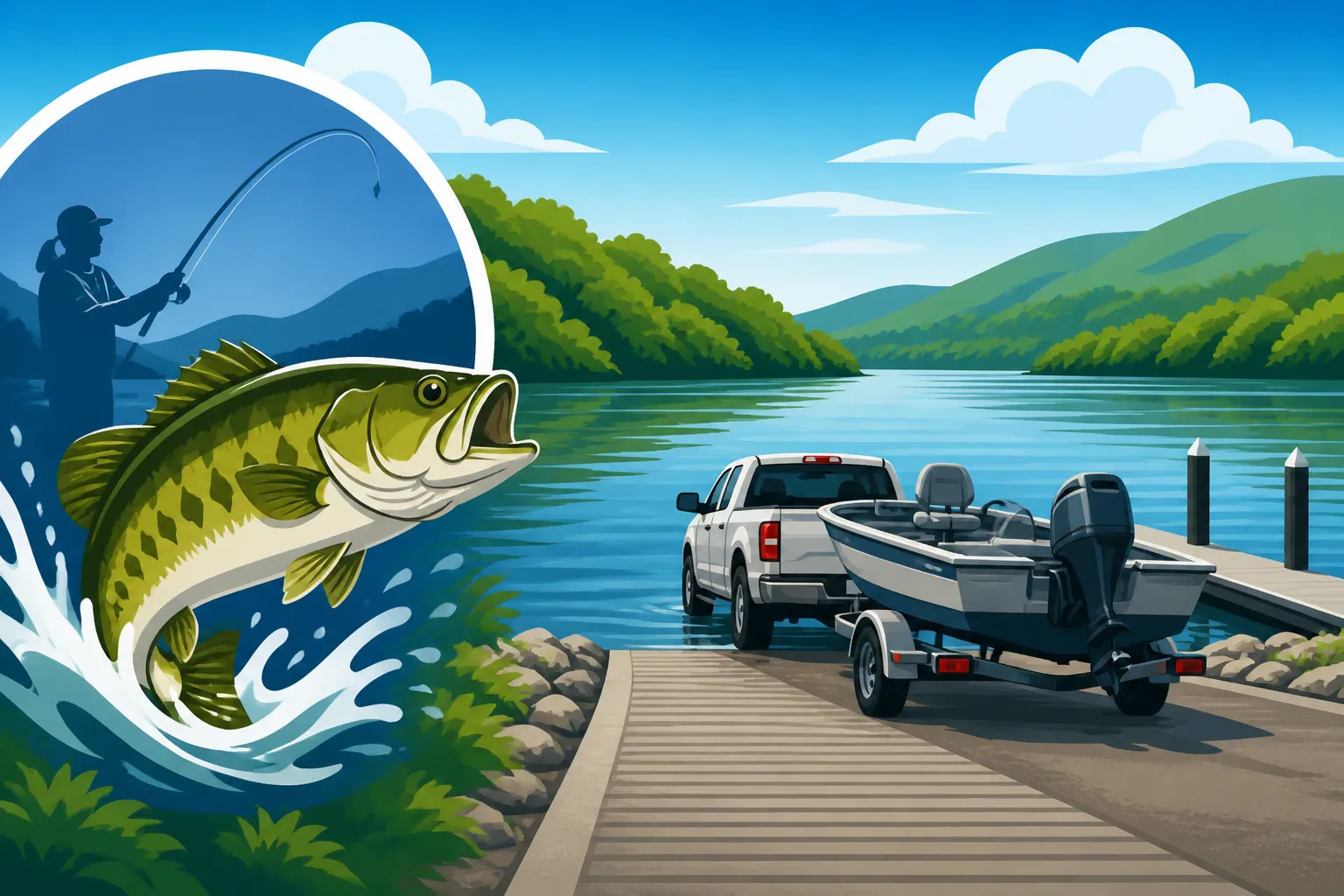
Kayaks, canoes, and stand-up paddleboards often do best at ramps with gentle slopes or even dedicated hand-launch areas, avoiding the concrete chaos of powerboat launches. Smaller jon boats or aluminum fishing boats will find most ramps accommodating, especially in the freshwater sections. Bass boats and mid-sized center consoles generally require well-maintained, multi-lane concrete ramps with adequate depth. Larger offshore vessels really need the big, robust ramps found closer to the Sound, like Fort Saybrook, which are designed to handle their weight and length, as well as the larger tow vehicles required. Always check the ramp's features beforehand; some ramps might have a short, steep drop-off at the end, which can be tricky for boats with smaller trailers or those without four-wheel drive.
Navigating Tidal Swings and River Currents
If you're launching anywhere south of Middletown, you absolutely must factor in the tides. The Connecticut River, particularly in its lower half, is a tidal river, meaning water levels can fluctuate significantly throughout the day. What might be a perfectly accessible ramp at high tide could become a muddy, unusable slope at low tide, leaving your boat high and dry or making retrieval a nightmare. Always consult a local tide chart for the specific section of the river you plan to fish. You'll want to aim for mid-to-high tide for launching and retrieving, especially if you have a larger boat or a sensitive propeller.
Beyond water levels, the river's currents can be powerful, particularly during outgoing tides or after heavy rains. Launching and docking in strong currents requires skill and careful boat handling. Always point your bow into the current when approaching or departing a dock, and be mindful of cross-currents that can push your boat sideways against the ramp. For safety, ensure you have proper lines secured to your boat and that your trailer is well-positioned. Strong currents can also influence how you fish, so understanding the river's flow is crucial, whether you're fly fishing for trout or battling striped bass. You might find our article on Connecticut Boating Laws for Anglers helpful for other safety considerations.
Assessing Facilities and Peak Season Crowds
When choosing a boat ramp, take a moment to consider more than just the ramp itself. What are the supporting facilities like? Adequate parking is paramount, especially if you have a large truck and trailer. Nothing is worse than arriving at a prime fishing spot only to find all the trailer parking spaces are taken. Look for ramps that offer designated trailer parking areas, not just general parking lots.
Courtesy docks are another huge plus, providing a safe place to tie up your boat while you park your vehicle or prepare your gear. Some ramps might also offer restrooms, which can be a small but mighty convenience, especially on longer fishing trips. Lighting for early morning or late-night launches is also a benefit.
Be realistic about crowds. Ramps like Haddam Meadows State Park or Fort Saybrook State Park can be incredibly busy during peak season (spring shad run, summer weekends, fall striper migration). If you prefer a quieter experience or have a less experienced crew, consider launching during weekdays, early mornings, or later evenings. Alternatively, exploring some of the less-trafficked, smaller town ramps upstream might be a better fit, though they might have fewer amenities. Knowing the peak times can help you plan your launch to avoid long waits and potential stress.
Ramp Fees, Permits, and Local Etiquette
Most boat ramps on the Connecticut River are managed either by the Connecticut Department of Energy and Environmental Protection (DEEP) or by local municipalities. State-run ramps, often located within state parks or state forests, may require a parking fee or a Connecticut State Park Pass. If you're a Connecticut resident, the "Passport to the Parks" program often covers these fees. Non-residents may need to pay a daily parking fee.
Municipal ramps, on the other hand, might have their own separate fee structures, sometimes requiring a town-specific sticker or a daily permit. Always check with the relevant town's Parks and Recreation department or the DEEP website for specific fee requirements before you go, to avoid any surprises.
Beyond fees, there's also the unwritten code of boat ramp etiquette. This includes being efficient during launch and retrieve, having your boat prepped before you get to the ramp (lines ready, plug in, gear loaded), and being courteous to other boaters. Don't block the ramp unnecessarily, and always offer a helping hand if you see someone struggling. A little patience and common courtesy go a long way in making everyone's day at the ramp smoother. For information on yearly passes, check out Free and Discounted Fishing License Options in Connecticut.
Here’s a quick overview of some popular Connecticut River boat ramps:
| Ramp Name | Location | Primary Fishing Access | Boat Size Suitability | Amenities | Tidal Influence |
|---|---|---|---|---|---|
| Enfield Boating Access | Enfield | Bass, Pike, Carp, Catfish | Small to Medium | Paved ramp, Parking | Minimal |
| Windsor Meadows State Park | Windsor | Bass, Panfish, Pike | Small to Medium | Paved ramp, Parking, Picnic Area | Minimal |
| Glastonbury Boating Access | Glastonbury | Bass, Pike, Shad, Striped Bass | Medium to Large | Multi-lane paved ramp, Extensive parking, Courtesy dock | Moderate |
| Portland Boating Access | Portland | Shad, Striped Bass, Bass, Pike | Medium to Large | Multi-lane paved ramp, Extensive parking, Courtesy dock | Strong |
| Haddam Meadows State Park | Haddam | Striped Bass, White Perch, Shad | Medium to Large | Multi-lane paved ramp, Extensive parking, Restrooms, Picnic Area | Strong |
| Deep River Town Landing | Deep River | Striped Bass, White Perch, Carp | Medium to Large | Paved ramp, Parking, Courtesy dock | Strong |
| Fort Saybrook State Park | Old Saybrook | Striped Bass, Bluefish, Fluke, Black Sea Bass | Large to Offshore | Multi-lane paved ramp, Extensive parking, Restrooms, Courtesy docks | Strong |
Please remember that conditions can change, and it's always a good idea to check the latest information from the Connecticut DEEP or local town websites before heading out. Enjoy your time on the water, and tight lines!
Disclaimer
The information provided in this guide is for general informational purposes only and is not intended as legal, safety, or professional advice. Fishing regulations, license requirements, and boating laws in Connecticut are subject to change. Always consult the official Connecticut Department of Energy and Environmental Protection (DEEP) website or other authoritative sources for the most current and accurate information before engaging in any fishing or boating activities. Safety should always be your top priority on the water.