Best fly fishing access on the Housatonic River
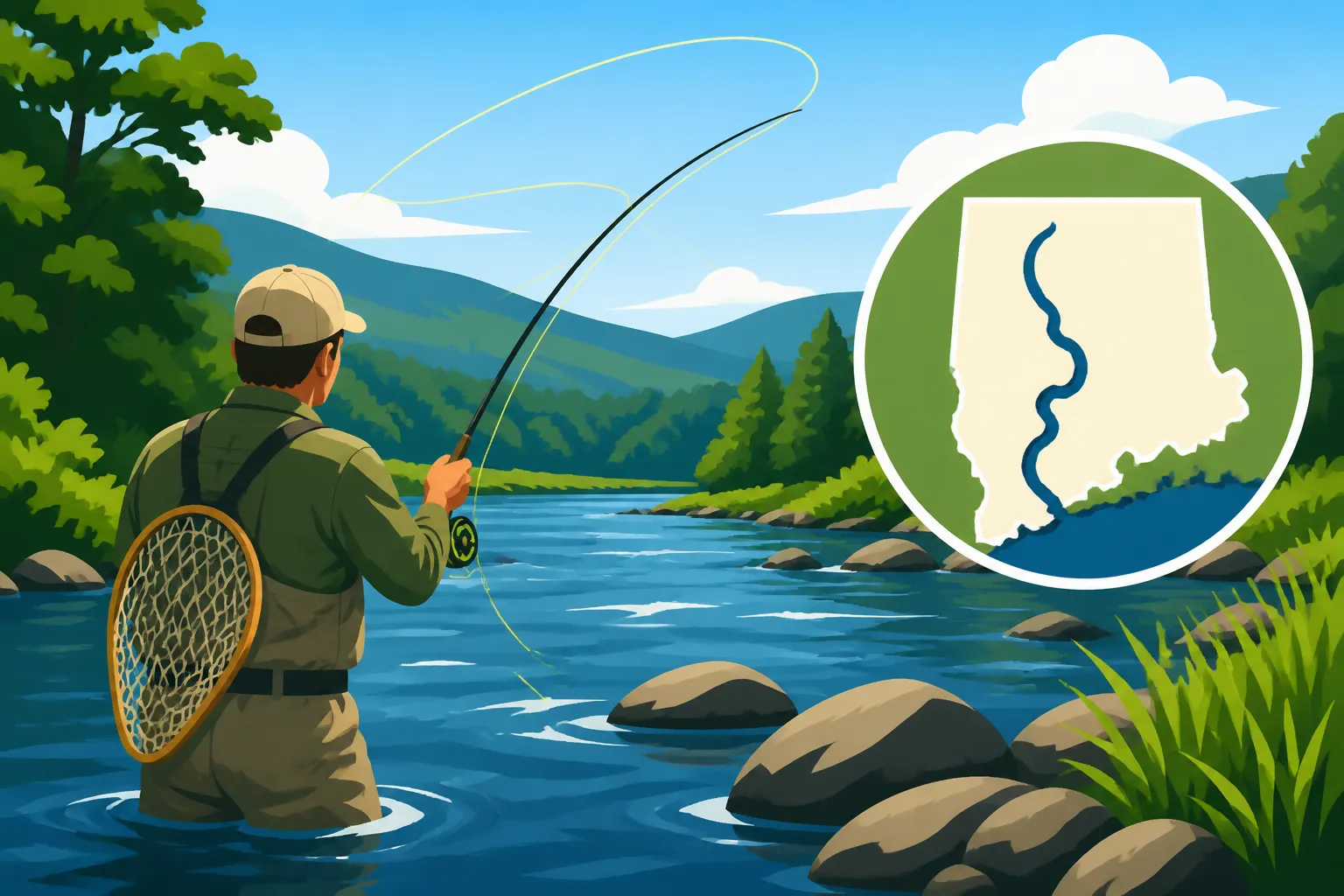
There's nothing quite like the allure of fly fishing in Connecticut, and for many, the Housatonic River stands out as a true gem. But let's be honest, finding those prime, accessible spots where you can actually cast a line without trespassing or battling dense undergrowth can be a real headache. This guide is dedicated to cutting through that confusion, helping you discover the best and most reliable fly fishing access points along the legendary Housatonic River, so you can spend less time searching and more time with a fly rod in hand.
Unlocking the Housatonic River's Fly Fishing Potential
The Housatonic River, especially its upper and middle sections in Connecticut, is a legendary destination for fly anglers. It's not just a river; it’s a living ecosystem renowned for its robust populations of brown and rainbow trout, often including substantial holdovers that have survived multiple seasons and grown to impressive sizes. What makes the "Housy" so special for fly fishing isn't just the fish, but the diverse water types it offers, from classic riffles and runs to deep pools and slow-moving glides. This variety ensures that whether you're a seasoned fly caster or just starting out, there’s a stretch of river that will both challenge and reward you.
The river's character changes as it flows downstream. Up in the northern reaches, closer to the Massachusetts border, the river tends to be narrower and more intimate, resembling a classic freestone stream with faster currents and abundant pocket water. As it moves south through the designated Trout Management Area (TMA) between Falls Village and Cornwall Bridge, it broadens, deepens, and develops more defined pools and runs that are ideal for longer casts and strategic drifts. This section, in particular, is heavily stocked by the Connecticut DEEP and also boasts a healthy population of wild brown trout, making it a true trophy trout destination. For a more general overview of this incredible fishery, consider checking out our comprehensive Housatonic River Fishing Guide.
Why the Housatonic Draws Fly Anglers
Anglers flock to the Housatonic for several compelling reasons. Firstly, its water quality is generally excellent, stemming from a combination of natural springs and colder tributaries that help maintain suitable temperatures for trout, even into the warmer months (though summer closures are important to note, which we’ll cover later). Secondly, the sheer abundance of insects creates a vibrant food source, leading to impressive hatches that can provide incredible dry fly opportunities. Caddisflies, mayflies, and stoneflies all make appearances throughout the season, offering a chance to match the hatch. Lastly, the river's designation as a Trout Management Area means it benefits from specific regulations designed to foster a healthy, thriving trout fishery, including special restrictions on tackle and harvest limits in certain sections. These regulations, combined with consistent stocking efforts, ensure a high probability of encountering active fish. This commitment to conservation is why it's considered one of the Best Fly Fishing Rivers in Connecticut.
Understanding the Trout Management Area (TMA)
The most popular and productive sections of the Housatonic for fly fishing fall within its Trout Management Area (TMA). This special designation, managed by the Connecticut DEEP, spans roughly 14 miles from the dam in Falls Village downstream to the Cornwall Bridge. Within the TMA, specific regulations apply that are designed to protect and enhance the trout population. Typically, these include catch-and-release only periods, limitations on the type of bait and tackle allowed (often restricting bait to artificial lures or flies only), and specific possession limits during open harvest seasons. It’s absolutely crucial to familiarize yourself with these rules before heading out, as they can change seasonally or even annually. You can find detailed information about these specific rules by looking into the Connecticut Trout Management Area Regulations. Ignoring these can lead to fines and a less enjoyable experience for everyone. This area is a cornerstone of Housatonic River Trout Management Area Fishing, offering some of the state's most consistent fly fishing action.
Key Fly Fishing Access Points on the Housatonic
Knowing where to put in your waders or launch a drift boat can make or break a fly fishing trip on the Housatonic. While there are countless informal pull-offs, some areas offer more reliable parking, easier river access, and a better overall experience. These spots often serve as gateways to both easily wadeable sections and deeper runs that can be explored by boat.
Upstream Access: Falls Village and Housatonic Meadows State Park
The northernmost section of the TMA, starting right below the dam in Falls Village, offers a dynamic mix of fast riffles and bedrock pools. Access here can be found right off Route 7. There are often designated parking areas or ample roadside shoulders where you can safely pull over. This area is particularly good for those who enjoy scrambling over rocks and targeting fish in pocket water. Further downstream, but still in the upper half of the TMA, lies Housatonic Meadows State Park in Sharon. This is arguably one of the most angler-friendly access points on the entire river. The park offers:
- Designated Parking: Large, well-maintained parking lots mean you won't be struggling to find a spot, even on busy days.
- Easy River Access: Numerous trails and clear paths lead directly to the river's edge, making it simple to get in and out of your waders.
- Camping Facilities: For those looking to make a multi-day trip out of it, the state park also has camping facilities, allowing you to wake up just a stone's throw from the water.
- Diverse Water: From relatively calm stretches perfect for beginners to faster currents holding larger fish, Housatonic Meadows provides a varied fishing experience.
When fishing this section, always be mindful of other anglers. It can get busy, especially during peak seasons like the spring trout run. Using a guide service, which you can often find listed on platforms like FishingBooker, can help you navigate these popular areas more effectively and discover lesser-known runs.
Mid-River Hotspots: West Cornwall and Cornwall Bridge
Moving downstream, the river opens up and offers some of the most classic Housatonic fly fishing. The area around West Cornwall provides excellent wading opportunities, particularly the stretch upstream and downstream of the historic covered bridge. Parking is typically available in small lots or along the road shoulder near the bridge itself. This section is characterized by wide, sweeping runs and gravel bars that make for comfortable wading, especially during lower flows. It's a fantastic spot to practice your roll casts and mend your line as you drift nymphs or streamers.
A bit further south, the Cornwall Bridge area is another extremely popular and highly productive access point. This bridge crosses the Housatonic right in the heart of the TMA and is a landmark for many anglers.
- Ample Parking: There are public parking areas both above and below the bridge, usually well-marked.
- Boat Launch: For those with drift boats or rafts, there's a convenient state boat launch here, making it a common put-in or take-out point for float trips.
- Varied Structure: The riverbed here offers a mix of boulders, gravel, and deeper channels, creating perfect holding lies for trout. This section is known for its strong currents, so effective wading techniques, which you can learn about in our Wading Techniques for Connecticut Trout Streams guide, are essential.
- Proximity to Services: The village of Cornwall Bridge has a few small shops and eateries, which can be a welcome sight after a long day on the water.
These mid-river sections are often where the largest hatches occur, so keeping an eye on the water for rising fish is paramount. If you're planning a trip and need local insights or charter options, checking resources like FishingBooker for guides operating in the Cornwall area can be incredibly beneficial. They often know the river's nuances intimately.
Downstream Access: Kent and Gaylordsville
As the Housatonic continues its journey south through the TMA, it gradually becomes deeper and slower in certain stretches, particularly as you approach the towns of Kent and Gaylordsville. Access in these areas can be a bit more challenging for wade anglers due to the increased depth and stronger currents in places, but it often holds some of the river's largest brown trout.
- Kent Area: There are several pull-offs along Route 7 as it parallels the river through Kent. Look for sections where the river broadens or features prominent gravel bars. Some of the deeper pools here are excellent for swinging streamers or fishing heavy nymph rigs. Be aware that private property becomes more prevalent in this section, so always respect posted signs.
- Gaylordsville: The southern end of the TMA technically extends just past Gaylordsville. Access here can be similar to Kent, requiring a keen eye for public pull-offs. The river here can be quite wide, and float trips often conclude in this vicinity. This is also a good area to find slower eddies and back channels that might hold wary fish.
While wading is still possible, especially during lower flows, these downstream sections are often best explored by drift boat or raft. A local guide found through FishingBooker might focus on these areas for targeting larger fish that prefer deeper water and more complex structure.
Navigating Regulations and Maximizing Your Housatonic Fly Fishing Experience
Fly fishing on the Housatonic isn't just about casting a line; it's about understanding the nuances of the river and its regulations. Being prepared and respectful of the environment and fellow anglers will significantly enhance your experience.
Seasonal Restrictions and Warm Water Closures
One of the most critical aspects of fishing the Housatonic, particularly in its TMA sections, is being aware of seasonal restrictions and warm water closures. During the summer months, typically from June 15th through September 15th, a portion of the Housatonic River TMA is often closed to fishing. This closure is specifically implemented to protect trout from the stress of warm water temperatures and low oxygen levels, which can be fatal even with careful catch-and-release practices. It's a conservation measure designed to ensure the long-term health of the fishery. Always check the current Connecticut DEEP fishing guide for the exact dates and sections affected by the Connecticut Housatonic River Seasonal Closure Explained. Fishing during these times can not only result in dead fish but also lead to significant fines.
Essential Fly Patterns for the Housatonic
To truly unlock the Housatonic’s potential, having the right fly patterns in your box is key. The river boasts a rich insect life, and matching the hatch can lead to incredible dry fly action. However, nymphs and streamers are often the most consistent producers.
Table: Essential Housatonic River Fly Patterns
| Fly Type | Common Patterns | When to Use | Target Fish | Notes |
|---|---|---|---|---|
| Nymphs | Pheasant Tail, Hare's Ear, Caddis Larva, Squirmy Wormy, Walt's Worm | Year-round, especially subsurface | Brown Trout, Rainbow Trout, Smallmouth Bass | Most consistent producers; vary size and weight. |
| Streamers | Woolly Bugger (Olive, Black), Clouser Minnow, Sculpzilla, Grey Ghost | Year-round, effective for larger fish; post-rain | Trophy Brown Trout, Aggressive Rainbows, Smallmouth Bass | Best in deeper pools, runs, or after high water. |
| Dry Flies | Hendrickson, Sulphur, Caddis (Elk Hair, Goddard), Trico, Blue-Winged Olive | During active hatches, typically spring & fall | Rising Brown & Rainbow Trout | Match size and color to observed insects. |
| Terrestrials | Grasshopper, Ant, Beetle | Summer and early Fall | Opportunistic Trout, Smallmouth Bass | Great for warmer months when hatches are sparse. |
For a deeper dive into specific patterns and their uses, our guide on Fly Patterns for Connecticut Trout Streams can provide more detailed information. Having a good variety ensures you're prepared for whatever the river throws at you.
Gear and Technique Considerations
When fly fishing the Housatonic, a 9-foot, 5 or 6-weight fly rod is generally a versatile choice, capable of handling both smaller trout and larger, stronger fish. You'll want a reliable reel with a smooth drag and enough backing, especially if you hook into one of the Housatonic's powerful trophy browns. Waders are essential, and given the river's varied bottom, studded or felt-soled wading boots are highly recommended for grip on slippery rocks. Always carry a wading staff for safety, as currents can be deceptively strong.
As for techniques, European Nymphing (Euro Nymphing) has become incredibly popular and effective on the Housatonic, allowing anglers to get flies deep quickly and detect subtle strikes. Traditional indicator nymphing is also highly productive. When hatches are on, dry fly fishing can be spectacular, requiring delicate presentations. And don't forget the power of streamers, especially for aggressive fish or during off-hatch periods. Casting streamers into deeper pools or along undercut banks can entice some truly massive trout. If you're new to fly fishing, considering a guided trip from an expert found on a platform like FishingBooker can offer invaluable instruction on these techniques specific to the Housatonic.
Seasonal Considerations and Essential Gear for the Housatonic
Understanding the seasonal rhythm of the Housatonic River is crucial for planning successful fly fishing trips. The river changes dramatically throughout the year, impacting fish behavior, insect hatches, and the best techniques to employ.
Spring: Opening Day and Beyond
Spring on the Housatonic is legendary, especially around "Opening Day" when the trout season officially begins for many of Connecticut's rivers and streams. While the Housatonic TMA often has more flexible year-round regulations, spring still marks a surge in activity. This is when the Connecticut DEEP performs its major stocking efforts, introducing thousands of rainbow and brown trout into the river. Water levels can be high and cold from snowmelt and spring rains, making large nymphs and streamers particularly effective. Fish will be aggressive, gorging on available food. As spring progresses, the first major hatches of Caddis and Hendrickson mayflies can occur, offering exhilarating dry fly opportunities. This is often when you'll find the most anglers on the river, drawn by the promise of abundant fish. Don't forget to review our guide on Spring Trout Fishing Techniques for Connecticut Streams for more detailed strategies.
Fall: Trophy Trout Season
Many seasoned Housatonic anglers consider fall to be the absolute prime season. As water temperatures cool and flows stabilize, trout become incredibly active, feeding aggressively in preparation for winter. Brown trout, in particular, begin their spawning rituals in late fall, leading to stunningly colored fish and increased activity. Streamer fishing can be phenomenal during this time, as large browns chase baitfish. Blue-Winged Olives and Cahills often hatch on overcast days, providing good dry fly action. The foliage along the river also turns vibrant shades of red, orange, and gold, making for a truly picturesque fishing experience. Fall often sees fewer crowds than spring, especially on weekdays, offering a more serene experience.
Winter: The Hardcore Angler's Reward
While many anglers pack away their gear for the winter, the Housatonic River can offer surprising opportunities for the dedicated few. The cold temperatures mean slower metabolism for trout, but they still need to feed. Nymphing with heavy patterns in deeper, slower pools is often the most productive strategy. Midges are the primary insect activity, and tiny nymph or emerger patterns can be deadly. Conditions can be challenging, with ice along the banks and dangerously cold water, so safety is paramount. Layering warm clothing, using insulated waders, and being mindful of slippery conditions are crucial. This is a time for solitude and the chance to hook into a truly large, powerful trout.
Summer: Navigating the Warm Water
As mentioned earlier, summer on the Housatonic requires careful attention to water temperatures. While the TMA often benefits from colder upstream releases and cooler tributaries, parts of the river can still warm up to dangerous levels for trout. This is why the summer closure is in place. If fishing outside of the closed sections or during periods of cooler weather, focus on early mornings or late evenings when water temperatures are at their lowest. Target oxygenated areas like riffles or the mouths of cold feeder streams. Terrestrial patterns (hoppers, ants, beetles) can be effective when trout are looking up, but often, fishing deep with nymphs or small streamers is the best bet. Always carry a stream thermometer and if water temperatures exceed 68°F, it's generally best to give the trout a break and consider alternative, cooler fisheries.
Disclaimer
Please be aware that fishing regulations in Connecticut, including those for the Housatonic River, are subject to change. Always consult the latest Connecticut Department of Energy and Environmental Protection (DEEP) fishing guide or website before heading out on the water to ensure you are compliant with all current rules and regulations. This guide is for informational purposes only and does not supersede official DEEP publications.