Best lure retrieve speed for smallmouth in fall
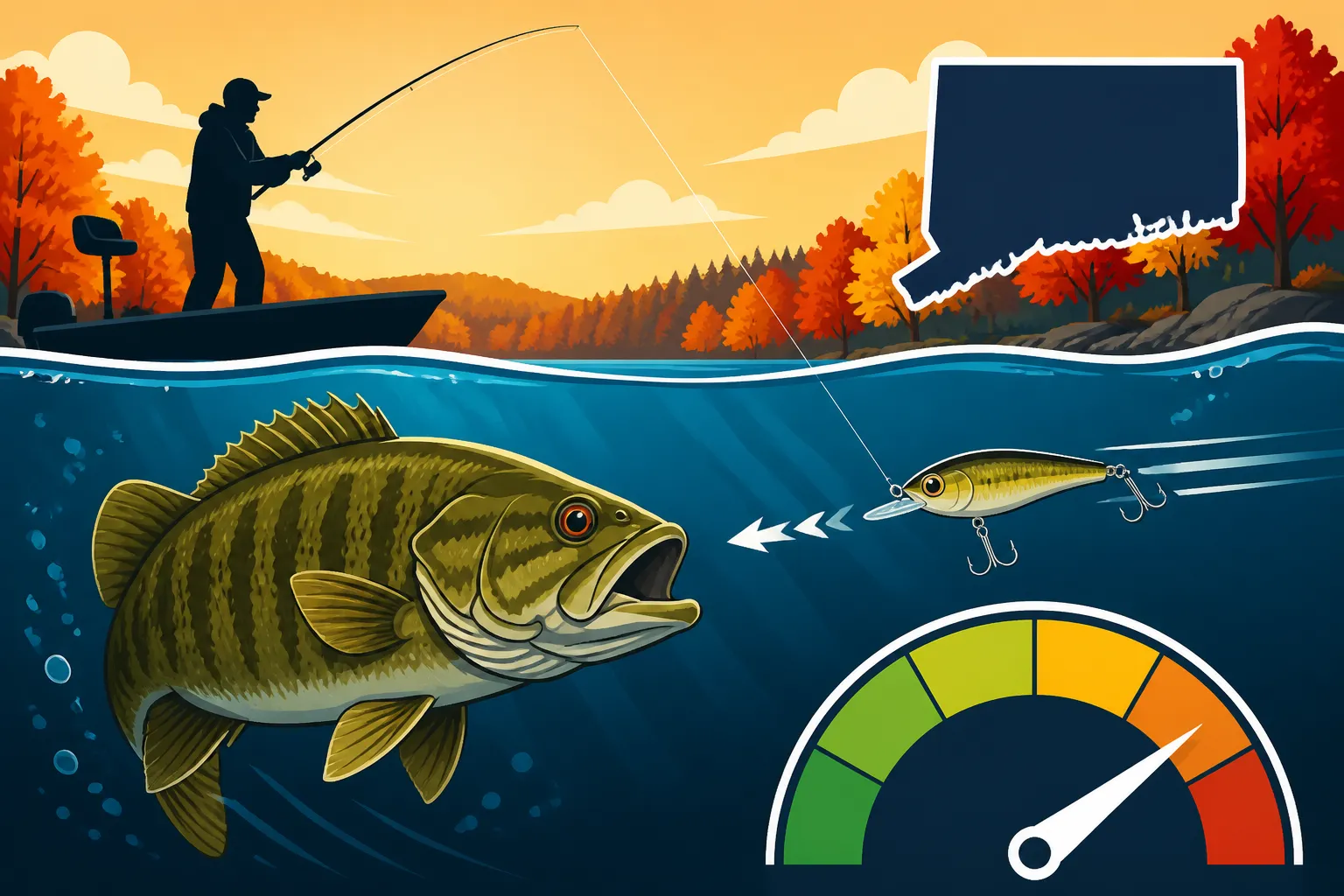
As the crisp autumn air starts to bite and the leaves turn vibrant shades of red and gold, many anglers in Connecticut face a common dilemma: how do you adjust your retrieve speed for smallmouth bass? That energetic, predictable summer bite seems to disappear, leaving many of us scratching our heads. But don't despair! Fall smallmouth fishing can be incredibly rewarding, often yielding some of the biggest fish of the year, if you understand how their behavior changes with the season and adapt your retrieve speed accordingly. This guide will walk you through the nuances of fall smallmouth behavior and help you dial in the perfect retrieve to entice those hard-fighting bronzebacks.
Understanding Fall Smallmouth Behavior
Smallmouth bass are cold-blooded creatures, meaning their metabolism is directly tied to water temperature. As the long, warm days of summer give way to cooler autumn nights, the lakes and rivers of Connecticut begin to cool down. This change profoundly impacts how smallmouth feed, where they hold, and, crucially, how quickly they'll react to your lure. They're not completely shutting down, but they're definitely not chasing bait like they were in August.
The Autumnal Shift: From Aggression to Conservation
During the peak of summer, smallmouth bass are often incredibly active, chasing down fast-moving baits with reckless abandon. Their metabolism is high, and they need to consume a lot of calories to sustain that activity. You can burn a spinnerbait or a crankbait back to the boat, and they'll smash it. But once the water temperature starts to dip below 60 degrees Fahrenheit, and especially once it gets into the low 50s, that aggressive, high-speed chase becomes less common. They're still feeding, often quite heavily in preparation for winter, but they're doing so with more efficiency and less expenditure of energy.
Imagine yourself on a chilly day. You're probably not going to run a sprint just to grab a snack, right? You'd prefer something easier to get your hands on. Smallmouth bass operate on a similar principle. They'll position themselves strategically, often near ambush points, and wait for an easy meal to pass by. This means your retrieve needs to mimic a wounded or slow-moving baitfish that isn't expending a lot of energy to escape. They're looking for that easy protein fix to pack on winter weight, not a high-speed chase that might burn more calories than it provides. This is a critical distinction that many anglers miss, leading to frustration when their summer tactics fall flat.
Location, Location, Location
Beyond just retrieve speed, understanding where smallmouth position themselves in the fall is key to even getting your lure in front of them. As waters cool, smallmouth tend to move deeper, seeking more stable temperatures. You'll often find them on main lake points, offshore humps, rock piles, ledges, and transition areas where deeper water meets shallower feeding flats. Rivers like the Housatonic River, a fantastic spot for smallmouth, will see these fish moving into deeper pools and eddies. Knowing these spots means you're not just casting aimlessly; you're presenting your slow-moving offering where the fish are actually holding. This transition can be subtle, sometimes only a few feet deeper than their summer haunts, but it makes all the difference. Combining the right location with the right retrieve is the winning formula.
Seasonal Factors Impacting Retrieve Speed
The beautiful thing about fishing in Connecticut is the distinct seasons, but those seasons also mean you can't use a one-size-fits-all approach. Fall fishing for smallmouth is heavily influenced by a few key environmental factors that dictate just how fast or slow you should be working your lures.
Water Temperature: The Master Controller
Water temperature is, without a doubt, the single most important factor governing smallmouth retrieve speed in the fall. As mentioned, their metabolism slows with falling temperatures.
- Early Fall (Water temps 60-70°F): In early fall, usually September into early October, water temperatures might still be in the upper 60s or even low 70s. During this time, smallmouth are often still quite aggressive, mimicking their summer feeding patterns. You can still get away with a moderately fast retrieve, especially on topwater lures in the morning or reaction baits like crankbaits and spinnerbaits. They're actively feeding and preparing for the cooler months, so they're willing to chase. This is a great time to target them with a mix of speeds, gradually slowing down as the month progresses.
- Mid-Fall (Water temps 50-60°F): This is the sweet spot for many fall anglers. The water has cooled significantly, usually from mid-October through November. Smallmouth are still actively feeding, but their metabolism is definitely slowing down. This is where a slow to moderate retrieve becomes crucial. Think about lipless crankbaits, jerkbaits, and jigs fished with pauses. They're not going to sprint for food, but they'll absolutely ambush a meal that presents itself as an easy target. This is when trophy smallmouth often get caught, as they're trying to bulk up. Understanding what water temperature smallmouth bass prefer will guide your strategy here.
- Late Fall (Water temps below 50°F): As winter approaches, typically late November and December, water temperatures drop into the 40s. At this point, smallmouth activity slows dramatically. They become much more lethargic and are often grouped up in deep-water staging areas. Your retrieve speed should be glacial. Think subtle twitches, long pauses, and slow drags. Vertical presentations like drop-shot rigs or blade baits become highly effective, requiring minimal movement from the fish. This isn't the time for power fishing; it's time for finesse.
Baitfish Activity and Availability
The presence and behavior of baitfish also play a huge role. In the fall, many baitfish, like alewives or shiners, will migrate from open water to deeper coves or main lake basins as they, too, react to cooling temperatures. Smallmouth bass will follow these baitfish schools. If you see baitfish flickering on your sonar or breaking the surface, you know the smallmouth aren't far behind.
- Active Baitfish: If the baitfish are still fairly active, you might find smallmouth willing to chase a bit more. However, even then, a slightly slower, more methodical retrieve that mimics a straggler or a confused baitfish can be more effective than a full-speed retrieve. For instance, a medium retrieve with a crankbait that dives to the depth of the bait school, with a few subtle pauses, can trigger a strike.
- Dispersed or Deep Baitfish: When baitfish are deeper and less active, your retrieve needs to reflect that. A jig fished slowly along the bottom or a jerkbait twitched with long pauses often gets the bite. The goal is to make your lure look like an easy meal for a fish that doesn't want to expend much energy. Remember, if the bait isn't darting around like crazy, your lure shouldn't be either.
Weather Patterns: Fronts and Barometric Pressure
Sudden changes in weather can also impact smallmouth retrieve speed. A sudden cold front pushing through Connecticut, for example, will often send smallmouth into a funk, making them even less likely to chase. The key is to adapt your retrieve to these conditions.
- Before a Cold Front: Often, right before a cold front moves in, fish can become more active, almost sensing the change. This might be a window where a slightly faster retrieve still works. Many anglers find the fishing picks up right before a major weather shift. Knowing how barometric pressure affects Connecticut bass fishing can give you a real edge here.
- During/After a Cold Front: Once the front hits, and especially in the days immediately following, expect a significant slowdown. Your retrieve speed should drop considerably, and longer pauses become your best friend. Fish will often hug cover or bottom. This is when finesse presentations, fished painstakingly slowly, shine. Think about using a bait that stays in the strike zone longer. This is also why understanding Cold Front Fishing Tactics for Connecticut Bass is crucial for success.
Optimizing Retrieve Speed by Lure Type
Different lures are designed to be worked at different speeds, and matching the lure's inherent action with the optimal fall retrieve speed is crucial. While you'll still need to experiment, here’s a breakdown of general guidelines for common smallmouth lures.
Jerkbaits: The Pause is Key
Jerkbaits are, arguably, one of the most effective fall smallmouth lures, and retrieve speed (or lack thereof) is paramount. The beauty of a jerkbait like a Rapala Shadow Rap or a Megabass Vision 110 lies in its suspend or slow-rise action during a pause.
- The Retrieve: Cast out, let it sit for a few seconds. Then, twitch it two or three times with your rod tip, reel in the slack, and pause. The length of that pause is the magic ingredient. In early fall, a 1-3 second pause might be enough. As temperatures drop into the 50s, those pauses should extend to 5-10 seconds, sometimes even longer in late fall. The fish often hit the bait on the pause, when it's sitting motionless, looking vulnerable. This retrieve mimics a struggling baitfish perfectly. On colder days, you might just give it one twitch and then a ridiculously long pause. You can find excellent jerkbaits on Amazon that suspend perfectly in cold water.
Jigs: Slow and Steady Wins the Race
Whether you're talking about football jigs, finesse jigs, or hair jigs, these bottom-oriented baits are fantastic for fall smallmouth. The retrieve here is almost always slow and deliberate.
- The Retrieve: Cast out and let the jig sink to the bottom. Then, slowly drag it, hop it, or slightly shake it along the contours. Think about mimicking a crawfish slowly crawling or a bottom-dwelling baitfish. A slow drag often involves just moving your rod tip from 9 o'clock to 12 o'clock, then reeling in the slack as you drop it back to 9 o'clock, keeping contact with the bottom. In colder water, the hops should be shorter, and the drags even slower, with extended pauses between movements. If you're fishing the bottom structure on lakes like Candlewood Lake, this method can be deadly.
Crankbaits: Depth and Deflection
Crankbaits can still be effective in the fall, especially lipless crankbaits or medium-diving models. The retrieve speed here needs to be adjusted from a burning summer retrieve to something more controlled.
- The Retrieve: Focus on a medium-slow retrieve that allows the bait to reach its maximum depth and make contact with structure (rocks, wood, ledges). Deflecting off structure is often what triggers a reaction strike. Instead of a steady, fast retrieve, try a retrieve where you might speed up for a few cranks, then slow down, perhaps even adding a subtle pause if it's a suspending crankbait. The idea is to make it look like a fleeing baitfish that then gets stunned or tries to hide, creating a reactive strike opportunity for the smallmouth ambushing from nearby cover. For covering open water and finding active fish, a well-chosen crankbait on a moderate retrieve can be very productive in early to mid-fall.
Spinnerbaits and Bladed Jigs: Controlled Flash
While perhaps not as dominant as in summer, spinnerbaits and bladed jigs (like a Z-Man ChatterBait) can still catch fall smallmouth, especially if there's some stain in the water or during an active feeding window.
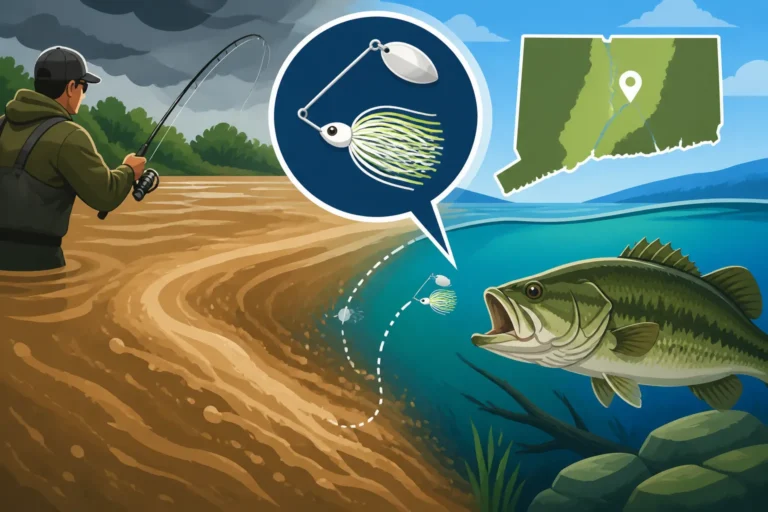
- The Retrieve: Instead of a fast burn, try a slow-roll retrieve. This means reeling just fast enough to get the blades turning or the skirt vibrating, allowing the lure to run deep. In clearer water, opt for smaller blades and a more subtle skirt. The flash and vibration can still attract fish, but the slower speed gives them time to react without feeling pressured to chase. You might incorporate a "kill switch" pause where you stop reeling for a moment, letting the lure flutter, before resuming the slow-roll. This technique is particularly good for fishing along drop-offs or over submerged cover where smallmouth might be hunkered down. Many anglers have success finding a good selection of these on Amazon, ready for immediate use.
Drop Shot and Ned Rig: Ultra-Finesse
When the water gets truly cold in late fall, or after a harsh cold front, these finesse presentations are hard to beat. Retrieve speed is almost non-existent; it's more about subtle manipulation.
- The Retrieve: For a drop shot, cast out and let it sink to the bottom. Then, just shake your rod tip subtly, imparting very slight movement to the bait above the weight. The idea is to make the bait quiver and dance in place, looking like a dying baitfish or a struggling creature. For a Ned Rig, cast it out, let it sink, and then simply drag it very slowly along the bottom, maybe with an occasional subtle hop. The bait stands up on the bottom, offering a tempting, easy meal. These techniques demand patience but can be incredibly effective when other methods fail. When the fish are lethargic, giving them an easy target with minimal energy expenditure on their part is the ticket. You'll find that these techniques are perfect for when you're targeting specific structures or when fish are tightly grouped up, as often happens in late fall.
Practical Tips for On-the-Water Adjustments
It's one thing to read about retrieve speeds, and another to actually implement and adapt them on the water. Fishing is rarely textbook, and conditions can change by the hour. Here are some practical tips to help you dial in the best retrieve speed for smallmouth in the fall, no matter where you're fishing in Connecticut.
Start Fast, Slow Down Gradually
A common and effective strategy is to start with a slightly faster retrieve, especially in the morning or if the day promises to warm up. If you're not getting bites, then gradually slow your retrieve speed down. This methodical approach allows you to quickly gauge the fish's mood. If they're still willing to chase, you'll find out quickly. If not, you haven't wasted too much time burning baits over lethargic fish.
Think of it like this: If you're out fishing the Connecticut River for smallmouth, you might start with a medium retrieve on a crankbait near a current seam. If nothing, you switch to a jerkbait with a 3-second pause. Still nothing? Lengthen that pause to 7-10 seconds. Continue to experiment with the retrieve until you find what triggers a strike. This iterative process is key to success on any given day.
Pay Attention to Your Rod Tip and Line
Your rod tip and fishing line are your direct connection to what's happening underwater. Pay close attention to subtle bumps, taps, or unusual movements of your line. Often, a fall smallmouth strike isn't the aggressive smash you get in summer; it can be a subtle "thump," a feeling of weight, or simply your line going slack or moving sideways.
- Feel the Bite: When you're fishing slowly, you're relying more on feel. A high-quality graphite rod will transmit these subtle bites better. For example, when employing Best Baits for Smallmouth Bass on the Housatonic, feeling those nuanced taps is paramount.
- Watch the Line: If you're using a slack-line technique like a jerkbait with long pauses, keep an eye on your line where it enters the water. Any twitch, jump, or subtle movement could indicate a fish has picked up your bait. Often, they'll just inhale it and move off slightly, making your line tighten or move even before you feel anything in the rod.
The Importance of Long Pauses
We've talked about pauses, but it's worth reiterating: in fall smallmouth fishing, the pause can be the most important part of your retrieve. Don't be afraid to count to five, ten, or even fifteen seconds, especially when the water is cold. It can feel like an eternity, but that motionless presentation is often exactly what a sluggish smallmouth needs to decide to commit.
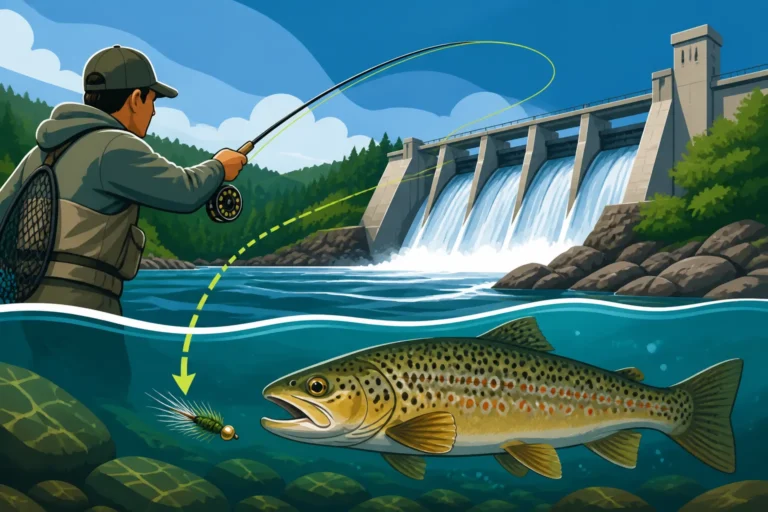
Many anglers are impatient, and I get it – it’s hard to just sit there and wait. But I’ve seen countless times when a fish hits a jerkbait or a jig on the absolute longest pause. The fish might have been following the bait, waiting for it to appear vulnerable. When it hangs there, suspended or sitting on the bottom, it's an irresistible, easy meal. This is particularly true when fish are relating to specific structure or cover, allowing them to ambush with minimal effort. This tactic also applies when you're fly fishing for trout in Connecticut, where a slow swing or dead drift is often more effective than a fast retrieve.
Experiment with Colors and Sizes, Too
While retrieve speed is central, don't forget that lure color and size also play a role, especially in conjunction with speed. In fall, as water clarity can improve and baitfish become more defined, natural colors often perform well. Think shad, perch, or crawfish patterns. However, don't shy away from a bright chartreuse or orange if the water is stained or on a dark, overcast day.
Similarly, consider the size of your bait. Sometimes, a smaller, more compact presentation is better for lethargic fish, while at other times, a larger profile is needed to tempt a trophy smallmouth looking for a substantial meal. The "Best Time of Year to Fish in Connecticut" for trophy fish often coincides with the fall, so don't be afraid to throw some bigger baits, but always remember to slow down that retrieve.
Integrate with Technology
Modern fishing technology can be a huge asset in the fall. If you have a fishfinder, use it to locate baitfish schools and smallmouth holding on structure. This helps you present your lure at the correct depth and often informs your retrieve speed. If you see fish tightly grouped and inactive on the bottom, an ultra-slow, vertical jigging or drop-shot presentation is likely going to be more effective than a fast retrieve.
By understanding the factors that influence smallmouth behavior in the fall and deliberately adjusting your retrieve speed, you'll unlock more consistent success on Connecticut's beautiful waters. Remember, patience and observation are your best allies during this prime time for big bronzebacks.
Here's a quick reference table for fall smallmouth retrieve speeds based on lure type and water temperature:
| Lure Type | Early Fall (60-70°F) | Mid-Fall (50-60°F) | Late Fall (<50°F) |
|---|---|---|---|
| Jerkbaits | Twitch-twitch-pause (1-3s) | Twitch-pause (3-7s) | Single twitch, long pause (7-15s+) |
| Jigs | Slow hop/drag | Very slow hop/drag, pauses | Glacial drag, long pauses |
| Crankbaits | Moderate steady, deflections | Slow-moderate, deflections, subtle pauses | Vertical jigging/dead-stick (if applicable) |
| Spinnerbaits/Bladed Jigs | Medium slow-roll | Slow-roll, occasional stop | Very slow-roll, minimal action |
| Drop Shot/Ned Rig | Subtle shakes, short drags | Minimal movement, long drags/quivers | Almost no movement, just hold/shake |
Remember that these are guidelines. The fish will always tell you what they prefer on any given day. So get out there, experiment, and enjoy the fantastic fall fishing Connecticut has to offer!
Disclaimer
The information provided in this guide is for general informational purposes only and is subject to change. Always consult the official Connecticut Department of Energy and Environmental Protection (DEEP) fishing regulations for the most current and accurate rules and guidelines. Fishing conditions, fish behavior, and effective techniques can vary based on specific locations, weather, and other environmental factors. Exercise caution and good judgment when fishing.