Best Techniques for Winter Pickerel
Winter fishing can often feel like a frustrating guessing game. Many anglers pack away their gear once the water temperatures drop, convinced that all the good fish have gone dormant. But what if I told you there’s a toothy, aggressive predator that actually thrives in the cold, providing some of the most exciting action you can find on a frozen or near-frozen Connecticut waterway? Chain pickerel are often overlooked, but they remain incredibly active in the winter, and with the right techniques, you can enjoy some truly memorable days on the ice or along the shore. This guide will walk you through the best strategies, gear, and locations to consistently catch pickerel when everything else seems to shut down.
Understanding Winter Pickerel Behavior
When the chill sets in and ice begins to form, many fish species slow down their metabolism and become lethargic. Not so with the chain pickerel. These slender, ambush predators are built for cold water, and they remain formidable hunters throughout the winter months. Understanding their behavior is the first step to consistently putting them on the ice or pulling them from open water.
Where Pickerel Hide in Winter
Pickerel are masters of camouflage and ambush, and this doesn't change when winter arrives. While some fish might seek deep, stable water, pickerel often stick to the shallow, weedy areas they frequented in warmer months, especially if those weeds remain green and healthy under the ice or in open water. Think about those extensive weed beds that might have been too dense to fish effectively in summer; in winter, they become prime ambush points. They love the edges of these weed lines, especially where there's a slight drop-off or a channel leading into deeper water. They're not afraid to hug the very shoreline, even under a thin layer of ice near the banks, or around submerged timber and brush piles. If you're ice fishing, focus your efforts around shorelines with heavy cover, rocky points, and the mouths of small coves.
In areas where the water remains open, like larger rivers or lakes with good current, pickerel will still relate to similar cover. Look for slower moving pockets of water, eddies, and areas with submerged structure like fallen trees or docks. They won't be out in the middle of a vast, open body of water; they'll be tucked away, waiting for an unsuspecting meal to swim by. This means you don't necessarily need to venture far from access points, making them a fantastic target for bank anglers or those fishing from small boats.
Why Pickerel Remain Active
Unlike some fish that go into a semi-hibernation state, pickerel maintain a relatively high activity level even in frigid conditions. They are cold-blooded, and while their metabolism does slow, it doesn't shut down. They still need to eat, and in winter, there's less competition for food. Many other predatory species, like largemouth bass, become significantly harder to tempt, leaving the pickerel as top dog in many areas. This makes them a more reliable target for winter anglers.
Their opportunistic nature also plays a huge role. Pickerel aren't picky eaters, and they'll readily strike at anything that looks like an easy meal. This aggression is a huge advantage for anglers, as they're often willing to chase down a bait or lure when other fish wouldn't bother. Don't be surprised if you hook a pickerel within minutes of dropping a line; their predatory instincts are always on high alert, even when the thermometer dips. This consistent willingness to bite is a major reason why more and more anglers are discovering the joy of targeting Chain Pickerel Habits in Connecticut Ponds during the colder months.
Their Diet and Foraging Habits
Pickerel are primarily piscivores, meaning they mostly eat other fish. In winter, this diet often consists of smaller baitfish like minnows, shiners, or even juvenile perch and sunfish. They are ambush predators, so their hunting strategy involves hiding in cover and lunging out to snatch their prey. This means presentations that mimic a struggling or easy-to-catch baitfish are often the most effective.
They don't typically expend a lot of energy chasing down fast-moving prey in the winter, preferring to wait for food to come to them. However, if a lure or bait presents itself as an undeniable opportunity, they'll strike with surprising speed and ferocity. Don't think you need to be constantly jigging or reeling quickly. A slower, more deliberate presentation that keeps the bait in their strike zone for longer can often be the ticket. They are also known to eat insects, frogs, and even small rodents if the opportunity arises, showcasing their truly opportunistic nature. Understanding What chain pickerel eat in Connecticut ponds is crucial for selecting the most effective baits and lures.
Essential Gear for Winter Pickerel
You might already have most of what you need for winter pickerel fishing, but a few specialized items can significantly increase your success and enjoyment. Fishing in the cold demands gear that is both functional and durable, and knowing how to rig it properly for these toothy critters is key.
Rods, Reels, and Line
For pickerel, especially through the ice, a light to medium-action rod is typically sufficient. You want something with enough backbone to set the hook and fight a feisty fish, but also enough sensitivity to detect subtle bites. If you're ice fishing, a 28-36 inch medium-light or medium action rod is perfect. For open water fishing, a 6-7 foot medium-light spinning rod works wonders. The sensitivity helps you feel those subtle taps or even just the weight of a fish picking up your bait.
Reels should match your rod size. A 1000-2500 series spinning reel is ideal, offering a smooth drag system and reliable performance in cold temperatures. Make sure it's well-lubricated with cold-weather grease if you're venturing into truly frigid conditions. When it comes to line, abrasion resistance is paramount due to pickerel's sharp teeth. Many anglers opt for 8-12 lb test monofilament or fluorocarbon as their main line. Fluorocarbon has the added benefit of being nearly invisible underwater and sinking faster. However, the real secret is the leader. You absolutely need a steel or heavy fluorocarbon leader (20-30 lb test, at least 12-18 inches long) to prevent bite-offs. Without one, you'll be re-tying constantly and losing fish. You can find quality leaders, rods, and reels on platforms like Amazon, making it easy to stock up.
Live Bait Setups
Live bait is arguably the most effective presentation for winter pickerel, especially when used with tip-ups while ice fishing. The natural movement and scent are irresistible to these predators. Minnows and shiners are the go-to baits. Medium-sized shiners (3-5 inches) tend to work best, but don't hesitate to use smaller ones if you're not getting bites.
For tip-ups, the classic setup involves a small treble hook (size 6 or 8) or a single hook (size 1/0 or 2/0) through the back of the minnow, just below the dorsal fin. This allows the minnow to swim naturally. You'll want to use a split shot or two a foot or so above the hook to get your bait down, and sometimes a small bobber stop to set your depth. Position your bait anywhere from a foot off the bottom to halfway up the water column, especially near those weed lines. The goal is to keep the bait active and enticing without letting it hide too deep in the weeds. When fishing open water from shore or boat, a bobber rig with a live minnow can also be incredibly effective, allowing the bait to drift naturally into pickerel hiding spots. Remember to check local regulations regarding live bait, as some areas may have restrictions.
Lure Selection for Icy Waters
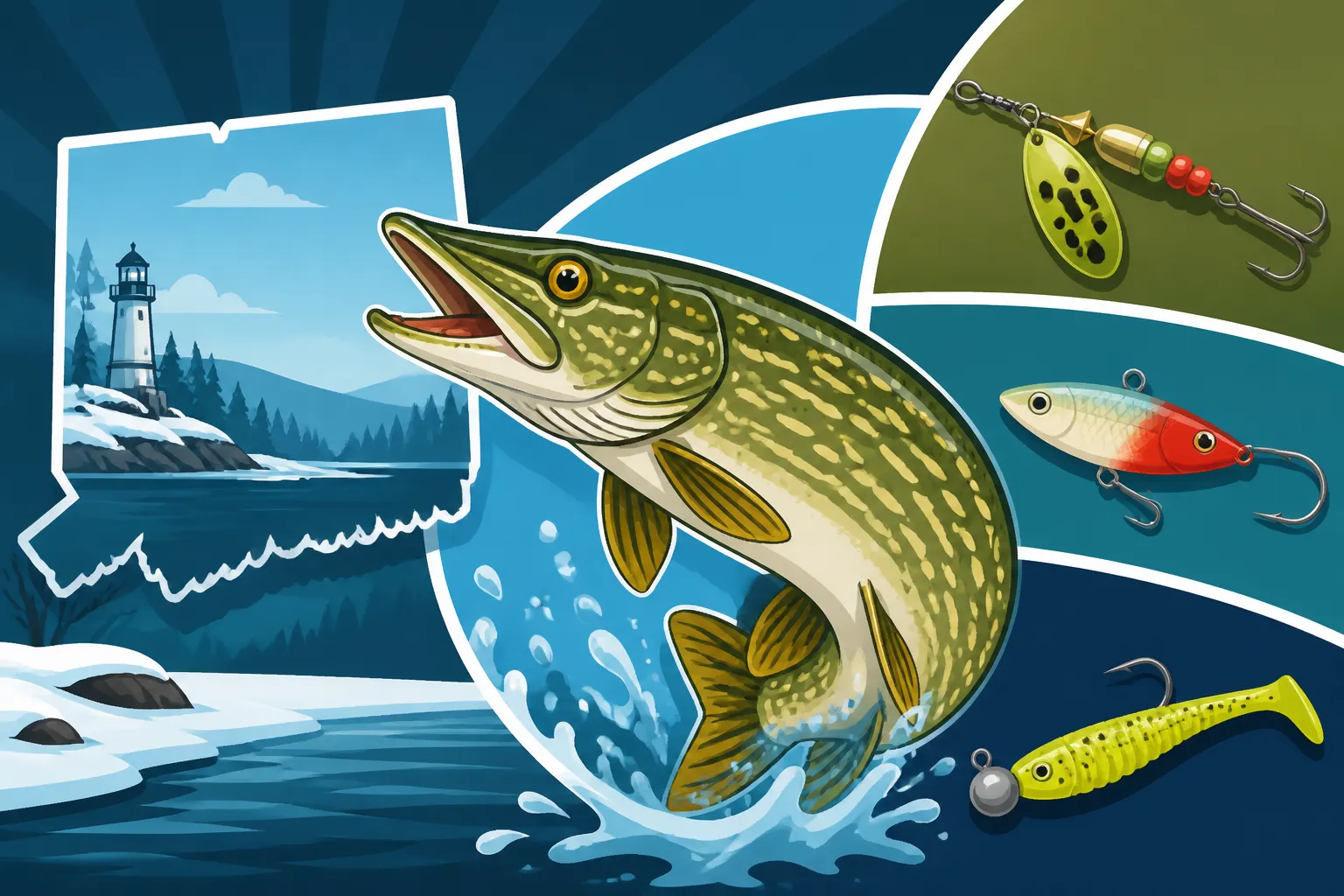
While live bait is king, lures can be incredibly effective, especially for active jigging or when searching for fish. The key is to choose lures that offer good action at slow retrieves or with minimal jigging motion. Spoons are a classic winter pickerel lure. Brands like Kastmaster or Swedish Pimple are popular choices. Their fluttering action on the drop is often irresistible. Try silver, gold, or bright chartreuse colors.
Jigs tipped with soft plastics or even a piece of cut bait can also work wonders. Think paddle tail swimbaits, grubs, or small jerkbaits that suspend in the water column. When jigging, use a lift-and-drop motion, letting the lure fall on a semi-slack line to give it a natural flutter. Sometimes a slow, steady retrieve with a spinnerbait or an inline spinner can trigger a strike in open water. Don't forget that pickerel have a mouth full of sharp teeth, so using those bite-resistant leaders is just as crucial with lures as it is with live bait. You can find a vast array of effective winter lures and accessories on Amazon, including specific brands known for their performance in cold water.
Ice Fishing Techniques for Pickerel
Ice fishing for pickerel is a fantastic way to beat the winter blues and connect with some aggressive fish. The key is understanding how to maximize your spread, presentation, and safety on the hardwater. Remember, Ice Fishing in Connecticut can be incredibly rewarding, but preparation is vital.
Setting Up Tip-Ups for Success
Tip-ups are the quintessential ice fishing tool for pickerel, allowing you to cover a wide area and detect strikes from fish that might be cruising. The standard setup involves a spool of line, a trigger mechanism, and a flag that pops up when a fish takes the bait. Spreading out several tip-ups (check local regulations for the maximum number allowed per angler) across different depths and structural elements is key. Try placing some along the visible weed edges, some slightly deeper off a point, and others near submerged brush.
When setting your bait, thread a lively shiner or minnow onto a treble hook or a large single hook. Adjust your depth so the bait is suspended a foot or two above the top of the weeds or structure. This ensures your bait is visible and active without getting lost in the cover. When the flag pops, resist the urge to immediately yank the line. Pickerel often "mouth" the bait first. Give them a few seconds, let the line run for a bit, then give a gentle but firm tug to set the hook. This waiting period is often the difference between a missed strike and a fish on the ice.
Jigging with Handheld Rods
While tip-ups are great for passive fishing, actively jigging with a short ice rod can be incredibly engaging and effective for pickerel. This method allows you to experiment with different lures and depths, actively seeking out fish. Small spoons, horizontal jigs, and soft plastic baits are excellent choices. Tipping your jig with a piece of a minnow or a worm can add irresistible scent and extra appeal.
The motion is crucial here. Start with a series of short, sharp lifts, then let the lure fall on a semi-slack line. Allow it to rest for a few seconds before repeating. Sometimes a subtle quiver is all it takes, other times a more aggressive series of jigs will trigger a strike. Experiment with different retrieves until you find what the fish prefer on a given day. Focus your jigging efforts in areas where you suspect pickerel are holding, like pockets within weed beds, near drop-offs, or around submerged structure. The active nature of jigging means you're constantly interacting with the environment, often leading to more consistent action, especially on those days when the fish are a bit more finicky.
Reading the Ice and Structure
Safety is paramount when ice fishing. Always check ice thickness before venturing out, and be aware of conditions throughout the day. A minimum of 4 inches of clear, solid ice is generally recommended for safe walking. When you're out there, learning to "read" the ice and the underwater structure beneath it will drastically improve your success. Look for visual cues on the ice that might indicate changes in depth or structure, such as areas where snow has accumulated differently or where the ice has a different texture.
Once you drill a hole, use a flasher or fish finder to identify depth, bottom contours, and most importantly, the presence of underwater weeds or structure. Pickerel love cover, so finding those green weed beds, fallen trees, or rocky ledges is critical. Pay attention to transitions – where weeds meet open water, or where a shallow flat drops off into deeper water. These are often pickerel highways. Don't be afraid to drill multiple holes and move frequently until you locate an active school or a productive area. Being mobile and observant is key to unlocking the full potential of winter pickerel fishing. Always be mindful of the Connecticut Cold Water Life Jacket Rule (October to May), even if you don't plan on entering the water, as an extra layer of safety.
Open Water Techniques for Winter Pickerel
Even if the ice isn't safe or you prefer open water, pickerel can still provide excellent action in Connecticut during the colder months. Many lakes, ponds, and even rivers will have open water areas year-round, especially in milder winters or spots with good current.
Targeting Pickerel from Shore
Shore fishing for winter pickerel requires a bit of stealth and patience, but it can be incredibly rewarding. Focus on accessible areas with plenty of submerged structure or visible weed lines close to the bank. Docks, fallen trees, and rocky outcroppings are prime real estate. The water near the shore often warms up slightly faster on a sunny winter day, attracting baitfish and, consequently, pickerel.
Effective lures for shore fishing include spoons, inline spinners, and smaller stickbaits or jerkbaits. The retrieve should generally be slow and methodical. Cast out, let the lure sink, and then retrieve it with pauses and subtle twitches. Think about mimicking a lethargic baitfish that's struggling. Live minnows fished under a bobber can also be deadly from shore. Cast your bait out, let it sit for a few minutes, then reel in slowly a few feet before pausing again. Patience is a virtue here, as pickerel might not chase a lure far in cold water but will readily pounce on something that looks easy. Many productive spots can be found around state parks or public access areas, just be sure to consult Connecticut Fishing Regulations Explained before you head out.
Kayak or Canoe Strategies
For those brave enough to launch a small watercraft in the cold, kayaks and canoes offer unparalleled access to prime pickerel habitat. These boats allow you to quietly slip into shallow coves, navigate through sparse weed lines, and get close to shore-side structure that's inaccessible to larger boats or bank anglers. Always prioritize safety: wear a personal flotation device, dress in layers suitable for cold water immersion, and let someone know your float plan.
Paddle slowly and deliberately, scouting for visible cover like emergent weeds, lily pad stems (even if they're dead), or brush piles. Use small crankbaits, swimbaits, or even jigs tipped with live bait. Focus on casting parallel to weed lines and structure, allowing your lure to stay in the strike zone for as long as possible. The quiet nature of a kayak or canoe also means you're less likely to spook fish, giving you a better chance to entice a strike. This method allows you to truly explore and find those hidden winter pickerel honey holes that most other anglers overlook.
Slow-Rolling Lures and Baits
No matter if you're fishing from shore, a kayak, or even a boat, the concept of "slow-rolling" is critical for open water winter pickerel. Pickerel are still aggressive, but their movements are more deliberate in cold water. They're less likely to chase a fast-moving bait across a wide expanse. Instead, they want something that lingers, something they can easily intercept without expending too much energy.
This means fishing slowly is paramount. When using a spinnerbait, crankbait, or swimbait, retrieve it just fast enough to get the lure's action working, but no faster. Allow it to bump off submerged structure or drag through the tops of weeds. For soft plastics, use a jig head and let it crawl along the bottom with pauses, or suspend it with a slow, twitch-and-pause retrieve. Even with live bait, a slow drift or a gentle retrieve interrupted by frequent pauses will often outfish a faster approach. Think "temptation, not chase." Present your offering as an easy meal, and those winter pickerel will often oblige.
Advanced Tips and Tricks for More Catches
Once you've got the basics down, there are always a few extra details that can elevate your pickerel game. From subtle presentation tweaks to knowing how to handle these toothy fish, these tips can make a big difference.
The Importance of Presentation and Scent
In cold water, fish can be a bit more finicky. While pickerel are aggressive, a refined presentation can still increase your catch rate. This means making sure your bait is lively and natural-looking if you're using live bait. For lures, ensure they're running true and mimicking the subtle movements of a distressed baitfish. Sometimes, just a slight variation in jigging motion or retrieve speed can make all the difference. Try a tiny twitch, a longer pause, or a slower drop to see what triggers a strike.
Scent can also play a significant role, especially when fish are less active. Adding a scent attractant to your lures or soft plastics can make them more appealing, masking any unnatural smells and encouraging the pickerel to hold onto the bait longer. Some anglers even tip their jigs with a small piece of live minnow or a Berkley Gulp! bait to add both visual appeal and a strong scent trail. This extra sensory input can be crucial when trying to coax a bite from a wary pickerel that's nestled deep in the weeds.
Dealing with Pickerel's Teeth
This is a lesson many anglers learn the hard way: pickerel have extremely sharp, needle-like teeth. They can easily slice through monofilament or fluorocarbon main lines, leading to heartbreaking break-offs and lost lures. That's why leaders are non-negotiable. Steel leaders are the most bite-proof option, ranging from thin wire leaders for minimal visibility to heavier braided steel for maximum protection. Fluorocarbon leaders in the 20-30 lb test range can also work, offering better abrasion resistance than lighter line, but they are still not completely bite-proof against a determined pickerel. It's a trade-off between visibility and protection, so choose based on water clarity and fish activity.
Removing hooks from a pickerel's mouth also requires caution. Never reach in with bare hands. A good pair of long-nosed pliers or a hook-out tool is essential. Pickerel will thrash, and those teeth can do some damage to your fingers. If the hook is deeply set, consider cutting the line and leaving the hook, especially if it's a single hook that will eventually rust out. The fish's well-being is important, and a quick release is always preferred. Keeping a small towel handy can also help you grip a slippery fish without direct contact.
Optimal Times and Conditions
While pickerel are active in winter, certain conditions can make them even more eager to bite. Overcast days, especially those with light snow or drizzle, can often be phenomenal. The diffused light seems to make pickerel more comfortable roaming and hunting. Mid-day, when the sun is at its highest and has had a chance to warm the shallows slightly, can also be productive. Don't feel like you have to be out at dawn; winter fishing often picks up a bit later in the morning.
Barometric pressure can also influence fish activity. Stable or rising pressure often correlates with more active fish. Days just before a major cold front moves in can also be very good, as fish tend to feed aggressively in anticipation of the approaching weather change. Conversely, a sudden drop in temperature or a strong, bright sun after a period of cloudiness can sometimes slow them down. Pay attention to the weather patterns, and you'll start to notice correlations that help you plan your most successful winter pickerel excursions.
Top Connecticut Waters for Winter Pickerel
Connecticut is blessed with numerous ponds, lakes, and even some river systems that hold fantastic populations of chain pickerel. While specific hotspots can change, understanding the types of water pickerel prefer will help you find success no matter where you are in the state.
Identifying Prime Pickerel Ponds and Lakes
Pickerel thrive in waters with extensive weed growth, plenty of ambush points, and a healthy population of baitfish. These are often shallower, fertile lakes and ponds, but they can also be found in slower sections of rivers. Look for waters with lily pad fields (even if they're dead or covered by ice), submerged grass beds, beaver lodges, and lots of fallen timber. These environments provide both cover for the pickerel and food for their prey.
When researching potential spots, look for reports of healthy panfish populations, as these often indicate a good forage base for pickerel. Waters that aren't overly deep, with a good mix of shallow flats and slightly deeper channels, are also ideal. Don't discount smaller, lesser-known ponds; these can often be hidden gems for pickerel, especially if they see less fishing pressure than larger, more popular destinations. Identifying Where chain pickerel live in Connecticut will give you a significant advantage in your winter pursuits.
Specific Hotspots
While pickerel can be found throughout Connecticut, some bodies of water are particularly well-known for their strong populations and winter fishing potential. Places like Bantam Lake in Litchfield are renowned for their abundant chain pickerel, often alongside their larger pike cousins. The extensive weed beds and varied structure make it a prime location. You can learn more about this fishery in the Bantam Lake Fishing Guide. Candlewood Lake is another immense body of water with plenty of bays, coves, and weed lines that hold pickerel, particularly in its shallower arms. While famous for bass, the pickerel population is robust, and finding Best Ice Fishing Access on Candlewood Lake can lead to great winter action.
Further east, Hopeville Pond State Park in Griswold is a fantastic spot, known for its diverse fishery, including a strong presence of pickerel. Its varied bottom contours and weed lines provide excellent habitat. Check out the Hopeville Pond Fishing Guide for more details. Many smaller, state-managed ponds like Mashapaug Lake in Union or Pachaug Pond in Griswold also offer excellent pickerel opportunities, especially for ice anglers. Always refer to the Connecticut DEEP's fishing guide for specific regulations and stocking information, though pickerel are typically naturally reproducing. Before heading out to any of these spots, ensure you have your Connecticut Fishing License Guide for 2026 in order, as regulations apply year-round.
Comparing Winter Pickerel Lures
Knowing your options for lures can make a huge difference in winter, especially when pickerel can be particular. Here's a quick look at some popular choices and their best uses.
| Lure Type | Best Use | Pros | Cons |
|---|---|---|---|
| Spoons | Jigging, casting in open water | Excellent flash and flutter on the drop, good for active fish | Can get snagged easily in heavy weeds |
| Jerkbaits | Open water casting, slow-twitch retrieves | Mimics wounded baitfish, suspends in water, covers water | Requires active rod work, can be pricey |
| Soft Plastics | Jigging, open water casting (weedless rigs) | Versatile, natural look/feel, can be scented | Less flash than spoons, require matching jig heads |
| Inline Spinners | Open water casting, steady retrieves | Constant flash and vibration, good for searching | Less effective for vertical jigging, can twist line |
| Live Minnows | Tip-ups, bobber fishing | Natural movement and scent, often irresistible | Requires bait bucket and aerator, can be delicate to rig |
Spoons: These are classics for a reason. Their metallic flash and wobbling action on the fall are highly visible and enticing in clear, cold water. Perfect for vertical jigging through ice holes or casting and retrieving slowly in open water. On Amazon, you'll find a range of sizes and colors, from the flashy chrome to the more subdued gold, which can be effective on different days.
Jerkbaits: Especially suspending jerkbaits, these are deadly in cold open water. They can be twitched and paused, staying in the strike zone for extended periods, mimicking a dying baitfish that pickerel can't resist. Brands like Rapala and Lucky Craft offer excellent suspending models. A slow, subtle twitch-twitch-pause retrieve can often trigger violent strikes.
Soft Plastics: These are incredibly versatile. Paddle tail swimbaits on a jig head, grubs, or even worm-like plastics can be fished effectively. They offer a natural profile and can be infused with scent, which is a huge advantage in cold water. Rigging them weedless can also help you fish those dense cover areas without constant snagging. Many excellent soft plastic options are available on Amazon in a variety of colors.
Inline Spinners: While perhaps more commonly associated with warmer weather, slow-rolling an inline spinner in open water can still entice a pickerel. The continuous blade flash and vibration are a beacon in murky or stained water. Choose heavier models that can be cast a good distance and retrieved slowly without rising too high in the water column.
Live Minnows: This is often the undisputed king, especially for tip-ups. The natural scent, movement, and vulnerability of a live minnow are simply hard to beat. Using them with the right sized hook and leader, suspended at the correct depth, can lead to consistent action.
Disclaimer
Fishing involves inherent risks, including but not limited to, slippery surfaces, sharp hooks, and unpredictable wildlife. Always prioritize safety, especially when fishing in cold weather or on ice. Check ice conditions carefully, wear appropriate safety gear, and be aware of all local fishing regulations. The information provided in this guide is for informational purposes only, and conditions can vary. Consult the Connecticut Department of Energy and Environmental Protection (DEEP) for the most up-to-date regulations, ice safety guidelines, and fishing reports.