Best technique for tailwater trout below a dam
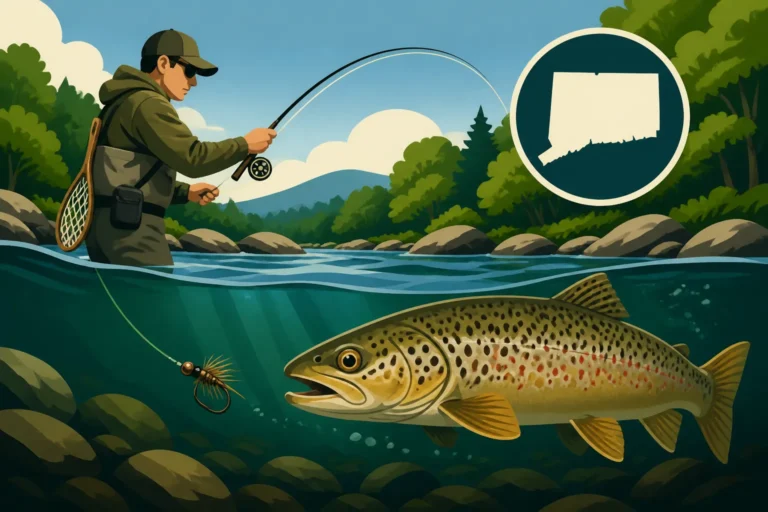
Fishing below a dam in a Connecticut tailwater can be one of the most rewarding—and sometimes frustrating—experiences an angler can have. The constant flow of cold, oxygenated water often creates a paradise for trout, but it also presents unique challenges that demand specific tactics. This comprehensive guide will walk you through the very best techniques for consistently catching tailwater trout below a dam, helping you understand their behavior and equipping you with the strategies to succeed.
Understanding Tailwater Trout Behavior Below a Dam
Before you even think about casting, it's crucial to understand why tailwater trout behave differently than their counterparts in freestone streams or stillwater ponds. The environment created by a dam is highly specialized, and the fish living there adapt accordingly.
How Dam Releases Affect Trout
Dams fundamentally alter the aquatic environment downstream. The water released from the bottom of a reservoir is typically much colder and more consistent in temperature than surface water, which is a boon for trout that prefer cool, stable conditions. However, dam releases also mean fluctuating water levels and currents. One moment you might have a gentle flow, the next a torrent, depending on power generation or flood control operations. These changes dictate everything from where trout hold to what they eat. Fish in tailwaters become highly opportunistic, often congregating in areas where the current provides a steady food supply with minimal energy expenditure. They'll seek out current seams, eddies, and submerged structure where they can escape the main force of the flow while still having access to drifting food.
For instance, consider a sunny summer day on a typical freestone stream in Connecticut. The water might be warming up, making trout sluggish. But below a dam, the water often remains in the low 50s, keeping trout active and feeding throughout the day. Conversely, a sudden surge of water from a dam release can scatter fish, pushing them into slower, more protected pockets or forcing them to hunker down behind large rocks or ledges. Understanding these cycles, often available through local hydro-power generation schedules or USGS river gauges, is a game-changer for successful tailwater fishing. Knowing when the water might surge or drop gives you a tactical advantage.
Tailwater Trout Diet and Food Sources
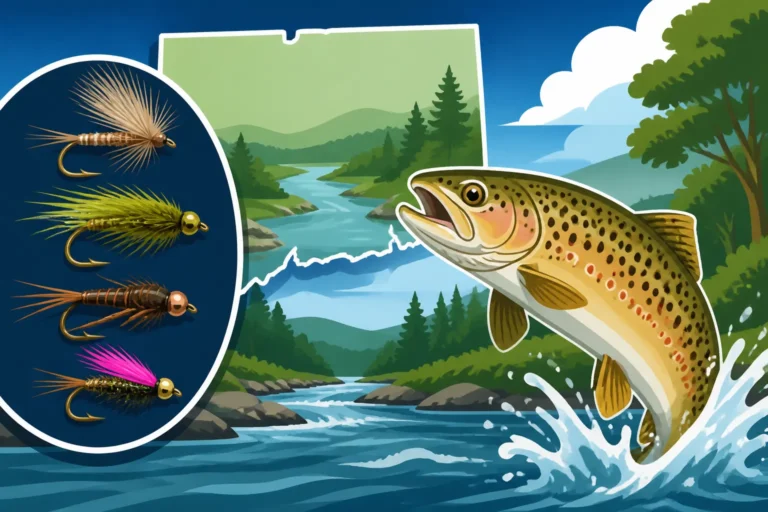
The diet of tailwater trout is directly influenced by what the dam's reservoir and the downstream ecosystem provide. Unlike many freestone streams where terrestrial insects play a huge role, tailwaters often have a consistent supply of aquatic insects, crustaceans, and baitfish. Scuds (freshwater shrimp) are frequently abundant in these cold, stable environments, providing a year-round protein source. Various species of caddis, mayflies, and stoneflies will hatch at different times, often in prolific numbers. Fly Patterns for Connecticut Trout Streams can give you a deeper dive into insect life cycles.
Additionally, small baitfish that thrive in cooler waters, or those that get flushed through the dam, become a significant food source for larger trout. This means that while dry flies might work during specific hatches, the bread and butter of tailwater fishing often involves subsurface presentations. Nymphs and streamers that imitate these primary food sources are almost always effective. Think about it: a trout isn't going to expend energy chasing a tiny surface insect if a steady conveyor belt of plump nymphs or a struggling sculpin is drifting right to its nose. Large, opportunistic brown trout, in particular, will gorge on protein-rich scuds and baitfish.
Essential Gear for Tailwater Success
Having the right tools for the job is paramount when tackling the unique conditions of tailwaters. Standard trout gear might work in a pinch, but specialized equipment will significantly improve your chances and comfort.
Rod, Reel, and Line Selection
For fly fishing in Connecticut tailwaters, particularly when nymphing or throwing streamers, a slightly longer, heavier rod than you might typically use for small streams is often beneficial. A 9 to 10-foot rod in a 5 or 6-weight class provides the extra reach for mending line in complex currents, better line control for dead drifts, and more power to handle larger fish or heavier fly lines. If you're planning on Euro Nymphing Connecticut Trout Streams, a specialized 10 or 11-foot 2 or 3-weight rod designed for sensitivity is ideal. Pair your rod with a reliable reel that has a smooth drag system, capable of handling powerful runs from strong tailwater trout. For line, a weight-forward floating line is standard, but you might also consider a sink-tip line for streamer fishing or heavy nymph rigs to get your flies down quickly in deep, fast water.
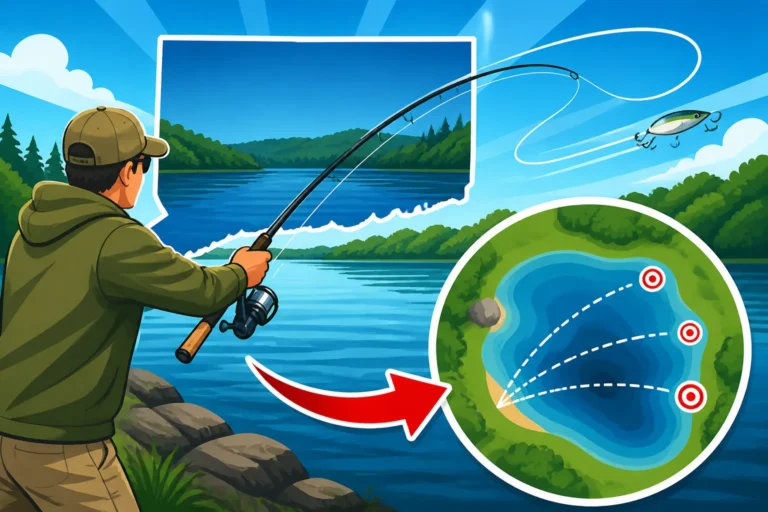
Spin anglers will also benefit from a slightly longer rod, perhaps a 7-foot to 7-foot 6-inch light to medium-light spinning rod. This length allows for longer casts to reach prime lies from shore and better line control in the current. A fast action tip will help detect subtle bites. Pair it with a 1000 to 2500 size spinning reel spooled with 4-8 pound fluorocarbon or braided line with a fluorocarbon leader. The low stretch and abrasion resistance of fluorocarbon are invaluable in rocky, current-filled environments. You can find excellent selections of these rods and reels on Amazon, often with helpful reviews from other anglers who target similar waters.
Fly Patterns and Lures
This is where you match your offerings to the tailwater trout's consistent diet.
For Fly Anglers:
- Nymphs: These are often the most productive. Focus on patterns that imitate scuds (like a tan, olive, or orange Scud), caddis larvae (like a Caddis Larva or Green Rock Worm), and mayfly nymphs (Pheasant Tail, Hare's Ear, Prince Nymph). Having these in various sizes (from #12 down to #20) and weighted versions (with tungsten beads) is crucial for getting them to the fish quickly. Best techniques for early spring trout often involve heavier nymphing.
- Streamers: For aggressive trout, especially larger browns, streamers are killer. Patterns like Woolly Buggers (black, olive, brown), Zonkers, and Sculpin imitations in sizes #4 to #10 are excellent choices. Don't be afraid to go big; tailwater trout aren't shy about attacking a juicy meal. If you're targeting those bigger fish, checking out Streamer patterns for Connecticut brown trout could be beneficial.
- Dry Flies: While less consistent than subsurface patterns, keep a few caddis, mayfly, and terrestrial imitations on hand for those rare, magical hatch moments or when fish are rising selectively.
For Spin Anglers:
- Small Jigs: Soft plastic grubs or micro jigs (1/32 to 1/8 ounce) tipped with a small piece of worm or scented bait can be deadly, mimicking nymphs or small baitfish.
- Spinners and Spoons: Classic Panther Martin, Mepps, or Rooster Tail spinners in gold, silver, or black, or small Kastmasters, are effective for actively feeding trout. Retrieve them just fast enough to get the blade spinning, letting the current do some of the work.
- Small Crankbaits: Floating or suspending crankbaits that dive a few feet, in natural baitfish patterns or bright colors, can entice aggressive strikes. Many anglers swear by specific small crankbaits, readily available on Amazon.
- Worms and Live Bait: If regulations allow, a simple worm on a small hook with a split shot can be incredibly effective, especially after a fresh stocking or in higher flows. Always check the Connecticut Fishing Regulations Explained before using live bait.
Top Techniques for Fishing Below a Dam
Now that you understand the fish and have the right gear, let's talk about how to present your offerings effectively in a tailwater environment.
Nymphing Strategies
Nymphing is arguably the most consistently productive method for tailwater trout. These fish are constantly looking down for food drifting in the current.
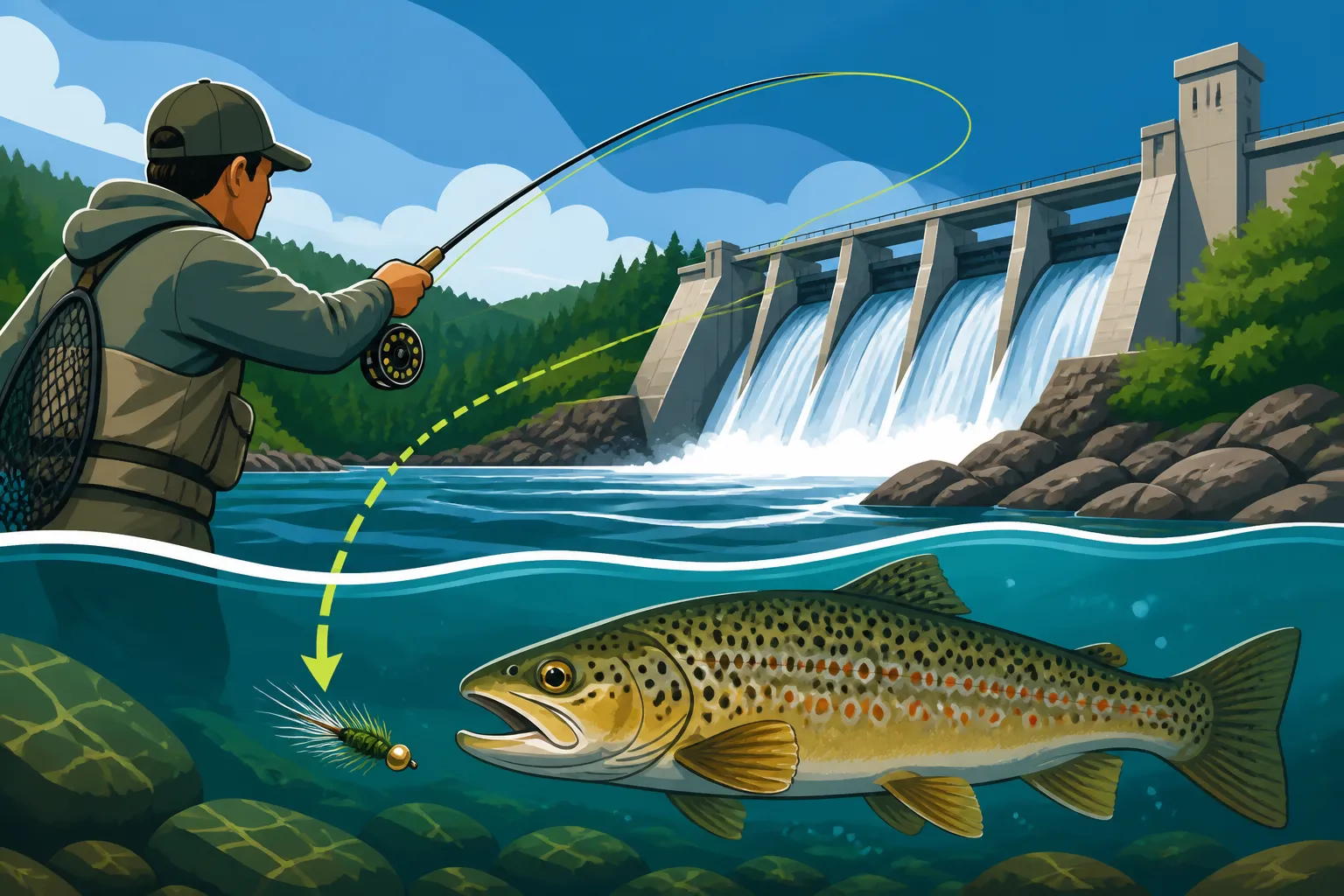
- Indicator Nymphing: This is a fantastic all-around method. You use a strike indicator (a bobber for fly anglers) to suspend one or two weighted nymphs at a precise depth. The key is to achieve a completely natural, drag-free drift. Cast upstream and slightly across, mending your line to keep the indicator and flies drifting at the same speed as the current. Watch the indicator like a hawk – any pause, twitch, or subtle movement means a fish has taken your fly. Vary your depth until you find where the fish are holding, which is often near the bottom. This technique requires patience and keen observation, but it's incredibly effective in the consistent flows of tailwaters. Think of it as presenting a buffet of delicious insects directly to the trout's dining table.
- Euro Nymphing (Contact Nymphing): For those seeking maximum sensitivity and direct contact with their flies, Euro nymphing is a game-changer. This technique uses a specialized long, light rod, a minimal amount of fly line (often just a leader), and heavy nymphs. The goal is to keep your line taut and your rod tip elevated, maintaining direct contact with your flies as they drift. You'll feel every subtle tick and bump as your flies tumble along the bottom, making it easier to detect even the lightest takes. This method excels in faster, broken water where indicators would be thrashed around, and it allows for pinpoint control over your drift. It's an active, engaging way to fish, almost like a dance with the current. Many dedicated Euro nymphing leaders and flies can be found on Amazon.
- Dead Drifting Without an Indicator: This more subtle approach is great for spooky fish or when targeting specific seams. You cast your weighted nymph upstream and across, allowing it to sink and drift naturally. You follow the line with your rod tip, watching for any hesitation or unnatural movement in the line where it enters the water. It requires a good "feel" for your line and the ability to detect subtle takes by sight or feel.
Streamer Fishing
Streamers are your go-to for targeting aggressive, larger trout that are looking for a substantial meal, especially after dam releases or during low light conditions. Best time of year for trophy brown trout in Connecticut can often be correlated with periods when streamers are most effective.
- Strip and Pause: Cast your streamer across or slightly downstream, let it sink, then retrieve it with a series of short, quick strips, interspersed with pauses. The pauses are crucial, as fish often strike when the fly looks vulnerable or changes direction. Vary your retrieve speed and depth until you find what triggers a strike. This technique imitates a wounded baitfish or a struggling sculpin.
- Downstream Swing: Cast your streamer directly across the current or slightly downstream. Let the current pull the line taut, swinging the streamer across the river. As it swings, impart subtle twitches with your rod tip. This method often triggers aggressive reaction strikes as the fly darts enticingly across the trout's lie. It's particularly effective in uniform currents.
- Aggressive Jigging: In deeper pools or turbulent areas, cast a weighted streamer upstream and allow it to sink. As it drifts downstream, lift and drop your rod tip, making the streamer "jig" through the water column. This aggressive movement can provoke strikes from predatory trout hunkered down near the bottom.
Light Tackle Spin Fishing
For anglers preferring spin gear, the same principles of presentation apply, often with highly effective results.
- Bottom Bouncing Jigs and Baits: Use a light jig head with a soft plastic grub, or a small hook with a worm, secured a foot or two below a split shot or small sliding sinker. Cast upstream and let the rig drift naturally along the bottom, keeping your line tight enough to feel bites but loose enough for a natural drift. This mimics a nymph or other benthic food source.
- Controlled Spinner/Spoon Retrieves: When using spinners or spoons, cast slightly upstream and across. As the lure swings downstream, slowly reel just enough to keep the blade spinning or the spoon fluttering. Allow the current to create the action. Focus on retrieving through current seams and eddies. The flash and vibration can be irresistible to active trout.
- Small Crankbait "Walking the Dog": While typically a bass technique, tiny crankbaits can be walked or twitched through slower pockets and eddies. Cast, let it settle, then give short twitches of your rod tip while reeling in slack, making the lure dart and pause. This can be very effective for aggressive trout patrolling slower water.
Navigating Common Tailwater Challenges
Tailwaters, while productive, come with their own set of challenges. Knowing how to read the water and adapt to changing conditions will drastically improve your success.
Reading the Water Below a Dam
Learning to "read the water" is an art that develops with experience, but some fundamentals are key for tailwaters. The current is your map.
- Current Seams: These are the highways for drifting food. Look for the distinct line where fast water meets slow water. Trout will often sit just inside the slower water, facing upstream, waiting for food to be delivered to them by the faster current. These seams are prime targets for nymphing and dead drifting.
- Eddies and Back-Currents: These are areas of slower, swirling water, often behind large rocks, logs, or points of land. Trout find refuge here from the main current and often feed on insects that get trapped and recirculated. These are excellent places for lighter nymphs or even dry flies during a hatch, as well as for working streamers.
- Deep Pools and Runs: Tailwaters often feature deep, oxygenated pools that serve as holding areas for larger trout, especially in warmer months. These require heavier flies or jigs to get down to the fish. Runs, which are sections of moderately fast, uniform current, are excellent for covering water with nymphs or spinners.
- Structure: Submerged rocks, fallen trees, and undercut banks provide cover and ambush points. Fish these areas thoroughly, as trout will hold tight to structure to conserve energy and surprise prey. Don't be afraid to get your flies or lures close to, or even bump off, these obstacles. The Connecticut Fishing Guide is a great resource for identifying these features in specific locations.
Dealing with Changing Water Levels and Flows
Tailwater flows are inherently dynamic. One moment you might be wading comfortably, the next the water level could rise significantly.
- Monitoring Conditions: Always check dam release schedules or river flow gauges before heading out. The USGS website is an invaluable resource for real-time flow data in many rivers. Being prepared for high or low water can prevent a frustrating (or even dangerous) day.
- High Water Strategies: When flows are high, trout often move to the edges of the river, into slower pockets, or behind large obstructions. Focus your efforts on these softer water areas. Use heavier nymphs or streamers to punch through the current and get to the fish. Brightly colored lures or flies can also be more visible in turbid water. Safety is paramount – never wade in conditions that feel unsafe.
- Low Water Strategies: During periods of low flow, trout can become very spooky. Approach quietly, use longer leaders, lighter tippets, and smaller, more natural presentations. Fish will often concentrate in the deeper pools and runs, so focus your efforts there. Early morning or late evening often provides the best fishing during low-water conditions, as trout feel more secure.
- Adapting Your Approach: Flexibility is key. If your usual nymph rig isn't working because the current is too fast, switch to a heavier setup or try a streamer. If the water drops and fish become wary, downsize your flies and lighten your leader. The trout will tell you what they want if you pay attention. Remember, Connecticut Trout Season and Stocking Rules dictate when and where you can fish, but adapting to flow conditions is up to you.
Remember to always consult the local regulations, especially for specific tailwater sections which may have unique rules, such as Connecticut Catch and Release Fly Fishing Only Waters or specific harvest restrictions.
Tailwater Trout Fly & Lure Guide
| Type of Lure/Fly | Primary Imitation | Best Conditions | Retrieve/Presentation Strategy | Notes |
|---|---|---|---|---|
| Nymphs | Caddis, Mayflies, Scuds | All-around, especially subsurface | Dead drift with indicator or Euro nymphing | Essential, various sizes and weights |
| Streamers | Baitfish, Sculpins | High flows, low light, aggressive fish | Strip & pause, downstream swing, aggressive jigging | Good for larger, predatory trout |
| Small Spinners | Baitfish, flashy insect | Active fish, moderate currents | Steady retrieve, let current add action | Classic and consistently effective |
| Small Jigs | Nymphs, small baitfish | All-around, bottom bouncing | Lift & drop, slow retrieve along bottom | Versatile, can be tipped with bait |
| Small Crankbaits | Baitfish | Slower pockets, aggressive strikes | Twitch & pause, steady retrieve | Effective for covering water in certain areas |
Ultimately, fishing Connecticut's tailwaters below a dam offers some of the most consistent and challenging trout fishing opportunities available. By understanding the unique environment, preparing with appropriate gear, mastering proven techniques, and adapting to changing conditions, you'll significantly increase your chances of a successful and memorable day on the water.
Disclaimer
This article is for general informational purposes only and does not constitute professional advice. Laws, prices and regulations vary by location and change over time. Consult a qualified professional for guidance on your specific situation.