Connecticut black sea bass season dates
Few things are as frustrating as planning a fishing trip, only to discover you've missed the season or that the rules have changed for your target species. For anglers eager to chase delicious black sea bass in Connecticut waters, navigating the shifting season dates and regulations can feel like trying to solve a puzzle. This guide will cut through the confusion, explaining how black sea bass seasons are determined, what to expect for upcoming years like 2026, and how to stay on the right side of the rules.
Navigating Connecticut's Black Sea Bass Seasons
Trying to keep up with fishing regulations, especially for popular saltwater species like black sea bass, can sometimes feel like a full-time job. You hear whispers of different dates, bag limits, and size requirements, and it’s enough to make your head spin. But trust me, understanding these rules isn't just about avoiding a fine; it's about protecting the fishery we all love and ensuring there's plenty of black sea bass for future generations of anglers.
The Federal and State Connection
It might seem like Connecticut just makes up its fishing rules, but the reality is much more complex, especially for migratory saltwater species like black sea bass. These fish don't respect state lines. Instead, their management is a dance between federal agencies and various state authorities. The Atlantic States Marine Fisheries Commission (ASMFC) and the Mid-Atlantic Fishery Management Council (MAFMC) are the big players at the federal level, setting overarching guidelines for the entire East Coast. They conduct stock assessments, determine quotas, and recommend management measures based on scientific data about the health of the black sea bass population.
Once these federal guidelines are established, individual states like Connecticut then adopt their own specific regulations that align with or sometimes are even more restrictive than the federal framework. This is why you might see slight variations in season dates, size limits, or bag limits between Connecticut and neighboring states like New York or Rhode Island. It’s a way for each state to manage the fishery within its waters while still contributing to the larger, coast-wide conservation effort. So, when you're looking for Connecticut black sea bass season dates, remember that they are a direct reflection of these larger, regional management decisions.
Where to Find the Official Rules
With so many layers of regulation, where do you go for the definitive, up-to-date information on Connecticut black sea bass season dates and rules? The absolute best resource, without a doubt, is the Connecticut Department of Energy and Environmental Protection (DEEP). They are the official source for all fishing regulations within the state. You'll want to specifically look for their annual Connecticut Angler's Guide or visit the Marine Fisheries section of their website.
It's tempting to rely on word-of-mouth or older print guides, but that can lead you astray, as regulations for species like black sea bass are subject to annual, and sometimes even in-season, changes. The DEEP website usually publishes the new regulations in late winter or early spring, well before the fishing season really kicks into gear. They also have a dedicated customer service phone number if you have specific questions or need clarification. I always make it a point to check their site at the beginning of each year, and even mid-season if I haven't been out in a while, just to be sure. Trust me, a quick check can save you a lot of grief and ensure you're fishing legally. You can even find specific details on topics like the Connecticut Fishing License Guide for 2026 and what's required for saltwater fishing.
The Why Behind Changing Black Sea Bass Regulations
It can be a real head-scratcher when the black sea bass season dates or bag limits seem to change every other year. You finally get used to one set of rules, buy all your gear, and then poof, they're different again. But there's a good reason for this variability, and it all boils down to the health of the fish stock and the collaborative effort to keep it sustainable for everyone.
Conservation Efforts and Stock Health
The primary driver behind any changes in black sea bass regulations is conservation. Scientists and fishery managers are constantly monitoring the black sea bass population. They look at things like how many fish are out there, how many are reproducing, how many are being caught by recreational and commercial anglers, and what environmental factors might be impacting them. This data helps them determine the overall health, or "stock health," of the black sea bass fishery.
If the stock assessments show that the population is healthy and robust, we might see more lenient regulations – perhaps a longer season or a slightly higher bag limit. However, if the stock shows signs of decline or if fishing pressure is too high, then stricter measures might be put in place to give the fish a chance to recover and rebuild. These changes aren't arbitrary; they are scientific decisions aimed at preventing overfishing and ensuring that there are plenty of black sea bass for generations to come. It’s a delicate balancing act, trying to provide fishing opportunities while safeguarding the future of the species. Sometimes, you'll find similar discussions about changes to Connecticut Striped Bass Slot Limit and Season for the very same reasons.
Interstate Management Challenges
Another big reason why black sea bass seasons can seem so fluid is the complex nature of interstate management. As I mentioned, black sea bass migrate along the entire Atlantic coast. What happens in the waters off North Carolina can absolutely impact the fish we see in Long Island Sound. Because of this, the management councils (like the MAFMC and ASMFC) work to coordinate regulations across all the states where black sea bass are found.
Imagine trying to get 15 different states to agree on the exact same fishing dates and limits! It's a massive undertaking. Different states have different fishing traditions, angler populations, and economic reliance on certain fisheries. The result is often a set of compromise regulations that try to meet the conservation goals while accommodating the diverse needs of each state. This can sometimes mean that Connecticut's season dates might be slightly adjusted to complement what's happening in, say, New Jersey or Massachusetts, even if the local Connecticut stock seems healthy. It's all part of a larger regional strategy, which often leads to complex discussions around Connecticut Saltwater Fishing Regulations by Species. This interconnectedness means anglers need to be prepared for the possibility of annual tweaks to the rules.
Key Specifics of Black Sea Bass Rules in Connecticut
Alright, let's get down to brass tacks. While the exact Connecticut black sea bass season dates for 2026 won't be finalized until closer to that year, we can certainly look at the recent patterns to give you a very strong idea of what to expect. Regulations tend to follow a similar structure year after year, with minor adjustments based on the stock assessments and federal guidelines.
Specific Season Dates and Fishing Limits
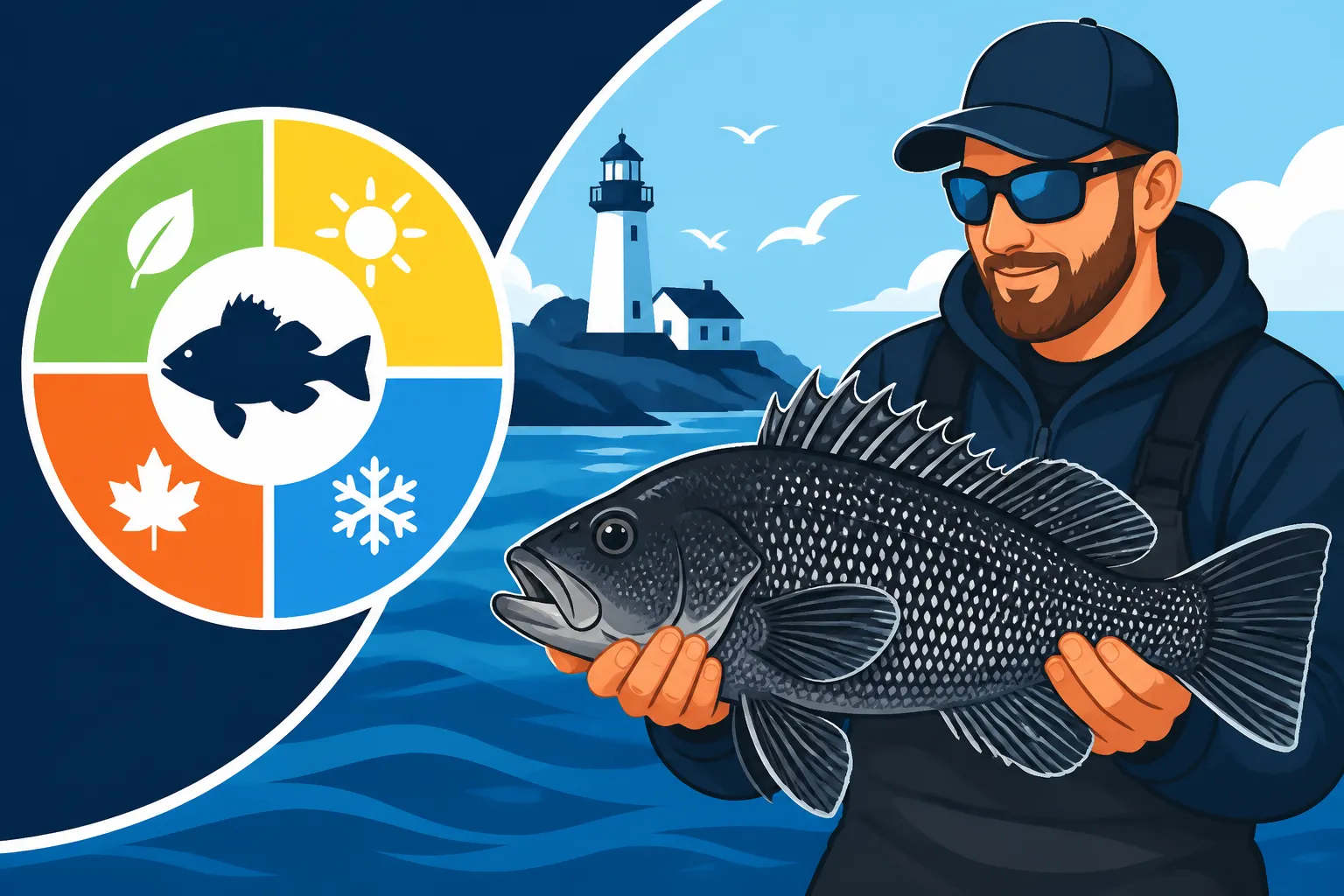
Typically, Connecticut's black sea bass season has been structured as a split season. This means there are specific windows when fishing is open, and sometimes a closed period in between. For example, in recent years (like 2024 and likely 2025), you might see something like this:
- Spring/Early Summer Season: Often runs from mid-May through late June. This allows anglers to target fish as they move into shallower waters after their winter migration.
- Summer/Fall Season: After a short closure, the season usually reopens in early to mid-July and runs straight through to the end of the year, December 31st. This gives anglers ample opportunity to catch black sea bass throughout the warmer months and into the colder parts of the year.
The daily possession limit, or "bag limit," has been quite consistent in recent years, usually set at 5 fish per person per day. This limit applies to both recreational anglers on private boats and those fishing from charters or shore. It’s crucial to remember that this is a daily limit, not a possession limit for your cooler at home beyond that day's fishing. If you're on a multi-day trip, ensure you only have the legal daily limit for the most recent day you fished. For those interested in other species, understanding Connecticut Black Sea Bass Daily Limit can provide a good comparison to other common saltwater catches.
Here's a quick look at the typical structure based on recent regulations, keeping in mind 2026 will be confirmed closer to the date:
| Season Period | Expected Dates (example 2024/2025) | Daily Bag Limit | Minimum Size (inches) |
|---|---|---|---|
| Spring/Early Summer | Mid-May to Late June | 5 fish | 16.5 inches |
| Summer/Fall | Early July to December 31 | 5 fish | 16.5 inches |
Please note: These dates and limits are illustrative based on recent patterns. Always confirm with the official Connecticut DEEP regulations for 2026 once released.
Minimum Size Requirements
Beyond just the season dates and bag limits, the minimum size requirement is another critical rule to follow for black sea bass. In Connecticut, the minimum size for recreational anglers has consistently been 16.5 inches total length. This measurement is taken from the tip of the snout to the end of the tail (with the tail compressed, meaning you gently squeeze the tail fins together to get the maximum length).
Why such a specific size? It’s all about allowing the fish to reach maturity and reproduce at least once before being harvested. By protecting smaller fish, we help ensure the next generation of black sea bass. It's a vital part of sustainable fishing practices. If you catch a black sea bass that doesn't meet the 16.5-inch mark, it must be immediately released back into the water with as little harm as possible. Carrying a reliable measuring device on board is not just a good idea, it's essential. You can find excellent, durable fish rulers that stick to your boat or easily fit in your tackle box on platforms like Amazon. This rule is consistent with general guidelines for Connecticut Black Sea Bass Minimum Length for 2026.
Gear Restrictions to Be Aware Of
While black sea bass fishing doesn't have as many complex gear restrictions as some other fisheries, there are a few things to keep in mind to stay compliant and promote responsible angling.
One common recommendation, particularly if you're targeting black sea bass around structure like reefs or wrecks, is to use appropriate tackle to avoid gut-hooking fish, especially those you plan to release. While circle hooks aren't mandated for black sea bass in the same way they are for striped bass when using bait, they are generally a great conservation tool for any species. If you're dropping bait to the bottom, a circle hook often results in a hook-up in the corner of the fish's mouth, making for an easy and less harmful release.
Beyond hooks, consider your overall setup. Using gear that's too light can lead to prolonged fights, exhausting the fish and reducing its survival chances if released. Conversely, excessively heavy gear can make the fight less sporting. A medium-light to medium-heavy rod with 15-30 lb braided line is often a good all-around choice for black sea bass in Connecticut. And always ensure your bait or lure is legal for the waters you're fishing. While less common for black sea bass, certain baits might be prohibited in specific areas (e.g., live bait restrictions in certain trout management areas). Having a diverse selection of jigs and baits, easily ordered through Amazon, can make a huge difference in your success. You might also want to consult the Reading the Connecticut Fishing Guide to ensure you're aware of all applicable gear regulations.
Gearing Up and Staying Informed for Black Sea Bass
Getting ready for black sea bass season in Connecticut is about more than just knowing the dates. It's about having the right tools for the job and staying plugged into the latest information. Being prepared not only increases your chances of a successful day on the water but also ensures you're fishing responsibly and legally.
Essential Gear Checklist
When it comes to black sea bass, having the right gear can make all the difference. These fish love structure, so you'll often be fishing around rocks, wrecks, and reefs, which means snags are a real possibility.
Here’s a basic checklist to get you started:
- Rod and Reel: A medium-light to medium-heavy spinning or conventional setup works well. Look for something with a fast action for feeling subtle bites and enough backbone to pull fish away from structure. A reliable reel spooled with 20-30 lb braided line is ideal.
- Terminal Tackle: This includes a variety of sinkers (bank, bell, or pyramid sinkers in 1-4 oz depending on current and depth), swivels, and hooks. Octopus-style hooks in sizes 1/0 to 3/0 are popular for bait. And don't forget leader material – fluorocarbon in 20-30 lb test is a great choice for its abrasion resistance around rocky bottoms. You can stock up on all these essentials conveniently from Amazon.
- Baits and Lures: Black sea bass aren't usually picky. Live bait like squid, clams, or sand worms are deadly. Cut bait, especially squid strips or small pieces of fresh bunker, also works wonders. For lures, bucktail jigs (1/2 oz to 2 oz) tipped with a strip of squid or a Gulp! grub are incredibly effective. Metal jigs can also entice aggressive bites, particularly in deeper water or strong currents.
- Measuring Device: A crucial item! As discussed, you need to quickly and accurately measure your catch. A simple, stick-on boat ruler or a handheld measuring tape will do the trick.
- Pliers/De-hooker: Essential for safely removing hooks, especially if you're releasing undersized fish.
- Cooler and Ice: To keep your legal catch fresh and delicious.
Remember, the right gear enhances the experience. If you’re unsure, chat with staff at your local tackle shop, like those at Fisherman's World in Norwalk or Jimmy's Place in Madison, who can offer hyper-local advice. Many of these shops also have a good selection of gear, or you can find specific brands and items online.
Finding the Right Fishing Spots
Black sea bass are creatures of habit and structure. They love to congregate around anything that provides cover, ambush points, and a place to find food. This means focusing your efforts on rocky bottoms, mussel beds, artificial reefs, shipwrecks, and even bridge pilings. You can often find great information on where these structures are located by checking nautical charts or using modern fish finders. The Long Island Sound Fishing Guide will have excellent advice on finding these spots.
Popular areas in Connecticut for black sea bass include the reefs and rocky bottom around The Race and Plum Gut at the eastern end of Long Island Sound, as well as numerous wrecks and rock piles scattered throughout the central and western Sound. Even shallower rocky areas near shore can hold good numbers, especially during the early parts of the season. If you're new to the area or struggling to find fish, considering a local charter is a fantastic way to learn the ropes. Charters like those out of Niantic or Old Saybrook, discussed in guides like Best Black Sea Bass Charters in Connecticut, know the prime spots and can teach you invaluable techniques. Don't be afraid to experiment with different depths and types of structure until you find where the fish are holding.
Keeping Up with Changes
As you've learned, black sea bass regulations are dynamic. The season dates, bag limits, and size requirements for 2026, while likely following established patterns, will be officially released by the Connecticut DEEP closer to that year. It's your responsibility as an angler to stay informed.
Here’s how you can keep abreast of the latest rules:
- Connecticut DEEP Website: Bookmark the Marine Fisheries section of the DEEP website and check it regularly, especially in late winter and early spring each year. This is where the official Angler's Guide is published digitally.
- Email Alerts: Sign up for email newsletters or alerts from the Connecticut DEEP. They often send out notifications when new regulations are released or if there are in-season changes.
- Local Tackle Shops: Your local bait and tackle shop is an invaluable resource. The staff there are usually avid anglers themselves and are often the first to know about regulation changes and local fishing conditions.
- Fishing Forums and Groups: Online fishing forums and social media groups dedicated to Connecticut fishing can also be a good source of information, but always cross-reference anything you hear with the official DEEP website.
- Print Guides: While less immediate, the printed Connecticut Angler's Guide is a comprehensive resource available at most tackle shops and DEEP offices once released.
By staying proactive, you'll ensure that every black sea bass trip you take is legal, responsible, and enjoyable. Remember, regulations are there for a reason, and respecting them helps ensure this incredible fishery remains vibrant for all of us. And if you're ever in doubt about a specific rule, don't hesitate to check the official DEEP guidelines or even give them a call directly.
Disclaimer
Please remember that fishing regulations, including season dates, size limits, and bag limits, are subject to change. While this guide provides information based on current patterns and expected structures, it is your responsibility to verify all regulations with the official Connecticut Department of Energy and Environmental Protection (DEEP) website or current Angler's Guide before engaging in any fishing activity. The information provided here is for general guidance only and should not be considered a substitute for official sources.