Connecticut black sea bass daily limit
Figuring out the exact rules for saltwater fishing in Connecticut can feel like trying to untangle a particularly stubborn knot in your fishing line. Between federal guidelines and state-specific nuances, it's easy to get confused about what's allowed, especially when it comes to specific species like the popular and tasty black sea bass. This guide is here to break down the current daily limit for black sea bass in Connecticut, ensuring you're well-informed before you hit the water.
Understanding Connecticut's Black Sea Bass Regulations
Black sea bass are a highly sought-after species in Long Island Sound and its surrounding waters. They’re feisty, delicious, and a favorite target for many Connecticut anglers. However, their popularity also means they are carefully managed to ensure sustainable populations for generations to come. This management includes strict rules on how many you can keep and when you can fish for them.
The Current Daily Limit and Season Dates
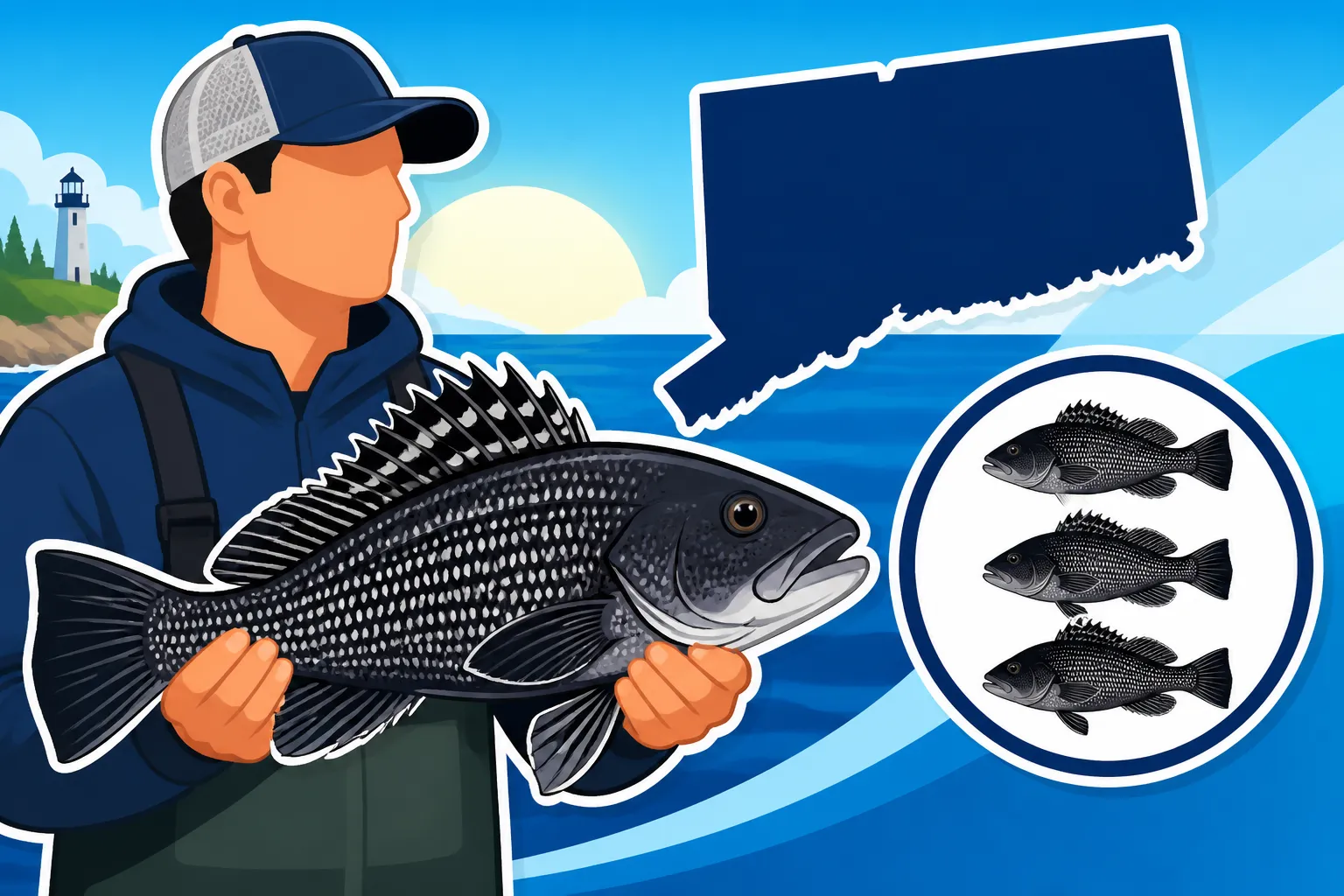
As a responsible angler, knowing the specific daily limit and when you can legally fish for black sea bass is absolutely paramount. No one wants to accidentally run afoul of the law, especially after a great day on the water. For recreational anglers targeting black sea bass in Connecticut waters, the current daily possession limit is five fish per person, per day. This means that regardless of how many you catch, you can only legally keep five in your cooler or livewell.
The season for black sea bass in Connecticut generally runs for a significant portion of the year, providing ample opportunities to target these fantastic bottom dwellers. Currently, the season is open from May 15th through December 31st. It's important to remember that these dates, along with the daily limit, can be subject to change based on federal management actions by the Mid-Atlantic Fishery Management Council (MAFMC) and subsequent state adoption. Fisheries management is a dynamic process, and regulators often adjust limits and seasons based on stock assessments and conservation goals. Always make sure you're checking the most recent Connecticut Fishing Guide or the DEEP website before you head out, just in case there have been any last-minute updates. Understanding the full scope of Connecticut Fishing Regulations Explained can save you a lot of headaches.
Why Black Sea Bass Limits Matter
You might wonder why these limits are so specific, and why they seem to change periodically. The truth is, these regulations are put in place for a really important reason: conservation. Black sea bass populations, like many other marine species, are constantly monitored by fisheries biologists and management councils. These limits aren't just arbitrary numbers; they are carefully calculated to ensure that enough fish are left in the ocean to reproduce and maintain a healthy stock. Without these restrictions, there's a real risk of overfishing, which could lead to a significant decline in black sea bass numbers, impacting not just our fishing opportunities but the entire marine ecosystem.
Think about it: if every angler kept every black sea bass they caught, regardless of size or quantity, the population wouldn't stand a chance. These fish grow relatively slowly, and they need time to mature and contribute to the next generation. By adhering to the daily limit, you're directly contributing to the long-term health of the fishery. It's about ensuring that our kids, and their kids, can also experience the thrill of reeling in a feisty black sea bass from the abundant waters of Long Island Sound. This commitment to sustainable fishing is part of a larger effort to manage all species responsibly, as detailed in guides like Connecticut Saltwater Fishing Regulations by Species.
Navigating Size Limits and Gear Considerations for Black Sea Bass
Beyond just the number of fish you can keep, there are other crucial rules and considerations that every black sea bass angler in Connecticut needs to be aware of. Ignoring these can not only lead to fines but also undermine conservation efforts.
Minimum Length Requirements to Keep Fish
It’s not enough to simply count your fish; you also need to make sure they're big enough to keep. This is where the minimum length limit comes into play. For black sea bass in Connecticut, the minimum length for recreational harvest is 15 inches. This means that any black sea bass you catch that measures less than 15 inches from the tip of its snout to the end of its tail must be immediately returned to the water, unharmed.
Measuring your fish accurately is incredibly important. You should always have a reliable measuring device with you, whether it's a ruler permanently affixed to your boat or a portable measuring tape. There are many great, durable options available, some of which you can find on Amazon, that are designed for marine environments and help you quickly and accurately measure your catch. Be quick and gentle when measuring, minimizing the time the fish is out of the water. Small black sea bass are resilient, but handling them improperly can significantly reduce their chances of survival after release. Learning how to properly release fish is a key component of responsible angling and contributes to the overall success of Black Sea Bass Fishing in Connecticut.
Responsible Angling Practices for Black Sea Bass
While specific hook type regulations like the circle hook rule for striped bass aren't typically mandated for black sea bass, responsible angling practices are still incredibly important. Black sea bass are often caught using bait, jigs, or even small artificial lures. When using bait, especially, it's common for fish to swallow the hook if you're not quick to set it. This can lead to deep hooking, which greatly reduces a fish's survival chances upon release.
To minimize harm, consider using single hooks instead of treble hooks on jigs when possible, and if you're bait fishing, try to set the hook as soon as you feel a bite. If you do deep hook a fish that is undersized or over your limit, it's often best to cut the line as close to the hook as possible rather than trying to rip the hook out. This leaves the hook to rust out, which is often less damaging than excessive handling or tearing of internal organs. Keep a de-hooking tool or a pair of long-nosed pliers handy for easier, safer hook removal, especially with those spiny dorsal fins. These tools are readily available on platforms like Amazon and can make a huge difference in fish survival. Understanding the behavior of these fish, as discussed in Black Sea Bass Habits in Connecticut Waters, can also help you refine your techniques for healthier releases.
Where to Find Black Sea Bass in Connecticut Waters
Knowing the regulations is one thing, but knowing where to actually find these delicious fish is another! Black sea bass are not typically found in open, sandy bottom areas. They are structure-oriented fish, meaning they love to hang out around anything that provides cover, food, and a place to ambush prey.
Productive Habitats and Structures
If you want to find black sea bass in Connecticut, you need to think "structure." They absolutely thrive in environments that offer plenty of nooks and crannies. This includes:
- Rocky Reefs and Outcroppings: Natural rock formations on the bottom of Long Island Sound are prime real estate for black sea bass. These areas hold crabs, mussels, and smaller baitfish, which are all part of the sea bass diet.
- Wrecks and Artificial Reefs: Sunken boats, old bridge rubble, and designated artificial reef sites are magnets for black sea bass. These man-made structures provide extensive habitat and attract a diverse array of marine life. The DEEP maintains several artificial reefs throughout Long Island Sound, specifically to enhance fishing opportunities and marine habitat.
- Deep Channels and Ledges: As the season progresses and waters warm, larger black sea bass often move into deeper channels and along the edges of ledges. Here, currents can concentrate baitfish, and the depth provides thermal refuge.
- Boulder Fields and Mussels Beds: Even smaller areas with scattered boulders or dense mussel beds can hold good numbers of black sea bass, especially the smaller "shorts" that haven't reached the legal size yet.
When you're out on the water, using your boat's fishfinder or sonar is invaluable for identifying these productive bottom structures. Look for sharp changes in depth, hard bottom readings, and marks that indicate fish holding tight to the structure. Having a good chart plotter, even a handheld one from Amazon, can help you mark these spots for future trips.
Popular Fishing Spots and Access Points
Connecticut offers numerous excellent locations to target black sea bass, whether you're fishing from a boat or, in some cases, from shore. While specific "hot spots" can vary with the tides and season, some general areas are consistently productive:
- Western Long Island Sound: Areas off Greenwich, Stamford, and Norwalk, particularly around rocky areas and reefs, can hold good numbers of black sea bass. There are numerous public boat launches and marinas in this region.
- Central Long Island Sound: The waters off New Haven, Branford, and Guilford are known for their varied bottom structure. Many charters operate out of these ports, offering guided trips to prime sea bass grounds. For those considering a guided trip, researching Best Black Sea Bass Charters in Connecticut can be a great starting point.
- Eastern Long Island Sound: From Old Saybrook eastward towards Niantic, Waterford, and into the waters near Fishers Island, the bottom becomes even rockier, with numerous wrecks and reefs. This area is often considered prime territory for larger sea bass. The mouth of the Connecticut River, while known for striped bass, also has nearby structures where sea bass congregate.
For shore-based anglers, targeting black sea bass can be more challenging as they prefer deeper, more structured environments. However, jetties, rocky piers, and breakwalls that extend into deeper water can occasionally yield catches, especially if they are close to drop-offs or deeper channels. Always be mindful of local access rules and private property when seeking shore fishing opportunities. Learning about the various Connecticut State Park Fishing Guide entries might reveal some accessible spots that offer opportunities.
Avoiding Common Mistakes and Ensuring Compliance
Even the most experienced anglers can occasionally make mistakes, especially with regulations that are subject to change. Staying informed and exercising caution is your best defense against inadvertently violating fishing laws.
Checking for Emergency Regulation Changes
This point cannot be stressed enough: regulations can and do change, sometimes with little advance notice. While the Connecticut DEEP aims to communicate changes effectively, it's ultimately the angler's responsibility to know the current rules. These changes might stem from federal mandates, updated stock assessments, or emergency conservation measures.
Before every trip, especially when targeting a species with dynamic regulations like black sea bass, make it a habit to do a quick check:
- Connecticut DEEP Website: This is your authoritative source for all current fishing regulations. Navigate to their fisheries division section.
- Connecticut Fishing Guide: Obtain a physical copy or download the latest digital version of the official fishing guide. These are usually updated annually and can often be picked up at tackle shops or online.
- Local Bait and Tackle Shops: Owners and staff at local shops are often anglers themselves and are usually very aware of any recent regulation changes. They can be a great resource for up-to-the-minute information.
Don't rely solely on what you remember from last year, or what a friend told you. A quick five-minute check can save you a potential fine and ensure you’re fishing legally and responsibly. These small steps contribute to the health of the fishery and keep you out of trouble, preventing scenarios like those covered in Fishing Without a License in Connecticut: Penalties, though this article focuses on species limits.
The Importance of Accurate Fish Identification
Another common pitfall for anglers is misidentifying their catch. While black sea bass are generally distinctive, especially their dark, often mottled bodies and pronounced dorsal fin, some other species caught in similar habitats could potentially be confused, particularly by less experienced anglers. For example, juvenile tautog (blackfish) or scup (porgy) might have a similar profile at a glance.
Make sure you are confident in your ability to properly identify black sea bass, especially if you plan on keeping them. Pay attention to distinguishing features:
- Coloration: Black sea bass can vary from dark brown to black, often with subtle patterns.
- Body Shape: They have a stout, deep body with a continuous dorsal fin.
- Tail Fin: The tail fin often has a streamer-like extension on the upper lobe, particularly in larger males.
- Mouth: They have a relatively large mouth with sharp teeth.
If you are ever unsure about the identity of a fish that is close to the minimum size or daily limit, it's always best to err on the side of caution and release it. There are many excellent field guides available, some through Amazon, that can help you with fish identification. Knowing the nuances of Panfish Species Identification Guide for Connecticut or other marine species can be highly beneficial for all anglers.
By paying close attention to the daily limit, size restrictions, season dates, and properly identifying your catch, you're not just avoiding fines; you're actively participating in the conservation efforts that keep Connecticut's black sea bass fishery thriving.
Summary of Connecticut Black Sea Bass Regulations
For easy reference, here's a quick overview of the key black sea bass recreational regulations in Connecticut:
| Regulation Type | Current Rule |
|---|---|
| Daily Limit | 5 fish per person |
| Minimum Length | 15 inches |
| Season Dates | May 15 – December 31 |
Remember, these regulations are specific to Connecticut's recreational black sea bass fishery. Always consult the official Connecticut DEEP website or current fishing guide for the most up-to-date information before you head out, as rules can change.
Disclaimer
Please be aware that fishing regulations, including daily limits, minimum length requirements, and season dates, are subject to change by the Connecticut Department of Energy and Environmental Protection (DEEP) and federal fisheries management councils. While every effort has been made to provide accurate and up-to-date information in this guide, it is ultimately the angler's responsibility to consult the official Connecticut Fishing Guide or the DEEP website for the most current and legally binding regulations before engaging in any fishing activity.