Connecticut Housatonic River summer fishing closure dates
There's nothing quite like the anticipation of a summer day on the water, especially when you're dreaming of casting a line into a classic Connecticut trout stream. But for those of us who cherish the legendary Housatonic River, summer can bring a real head-scratcher: seasonal closures. It's frustrating to plan a trip only to find out your favorite stretch is off-limits. This guide is here to unravel the mystery of the Connecticut Housatonic River summer fishing closure dates, explaining why it happens, what it means for your fishing plans, and how to navigate it like a seasoned angler.
Understanding the Housatonic River Summer Closure
For many of us, the Housatonic River in western Connecticut is an iconic destination, particularly renowned for its excellent trout fishery. It's a place where fly anglers dream of big browns and spin fishermen enjoy consistent action. However, the warmer months bring a vital, albeit inconvenient, regulation: a summer closure to protect the very fish we love to pursue. This isn't just a random rule; it's a critical conservation measure designed to safeguard the river's cold-water species.
Why the Housatonic River Closes to Fishing in Summer
The primary reason behind the Housatonic River's summer closure boils down to water temperature and fish health. Trout, especially species like brown trout and rainbow trout that populate the Housatonic, are cold-water fish. They thrive in cool, well-oxygenated water, typically below 68°F (20°C). When summer arrives in Connecticut, especially during prolonged heatwaves, river temperatures can soar above this critical threshold.
Here's the problem: as water temperatures rise, several detrimental things happen to trout. First, the dissolved oxygen levels in the water decrease significantly. Cold water holds more oxygen than warm water, so when the river heats up, trout literally struggle to breathe. Imagine trying to run a marathon in thin air—that's what it feels like for a trout in warm water. Second, their metabolism speeds up dramatically. This means they need more energy, but the warm water makes them lethargic and less able to forage effectively. Most importantly, even a short fight on a fishing line in these stressful conditions can be lethal. Trout released back into warm water often die from exhaustion, lactic acid buildup, or an inability to recover from the stress of being caught. This phenomenon is often referred to as "catch-and-release mortality," and it's a major concern for fisheries biologists. The closure is a proactive measure to prevent this widespread mortality, ensuring the wild and holdover trout populations have the best chance to survive the toughest part of the year. It's a testament to the Connecticut DEEP's commitment to sustaining healthy fish populations for future generations of anglers.
Specific Dates and Affected Zones
The summer fishing closure on the Housatonic River typically targets its most sensitive sections, particularly within the designated Trout Management Areas (TMAs). These are areas where special regulations are in place year-round to foster trophy-sized trout and healthy populations. For the Housatonic, the most significant closure usually affects the stretch known as the "Housatonic River Trout Management Area."
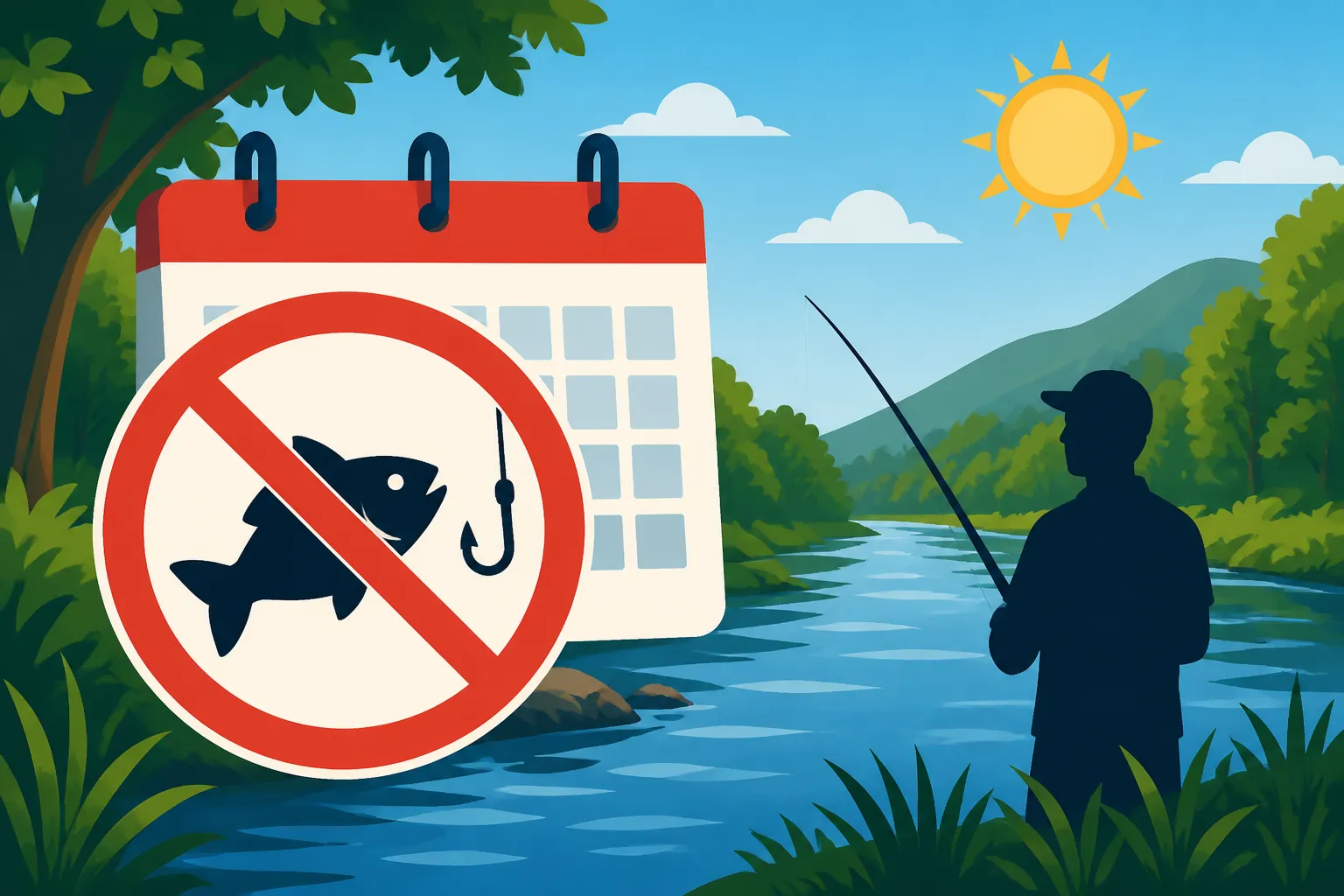
Specifically, the section of the Housatonic River from the Cornwall Bridge in Cornwall downstream to the confluence with the Ten Mile River in Sherman is subject to this seasonal prohibition. The closure generally runs from June 15th through September 15th each year. During these dates, fishing for trout (and often all species) is strictly prohibited in this specified reach. It’s critical to remember these dates are subject to change based on environmental conditions and official DEEP announcements, so always consult the latest Connecticut Fishing Guide for the most accurate information.
This specific stretch encompasses some of the most popular and productive trout water on the Housatonic, running through towns like Cornwall and Sharon. While the river continues beyond these points, the focus of the closure is on the sections most vulnerable to thermal stress on trout. For instance, the renowned "Flanders" section, popular with fly fishermen, falls directly within these restricted boundaries. Understanding these exact geographical markers is crucial for planning any summer fishing trips to the Housatonic, ensuring you don't inadvertently break regulations.
Navigating the Closure: What Anglers Need to Know
The Housatonic summer closure can feel like a punch to the gut for passionate anglers. It means adjusting plans, finding new spots, and understanding that while our intentions are good, the fish's well-being comes first. Knowing the rules and having alternative strategies is key to enjoying Connecticut fishing year-round.
Catch and Release Restrictions and Exemptions
During the official closure period, typically from June 15th to September 15th, fishing for all species is prohibited in the designated Housatonic River Trout Management Area (TMA). This isn't just a "no-keep" rule; it's a complete "no-fishing" rule for that specific stretch. The reason is simple: even catch-and-release fishing, under severe warm water stress, can lead to high mortality rates for trout. The objective is to eliminate all human-induced stress during the most vulnerable period for these cold-water fish.
However, it's important to understand that this closure applies specifically to the TMA. Other sections of the Housatonic River outside of this defined Trout Management Area might remain open for fishing. For example, upstream sections or wider, slower moving areas further downstream may hold other species like smallmouth bass or northern pike that are more tolerant of warmer water. Anglers looking to target species like smallmouth bass in Connecticut's rivers might find opportunities outside the TMA or on other river systems during the summer months.
It's paramount to be extremely diligent about checking the current regulations published by the Connecticut DEEP. They sometimes issue updates or specific clarifications, especially if unusual weather patterns affect water temperatures. The official Connecticut Fishing Regulations Explained document is your best friend here, as it provides detailed maps and specific rules for all special regulation waters. Never assume; always verify. For instance, while bass fishing might be permitted elsewhere on the Housatonic, the specific TMA closure usually means no lines in the water at all within that zone during the prohibited dates.
Impact on Local Fishing Experiences
The Housatonic summer closure, while essential for conservation, undoubtedly impacts local fishing experiences and the livelihoods of fishing guides. Many anglers plan their summer vacations around fishing the "Housy," and finding it closed can be a significant disappointment. This often means rearranging trips or seeking out new, unfamiliar waters. Local businesses, like bait and tackle shops, outfitters, and even local eateries in towns like Cornwall or Sharon, might see a dip in angler-related traffic during these months.
For professional fly fishing guides who specialize in the Housatonic, like those found through Best Fly Fishing Guides in Connecticut, the summer closure necessitates a shift in focus. They might offer trips on other rivers that maintain cooler temperatures or pivot to guiding for different species, such as bass on lakes or saltwater species on Long Island Sound. This period can be challenging, but experienced guides adapt by leveraging their knowledge of diverse fishing opportunities across the state.
From an angler's perspective, this closure can feel restrictive, but it also presents an opportunity. It encourages exploration of Connecticut's other fantastic fisheries. Instead of solely focusing on trout, summer might be the perfect time to learn techniques for largemouth bass on a local pond, chase stripers on the coast, or try your hand at panfishing with the family. It's a chance to broaden your horizons and discover new favorite spots.
Planning Ahead and Staying Informed
Navigating fishing regulations, especially seasonal closures, can sometimes feel like a full-time job. But with a bit of proactive planning and knowing where to look for reliable information, you can ensure your summer fishing adventures in Connecticut are both fun and fully compliant.
How to Stay Up-to-Date on Regulations
The best way to avoid disappointment and ensure you're always fishing legally is to directly consult the official sources provided by the Connecticut Department of Energy and Environmental Protection (DEEP). They are the ultimate authority on all fishing regulations in the state.
- The Connecticut Angler's Guide: This annual publication is your Bible. It details all state-wide and special water regulations, including specific closure dates like those on the Housatonic. You can pick up a physical copy at most bait shops, town halls, or DEEP offices, or download a digital version from the DEEP website. I always recommend grabbing a physical copy for your tackle box or truck; it's invaluable.
- DEEP Website and Social Media: The Connecticut DEEP's official website is regularly updated with news, stocking reports, and any emergency regulation changes. They often have an interactive Connecticut Interactive Trout Stocking Map, Explained that not only shows stocking locations but can also provide updates on river conditions. Following their social media channels can also provide real-time alerts.
- Signage at Access Points: Always pay attention to signs posted at public access points along rivers and lakes. These often provide specific, localized regulations or closure notices that might be crucial, especially in Trout Management Areas.
- Local Bait and Tackle Shops: These shops are usually run by passionate anglers who are deeply connected to the local fishing scene. They often have the most current information about local conditions and regulations. Don't hesitate to strike up a conversation! Many of them are listed as official Connecticut DEEP license agent list, so they're well-versed in the rules.
By making it a habit to check these resources before you head out, you'll be well-prepared and can avoid any unexpected closures or regulatory surprises.
Alternative Summer Fishing Destinations in Connecticut
While the Housatonic River TMA is closed for trout fishing during the summer, Connecticut offers a wealth of other fantastic fishing opportunities that thrive in warmer conditions or maintain cooler temperatures. Don't let the Housatonic closure dampen your summer angling spirit!
Here are some excellent alternatives:
- Coastal Saltwater Fishing: Long Island Sound becomes a vibrant fishery in the summer. You can target striped bass, bluefish, fluke (summer flounder), black sea bass, and scup (porgy). Shore access at state parks like Hammonasset Beach State Park or Rocky Neck State Park can be excellent, or consider booking a charter out of ports like Niantic or Old Saybrook. You'll need a different license for saltwater, so make sure you understand the difference between Connecticut Inland vs Marine vs All-Waters License, Explained.
- Warmwater Lakes and Ponds: Connecticut is dotted with hundreds of lakes and ponds brimming with species that tolerate warm water much better than trout. Look for largemouth bass, smallmouth bass, northern pike, chain pickerel, and a variety of panfish like sunfish and crappie. Lakes like Candlewood Lake, Bantam Lake, or Lake Lillinonah offer incredible bass fishing, while countless smaller ponds provide relaxed panfishing opportunities perfect for families or beginners. Many state park ponds are regularly stocked and easily accessible.
- Cooler Tributaries and Higher Elevation Streams: Some smaller, higher-elevation trout streams and mountain brooks, particularly those with dense canopy cover and consistent spring feeds, can sometimes hold cooler temperatures longer into the summer. These often support native brook trout. However, even these can warm up, so always check temperatures before fishing and practice extreme care with catch and release.
- The Connecticut River: While parts of the Connecticut River can get warm, its sheer size and diversity mean there are often cooler, deeper pockets or areas with strong currents that hold fish. It's a fantastic river for smallmouth bass, northern pike, and even striped bass further downstream towards Long Island Sound.
Remember, the goal is to shift your focus to species and locations that are not under stress from warm water. This not only makes for a more enjoyable and productive outing but also ensures you're fishing responsibly and ethically, protecting Connecticut's precious fisheries for all of us. You can even find great gear for these different types of fishing, from freshwater tackle to saltwater lures, on platforms like Amazon.
Housatonic River Summer Closure Key Details
| Reason for Closure | To protect cold-water trout species from high summer water temperatures, low dissolved oxygen, and high catch-and-release mortality due to thermal stress. |
|---|---|
| Typical Closure Dates | June 15th through September 15th (Always verify with current year's CT DEEP Angler's Guide as dates can shift slightly based on conditions.) |
| Affected Area | The Housatonic River Trout Management Area (TMA) from the Cornwall Bridge in Cornwall downstream to the confluence with the Ten Mile River in Sherman. |
| Permitted Activities During Closure | No fishing for any species is allowed within the designated Housatonic River TMA during the closure period. Other sections of the Housatonic outside the TMA may be open, but anglers should verify. |
| Recommended Action | Consult the current Connecticut DEEP Angler's Guide or website for precise dates and boundaries. Consider alternative fishing opportunities in Connecticut's saltwater or warmwater fisheries during this time. |
| Why the Housatonic River closes to fishing in summer | The primary reason is to minimize stress and mortality on trout populations during periods of elevated water temperatures, ensuring their long-term health and sustainability. |
Disclaimer
The information provided in this guide is for general informational purposes only and is subject to change. Fishing regulations, season dates, and specific rules are determined by the Connecticut Department of Energy and Environmental Protection (DEEP) and can be updated at any time. It is the responsibility of every angler to consult the most current official Connecticut Angler's Guide or the CT DEEP website before fishing to ensure compliance with all applicable laws and regulations. Fishing without a license in Connecticut: Penalties can be severe, so always ensure you have the correct and up-to-date license.