Connecticut smallmouth bass minimum length limit
Anglers often find themselves scratching their heads when it comes to specific fishing regulations, especially when bouncing between different species and bodies of water. Trying to remember the exact minimum length for smallmouth bass in Connecticut can be a real headache, leading to uncertainty on the water about what you can legally keep. This comprehensive guide is here to untangle that confusion, providing clear, in-depth information on the minimum length limit for smallmouth bass across the state, ensuring you're always fishing within the rules.
Understanding Connecticut's Smallmouth Bass Regulations
It’s easy to feel overwhelmed by the sheer volume of fishing rules out there, but when it comes to smallmouth bass in Connecticut, the regulations are fairly straightforward at the statewide level. Knowing these rules isn't just about avoiding a penalty; it's about being a responsible angler who contributes to the health of our fisheries.
The Statewide Minimum Length Limit for Smallmouth Bass
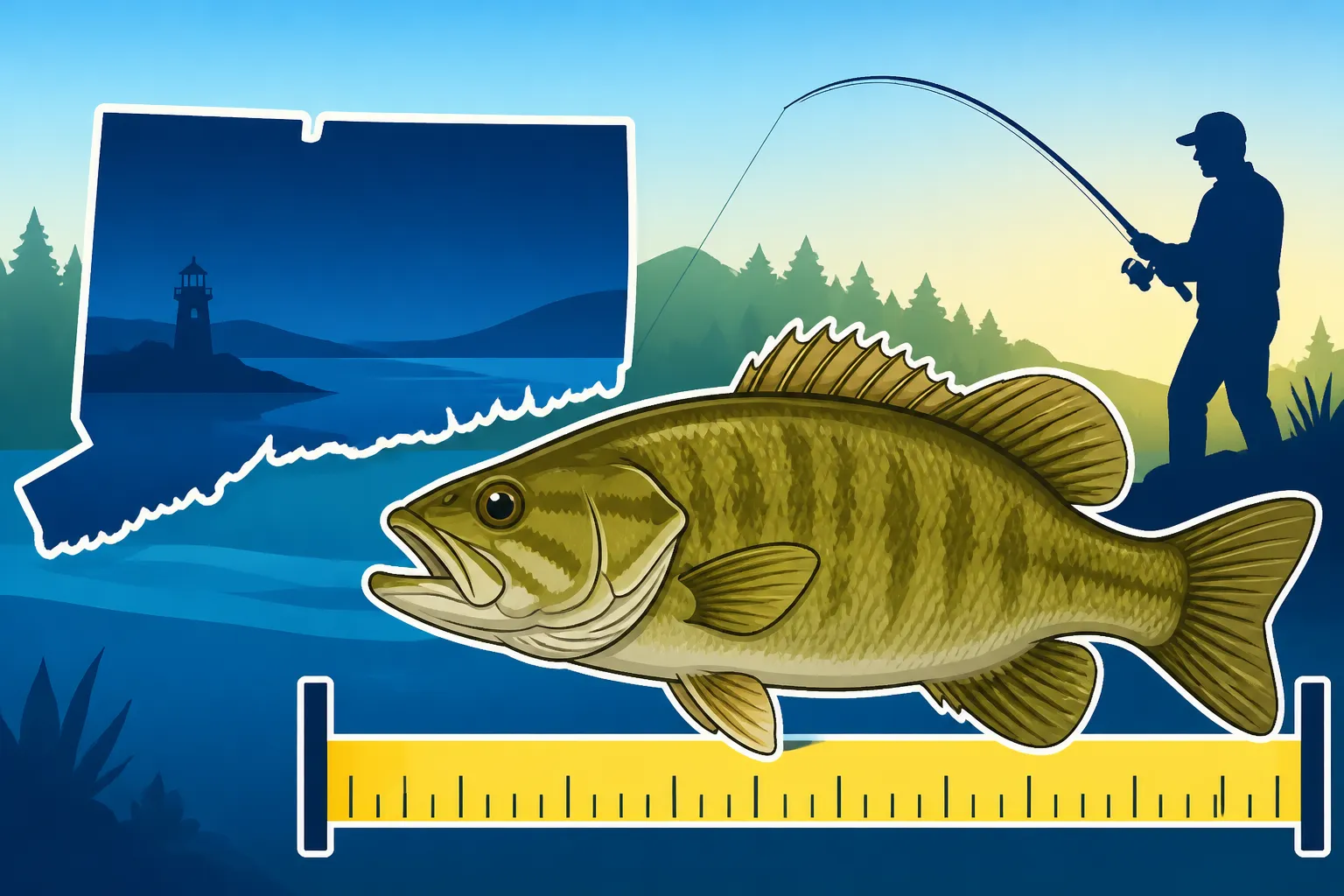
Let's get straight to the point: for the vast majority of Connecticut's public waters, the statewide minimum length limit for smallmouth bass is 12 inches. This means any smallmouth bass you intend to keep must measure at least 12 inches from the tip of its snout to the tip of its tail (with the tail pinched). Beyond that, there's also a daily creel limit of six total bass (which is a combined limit for both largemouth and smallmouth bass). So, if you catch three legal smallmouth and three legal largemouth, you've hit your daily limit.
This 12-inch rule isn't arbitrary. It's carefully crafted by the Connecticut Department of Energy and Environmental Protection (CT DEEP) to allow smallmouth bass to reach a mature size, often giving them a chance to spawn at least once before they can be harvested. Think about it: catching a vibrant, feisty smallmouth is a thrill, and by adhering to this limit, we're helping to ensure there are plenty more of those thrills for years to come. It’s a conservation effort that directly impacts the quality of your future fishing trips. Many new anglers get confused, thinking the limit only applies if they want to keep a fish. But the truth is, understanding this limit is crucial even if you’re planning a catch-and-release day, as it informs your handling of every fish you bring to the boat or shore.
How to Quickly Access Current Regulations
The best way to stay informed about Connecticut's fishing rules, including specific length limits for species like smallmouth bass, is to always refer to the official sources. The CT DEEP publishes an annual Connecticut Fishing Guide for 2026 that is an invaluable resource. You can pick up a physical copy at many tackle shops, town clerks' offices, or DEEP facilities, or access a digital version directly from the CT DEEP website.
I can't stress this enough: always check the current year's guide. Regulations can and do change based on scientific surveys, population trends, and management goals. What was legal last year might not be this year. For example, specific daily limits or length requirements for other popular species like striped bass or trout often see minor adjustments. Having the guide, either a physical copy in your tackle box or readily accessible on your smartphone, is like having a fishing expert right there with you. It takes only a minute to flip to the black bass section, and it can save you a lot of headache and potential fines later on. Even better, consider picking up a dedicated measuring board, like those readily available on Amazon, to ensure accuracy in your measurements right on the water. This also applies to understanding broader rules, like those outlined in the Connecticut Fishing Regulations Explained.
Common Misconceptions About Bass Limits
One of the biggest misconceptions I hear from fellow anglers is confusion between statewide regulations and special area regulations, or even rules that apply to different species. For instance, some states or even specific lakes within Connecticut might implement "slot limits" for certain species, where you can only keep fish within a certain size range (e.g., you can keep bass under 12 inches or over 16 inches, but not between 12 and 16 inches). However, for smallmouth bass in Connecticut, the statewide rule is a straightforward minimum length limit of 12 inches. There isn't a complex slot limit for these fish in general recreational waters.
Another common misunderstanding revolves around the "six total bass" daily creel limit. Some folks might think it means six smallmouth and six largemouth, but that's not the case. It's a combined limit, meaning you can't have more than six bass, regardless of whether they are smallmouth or largemouth, in your possession or creel at any given time. This combined limit underscores the DEEP's approach to managing black bass populations holistically. Remember, even if you’re practicing catch and release, knowing these limits is essential, as the act of fishing itself is governed by these rules, and you need to be able to identify a legal-sized fish should you decide to harvest it.
Why Minimum Length Limits Matter for Smallmouth Bass
These regulations aren't just bureaucratic hurdles; they are vital tools for ensuring that our smallmouth bass fisheries remain robust and provide excellent angling opportunities for generations to come. Every rule, including the minimum length limit, serves a specific biological and ecological purpose.
Protecting Spawning and Juvenile Fish
The 12-inch minimum length limit for smallmouth bass is primarily designed to protect these fish during their critical reproductive phase. Smallmouth bass typically reach sexual maturity and begin spawning when they are around 10 to 12 inches long, though this can vary slightly depending on factors like water temperature, food availability, and genetics. By setting the minimum length at 12 inches, the CT DEEP ensures that most bass have at least one, if not several, opportunities to spawn and contribute to the next generation of fish before they can be legally harvested.
If anglers were allowed to keep smaller, immature fish, the breeding stock could be severely depleted, leading to fewer successful spawns and, eventually, a decline in the overall population. Imagine a vibrant smallmouth fishery in a place like the Best Fishing Rivers in Connecticut, teeming with active bass. Without careful management, overharvesting young fish could quickly turn that abundance into scarcity. This protective measure allows juvenile fish ample time to grow, mature, and fulfill their role in the ecosystem, strengthening the foundation of the smallmouth bass population. It's a delicate balance, and these limits help maintain it.
Ensuring Sustainable Fishing Opportunities
Ultimately, minimum length limits are about sustainability. They're a long-term investment in our shared natural resources. When fisheries are managed effectively, it means that today's anglers can enjoy productive fishing, and so can their children and grandchildren. The CT DEEP uses scientific data from fish surveys, angler reports, and environmental studies to determine the optimal length limits that balance recreational harvest with population health.
Think of it this way: if everyone kept every smallmouth they caught, regardless of size, the population would quickly dwindle. By only allowing the harvest of fish that have had a chance to reproduce, the regulations help maintain a healthy number of breeding adults in the water. This ensures a consistent supply of new fish entering the system each year, preserving the excitement of Smallmouth Bass Fishing in Connecticut. It’s a core principle of good fisheries management, ensuring that the outdoor experiences we cherish today don't vanish tomorrow. It also means that anglers who follow the rules are contributing directly to the future of the sport, fostering an environment where everyone can continue to enjoy the natural beauty and challenge of fishing.
The Role of Catch and Release in Conservation
While length limits dictate what you can keep, the growing practice of catch and release plays an equally crucial role in smallmouth bass conservation, particularly when dealing with fish below the legal minimum. Many anglers, especially those targeting trophy fish, will release all their catches, but even if you plan to keep a limit, you’ll inevitably catch many undersized bass. Understanding the minimum length limit is still paramount in these scenarios because you need to quickly and accurately identify which fish must be returned to the water.
Proper catch and release techniques for undersized smallmouth are essential for their survival. Minimizing handling time, using wet hands, avoiding contact with dry surfaces, and using barbless hooks or de-hooking tools significantly increase a fish's chances of survival. These practices, combined with the legal framework of minimum length limits, create a powerful one-two punch for conservation. Even if you're not planning to keep any fish, learning How to Catch Smallmouth Bass in Connecticut Rivers responsibly includes mastering these release techniques. This approach to angling reinforces that every fish, especially those under the legal minimum, deserves the best chance to survive and grow to contribute to the fishery.
Navigating Regional and Special Regulations for Smallmouth Bass
While the statewide 12-inch minimum length limit applies to most waters, Connecticut's diverse fishing landscape occasionally features special regulations for certain bodies of water or management areas. It's crucial not to assume the general rule applies everywhere, as overlooking a specific local regulation could lead to an unexpected infraction.
Specific Water Body Considerations
While Connecticut's smallmouth bass length limits are largely consistent across the state, it's always wise to be aware that some specific water bodies might have unique regulations that differ from the statewide rule. For instance, while the statewide smallmouth limit is 12 inches, other species or certain areas might have different rules. For example, popular fishing destinations like Candlewood Lake Fishing Guide or the famed Housatonic River Fishing Guide are complex ecosystems with varied regulations for different species.
Though smallmouth bass generally adhere to the statewide 12-inch, six-fish combined limit in these areas, always check the specific regulations section for any water body you plan to fish. You might find special rules concerning other species, tackle restrictions, or even seasonal closures that impact your overall fishing experience. The CT DEEP’s annual fishing guide dedicates sections to "Special Regulations by Waterbody," which is where any deviations from the general rules would be clearly listed. A good habit is to check the guide for your chosen location as diligently as you would check the weather forecast.
Understanding "Trophy" or Special Management Areas
Connecticut has various "Trophy Trout Streams," "Trout Management Areas," or "Catch and Release Fly Fishing Only Waters," which often have highly specific rules regarding species, tackle, and harvest. While these special regulations are typically geared towards trout, such as those found in the Connecticut Trout Management Area Regulations, the concept of designated management areas with unique rules is important for all anglers to grasp.
Although most smallmouth bass fisheries in Connecticut don't currently have "trophy bass" specific length limits that override the statewide 12-inch rule, the DEEP continuously monitors populations and could implement such zones in the future if deemed beneficial for management. These areas are designed to achieve specific conservation or recreational goals, often aiming to create a population of larger, more mature fish. If such an area were ever established for smallmouth, it would undoubtedly be clearly marked and detailed in the annual Reading the Connecticut Fishing Guide. Always be vigilant for signage at access points or updates in the official guide before dropping a line in any new spot.
The Dynamic Nature of Fishing Regulations
It's tempting to learn a rule once and assume it's set in stone, but fishing regulations, much like the fish populations they govern, are dynamic. They are living documents that evolve based on scientific research, environmental conditions, angler feedback, and the overarching goals of fisheries management. What was the standard for years can change with a single CT DEEP announcement, often detailed in the updated Connecticut Fishing Season Dates and Closures or the new annual guide.
The importance of staying current cannot be overstated. A change in a length limit, a creel limit, or even a seasonal closure can have significant implications for your fishing trip and your legal compliance. The DEEP actively manages our fisheries, and that often means adjusting regulations to ensure the long-term health and vitality of species like smallmouth bass. So, make it a yearly ritual to review the new fishing guide. It's a small investment of your time that pays dividends in responsible, worry-free angling. Remember, ignorance of the law is no excuse, and violating regulations, even unintentionally, can lead to Fishing Without a License in Connecticut: Penalties, which nobody wants.
Practical Tips for Measuring and Releasing Smallmouth Bass
Once you’ve hooked into a feisty smallmouth, the next step, especially if you're considering harvesting it, is accurately measuring its length. This process, along with responsible release techniques for any undersized fish, is crucial for both legal compliance and fish conservation.
Proper Measuring Techniques for Accuracy
When it comes to measuring your smallmouth bass, precision is key. Forget the old stretchy tape measure; the best tool for the job is a dedicated, flat measuring board, often made of plastic or composite material. You can find a wide array of excellent measuring devices on Amazon. These boards have a fixed end stop and clear markings, ensuring a consistent and accurate measurement every time.
Here's how to do it right:
- Place the fish gently on the board: Lay the smallmouth flat on its side, with its snout touching the fixed end stop of the measuring board.
- Pinch the tail: Gently squeeze the tail fin lobes together to get the maximum overall length. This is known as "total length, tail pinched."
- Read the measurement: Note the length at the furthest point of the tail. Ensure the fish is straight, not bent, for an accurate reading.
- Speed is paramount: The quicker you measure, the less stress on the fish. Have your measuring board ready before the fish is out of the water.
This method minimizes error and ensures you're correctly determining if your smallmouth meets the 12-inch minimum length limit. It’s a simple but vital step in responsible angling.
Safe Handling and Release Practices
For any smallmouth bass that doesn't meet the minimum length limit – or for those you simply choose to release – proper handling is critical for their survival. Every effort you make here directly contributes to the health of the fishery.
- Wet Hands Only: Always wet your hands thoroughly before touching a fish. Dry hands can remove the fish's protective slime coat, making it vulnerable to infection.
- Minimize Air Exposure: Keep the fish in the water as much as possible. If you must remove it for a quick photo or measurement, do so for only a few seconds. Its gills need water to function.
- Support the Fish Horizontally: When holding a smallmouth, especially larger ones, support its body horizontally. Holding a fish vertically by its jaw can put undue stress on its spine and internal organs, potentially causing irreversible damage.
- Use a De-Hooking Tool: For deeply hooked fish, use a de-hooking tool to remove the hook quickly and with minimal trauma. If the fish is deeply gut-hooked and the hook cannot be removed easily, cut the line as close to the hook as possible rather than trying to rip it out. The hook will eventually rust away, and the fish has a better chance of survival.
- Revive If Necessary: If a fish appears stressed or sluggish after handling, gently hold it upright in the water, facing into a mild current, until it regains its strength and can swim away on its own.
These practices are not just suggestions; they are core tenets of ethical angling and vital for sustaining the populations we love to pursue. They align with the spirit of Connecticut Catch and Release Fly Fishing Only Waters, even if you're not fly fishing.
Essential Gear for Responsible Bass Angling
Equipping yourself with the right tools makes practicing responsible angling much easier and more effective. It's an investment in the fishery and your own peace of mind.
- Measuring Board: As mentioned, a sturdy, flat measuring board is a must-have for accurate length assessment. Look for models with clear, easily readable markings.
- De-Hooking Tools: A pair of long-nosed pliers or a specialized de-hooking tool is indispensable for quickly and safely removing hooks, especially from feisty smallmouth that might be thrashing.
- Landing Net: A good quality landing net can significantly reduce stress on the fish. Opt for nets with knotless, rubberized mesh. This type of mesh is much gentler on a fish's slime coat, fins, and scales compared to traditional knotted nylon nets, which can strip away slime and damage delicate tissues. You can find a wide array of excellent nets and de-hooking tools on Amazon, ranging from affordable options to more robust professional-grade gear.
- Scales (Optional but useful): If you're interested in knowing the weight of your catch, a digital fishing scale is a great addition, but always prioritize gentle handling and quick release.
Having these items readily accessible in your boat or tackle bag ensures that you're prepared to handle every smallmouth bass responsibly, whether you plan to keep it or send it back to fight another day. It reflects a commitment to the sport that goes beyond just catching fish, embracing the larger role of stewardship for our precious aquatic resources.
Common Measuring Mistakes to Avoid
To help you stay compliant and protect the fish, here's a quick reference on measuring mistakes:
| Mistake | How It Harms Fish / Your Compliance | Correct Practice |
|---|---|---|
| Dry hands | Removes protective slime | Always wet your hands thoroughly |
| Vertical hold | Damages jaw and internal organs | Support fish horizontally, especially large ones |
| Measuring on uneven surfaces | Inaccurate reading | Use a flat, accurate measuring board |
| Excessive air exposure | Causes gill damage, stress, mortality | Measure quickly, keep fish in water as much as possible |
| Pinching tail too hard | Can injure fish | Gently squeeze tail for longest length |
Disclaimer
Please note that fishing regulations are subject to change. Always consult the most current Connecticut Department of Energy and Environmental Protection (CT DEEP) Fishing Guide or their official website for the most up-to-date and accurate information before engaging in any fishing activities. This guide is for informational purposes only and does not supersede official state regulations.