Connecticut catch and release only trout streams
Many anglers in Connecticut yearn for a fishing experience where the thrill isn't about the cooler full of fish, but about the challenge, the delicate presentation, and the sheer joy of connecting with a wild or holdover trout. However, finding these designated "catch and release only" waters and understanding their often-specific rules can be confusing, leaving many wondering where to go for that unique, conservation-minded outing. This comprehensive guide is here to shed light on Connecticut's dedicated catch and release trout streams, helping you discover these special places and master the practices needed to fish them successfully and ethically.
The Heart of Conservation: Why Catch and Release Matters
For many years, fishing in Connecticut, and elsewhere, was primarily about harvesting fish for the table. While that's still a valid and enjoyable aspect of angling, a growing appreciation for conservation has shifted focus for some waters. Catch and release fishing isn't just a trend; it's a vital practice that supports sustainable fisheries and allows for the development of robust, healthy fish populations, particularly for species like trout that can be sensitive to angling pressure.
Protecting Wild Trout Populations and Enhancing Fisheries
When we talk about catch and release only trout streams, we're often talking about places where the fish are either wild-spawned, meaning they were born and raised in the river, or "holdover" trout that have survived previous stocking seasons and adapted to the wild environment. These fish are incredibly valuable to the ecosystem. Wild trout, especially, are genetically unique and contribute to the biodiversity and resilience of the stream. By practicing catch and release, anglers ensure these fish can continue to grow, reproduce, and challenge future generations of anglers. It's a long-term investment in the health of our natural resources.
Beyond the wild populations, catch and release also helps to create "trophy" fisheries. When fish aren't harvested, they have the opportunity to grow larger and older, developing into impressive specimens that offer a more challenging and rewarding fight. These older, wiser fish become fantastic teachers for anglers honing their skills, requiring more subtle approaches and careful presentations. It also means that even on heavily fished waters, there's a greater chance of encountering a quality fish, making the experience more exciting and consistent.
The Ethos of Responsible Angling
Choosing to fish catch and release is also a reflection of a deeper angling ethos. It demonstrates respect for the fish and the environment. It's about cherishing the moment of the catch, the beauty of the fish, and the natural setting, rather than solely focusing on the outcome of a meal. This mindset encourages anglers to learn more about fish biology, habitat preservation, and how their actions impact the aquatic world. It fosters a sense of stewardship that goes beyond simply following regulations.
Furthermore, the act of catch and release often comes with a set of best practices designed to minimize harm to the fish. This includes using appropriate tackle, like single barbless hooks, and handling fish gently and quickly. It's about ensuring that the fish you release has the best possible chance of survival and a full recovery, continuing its life in the stream. This responsible approach is what truly distinguishes dedicated catch and release anglers and contributes positively to the overall fishing community.
Official Designations and General Rules for C&R Areas
The Connecticut Department of Energy and Environmental Protection (DEEP) designates specific waters, or sections of waters, as "Trout Management Areas" (TMAs) or "Trophy Trout Streams" (TTS) which often include special regulations, frequently involving catch and release periods or year-round catch and release requirements. These designations are crucial for managing fish populations and providing diverse fishing opportunities across the state. Understanding these specific rules is paramount before you cast a line.
Generally, in Connecticut's catch and release only trout streams, the most common rules you'll encounter revolve around gear restrictions. For instance, many of these areas mandate the use of artificial lures or flies only. This means no live bait, no worms, no shiners. The reason for this is twofold: artificials tend to cause less damage to a fish's mouth if swallowed, and they are less likely to introduce non-native species or diseases into the ecosystem. Always check the specific regulations for the water you plan to fish, as some might specify particular types of artificials or even fly-fishing-only rules.
Perhaps the most important rule in these C&R areas, beyond the "no harvest" part, is the requirement for single, barbless hooks. If your hooks aren't already barbless, it's considered good practice, and often mandatory, to crimp down the barb with pliers. This dramatically reduces the damage to a fish's mouth and makes unhooking much quicker and easier, which is critical for the fish's survival after release. While you can certainly find barbless hooks at places like Amazon, having a good pair of hemostats or long-nose pliers to quickly de-barb hooks on the water is essential. These rules, along with strict handling guidelines, are designed to give every released fish the best chance of survival. For a broader understanding of regulations, consult the Connecticut Fishing Regulations Explained guide.
Key Catch and Release Only Trout Streams in Connecticut
Connecticut is fortunate to have several premier catch and release trout streams that offer exceptional fishing experiences. These waters are often lauded by anglers for their challenging fish and beautiful settings. Knowing where to find them and what makes them special is key to planning a successful trip.
Farmington River West Branch
When serious trout anglers in Connecticut mention "the Farmington," they are almost certainly referring to the West Branch, particularly its famed Trout Management Area (TMA). This river holds a legendary status for a good reason: it boasts incredible populations of wild and holdover brown and rainbow trout, many of which reach impressive sizes. The Farmington River West Branch is truly a jewel among the Best Trout Streams in Connecticut, offering year-round fishing opportunities in its TMA stretches.
The Farmington River TMA from the confluence of the West Branch and Still River in Riverton, downstream to the Nepaug River, is predominantly managed for catch and release or trophy trout regulations. While some sections allow for limited harvest, significant portions are strictly catch and release, requiring artificial lures only and emphasizing careful handling. This strict management allows for large, wild brown trout to thrive, presenting a thrilling challenge for fly anglers and spin fishermen alike. You'll find detailed specifics in the Connecticut Farmington River Trophy Trout Stream Rules if you plan on visiting this iconic waterway.
Access to the Farmington is relatively good, with numerous state-owned access points and public easements along the river. Towns like Riverton, New Hartford, and Unionville offer various spots to wade or launch a kayak. The river’s character varies from fast-flowing runs and deep pools to slower, meandering sections, providing diverse habitats for trout. The cold, oxygen-rich water released from the Colebrook and Hogback Reservoirs ensures that the trout remain active even during the warmer months, making it a truly special fishery for those dedicated to catch and release.
Housatonic River Trout Management Area
Another renowned destination for serious trout anglers is the Housatonic River, particularly its extensive Trout Management Area (TMA) in western Connecticut. While the entire Housatonic River is a significant fishery, the TMA sections upstream from the Route 112 bridge in Salisbury downstream to the Derby Dam are particularly notable. Within this broad TMA, specific sections are designated for catch and release only or have highly restrictive harvest rules, especially for wild trout.
The Housatonic River TMA is famous for its robust population of wild brown trout, which are sustained through natural reproduction. This river is a fantastic example of a large, freestone river that supports a healthy, self-sustaining fishery. The catch and release ethic is strong here, protecting these valuable wild fish. Anglers often flock to areas around Cornwall Bridge, Kent, and Bull's Bridge for the diverse fishing opportunities. The river's strong currents and large boulders create excellent holding water for sizable trout, making it a challenging yet incredibly rewarding place to fish.
It's crucial to be aware that certain portions of the Housatonic River TMA also have seasonal closures, particularly during the summer months, to protect trout from high water temperatures and low oxygen levels. This is a vital conservation measure. You can learn more about these specific restrictions in the Connecticut Housatonic River Seasonal Closure Explained guide. Understanding these nuances, along with the standard artificial lures and single barbless hook requirements common in C&R areas, is essential for a successful and ethical outing on this magnificent river.
Other Notable Catch and Release Areas
While the Farmington and Housatonic Rivers are the titans of Connecticut's trout scene, other waters across the state also offer fantastic catch and release opportunities, often within designated "Special Regulation Waters." These might be smaller streams, specific stretches of larger rivers, or even certain ponds that are managed for unique angling experiences. It's always a good idea to consult the official Connecticut Fishing Guide, which you can learn more about in Reading the Connecticut Fishing Guide, for the most up-to-date listings and precise boundaries.
For instance, the Salmon River TMA in eastern Connecticut, particularly sections near the state forest, offers quality trout fishing with specific management rules, some of which lean heavily towards catch and release or limited harvest. These waters are often heavily stocked but also hold excellent populations of holdover trout that have become more wild over time. The challenge here is finding those wary, larger fish that have seen every fly and lure imaginable.
Additionally, some smaller tributary streams or even selected portions of larger rivers like the Natchaug River or the Pomperaug River might have special regulations that promote catch and release, either year-round or during specific seasons. These lesser-known gems can offer a more secluded and intimate fishing experience, away from the crowds of the more popular rivers. They often require more adventurous exploration but can yield surprising results for the dedicated catch and release angler. Always verify the specific regulations for any stream you plan to fish, as these can vary greatly even within short distances. For a comprehensive list of these unique areas, check out the Special Regulation Waters in Connecticut.
Essential Gear and Techniques for Catch and Release
Successful catch and release fishing isn't just about showing up; it's about being prepared with the right gear and employing techniques that prioritize the fish's well-being. Using appropriate tackle and mastering gentle handling methods are crucial for ensuring that every released trout swims away strong and healthy.
Recommended Tackle and Lures
For catch and release trout fishing in Connecticut, particularly on the special regulation waters, your tackle choices are often dictated by the rules, but also by best practices for fish health. Light tackle is generally preferred. This usually means a spinning rod in the 5'6" to 6'6" range with a light action, paired with a small spinning reel spooled with 4-6 lb test monofilament or fluorocarbon line. For fly fishing, a 3- to 5-weight rod, 7.5 to 9 feet long, is standard for most trout streams, allowing for delicate presentations. The lighter the tackle, the more sporting the fight, but also the more care required to land the fish quickly without overtiring it.
When it comes to lures, remember the "artificial lures or flies only" rule. For spin fishermen, small inline spinners like Rooster Tails or Mepps, tiny spoons such as Phoebe or Kastmaster, and various soft plastic baits rigged on a jig head are excellent choices. Crucially, any lure you use must have a single hook, and that hook should be barbless. If it's not, you must crimp the barb down with pliers. You can easily find a wide selection of these lures, and even specialized barbless hooks for rigging, on Amazon or at local tackle shops.
Fly anglers have a vast array of options. Classic dry flies, nymphs, and streamers are all effective. The key is matching the hatch or imitating the forage found in the particular stream. Again, all flies must be tied on single, barbless hooks. This practice minimizes tissue damage and greatly speeds up the unhooking process, which is vital for the fish's survival, especially during Spring Trout Fishing Techniques for Connecticut Streams when waters might still be cold. Using a tippet that is appropriately sized for your fly and the fish can help prevent break-offs, which can leave a fish trailing line.
Best Practices for Handling and Releasing Fish
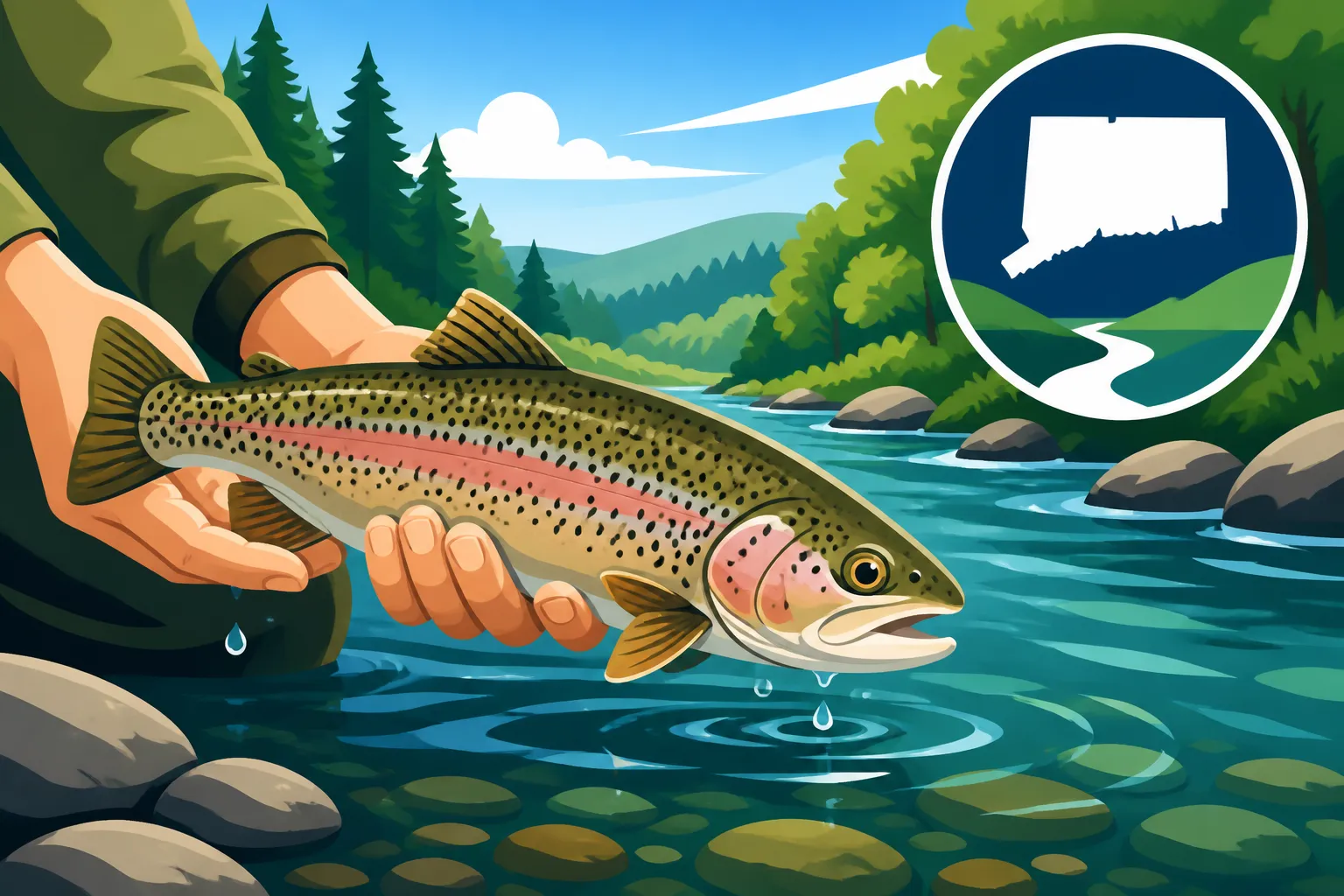
The moment you land a fish in a catch and release stream, your actions determine its fate. The absolute golden rule is to keep the fish in the water as much as possible. Trout are sensitive creatures, and exposing them to air, especially warm or dry air, can damage their gills and protective slime coat, making them susceptible to disease. Always wet your hands thoroughly before touching a fish, or better yet, use a specialized rubber or knotless net that won't strip their slime.
Once you have the fish gently subdued in the water, quickly remove the hook. This is where barbless hooks truly shine – they usually slide right out with minimal effort. Carry a pair of long-nose pliers or hemostats (forceps) to help with deeply set hooks, but try to avoid tearing tissue. If the hook is deeply swallowed and cannot be easily removed without causing significant damage, it's often best to simply cut the line as close to the hook as possible; barbless hooks will typically rust out quickly.
After unhooking, gently hold the fish in the current, facing upstream, until it revives enough to swim away under its own power. Don't pump it back and forth; rather, allow the current to flow over its gills. Look for signs of recovery, like strong tail kicks. It might take a minute or two, especially if it was a prolonged fight. This careful handling is paramount to the success of catch and release fisheries and ensures that the trout you released will live to fight another day. For those interested in more specific fly fishing details, be sure to check out Fly Fishing for Trout in Connecticut.
| Stream Name | Location (General) | Primary Regulation | Key Feature | Gear Restriction | Target Species |
|---|---|---|---|---|---|
| Farmington River West Branch TMA | Riverton to Unionville | Catch & Release / Trophy | Wild & Holdover Trout | Artificial Lures, Single Barbless Hooks | Brown, Rainbow |
| Housatonic River TMA | Cornwall Bridge to Kent | Catch & Release (specific sections) | Wild Brown Trout | Artificial Lures, Single Barbless Hooks | Brown |
| Salmon River TMA | Colchester | Catch & Release / Reduced Creel | Holdover Trout | Artificial Lures, Single Barbless Hooks | Brown, Rainbow |
Navigating Regulations and Planning Your Trip
Fishing in Connecticut's catch and release only trout streams means adhering to specific rules that might differ from general statewide regulations. Planning your trip effectively involves knowing where to find these rules and ensuring you have all the necessary permits.
Checking Official Sources for Current Regulations
The single most important resource for any angler in Connecticut is the official Connecticut DEEP Angler's Guide. This guide, published annually, contains all the current fishing regulations, including specific rules for Trout Management Areas, Trophy Trout Streams, and other special regulation waters. Regulations can change from year to year, or even mid-season due to environmental factors, so relying on outdated information is a common mistake that can lead to fines or unintentional harm to the fishery.
You can usually find the latest Angler's Guide online on the CT DEEP website, or pick up a physical copy at bait and tackle shops, town halls, or wherever fishing licenses are sold. Always check the specific sections pertaining to "Trout Management Areas," "Trophy Trout Streams," and "Special Regulations." Pay close attention to maps or detailed descriptions that indicate precise boundaries for catch and release only stretches, as a river might transition from general regulations to special regulations within just a few hundred yards. This guide covers everything from minimum length limits to daily creel limits and specific gear requirements. You can gain a deeper understanding of this essential resource by Reading the Connecticut Fishing Guide.
Beyond the annual guide, the CT DEEP website often posts press releases or updates on specific conditions, such as sudden closures due to extreme weather or pollution, or changes to stocking schedules. Many dedicated anglers subscribe to email alerts from the DEEP or follow their social media channels to stay informed. A quick search on your phone before heading out, confirming the regulations for your chosen stretch of river, is a habit that can save you a lot of trouble and ensure you're fishing legally and ethically.
Licensing and Stamps
Even when fishing purely for catch and release, a valid Connecticut fishing license is absolutely mandatory for anyone 16 years of age or older. There are no exemptions for catch and release fishing; it's considered angling just like any other method. Failing to possess a current license can result in significant fines and penalties, overshadowing any enjoyable fishing experience. Make sure your license is current and easily accessible, whether it's a printed copy or on a digital device. You can get a good overview of what's required in the Connecticut Fishing License Guide for 2026.
For most dedicated trout fishing, especially if you're targeting areas that might allow for harvest (even if you choose not to), a Connecticut Inland Fishing License is typically what you'll need. If you plan to fish in both inland freshwaters and saltwater (like Long Island Sound), an All-Waters license would be appropriate. While the Trout & Salmon Stamp is generally required when harvesting trout or salmon, it's a good practice to confirm if any specific catch and release areas might have unique requirements, though typically it's not needed if you aren't keeping fish. The safest bet is to always verify with the current Angler's Guide.
Buying your fishing license is straightforward these days. You can purchase it online directly from the CT DEEP website, which is often the quickest and most convenient method. Alternatively, licenses are sold at various outdoor retailers and many town clerk's offices across the state. It's always a good idea to purchase your license well in advance of your trip to avoid any last-minute hassles. For those interested in the different license options, the Connecticut Inland vs Marine vs All-Waters License, Explained article offers more details on choosing the right one for your angling adventures.
Disclaimer
The information provided in this guide is for general informational purposes only and is subject to change. Fishing regulations in Connecticut can vary by season, location, and species, and are updated annually by the Connecticut Department of Energy and Environmental Protection (DEEP). Always consult the most current official CT DEEP Angler's Guide and any posted signage at specific fishing locations before engaging in fishing activities to ensure compliance with all applicable laws and regulations.