Best blackfish spots on Long Island Sound
One of the most frustrating aspects of fishing for blackfish, or tautog as they're also known, on Long Island Sound is knowing where to find these structure-loving, notoriously finicky fighters. It’s not enough to just drop a line anywhere; you need to understand their preferred habitat, feeding behaviors, and the specific locations that consistently hold them. This comprehensive guide will meticulously break down the best blackfish spots across Connecticut's Long Island Sound, equipping you with the knowledge to consistently find and hook these elusive game fish.
Cracking the Code of Blackfish Behavior on Long Island Sound
Before we dive into specific locations, it's crucial to understand what makes blackfish tick. These aren't your typical open-water cruisers; they are intimately tied to structure, making them a puzzle to solve but incredibly rewarding once you crack their code. Their habits dictate where you'll find them, and knowing this will save you countless hours of fruitless casting.
Decoding Tautog's Preferred Underwater Lair
Blackfish are absolute masters of camouflage and leverage their environment to their advantage. They thrive in environments that offer plenty of nooks, crannies, and hiding spots, which means you'll rarely find them over sandy, featureless bottoms. Instead, think rocky reefs, submerged boulders, mussel beds, old bridge pilings, shipwrecks, and even discarded debris. These structures provide both shelter from predators and a rich buffet of their favorite foods.
Imagine you’re a blackfish: you want a place where you can ambush a crab, scrape off some barnacles, or snatch a clam, all while being able to dart into a crevice if a larger predator, like a striped bass or a seal, comes by. This means sharp edges, broken rock, and dense cover are prime real estate. Areas with strong currents that sweep food past these structures are particularly attractive. When you're looking at a chart, identify those areas marked as "rocky bottom," "reef," "wreck," or even "obstruction." These are your starting points. The deeper, more complex the structure, often the better the fishing, especially for larger specimens. If you want to dive deeper into their specific behaviors, read up on Blackfish Habits Around Structure.
Understanding Tidal Influences and Feeding Patterns
Tides play an enormous role in blackfish activity, arguably more so than for many other species in the Sound. Blackfish are opportunistic feeders, and the movement of water, particularly the ebb and flow around their chosen structures, brings food directly to them. Generally, the moving tide is your friend when targeting tautog.
Many experienced anglers find that the period leading up to and immediately after slack tide—both high and low—can be incredibly productive. During the stronger parts of the tide, blackfish might hunker down a bit to conserve energy, but as the current slows, they become more active, venturing out from their hiding spots to forage. The changing current also dislodges crabs, mussels, and other prey items from the structure, making them an easy meal. Pay attention to local tide charts for your chosen fishing spot. Some spots might fish better on an incoming tide, while others excel on the outgoing. This often depends on how the current interacts with the specific structure and funnels food. Experimentation and keeping a log of your successes and failures are invaluable here.
Seasonal Movements and When to Target Them
Blackfish fishing in Connecticut is very much a seasonal pursuit, dictated by water temperature. They are a cool-water species, meaning they become active and are targeted in the spring and fall. The summer months see them retreat to deeper, cooler waters, often making them harder to find and less aggressive feeders, and fishing for them is less productive.
Spring blackfish season typically kicks off as water temperatures climb into the 50s Fahrenheit, usually around April or May. During this time, they move into shallower waters and onto structures closer to shore to feed aggressively after the colder winter months. This is often when you'll find them congregating in larger numbers before they disperse for the summer. Fall, however, is arguably the prime blackfish season. From late September through November, as water temperatures begin to drop again, tautog embark on a feeding frenzy, bulking up for winter. This is when you'll find them concentrated on reefs and wrecks, often in deeper waters as the season progresses. Understanding these seasonal shifts is key to maximizing your success. For detailed dates, always check the Connecticut Blackfish Tautog Season Dates.
Prime Blackfish Hotspots Across Connecticut's Long Island Sound
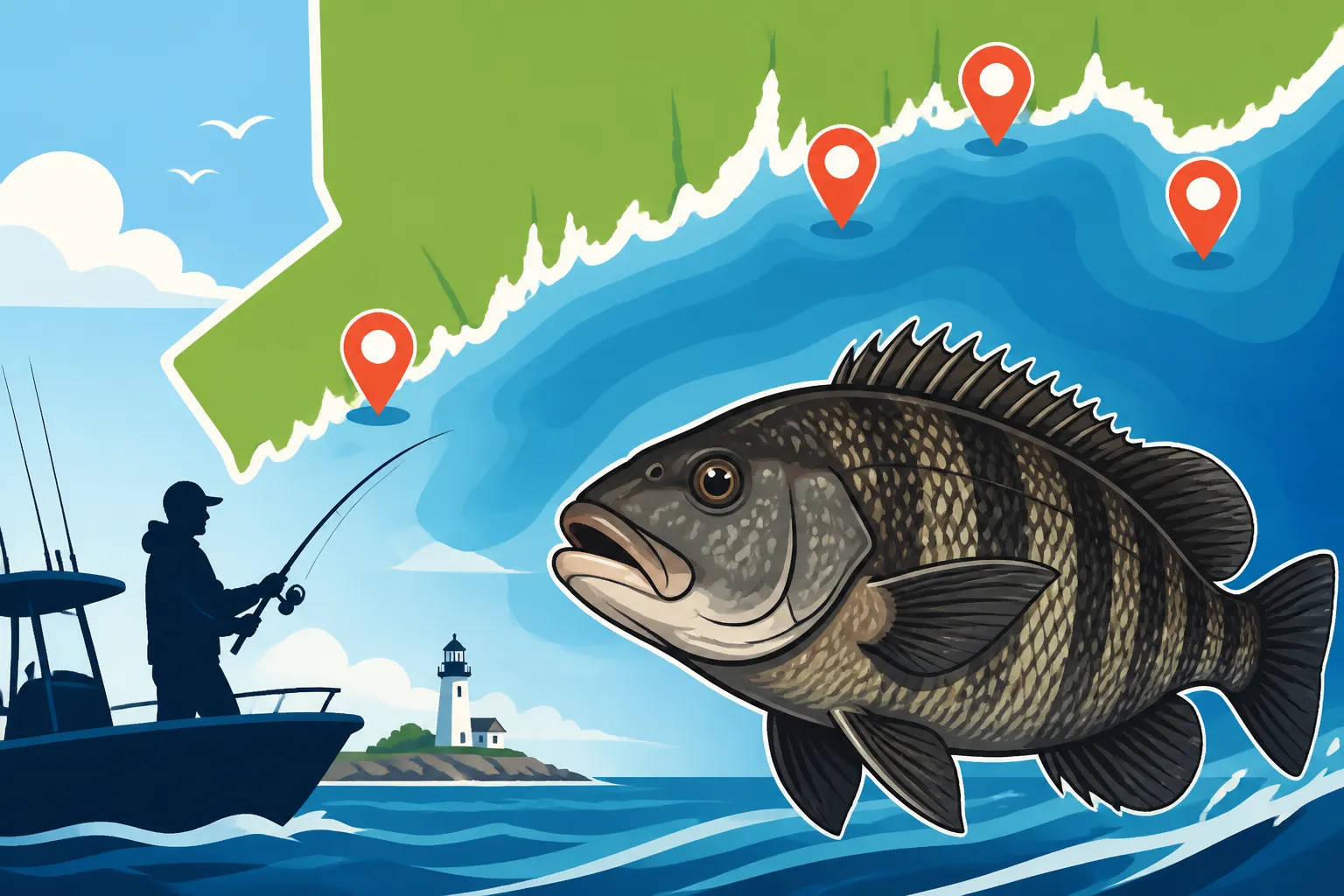
Long Island Sound offers a diverse array of blackfish habitats, from bustling harbors to isolated offshore reefs. Breaking the Sound down into Eastern, Central, and Western sections can help pinpoint the most productive areas, each with its own unique characteristics.
Eastern Long Island Sound's Rocky Reefs and Wrecks
The eastern end of Long Island Sound, particularly from the Connecticut River eastwards towards Stonington and Fishers Island, is renowned for its abundant rocky structure and numerous wrecks. This area is a blackfish paradise, offering vast expanses of ideal habitat.
One of the most famous areas is the Race and its surrounding structures near Fishers Island. While known for its incredible striped bass fishing, the powerful currents here also nourish a robust blackfish population. The rocky edges, ledges, and submerged boulders are magnets for tautog, especially in the fall. Another prime area is Black Point in Niantic and the numerous unnamed rock piles and mussel beds scattered offshore. Anglers often find success by systematically drifting or anchoring over these structures, working their way along contours. Further east, the waters around Stonington and Mystic are dotted with countless humps, bumps, and small wrecks that don't always appear on charts but are known to local sharpies. Consulting with local bait shops or seasoned captains from ports like Niantic or Stonington can provide invaluable "local knowledge" about specific, productive rock piles that might otherwise go unnoticed. Remember, where you find one blackfish on structure, you'll likely find more, as they tend to congregate.
Central Long Island Sound's Structure-Rich Grounds
Moving westward into the central part of the Sound, from the Connecticut River to around New Haven, the character of the bottom changes slightly but still offers fantastic tautog opportunities. Here, you'll find a mix of natural rock formations, artificial reefs, and significant man-made structures.
The Old Saybrook area, especially around the mouth of the Connecticut River, has excellent blackfish grounds. The jetties themselves, both east and west, are prime spots, but just offshore, there are many smaller rock piles and ledges that hold fish. Moving west, the waters off Clinton and Madison are known for their numerous unnamed rocky patches and subtle rises in the bottom that create perfect blackfish habitat. The Faulkner's Island area, south of Guilford, is another well-known hotspot. The island's rocky periphery, coupled with nearby submerged ledges and deeper rock piles, consistently produces good numbers of blackfish. These central Sound locations often require a boat, as the most productive structures are typically a short run offshore. Many of these spots are easily accessible from public boat launches in towns like Westbrook, Clinton, or Guilford. For those without their own boat, consider looking into charter options; a quick search on a platform like FishingBooker can connect you with experienced captains who specialize in tautog fishing in these very areas.
Western Long Island Sound's Piers and Pilings
The western end of Long Island Sound, particularly from New Haven westward to Greenwich, becomes more heavily developed with a greater concentration of harbors, marinas, and urbanized shorelines. While natural reefs are less prevalent, the abundance of man-made structures creates unique and highly productive blackfish habitats.
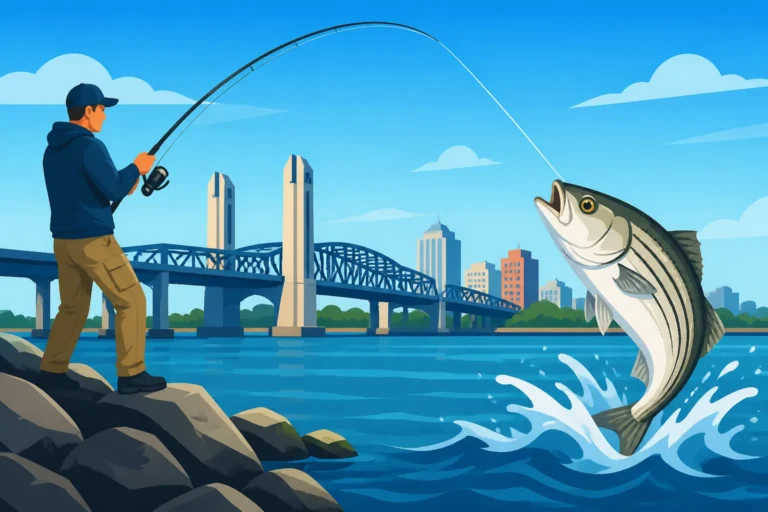
Think bridge pilings, dock structures, rocky breakwaters, and pier foundations. These are all magnets for tautog. The pilings of major bridges, such as the Q Bridge (Pearl Harbor Memorial Bridge) over the Quinnipiac River, or various railroad bridges, offer extensive underwater real estate for blackfish. The concrete and rebar create endless hiding spots and places for mussels and barnacles to grow, which are key food sources. Additionally, the countless rock jetties and breakwaters protecting harbors and marinas from New Haven to Bridgeport and Stamford hold substantial populations. Shore anglers can often find success targeting the ends of these structures, where the water is deeper and currents are stronger. Kayak anglers also excel in these areas, able to precisely position themselves near pilings and along the edges of breakwaters that larger boats might struggle to access. Just be mindful of boat traffic and navigation channels. Exploring these structures often means finding blackfish within casting distance of populated areas, offering convenient access for many anglers. When planning your trip, consider checking out available options, perhaps even finding local guides that operate in these specific waters through FishingBooker, which can be a great way to tap into hyper-local knowledge for places like the Bridgeport or Norwalk harbors.
| Long Island Sound Region | Typical Habitat Type | Key Fishing Features (Examples) | Best Approach |
|---|---|---|---|
| Eastern Sound | Rocky reefs, ledges, shipwrecks | The Race, Black Point, Stonington offshore | Boat: drifting/anchoring over reefs |
| Central Sound | Natural rock piles, artificial reefs | CT River mouth jetties, Faulkner's Island | Boat: targeted drops, slow drifts |
| Western Sound | Bridge pilings, docks, breakwaters | Q Bridge, Bridgeport/Stamford jetties | Boat, Kayak, Shore: precise jigging |
Proven Strategies for Hooking Blackfish in Connecticut Waters
Catching blackfish isn't just about finding the right spot; it's about employing the right techniques, using the correct gear, and understanding their unique biting habits. These aren't tackle-busting runs, but rather subtle nudges that require finesse and a quick hand.
The Art of Tackle Selection and Rigging for Tautog
For blackfish, tackle needs to be robust enough to handle their pulling power and the abrasive structures they live in, yet sensitive enough to detect their notoriously light bites. A medium-heavy to heavy conventional rod, typically 6 to 7 feet long, paired with a conventional reel spooled with 30-50 lb braided line, is standard. The braid offers incredible sensitivity, which is crucial for feeling those subtle taps.
As for rigging, the classic "tog rig" is a staple. This usually involves a snelled hook (or two) on a short leader (typically 30-50 lb fluorocarbon, which is more abrasion-resistant than mono), with a sinker either at the bottom or on a dropper loop above the hooks. Many anglers prefer a single hook when fishing in very snaggy terrain to minimize tackle loss. Jigs are also incredibly effective, especially in areas with lighter currents or when you want a more direct connection to the bait. A blackfish jig, often tipped with a piece of crab, allows for a more natural presentation and can sometimes entice bites from finicky fish. The key is to keep your bait right on the bottom, in contact with the structure. If you find yourself constantly snagging, try shortening your leader or adjusting your sinker weight to maintain better bottom contact without getting wedged.
Best Baits and How to Present Them Effectively
When it comes to blackfish, crabs are king. Green crabs are the most popular and readily available bait in Connecticut, but fiddler crabs, hermits, and even Asian shore crabs can also be incredibly effective. The fresher the crab, the better.
- Green Crabs: For medium-sized crabs, you can cut them in half, exposing the internal juices. For smaller crabs, use them whole. For larger crabs, quarter them. The trick is to hook the crab securely through a leg socket or the corner of the shell, ensuring the hook point is exposed.
- Clams/Mussels: While not as durable as crabs, fresh clams or mussels can work, especially if blackfish are keyed in on them. They require a more delicate touch to keep them on the hook.
Presentation is paramount. Your goal is to get the bait down to the structure and hold it there without constant snagging. Use just enough sinker weight to hold bottom in the current. Too light, and your bait will drift; too heavy, and you'll get stuck. Drop your rig down, let it hit bottom, and then reel up just enough slack to feel the weight without lifting it off the structure. Blackfish have incredibly powerful jaws, designed to crush shells, but their initial bite is often a soft "tap-tap" as they mouth the bait before committing.
Techniques for Detecting Bites and Setting the Hook
This is where blackfishing truly becomes an art form. The "tog bite" is legendary for its subtlety and the lightning-fast reaction it demands. It's often described as a series of gentle nudges, sometimes feeling like a fish just bumping the structure, before a decisive pull.
When you feel those first gentle taps, resist the urge to set the hook immediately. Let the fish "chew" on the bait for a moment. This is where the sensitivity of braided line truly shines. You'll feel a distinctive "thump-thump-thump" or a slight pressure increase. The moment you feel that firm pull or increased weight, that's your cue. Drop the rod tip slightly, then snap it upwards with a powerful, swift hookset. Blackfish have incredibly hard mouths, so a strong, direct hookset is essential to drive the hook home. If you miss, often they'll come back for the bait, so be ready for a second chance. Don't be discouraged by missed bites; it happens to everyone. It’s part of the challenge and excitement of blackfishing. For more general advice on Blackfish (Tautog) Fishing in Connecticut, you'll find plenty of helpful tips to hone your skills.
Navigating Regulations and Responsible Blackfish Angling
Successful blackfishing isn't just about catching fish; it's also about understanding and adhering to regulations and practicing responsible angling to ensure the health of the fishery for years to come. Connecticut has specific rules for blackfish, and knowing them is non-negotiable.
Current Connecticut Blackfish Season Dates and Limits
Connecticut's blackfish regulations are in place to manage the population and ensure sustainable fishing. These regulations can change, so it's vital to stay informed. Blackfish (tautog) have specific open seasons and possession limits in Connecticut.
Typically, there are distinct seasons in the spring and fall, with specific minimum length requirements and daily creel limits. For instance, you might have a spring season, a summer closure, and then a fall season with different bag limits or sizes. The Connecticut Blackfish (Tautog) Season Dates and Connecticut Blackfish minimum length limit are critically important pieces of information you need to know before you even wet a line. These regulations are designed to protect spawning fish and allow juvenile fish to grow, contributing to a healthier overall population. Always consult the official Connecticut DEEP fishing guide or website for the most up-to-date information, as state regulations can and do change year to year. Ignorance of the law is not an excuse, and penalties for violations can be steep, as detailed in Fishing Without a License in Connecticut: Penalties (which can extend to other regulation violations too).
Essential Boating Safety and Conservation Practices
Many of the best blackfish spots on Long Island Sound require a boat to access. Therefore, practicing safe boating and conservation is paramount. Always ensure your vessel is properly equipped with all required safety gear, including life jackets for everyone on board, throwable devices, and signaling equipment. Familiarize yourself with Connecticut Boating Laws for Anglers and even specific Life Jacket Requirements for Connecticut Boaters to stay compliant and safe.
When targeting blackfish, practice good conservation. Only keep what you need, and handle all fish you intend to release with care. Use dehooking tools to minimize stress and damage, especially when fishing around snags. Avoid dragging fish across rough surfaces and release them gently back into the water. If you're fishing in a particularly snaggy area, consider using circle hooks, which can reduce gut hooking. Additionally, be mindful of your impact on the environment. Avoid leaving trash or discarded fishing line behind, as it can harm wildlife. A clean fishing spot is a healthy fishing spot for both fish and future anglers.
Maximizing Your Chances with Local Knowledge and Charters
While this guide provides a solid foundation, there's no substitute for local knowledge when it comes to blackfishing. Local tackle shops are treasure troves of information; they know what baits are working, what spots are hot, and any recent changes in fish behavior. Don't be afraid to strike up conversations with other anglers at the boat launch or on the docks – a friendly exchange can often lead to invaluable tips.
For those looking to accelerate their learning curve or simply enjoy a hassle-free day on the water, booking a fishing charter is an excellent option. A reputable charter captain specializing in blackfish will have years of experience, a boat equipped with the latest electronics to find structure, and an intimate understanding of the most productive spots on any given day. They'll also provide all the necessary gear and bait, and crucially, they can teach you the nuances of the tautog bite firsthand. Platforms like FishingBooker are fantastic resources for finding experienced local captains. You can filter by species, location, and even read reviews from other anglers to find the perfect guide for your blackfishing adventure. For more guidance on finding the right charter, check out How to Choose a Connecticut Fishing Charter. This approach can significantly increase your chances of success and provide a fantastic learning experience.
Disclaimer
This article is for general informational purposes only and does not constitute professional advice. Laws, prices and regulations vary by location and change over time. Consult a qualified professional for guidance on your specific situation.