Connecticut state record brook trout weight
There's a special kind of thrill that comes with chasing a state record, especially when it involves a fish as iconic and beautiful as the brook trout in Connecticut. Many anglers dream of landing a fish that truly stands out, but knowing the current record and understanding what it takes to even come close can feel like a mystery. This guide aims to demystify the Connecticut state record for brook trout, diving into the unique characteristics of this native species, the official process for certifying such a monumental catch, and practical advice for those hoping to etch their name in the record books.
The Elusive Connecticut Brook Trout State Record
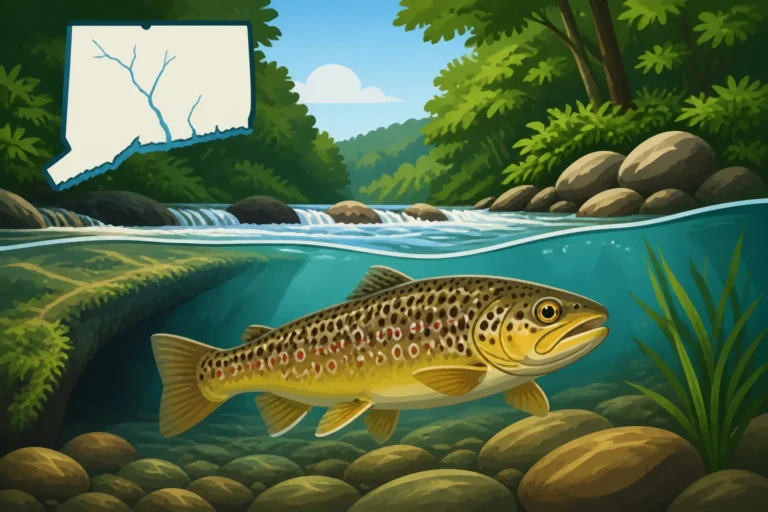
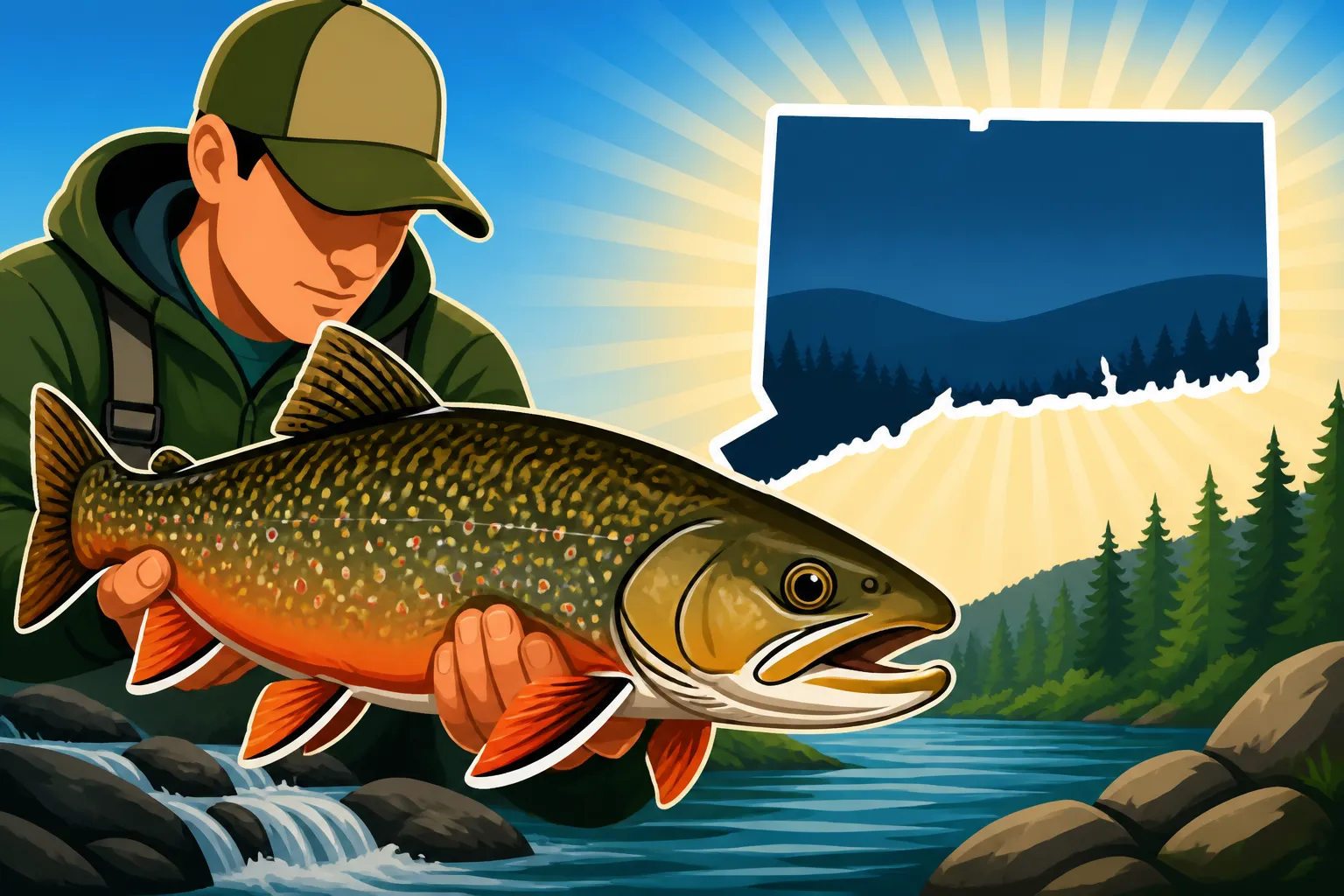
The brook trout holds a special place in the hearts of Connecticut anglers, largely because it's our only native trout species. When we talk about a state record for brook trout, we're discussing an achievement that speaks volumes about the rarity and health of certain fish populations in our waters. These fish, known for their stunning patterns and vibrant colors, typically don't grow to massive sizes, making a record-breaking catch all the more remarkable.
The official state record for brook trout in Connecticut represents a truly exceptional specimen, a testament to a fish that defied the odds and grew to an incredible size. While specific weights can change over time due to new catches, and it's always wise to check the most current listings directly from the Connecticut Department of Energy and Environmental Protection (CT DEEP), this record is measured in pounds and ounces, signifying a substantial fish for this species. It’s not just a big trout; it’s a fish that has likely lived a long, prosperous life in prime conditions. The record stands as a benchmark, a challenge to those who seek the pinnacle of angling achievement for this beloved native species. Landing a brook trout of such magnitude is rare, and it often comes from a combination of luck, skill, and being in the right place at the right time in waters that support such growth.
Why the Brook Trout Record is So Significant
Unlike rainbow or brown trout, which are often stocked at larger sizes and known for their rapid growth rates, the brook trout in Connecticut’s smaller, colder streams typically remains modest in size. This makes a record-setting brook trout particularly significant. It’s a reflection of exceptional genetics, an abundance of food, minimal predation, and a perfect, undisturbed habitat. Many of these fish come from wild, self-sustaining populations in pristine environments that offer ideal conditions for them to thrive and grow beyond their average size.
Consider the challenge: while you might catch dozens of brook trout in a day in some of our wild trout streams, finding one that even approaches a pound or two is a rarity. To find one large enough to challenge the state record means discovering a true anomaly, a patriarch or matriarch of the brook trout world. It's a testament to the wildness and health of our state's more remote and undisturbed aquatic ecosystems. Anglers who pursue these fish often do so with a deep respect for their environment, understanding that such giants are a product of a delicate ecological balance.
Wild vs. Stocked Brook Trout and Record Potential
It's crucial to understand the distinction between wild and stocked brook trout when discussing record potential. Connecticut's rivers and streams are regularly stocked with trout, including brook trout, to enhance fishing opportunities. These stocked fish, while often a joy to catch, rarely grow to state record dimensions before they are caught or succumb to natural pressures. For more on stocking schedules, check out our guide on Connecticut Trout Season and Stocking Rules.
The true giants, the fish that challenge or set state records, are almost invariably wild, native brook trout or incredibly successful "holdovers" that have adapted and thrived in a particular body of water for several seasons. Wild brook trout have developed resilience and cunning in their natural environments. They are masters of their habitat, often tucked away in hard-to-reach pockets of streams or deep within remote ponds. These are the fish that have learned to evade predators and anglers alike, growing slowly but steadily over many years. When seeking a record, anglers typically focus their efforts on these more pristine and less-fished wild trout waters, often found in the higher elevations or deeper wilderness areas of the state.
Understanding Connecticut's Native Brook Trout
The brook trout, or Salvelinus fontinalis, isn't just a fish in Connecticut; it's a living symbol of our state's natural heritage and a key indicator of water quality. As the only native trout species, its presence signifies clean, cold, and well-oxygenated water, which is increasingly rare in our developed landscape. For many anglers, the pursuit of a brook trout is as much about connecting with nature as it is about the catch itself. These fish are exquisitely beautiful, with intricate patterns of vermiculation (worm-like markings) on their backs, red spots with blue halos along their flanks, and striking white leading edges on their fins. If you want to dive deeper into their identity, you can refer to our Trout Species Identification Guide for Connecticut.
Ideal Brook Trout Habitats in Connecticut
Brook trout thrive in specific conditions, which is why finding them, especially larger ones, can be a challenge. They prefer small, clear, cold headwater streams and spring-fed ponds that remain consistently cool throughout the year. Think about the upper reaches of streams in the Litchfield Hills or the quieter pockets of state forests like those around Mohawk Mountain or Macedonia Brook. These waters typically have gravel or rocky bottoms, plenty of woody debris (like fallen logs and branches) for cover, and undercut banks where they can hide from predators and strong currents.
The water temperature is critical; brook trout become stressed when water temperatures rise above 68°F (20°C) and can die if exposed to prolonged temperatures above 70°F (21°C). This makes spring-fed sources and dense forest canopies, which keep streams shaded, vital for their survival and growth. You'll often find them in areas with a good flow of water, as this keeps the oxygen levels high, which is another non-negotiable for this species. Understanding these habitat preferences is the first step toward finding a larger, wild brook trout. You can learn more about where to find them in our Brook Trout: Connecticut's Native Trout guide.
Factors Limiting Brook Trout Growth to Record Size
While brook trout are stunning, they aren't generally known for their massive size compared to their brown or rainbow cousins. Several factors naturally limit their growth, making state-record catches so infrequent.
- Stream Size and Food Availability: Many native brook trout streams are relatively small, which means less available habitat and often a more limited food supply. In smaller streams, they primarily feed on aquatic insects, terrestrial insects that fall into the water, and small baitfish. While rich in nutrients, these smaller food items don't typically fuel the rapid growth seen in larger lakes or rivers with abundant forage.
- Competition and Predation: In larger watersheds, brook trout can face competition from brown trout, which are often more aggressive, tolerate warmer water, and can outcompete brook trout for food and habitat. Predation from birds, mammals, and larger fish also keeps their numbers and sizes in check.
- Environmental Sensitivity: Their need for pristine, cold, oxygen-rich water makes them highly susceptible to environmental changes. Pollution, habitat degradation, and even slight increases in water temperature due to climate shifts can severely impact their populations and growth potential. A brook trout that has survived these challenges and grown to a record size is truly a marvel of resilience.
- Life History: Brook trout generally have shorter lifespans than brown trout, meaning less time to grow to exceptional sizes. They mature relatively quickly and their growth rate typically slows down after a few years. An old, large brook trout is a truly rare specimen.
These limiting factors underscore why a state-record brook trout is not just a big fish, but a symbol of a perfectly balanced, healthy, and undisturbed aquatic ecosystem.
The Path to a State Record: Rules and Certification
Catching a fish of a lifetime is one thing, but getting it officially recognized as a state record is another challenge entirely. The Connecticut Department of Energy and Environmental Protection (CT DEEP) maintains a rigorous process to ensure the integrity of these coveted records. It's not enough to simply pull a big fish from the water; there are specific steps and requirements you must follow to get your catch certified. Ignorance of these rules could mean your potential record-breaker never makes it into the books, which is a frustration no angler wants to experience.
Official Requirements for Record Fish Certification
If you believe you've landed a potential state record brook trout, quick and accurate action is paramount. Here’s what you generally need to do:
- Immediate Notification: As soon as you suspect your catch might be a record, you should contact the CT DEEP Fisheries Division. They can guide you through the next steps and connect you with a certified weigh station or official.
- Certified Weighing: The fish must be weighed on a state-certified scale by a licensed official. This is typically done at official weigh stations, tackle shops, or marinas that have met the necessary calibration requirements. It's crucial that the scale is verified for accuracy.
- Accurate Measurements: In addition to weight, precise measurements of the fish's length and girth are required. These measurements help confirm the species and can sometimes be used as tie-breakers if two fish weigh the exact same.
- Species Identification: While you might be confident in your identification, a CT DEEP biologist or qualified expert will need to confirm the species. Brook trout can sometimes be confused with other char species or even young brown trout by less experienced anglers. Clear photos of the fish, especially showing distinguishing features, are always helpful.
- Witnesses and Documentation: At least one reliable witness (not just a fishing buddy) should be present during the weighing and measuring process. Detailed photographs of the fish, the scale reading, and the measurement process are also highly recommended.
- Promptness: Time is of the essence. Fish lose weight rapidly after being caught due to fluid loss. You need to get the fish weighed and documented as quickly as possible to ensure the most accurate weight. Keeping the fish cool and protected will help preserve its condition.
It's a good idea to review the latest official rules and application forms on the CT DEEP website before you even hit the water, so you're prepared if that dream fish strikes. For general rules and regulations, you can also check out Connecticut Fishing Regulations Explained.
Ethical Angling and Record Keeping
The pursuit of a state record should always align with ethical angling practices, especially when it comes to sensitive species like the brook trout. While the desire to certify a record is strong, many anglers also prioritize the health of the fish and the sustainability of the fishery.
- Catch and Release Considerations: If you're not planning to keep the fish for consumption, consider the potential stress of the weighing and certification process on a large, potentially old, wild brook trout. If it's not a clear record-breaker, a quick measurement and release might be the more responsible choice. Many record applications now include sections for "catch and release" records, encouraging anglers to document their trophy fish without sacrificing them.
- Handling the Fish: Regardless of your intent, always handle the fish with care. Use wet hands, minimize time out of water, and support its body fully. For a potential record, if you decide to keep it for weighing, dispatch it humanely and keep it on ice to preserve its weight and condition until it can be officially processed. This shows respect for the fish and ensures the most accurate weight for certification.
- Understanding Regulations: Always carry your Connecticut Fishing License Guide for 2026 and be familiar with all specific regulations for the water body you're fishing, including creel limits, size limits, and any special bait restrictions. Certain waters may have catch-and-release only rules or other stipulations that would affect your ability to keep a fish for a record. Knowing these rules beforehand is critical.
A true record isn't just about the numbers; it's about the story, the respect for the fish, and the adherence to ethical standards that uphold the sport of fishing.
| Record Fish Certification Checklist | Status & Notes |
|---|---|
| Connecticut Fishing License | Must be current and valid. |
| Species Identification | Confirmed by CT DEEP or qualified expert. Clear photos of distinguishing marks are essential. |
| Weighing | On a state-certified scale, by a licensed official (e.g., at a tackle shop, marina, or CT DEEP office). |
| Measurements | Precise length (total length from tip of snout to tip of tail) and girth measurements taken. |
| Witness(es) | At least one disinterested adult witness (not a family member or close fishing partner) to verify the process. |
| Photographs | High-quality photos of the fish, scale reading, measurements, and angler with the fish (if desired, for publicity). |
| Timeliness | Fish weighed as soon as possible after capture to minimize weight loss. Keep chilled/on ice if necessary. |
| Application Form | Complete and submit the official CT DEEP record fish application form with all required details. |
| Adherence to Regulations | Ensure the catch complied with all current state fishing laws, including legal methods, seasons, and creel limits. |
Strategies for Pursuing a Trophy Brook Trout in Connecticut
Chasing a state-record brook trout in Connecticut is less about quantity and more about quality, patience, and a deep understanding of these elusive native fish. It’s a quest that takes you away from crowded access points and into the quieter, more pristine corners of the state. While luck always plays a role, strategic thinking and proper technique significantly increase your chances of encountering a truly exceptional brook trout.
Where to Focus Your Efforts: Remote Waters and Holdover Opportunities
To find a record-class brook trout, you need to go where these fish can truly thrive, undisturbed, and where they have access to consistent cold water and ample food over many years.
- Wild Trout Streams: Your best bet for a native brook trout approaching record size will be in designated wild trout streams or the headwaters of larger river systems. These are often smaller, brushy streams that require hiking and bushwhacking to access. They are typically less pressured by anglers and offer the pristine conditions necessary for brook trout to grow large. Look for streams with a high percentage of forested canopy, stable streambanks, and complex habitat features like deep pools, logjams, and undercut banks. The CT DEEP publishes lists and maps of these areas, which can be invaluable. Best Trout Streams in Connecticut would be a great place to start your research.
- Spring-Fed Ponds and Remote Lakes: While less common, very large brook trout can sometimes be found in cold, deep, spring-fed ponds or remote lakes that have self-sustaining populations or excellent conditions for stocked fish to become successful holdovers. These larger bodies of water can offer more abundant food sources, allowing brook trout to pack on more weight than they might in a typical small stream. These locations often require a bit more effort to reach, perhaps a long hike or a paddle in, but the solitude and potential rewards can be immense.
- Targeting "Holdovers": A "holdover" trout is one that has survived from a previous stocking and continued to grow in the wild. While record-breakers are usually wild fish, exceptional holdovers can sometimes reach impressive sizes in lakes or ponds with great forage. These fish are smarter and more wary than recently stocked trout.
The key across all these locations is reduced pressure and optimal habitat. The further you're willing to go off the beaten path, the better your chances.
Effective Techniques and Gear for Large Brook Trout
Catching a truly large brook trout requires a stealthy approach and an understanding of their wary nature. These aren't your average stocked hatchery fish; they are cunning survivors.
- Fly Fishing: For many dedicated brook trout anglers, fly fishing is the preferred method. Light rods (2-4 weight) paired with delicate presentations are essential.
- Dry Flies: During insect hatches, small dry flies imitating mayflies, caddis, or even terrestrial insects like ants and beetles can be incredibly effective. A large brook trout rising to a delicate dry fly is a memory that lasts a lifetime.
- Nymphs: When fish aren't rising, drifting small nymph patterns (e.g., pheasant tail, hare's ear) along the bottom in pools and runs can entice strikes.
- Streamers: For truly large, predatory brook trout, small streamer patterns imitating sculpins or minnows can be highly effective, especially when fished near cover or in deeper pockets.
- Spin Fishing: If fly fishing isn't your preference, light spinning gear can also be successful.
- Ultralight Setup: An ultralight spinning rod and reel with 2-4 lb test monofilament or fluorocarbon line is perfect for casting small lures.
- Small Lures: Tiny inline spinners (like Panther Martin or Mepps), small spoons, or micro-jigs tipped with a piece of worm can trigger strikes. Look for lures that are natural colors or imitate small baitfish. You can often find a good selection of these ultralight lures on Amazon or at local tackle shops that specialize in trout gear.
- Natural Bait: A small worm or grub, fished on a tiny hook with minimal weight, can also be very effective, especially in more remote wild trout waters where the fish are less accustomed to artificial lures.
- Stealth and Presentation: Regardless of your chosen method, stealth is paramount. Brook trout are incredibly spooky. Approach the water slowly, stay low, and make accurate casts. Overhanging branches, tall grass, and even rocks can provide cover to keep you hidden from their keen eyes. For casting, aim for soft, precise presentations that don't splash down heavily and alert the fish.
The Right Time and Conditions
Timing your pursuit can make a significant difference.
- Early Season & Cooler Months: Spring, shortly after ice-out, and fall, as water temperatures drop, are often the most productive times. Brook trout are more active and feed aggressively in cooler water. Even summer can be productive if you fish very early in the morning or late in the evening when water temperatures are at their lowest, or if you find streams that remain exceptionally cold due to strong spring flows. For more on seasonal timing, check out Best Time of Year to Fish in Connecticut.
- Weather Conditions: Overcast days or light rain can often be excellent, as they reduce light penetration into the water, making fish feel more secure and less wary. Avoid bright, sunny days, especially in clear, shallow water, unless fishing in very shaded areas.
- Water Levels: Moderate water levels are ideal. High, muddy water from heavy rains can make fishing challenging, dispersing fish and reducing visibility. Conversely, extremely low and clear water makes fish incredibly wary and difficult to approach.
Investing in quality gear, such as a comfortable fishing vest or a small pack to carry essentials, can make your remote excursions more enjoyable. You might find a durable, lightweight fishing vest on Amazon that allows you to carry your tackle and water efficiently while navigating dense stream banks. Remember, a record brook trout isn't just caught; it's earned through dedication, knowledge, and respect for its wild home.
Disclaimer
This article is for general informational purposes only and does not constitute professional advice. Laws, prices and regulations vary by location and change over time. Consult a qualified professional for guidance on your specific situation.