What water temperature trout need to survive
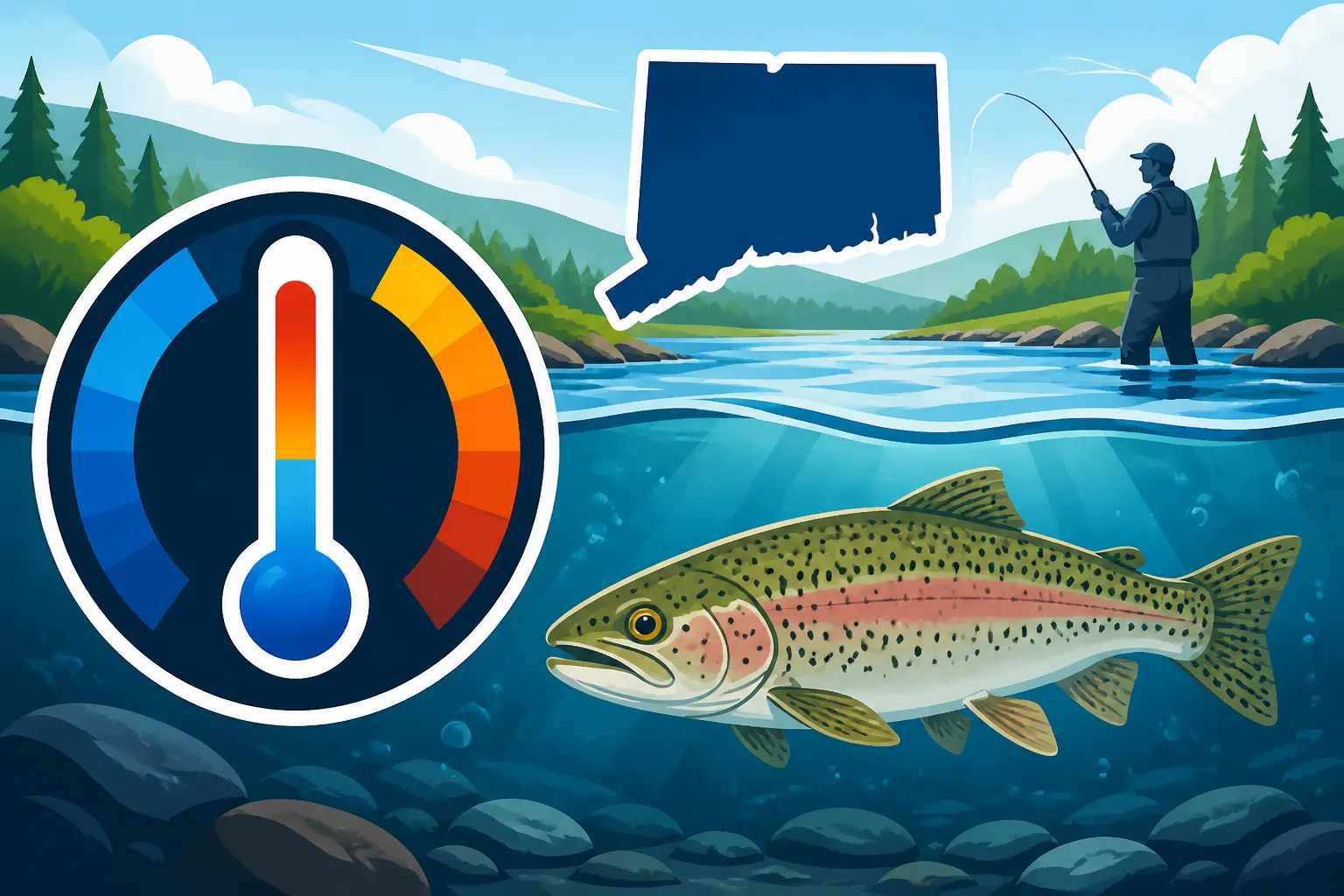
There's nothing quite like a crisp morning by a Connecticut trout stream, the air cool, the water clear and inviting. But as the seasons shift and temperatures climb, many of us start to worry about our finned friends, and rightfully so. That rising mercury can be a real game-changer for trout, turning a perfect fishing day into a stressful struggle for these coldwater fish. This guide is here to shed some light on the critical relationship between water temperature and trout survival, helping you understand what these beautiful fish need to thrive in Connecticut's diverse waterways.
The Goldilocks Zone: Ideal Water Temperatures for Trout Survival
Trout are true coldwater specialists. They don't just prefer cool water; their very physiology is tuned to it. Think of it like a delicate balance: too warm, and their bodies go into overdrive; too cold, and their systems slow to a crawl. In Connecticut, where we have a mix of spring-fed streams, larger rivers, and lakes, understanding this "Goldilocks Zone" is absolutely essential for both the trout's well-being and our success as anglers.
Understanding Optimal Ranges for Different Trout Species
Connecticut is home to a few different trout species, each with its own preferred temperature window. While there's some overlap, knowing the subtle differences can help you identify healthy trout habitat and fish more effectively and responsibly.
- Brook Trout ( Salvelinus fontinalis ): Our native trout, brookies are perhaps the most sensitive to warm water. They truly thrive in the coldest, cleanest, most oxygen-rich environments. Their optimal temperature range is generally between 45°F and 60°F (7°C to 15.5°C). Once water temperatures consistently creep above 65°F (18°C), brook trout become highly stressed, and prolonged exposure can be lethal. If you're chasing these beauties, often found in smaller, higher-elevation streams and beaver ponds, keeping an eye on the thermometer is paramount. Their vulnerability is a big reason why protecting pristine coldwater springs and headwaters is so crucial in our state, as detailed in Brook Trout: Connecticut's Native Trout.
- Brown Trout ( Salmo trutta ): Brown trout are a bit more tolerant of warmer water than brook trout, making them a popular species for stocking in many of Connecticut's rivers and lakes. Their ideal range is typically a bit broader, from 50°F to 65°F (10°C to 18°C). They can survive short periods in water up to 70°F (21°C), but anything sustained above that becomes very dangerous, leading to significant stress and potential mortality. This hardiness makes them a staple in many of our larger trout streams like the Farmington and Housatonic rivers, which are often discussed in articles like Brown Trout Habits in Connecticut Streams.
- Rainbow Trout ( Oncorhynchus mykiss ): Rainbow trout are arguably the most widely stocked trout species across Connecticut, in part due to their robust nature. While they appreciate cool water, their optimal range is similar to brown trout, generally between 50°F and 65°F (10°C to 18°C). They can tolerate slightly warmer conditions than brown trout for shorter periods, sometimes up to 72°F (22°C), but this pushes their limits dramatically. Beyond this, their health rapidly declines. Our state's Rainbow Trout Stocking in Connecticut efforts ensure these fish are placed in waters that can support them, but even rainbows have their breaking point.
Why Temperature Matters So Much for Trout
It might seem overly simple to focus on just one factor, but water temperature is truly the master control for a trout's world. Its impact ripples through every aspect of their biology, from how they breathe to how they hunt.
Firstly, metabolism. Trout are cold-blooded, meaning their body temperature mirrors their surroundings. As water warms, their metabolism speeds up. They need more food, more energy, and critically, more oxygen to sustain this increased activity. Imagine running a marathon in a heavy winter coat – that's what warm water feels like to a trout.
Secondly, and perhaps most importantly, is dissolved oxygen. Cold water holds more oxygen than warm water. It's a fundamental scientific principle. When water temperatures rise, not only do trout need more oxygen due to their accelerated metabolism, but the water itself contains less of it. It's a double whammy, leading to a suffocating situation for these fish. This is why you'll often find trout seeking out riffles and rapids in warmer conditions, as the tumbling water helps to aerate it and boost oxygen levels.
Finally, temperature influences disease resistance and susceptibility to stress. Just like us, stressed fish are more prone to illness. Warmer water can encourage the growth of certain bacteria and parasites, while simultaneously weakening the trout's immune system. This combination makes them highly vulnerable. Understanding these interconnected factors helps us appreciate why a few degrees here or there can make all the difference between a thriving trout population and one in peril.
The Dangers of Warm Water: When Temperatures Become Lethal
As much as we love those long, hot summer days in Connecticut, they can spell trouble for our beloved trout streams. When water temperatures climb out of that ideal range, trout don't just get uncomfortable; they enter a survival crisis. It's not a gradual decline; there are critical thresholds where the situation becomes dire.
Thermal Stress and Oxygen Depletion
Once water temperatures consistently exceed the upper end of a trout's optimal range (think above 65°F for brookies, and 70°F for browns and rainbows), they begin to experience what's known as thermal stress. This isn't just about feeling "warm"; it's a physiological emergency.
Here's a breakdown of what happens:
- Increased Metabolic Rate: As mentioned, their internal engine revs faster and faster. This burns through their energy reserves at an alarming rate, even when they're not actively feeding.
- Elevated Respiration: To cope with the increased metabolic demand and the decreasing oxygen supply, trout have to work harder to breathe. You'll see them gulping at the surface or flaring their gills in an attempt to extract more oxygen from the water. This exertion further expends energy they can't afford to lose.
- Lactic Acid Buildup: Just like when we exercise intensely, this increased effort without adequate oxygen leads to a buildup of lactic acid in their muscles. This acid is toxic and can quickly lead to organ failure if the stress isn't alleviated.
- Reduced Blood Oxygen Carrying Capacity: At higher temperatures, even if oxygen is present, the trout's blood is less efficient at transporting it throughout their bodies. It's like trying to drink water through a clogged straw – it's there, but you can't get enough.
The combined effect of needing more oxygen, having less available, and being less efficient at using what little there is, pushes trout to their absolute limit. This is often the point of no return for many fish.
The "Die-Off" Threshold: What Temperatures Spell Trouble in Connecticut
While exact lethal temperatures can vary slightly based on individual fish health, duration of exposure, and water quality, there are generally accepted thresholds where mass mortality (die-offs) become a serious concern for trout in Connecticut.
For brook trout, prolonged exposure to water above 68-70°F (20-21°C) is often lethal. They simply cannot sustain themselves.
For brown and rainbow trout, the threshold is a bit higher, typically 73-75°F (23-24°C). Anything above this, especially for more than a few hours, can quickly result in widespread fatalities.
It's not just the peak temperature that matters; the duration of exposure is critical. A short spike to 70°F for an hour or two might be survivable for a brown trout, but a full day or several consecutive days at that temperature will be devastating. We often see this happen in Connecticut during prolonged summer heatwaves with little rain, causing severe stress on our trout populations even in historically productive waters. This is why monitoring conditions is paramount, particularly when fishing some of our renowned Best Trout Streams in Connecticut.
Indirect Impacts of Warm Water: Disease and Competition
Beyond the immediate physiological stress, warm water creates a host of secondary problems that weaken trout populations.
- Increased Disease Prevalence: Many pathogens, bacteria, and parasites thrive in warmer water. As trout become stressed, their immune systems are compromised, making them highly susceptible to these opportunistic infections. A small lesion that would heal quickly in cold water can become a fatal infection in warm water.
- Altered Food Web: While trout struggle in warm water, other fish species that are more tolerant of heat, such as bass and panfish, often thrive. This can lead to increased competition for food resources and predation on trout, further reducing their numbers.
- Habitat Compression: Trout will actively seek out the coldest available water, often congregating in small, localized coldwater refuges – pockets where springs enter the stream, or deeper, shaded pools. While this initially helps them survive, it concentrates fish, increasing competition for limited space and making them more vulnerable to predation and disease. These refuges are precious, and anglers should be mindful of them.
Here's a quick reference table for trout temperature guidelines:
| Trout Species | Optimal Range (Fahrenheit) | Stress/Avoid Fishing Above (Fahrenheit) | Lethal Range (Prolonged Exposure) (Fahrenheit) |
|---|---|---|---|
| Brook Trout | 45-60 | 65 | 68-70+ |
| Brown Trout | 50-65 | 70 | 73-75+ |
| Rainbow Trout | 50-65 | 70 | 73-75+ |
Strategies for Anglers: Fishing Responsibly in Fluctuating Temperatures
As anglers, we have a vital role to play in protecting Connecticut's trout, especially when water temperatures are on the rise. Our choices can significantly impact a fish's chances of survival after being caught and released. Being a responsible angler means understanding these risks and adapting our approach.
Monitoring Water Temperatures
The first step in responsible warm-weather angling is knowing the water temperature. You can't make good decisions if you don't have the data.
- Stream Thermometers: This is your best friend. A simple, inexpensive stream thermometer is a must-have piece of gear for any trout angler. Many are available on platforms like Amazon and are small enough to clip onto a vest or pack. Take regular readings in different parts of the water body – the main current, deeper pools, and shaded areas – to get a comprehensive picture.
- Online Resources: The Connecticut DEEP (Department of Energy and Environmental Protection) often provides real-time or recent temperature data for some larger rivers. While it's not always hyper-local to your specific fishing spot, it gives you a general idea of conditions.
- Visual Cues: While not precise, observe the water itself. Is it noticeably warmer to the touch? Is there sluggish current? Are fish showing signs of stress (gulping at the surface, lethargic movements)? These are clues, but a thermometer is definitive.
Once you know the temperature, make an informed decision. If brook trout waters are hitting 65°F, it's probably best to call it a day or switch to a different species or location. For browns and rainbows, 70°F should be your hard stop for catch-and-release fishing.
Adjusting Your Fishing Habits
When temperatures are climbing, simply not fishing for trout is often the best choice. However, if conditions are borderline but still within a safe margin, you can greatly improve a trout's chances of survival by modifying your techniques.
- Fish Early or Late: The coolest water temperatures of the day are usually at dawn and dusk. Plan your trips to align with these times. The sun's intense midday heat can raise water temperatures dramatically, even in shaded areas. This aligns with general advice found in Best Time of Year to Fish in Connecticut.
- Seek Deeper, Shaded Waters: Trout will instinctively move to the coolest parts of the water body. Look for deep pools, areas with heavy canopy cover from trees, or places where cold springs feed into the main flow. These are often the "coldwater refuges" where trout concentrate during warm spells.
- Reduce Fight Time: When a trout is hooked, the fight is incredibly strenuous, generating lactic acid. Use appropriate tackle that allows you to land the fish quickly. Light tackle might be fun, but prolonged fights in warm water are almost always a death sentence for the fish.
- Minimize Handling: This is critical. Keep the fish in the water as much as possible. If you need a photo, do it quickly with wet hands, supporting the fish horizontally. Avoid squeezing, dropping, or dragging the fish on rocks or bank. Every second out of the water, especially in warm air, is detrimental to its gill function and protective slime coat.
- Use Barbless Hooks: Barbless hooks, or hooks with pinched barbs, allow for much quicker and easier unhooking, minimizing damage and handling time. Many dedicated trout anglers swear by them.
- No Playtime: Once you've unhooked the fish, let it recover in the current until it swims away under its own power. Don't toss it back; hold it gently facing upstream in a good current, allowing water to flow over its gills, until it kicks strongly and swims off. If it rolls over, it's not ready.
These practices are not just suggestions; they are vital components of ethical angling, especially concerning trout, and are often part of the unwritten code for waters, including many mentioned in Connecticut Catch and Release Fly Fishing Only Waters.
Seeking Out Cold Water Refuges
In Connecticut, not all trout habitat warms up equally. Certain areas naturally provide cooler water, acting as vital havens during hot weather. Knowing these spots can make a huge difference.
- Spring-Fed Tributaries: Small brooks and streams fed by underground springs are often significantly colder than the main stem of a river. Trout will migrate into these areas seeking refuge.
- Tailwater Fisheries: Rivers that flow out from the base of large dams, like portions of the Farmington River below Hogback Dam, are often "tailwaters." The water released from the bottom of deep reservoirs remains consistently cold, making these sections prime trout habitat even in summer. The Connecticut Farmington River Trophy Trout Stream Rules often reflect the value of these coldwater releases.
- Deep Lake Basins: While many lakes warm significantly, some of Connecticut's deeper lakes, especially those with good coldwater inputs, might hold trout in their cooler, deeper sections during the hottest months. Fishing these areas typically requires a boat and knowledge of the lake's thermocline.
- Heavy Canopy Cover: Sections of streams or rivers that are heavily shaded by dense tree cover will experience less direct solar radiation, keeping water temperatures cooler. Look for these "tunnels" of trees.
Always remember that these refuges are critical for trout survival. While it's tempting to fish them when you know trout are concentrated there, consider that these fish are already stressed. Sometimes, the best thing to do is observe and appreciate, allowing them the space to conserve energy.
Connecticut's Efforts to Protect Trout and Coldwater Fisheries
Our state understands the importance of a healthy trout population, not just for anglers but for the ecological balance of our waterways. The Connecticut Department of Energy and Environmental Protection (DEEP) actively manages and protects these precious coldwater resources, and understanding their work can give us confidence and guidance as responsible participants.
Stocking Programs and Coldwater Management Areas
The DEEP plays a huge role in maintaining our trout fishing opportunities, especially through extensive stocking programs. They raise hundreds of thousands of trout—primarily rainbow and brown trout—at hatcheries like the Kensington Fish Hatchery and transport them to various rivers, streams, and lakes across the state. These efforts ensure that even in waters that don't support natural reproduction, there are still fish for anglers to pursue. You can learn more about this in Connecticut Trout Season and Stocking Rules.
Beyond general stocking, Connecticut has designated Trout Management Areas (TMAs) and Wild Trout Management Areas (WTMAs). These are special sections of rivers and streams where specific regulations are put in place to protect trout populations. Many TMAs, particularly on rivers like the Farmington and Housatonic, are managed to maintain colder water temperatures and provide exceptional fishing. These areas often have reduced creel limits, tackle restrictions (like fly-fishing or artificial lures only), and even catch-and-release only sections, all designed to ensure the survival and growth of larger, healthier trout. Understanding these regulations, which are detailed in Connecticut Trout Management Area Regulations, is crucial before you cast a line in these special places. The DEEP also manages the habitat in these areas to encourage natural reproduction and maintain cold water conditions.
Identifying Cold Water Fisheries
Connecticut has a diverse geography, which means some areas are naturally better suited for trout than others. Identifying and appreciating these coldwater fisheries is key to both conservation and successful fishing.
- Headwater Streams: These are the upper reaches of river systems, often smaller, narrower, and flowing directly from springs or snowmelt. They tend to be the coldest and most pristine.
- Streams with Ground Water Inputs: Even in larger rivers, sections where cold groundwater seeps in can create micro-habitats that trout seek out. Look for areas where spring-fed brooks join the main river.
- Deep, Shaded Gorges: Canyons and heavily forested sections of rivers naturally stay cooler due to reduced sun exposure and often benefit from groundwater seeps.
- Designated Wild Trout Waters: The DEEP identifies and protects certain streams as "Wild Trout Management Areas," recognizing their ability to support naturally reproducing brook or brown trout populations. These are often excellent indicators of consistently cold and clean water.
Familiarizing yourself with the Connecticut Fishing Regulations Explained can help you understand specific rules tied to these different classifications of water. The DEEP provides maps and lists of stocked waters, TMAs, and WTMAs, which are invaluable resources for any angler looking to find healthy trout habitat.
The Importance of Habitat Protection
Ultimately, the best way to ensure trout survive warm water periods is to protect and restore their coldwater habitat. This goes beyond just water temperature itself.
- Riparian Buffers: The strip of vegetation along the banks of a river or stream (the riparian zone) is incredibly important. Trees and shrubs provide shade, keeping water temperatures down. Their roots stabilize the banks, preventing erosion that can lead to sediment filling in crucial spawning and feeding grounds. A wide, healthy riparian buffer is one of the most effective natural air conditioners for a trout stream.
- Watershed Management: What happens miles upstream or in the surrounding watershed directly impacts the stream. Reducing impervious surfaces (like large parking lots) that cause rapid runoff, minimizing nutrient pollution from fertilizers, and preventing sedimentation from construction are all vital for maintaining water quality and temperature.
- Protecting Groundwater: Many of Connecticut's best trout streams rely on a consistent flow of cold groundwater. Any activities that deplete or contaminate groundwater sources can directly harm these critical systems.
As anglers, our support for conservation efforts, advocating for responsible land use, and simply being stewards of the places we fish, are all ways we contribute to the long-term survival of trout in Connecticut. By understanding their needs, particularly their reliance on cool, oxygen-rich water, we can ensure that future generations can enjoy the thrill of catching these magnificent coldwater fish.
Disclaimer
This article is for general informational purposes only and does not constitute professional advice. Laws, prices and regulations vary by location and change over time. Consult a qualified professional for guidance on your specific situation.