How to catch trout right after stocking in Connecticut
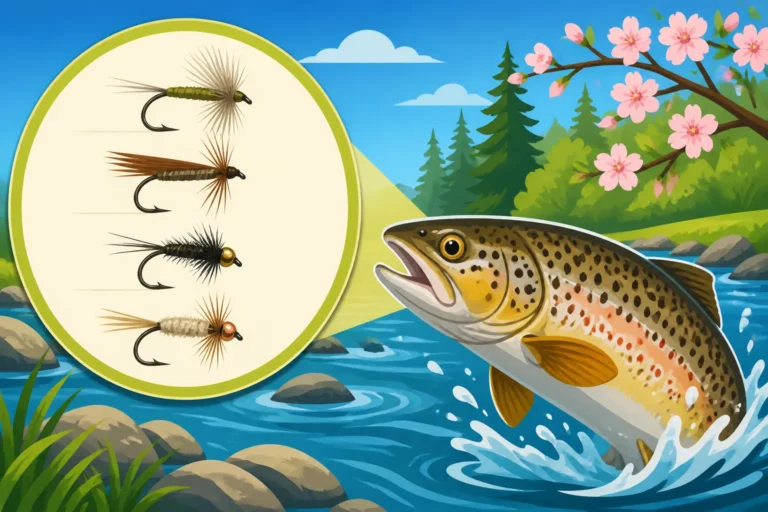
One of the most frustrating things for an angler can be knowing that trout have just been stocked in your favorite Connecticut stream or pond, but then struggling to get them to bite. It's a common misconception that freshly stocked trout are easy to catch – sometimes they are, but often they're disoriented and particular. This guide is here to help you understand their immediate post-stocking behavior and equip you with the best tactics, gear, and locations to consistently hook into these eager, newly introduced fish.
The Immediate Aftermath: Understanding Freshly Stocked Trout Behavior
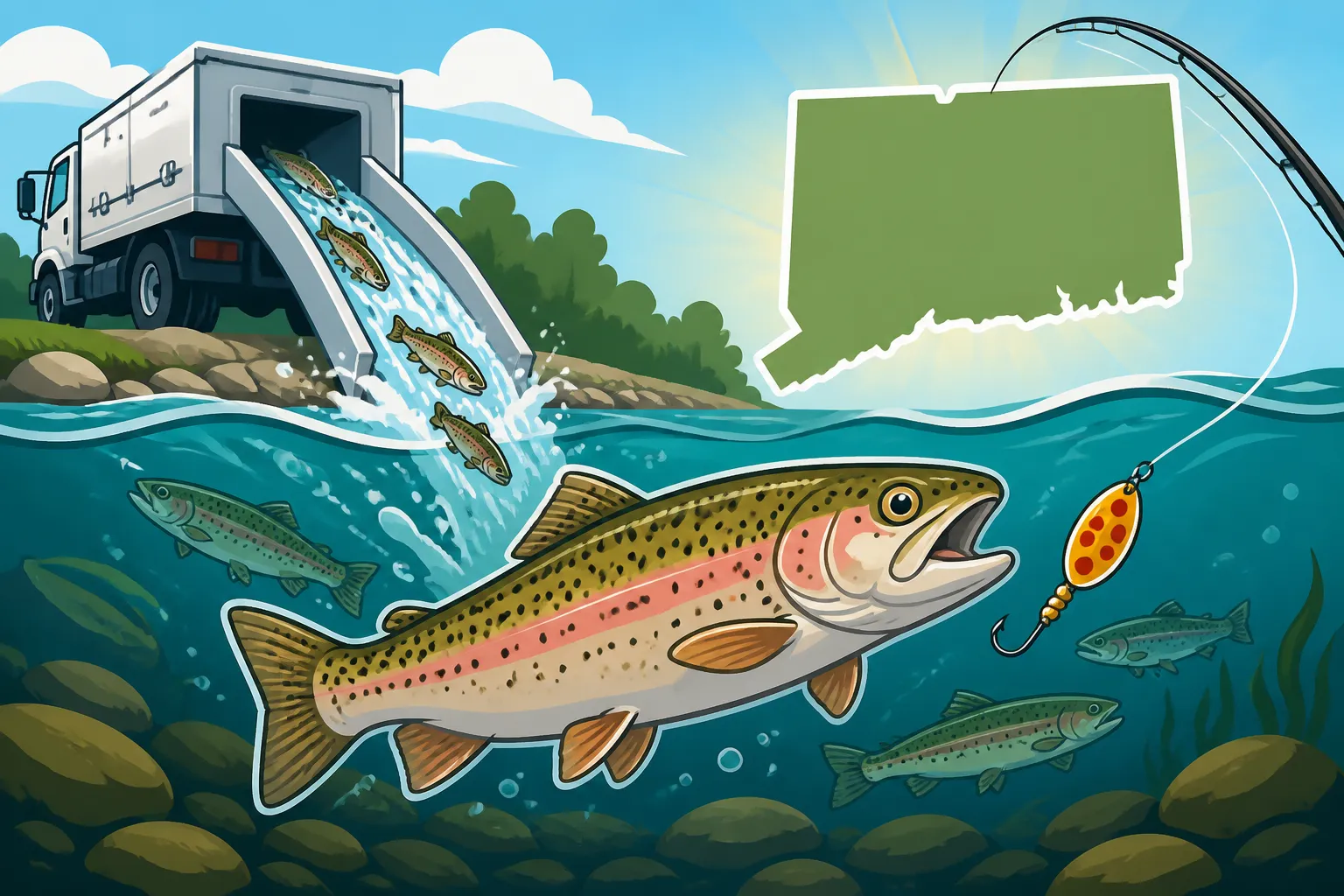
When a truck pulls up and dumps a load of hatchery-raised trout into a river or pond, it's a bit like us moving to a new city overnight. They're in an unfamiliar environment, often a stark contrast to the concrete raceways they've known their whole lives. This disorientation plays a huge role in how they feed, move, and react to their new surroundings. Understanding this initial shock is key to figuring out how to catch them.
Initial Disorientation and Stress Response
Imagine being suddenly dropped into a wild place after living your entire life in a controlled environment. That's essentially what happens to stocked trout. They're suddenly faced with currents, predators, natural food sources (or lack thereof), and a vast, open space that feels nothing like their previous home. This immediate stress can cause them to shut down their feeding for a short period, or, conversely, make them incredibly aggressive if they mistake a passing lure for an easy meal in their confused state.
Their senses are on high alert. They might be skittish at first, darting away from shadows or sudden movements. They're also not used to hunting for natural insects or baitfish. Their entire lives, food has appeared on a schedule, often in pellet form. So, when you cast, you're not just trying to mimic natural prey; you're often trying to appeal to a fish that's looking for something familiar or something that triggers an instinctual, almost panicked, bite. Many anglers overlook this crucial period of adjustment, casting away with typical lures, only to be met with empty hooks. The first few hours, and even days, are critical for understanding how they will behave.
The Search for Shelter and Food
Once the initial shock wears off a bit, these trout will instinctively start looking for two things: shelter and food. Shelter means a place to hide from perceived predators (like eagles, ospreys, or even larger fish) and strong currents. This often means congregating in deeper pools, under undercut banks, around submerged logs, or near heavy cover like brush piles. They feel vulnerable in open water, especially if they are larger, more visible fish.
Regarding food, remember their hatchery diet. They're not accustomed to chasing down a caddisfly nymph or a minnow. They're used to uniform pellets. This is where your bait and lure choices become critical. They might instinctively go for something brightly colored or strongly scented that stands out in their new environment, rather than a perfectly imitated natural insect. The competition for these new, easily identifiable food sources can be intense among the newly stocked fish, creating a window of opportunity where they are less wary than wild trout. Checking the Connecticut Interactive Trout Stocking Map, Explained can give you an idea of where and when these new arrivals are hitting the water.
Gearing Up for the Quick Bite: Essential Tackle for Stocked Trout
You don't necessarily need an arsenal of high-end equipment to catch stocked trout, but having the right setup can make a huge difference in converting those curious nibbles into solid hookups. Because these fish can be a bit more aggressive and less particular than wild trout, you can often get away with slightly heavier tackle, especially if you're fishing in areas with dense cover or faster currents.
Rod and Reel Combinations
For stream fishing, a light to ultralight spinning rod, typically 5 to 6.5 feet in length, with a fast action, is ideal. This allows for precise casts of small lures and baits while still having enough backbone to handle a decent-sized trout in moving water. Pair this with a small spinning reel (size 1000 or 2000) spooled with light monofilament or fluorocarbon line. Monofilament offers a bit more stretch, which can be forgiving when a trout makes a sudden run, while fluorocarbon is nearly invisible underwater, a definite advantage in clear streams. You can find excellent, affordable light spinning combos on sites like Amazon, perfect for getting started without breaking the bank.
If you're heading to larger ponds or lakes, a slightly longer rod, perhaps 6.5 to 7 feet, might be beneficial for longer casts. The same light to ultralight setup generally applies. The key is balance – a rod and reel that feel comfortable in your hand and allow for subtle presentations. Remember, while these fish are often eager, they still have sensitive mouths, and a heavy hand can tear the hook out.
Line, Leaders, and Terminal Tackle
Your line choice is more important than you might think. For most stocked trout situations, 4 to 6-pound test monofilament or fluorocarbon main line is perfectly adequate. If the water is exceptionally clear, or if the fish seem particularly skittish after a few days, dropping down to a 2-pound test fluorocarbon leader, approximately 18-24 inches long, can make a significant difference. This thin, low-visibility leader makes your bait appear more natural.
Terminal tackle includes everything at the business end of your line. Small, sharp hooks are crucial. Size 8 or 10 Aberdeen or baitholder hooks are common choices for bait fishing. If using lures, ensure they come with quality, sharp treble or single hooks. Split shot weights are essential for getting your bait down to the strike zone, especially in currents. Carry a variety of sizes, from tiny BBs to larger pieces. Swivels can help prevent line twist when using spinning lures. A small tackle box purchased from Amazon can keep all these essentials organized and ready to go.
Waders and Boots for Stream Anglers
For those planning to fish streams and rivers, a good pair of waders and wading boots can greatly expand your access and improve your success. Being able to safely enter the water allows you to reach prime spots that are inaccessible from the bank and to approach fish without being seen. Stocked trout often hold in pockets, runs, and pools where overhead cover or depth provides security, and casting from a bank might spook them.
Choose breathable waders for comfort, especially if you plan to cover a lot of ground. Felt-soled wading boots provide excellent grip on slippery rocks, though rubber soles are better for muddy banks. Always prioritize safety when wading; assess the current and depth before stepping in, and consider a wading staff for stability. Wearing a life jacket for Connecticut boaters is not just for boats; it's a smart safety measure when wading deep or fast-moving water.
Top Tactics and Baits for Post-Stocking Success
The beauty of fishing for freshly stocked trout is that they often respond to a wide variety of presentations. Because they haven't learned to be wary of every unnatural offering, you have a wider margin for error. The key is to present something that either looks like easy food or triggers an aggressive, instinctual strike.
PowerBait and Similar Scented Dough Baits
Without a doubt, PowerBait and similar scented dough baits are king for newly stocked trout, especially in ponds and lakes. These baits are designed to float, lifting your hook off the bottom and placing it directly in the fish's feeding zone. The strong scent profile is often what triggers these hatchery fish, as it's a taste they might recognize or find incredibly appealing.
To use them effectively, mold a small, pea-sized ball around your hook, ensuring the hook point is fully covered. Cast it out with a small split shot or an egg sinker (with a barrel swivel to prevent line twist) a foot or two above your hook. The goal is for the bait to float just off the bottom. Experiment with different colors – chartreuse, fluorescent orange, and rainbow are often top producers. Sometimes, trout will key in on one color more than another, so having a few options on hand is always a good idea. This technique is particularly effective in still waters or slow-moving sections of rivers.
Small Inline Spinners and Spoons
For a more active approach, small inline spinners and spoons are incredibly effective, especially in moving water like streams and rivers. The flash and vibration mimic small baitfish, a meal that even disoriented stocked trout will instinctively strike. Brands like Mepps, Panther Martin, and Acme Kastmasters are classics for a reason.
Cast your spinner or spoon across or slightly upstream in a current, then retrieve it just fast enough to get the blade spinning. In slower water, a stop-and-go retrieve can be deadly. Pay attention to how the fish are reacting; sometimes a steady retrieve is best, while other times erratic movements trigger more bites. Experiment with sizes (1/16 oz to 1/8 oz are common) and colors. Bright colors like gold, silver, or fluorescent patterns work well, but sometimes a more natural, muted color can be the ticket, especially if the water is clear. These lures are also great for covering a lot of water quickly, helping you locate where the fish are holding.
Worms and Live Bait Presentations
Sometimes, nothing beats the natural appeal of a live worm. Red wigglers or nightcrawlers (pinched to a manageable size) are universal trout baits. They provide natural scent and movement, which can entice even the most stubborn of stocked trout. Rig them on a small hook with a split shot a few inches above, allowing the worm to drift naturally with the current in a stream, or slowly sink in a pond.
You can also try small minnows (where legal) or even corn kernels. Corn can be surprisingly effective for stocked trout, likely due to its bright color and unique texture, and some speculate a vague similarity to their pellet diet. Always check Connecticut Fishing Regulations Explained before using live bait to ensure legality and avoid species-specific restrictions.
Here's a quick comparison of common baits for freshly stocked trout:
| Bait/Lure Type | Best Use Case | Pros | Cons |
|---|---|---|---|
| PowerBait/Dough | Still waters, slow currents, initial stocking | Strong scent, floating, familiar to hatchery fish, wide color range | Can be messy, less effective in strong currents, passive fishing |
| Inline Spinners | Moving water, covering water, active fishing | Flash and vibration trigger strikes, effective for aggressive fish | Can twist line, less effective when fish are lethargic |
| Small Spoons | Lakes, larger streams, deep pockets | Mimics baitfish, good casting distance, flashy wobble | Can snag easily in rocky areas, less natural presentation |
| Worms (Live Bait) | All waters, finicky fish | Natural scent and movement, universal appeal | Can be messy, requires keeping bait alive, slower fishing |
| Trout Magnets | Streams, subtle presentation, light tackle | Highly effective, easy to use, variety of colors | Small size can be hard to cast, best with ultralight gear |
Finding the Feeding Frenzy: Where Stocked Trout Go First
Knowing what to throw is only half the battle; knowing where to throw it is equally important. Freshly stocked trout tend to congregate in certain areas before dispersing, offering anglers a golden opportunity if they know where to look.
Identifying Stocked Pools and Runs in Rivers
When trout are released into a river, they often seek immediate relief from the current and a sense of security. This means they'll gravitate towards deeper pools, slower runs, and areas with overhead cover. Look for the deepest sections of a stream, especially those with slower water. Undercut banks, fallen trees, and large boulders that create current breaks are prime holding spots. They're looking for a place to rest and feel safe.
Often, the stocking trucks will release fish at easily accessible points, such as bridges or public access points. These areas can be productive immediately after stocking, but also get pressured quickly. However, don't just fish directly where the truck backed up. Follow the current both upstream and downstream from the release point. Many fish will disperse within a few hours or a day, finding their own preferred holding lies. The Housatonic River Fishing Guide offers specific insights into a major Connecticut trout river.
Pinpointing Stocking Hotspots in Ponds and Lakes
In ponds and lakes, the dynamics are a bit different. Without significant current, trout tend to spread out more, but still seek similar forms of cover and depth. Look for deeper sections of the pond, especially near the deepest drop-offs. Areas around submerged structures like old foundations, brush piles, or weed lines (if not too dense) can hold fish. Aerators, if present, can also be hotspots as they provide oxygenated water and often concentrate baitfish.
The shorelines where the fish were initially released are often productive for a day or two, as the trout may stay close to their initial entry point before exploring further. Pay attention to points, coves, and areas where feeder streams enter, as these can bring in food and create slight currents or temperature differences. The Best Time to Fish a Stocked Trout Pond can vary depending on weather and pressure.
The Importance of Mobility and Observation
One of the biggest mistakes anglers make when fishing for stocked trout is staying in one spot for too long. These fish are often grouped together, so if you're not getting bites, they're probably not there, or at least not actively feeding. Cover water! Walk the banks, cast into different pools, try various depths, and observe. Look for any signs of activity – a splash, a subtle rise, or another angler hooking up.
Also, be observant of other anglers. If someone downstream is consistently catching fish, try to identify what they're using and how they're presenting it. Remember, conditions can change quickly, so be prepared to switch up your bait, lure, or even location if what you're doing isn't working. This approach is key to success in any trout water, but especially when targeting freshly stocked fish that are still acclimating. Don't be afraid to experiment with new techniques or gear you might see on Amazon that others are having success with.
Beyond the Initial Frenzy: Adjusting Your Approach for Holdovers
While freshly stocked trout are a blast to catch, their behavior changes quickly. After a few days or weeks, these fish start to acclimate, become more wary, and begin to feed on natural forage. This means your "easy catch" window might close, and you'll need to adapt your techniques to continue finding success. Understanding the transition from "freshly stocked" to "holdover" is crucial for long-term enjoyment of Connecticut's excellent trout fishing.
When Stocked Trout Become Wary
The initial few days post-stocking are often a free-for-all, but that quickly fades. As the trout get used to their new surroundings, they learn that bright, gaudy baits aren't always real food, and the constant pressure from anglers makes them much more cautious. They start to recognize shadows, vibrations on the bank, and unnatural presentations. This is when they begin to mimic the behavior of wild trout, seeking more subtle forms of cover and becoming much more selective in their feeding.
You'll notice them rejecting baits they once readily took, or shying away from lures that previously produced. This means you need to scale down your approach. Lighter line, smaller hooks, and more natural-colored baits and lures become essential. This transition usually happens within a week or two, depending on fishing pressure and the specific water body. Learning What a Holdover Trout Is will help you understand this behavioral shift.
Adapting to Natural Forage
As stocked trout acclimate, their diet shifts from hatchery pellets to natural insects, crustaceans, and baitfish found in their new home. This is where imitating local forage becomes vital. If you're fly fishing, matching the hatch becomes important. For spin anglers, this means using lures that imitate minnows, crayfish, or even insects. Small, neutral-colored jigs, small soft plastic worms, or tiny spoons can be very effective.
Observing what's in the water can give you clues. Are there minnows darting around? Are insects hatching on the surface? Your lure choices should reflect these observations. For example, if you see caddisflies, a small, dark-colored soft plastic tied to mimic a larva or pupa might work well. This kind of finesse fishing requires more patience and skill, but it's incredibly rewarding when you fool a trout that has seen dozens of other presentations.
Seeking Out Less Pressured Waters
Another strategy for continuing success beyond the initial stocking frenzy is to seek out less pressured waters or harder-to-reach sections of popular spots. While everyone crowds the easily accessible areas, adventurous anglers can find excellent fishing by hiking further upstream, exploring tributaries, or targeting remote ponds. These areas often hold trout that have had less exposure to human activity and are therefore less wary.
The Connecticut Trout Season and Stocking Rules will give you information on various stocking schedules, allowing you to plan your trips to less-frequented areas shortly after they receive their fish. These "hidden gems" often offer a more serene fishing experience and a better chance at consistent hookups with trout that haven't developed a strong sense of self-preservation from constant angling pressure.
Disclaimer
This article is for general informational purposes only and does not constitute professional advice. Laws, prices and regulations vary by location and change over time. Consult a qualified professional for guidance on your specific situation.