List of Connecticut stocked trout waters
It’s a feeling many of us know all too well: the urge to hit the water after a fresh trout stocking, but the frustration of not knowing exactly where those finned beauties have been released. Connecticut's rivers, streams, and ponds are regularly replenished with trout, offering fantastic fishing opportunities, but finding that up-to-date, comprehensive list can feel like a treasure hunt. This guide is here to cut through the confusion, providing you with a detailed look at where the Connecticut Department of Energy and Environmental Protection (DEEP) stocks trout, helping you plan your next successful angling adventure.
Understanding Connecticut's Trout Stocking Program
The backbone of Connecticut's vibrant trout fishery, especially for those of us who aren't chasing elusive wild strains, is the state's incredible trout stocking program. It's a massive undertaking, designed to ensure that anglers of all skill levels have access to quality fishing experiences across the state. Without this consistent effort, many of our favorite local spots would simply not support the angling pressure they see.
How the DEEP Manages Trout Stocking
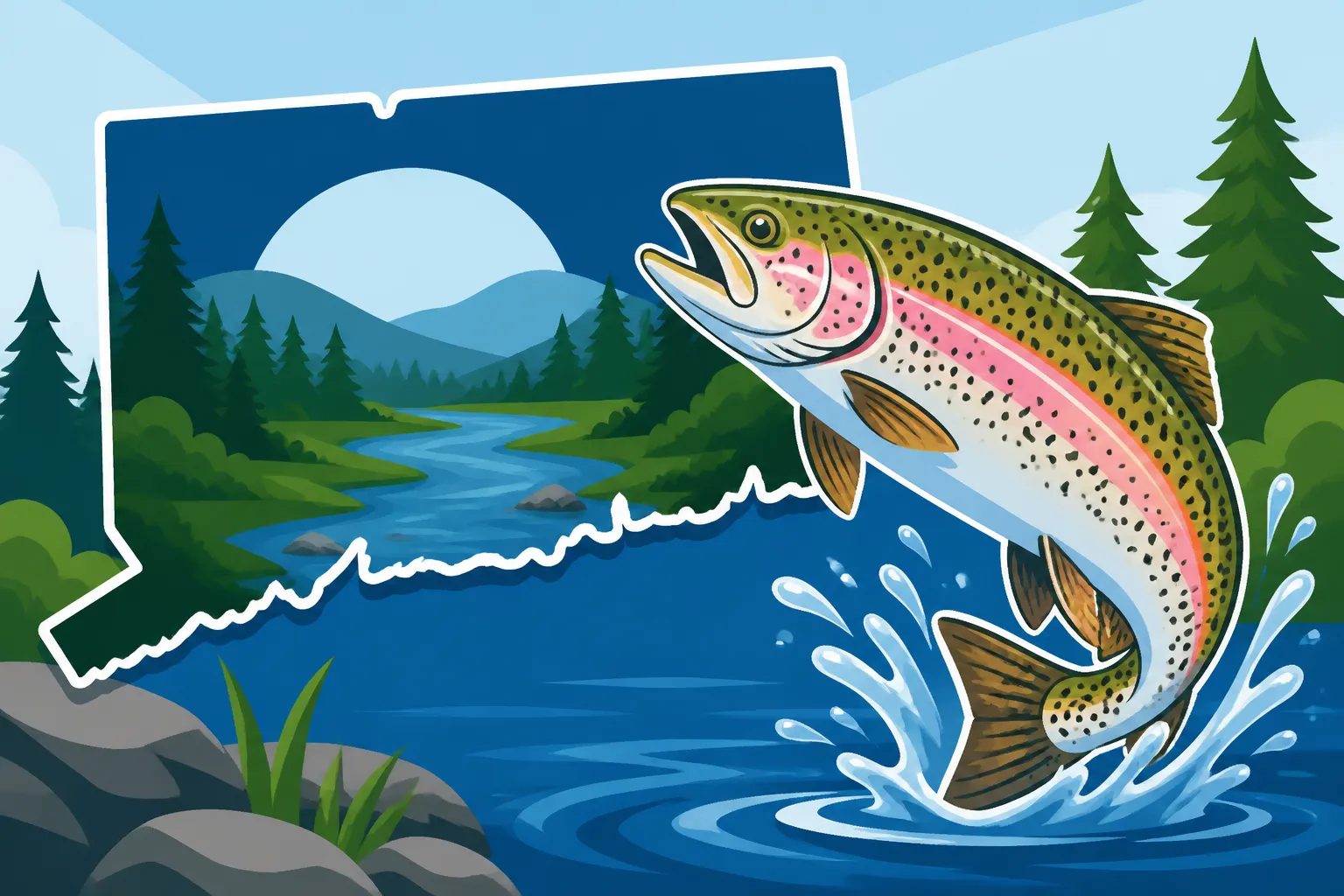
The Connecticut DEEP takes its trout stocking responsibilities very seriously, and it shows in the sheer volume and quality of fish released annually. Their dedicated hatcheries, like the ones in Kensington and Burlington, work year-round to raise hundreds of thousands of trout. These aren't just any fish; they're typically robust, healthy trout that are ready to challenge anglers shortly after release. The primary goal here is to provide readily available recreational fishing opportunities, making trout fishing accessible to everyone from seasoned fly casters to families enjoying a weekend outing. The DEEP generally stocks a mix of species, including Rainbow Trout, Brown Trout, and, to a lesser extent, Brook Trout. Rainbows are often favored for their hardiness and willingness to strike a variety of baits and lures, while brown trout offer a bit more challenge and can grow quite large. Brook trout, while native to many of our colder streams, are often stocked in smaller, more intimate waters for a classic experience. The choice of species for a particular water body often depends on factors like water temperature, available habitat, and angler preference.
Types of Stocked Waters and Their Characteristics
When the DEEP sets out to stock, they don't just dump fish anywhere; there's a strategic approach based on the characteristics of different water bodies. You'll find stocked trout in a few distinct categories of waters, each offering a unique fishing experience. Rivers and streams, particularly the larger systems like the Farmington and Housatonic, receive substantial stockings. These flowing waters often spread the fish out, providing a more natural hunt, and the trout can sometimes hold over for longer periods, even growing significantly. Then you have the numerous lakes and ponds scattered across the state. These often offer easier access, especially for bank anglers or those with small boats, and can be incredibly productive immediately after a stocking. However, in these more confined waters, the fish might be caught out quicker due to higher angler concentration.
Beyond these general categories, Connecticut also boasts special regulation areas such as "Trout Management Areas" (TMAs) and "Trophy Trout Streams." These areas, like sections of the Farmington River or the Housatonic River, have specific rules regarding tackle, bait, and creel limits. They are often stocked with larger trout or managed for holdover fish, providing a more challenging and rewarding experience for dedicated anglers. Understanding these distinctions is crucial, as the density of fish, the timing of stocking, and even the type of gear you might use will vary significantly. For instance, a small pond stocked for "Opening Day" in spring will fish very differently from a heavily regulated TMA that sees year-round pressure. Knowing which category your chosen spot falls into will greatly improve your chances of success and ensure you're compliant with all Connecticut Fishing Regulations Explained.
Key Regions and Major Stocked Trout Waters
Connecticut is blessed with a diverse landscape, from the rolling hills of the west to the picturesque shoreline of the east, and this geographical variety extends to its trout fishing opportunities. No matter where you are in the state, you're likely not too far from a quality stocked trout water.
Western Connecticut's Productive Trout Streams and Lakes
Western Connecticut is often considered a mecca for trout anglers, thanks to its cooler, clearer waters and significant stocking efforts. The Farmington River, particularly its West Branch, is arguably the state's most famous trout fishery. This river is renowned for its consistent stockings of both brown and rainbow trout, including some impressive trophy-sized fish. It's a year-round destination, with excellent opportunities for fly fishing and spin fishing. Access points are abundant, from state parks to roadside pull-offs. Further west, the Housatonic River is another powerhouse, known for its large brown trout and consistent stockings, especially below the Derby Dam. While some sections are strictly catch-and-release, other areas offer great harvest opportunities. Smaller tributaries throughout the Litchfield Hills and Fairfield County also receive regular stockings, providing intimate, often less crowded, experiences.
For lake anglers, Candlewood Lake often gets attention for its bass and trout. While naturally reproducing trout exist in its deep, cold waters, the DEEP does supplement with stockings, providing opportunities for boat anglers to troll for rainbows and browns. Additionally, the Naugatuck River, particularly in its upper reaches, has seen significant recovery and now receives substantial trout stockings, offering a robust urban fishing experience. This region truly offers a spectrum of experiences, from wild trout in remote streams to heavily stocked, easily accessible rivers.
Central Connecticut's Popular Trout Destinations
Moving into Central Connecticut, you'll find a mix of easily accessible urban ponds, mid-sized lakes, and beautiful, winding rivers that all receive generous trout stockings. These waters are particularly popular for weekend trips and for anglers looking for convenience. The Salmon River, flowing through Middlesex and Colchester, is a fantastic option, especially known for its spring and fall stockings of brown and rainbow trout. Its mix of riffles, runs, and pools makes it a classic New England trout stream. Nearby, small, picturesque lakes and ponds like Black Pond in Middlefield and West Hill Pond in New Hartford are consistently stocked, offering excellent shore fishing access and opportunities for small boats or kayaks.
Even within or very close to larger cities like Hartford and New Haven, you'll find stocked waters. These urban and suburban ponds are vital for introducing new anglers to the sport and providing quick, convenient outings. Examples include Keney Park Pond in Hartford and Lake Wintergreen in Hamden. These spots are often heavily fished, but fresh stockings ensure continuous action. When planning a trip to these areas, it's always a good idea to check the specific Connecticut Fishing Season Dates and Closures as regulations can vary. You can typically find a good selection of trout gear, from simple bobber setups to small spinnerbaits, on Amazon if you're looking to stock up before you head out.
Eastern Connecticut's Best Trout Fishing Spots
Eastern Connecticut boasts a rugged beauty, characterized by its larger forests and a network of rivers and lakes that provide excellent trout fishing. This region offers a slightly different flavor of angling, often with a bit more solitude in its more remote streams, alongside popular, well-stocked lakes. The Shetucket River and the Willimantic River are two prominent waterways here, receiving substantial stockings of trout throughout the spring and fall. These rivers offer diverse fishing, from faster-flowing sections to deeper pools, and are popular with both fly and spin anglers.
For lake and pond enthusiasts in Eastern Connecticut, spots like Mansfield Hollow Lake in Mansfield and Mashapaug Lake in Union are perennial favorites for trout. These larger bodies of water hold a good population of stocked fish, and their size allows for various fishing techniques, including trolling and bait fishing from boats or shore. Coventry Lake and Gardner Lake are also regularly stocked, providing fantastic family-friendly opportunities. The DEEP does a great job ensuring a spread of locations, so whether you're looking for a quiet morning on a small pond or a day out on a larger river, Eastern Connecticut delivers. Don't forget that a valid Connecticut Fishing License Guide for 2026 is essential before you cast a line in any of these waters.
Navigating the Connecticut DEEP's Stocking Information
One of the most valuable resources for any trout angler in Connecticut is the information provided directly by the DEEP. They are transparent about their stocking efforts, and knowing how to access and interpret this data can drastically improve your fishing success. Forget guessing; the information is out there!
Accessing the Interactive Trout Stocking Map
The most powerful tool at your disposal is the Connecticut DEEP's interactive trout stocking map. This online resource is a game-changer for planning your trips. It allows you to zoom in on specific regions and see exactly where and when trout have been stocked. When you click on a particular water body, it will typically show you the date of the stocking, the species of trout released (Rainbow, Brown, Brook), and sometimes even the number of fish. This real-time or near-real-time data is invaluable, helping you hit the water shortly after a fresh release, when the fish are often most active and less wary.
To use the map effectively, familiarize yourself with its navigation and legend. Look for color-coded pins or markers that indicate recent stockings. You can filter by species or date range, which is incredibly helpful if you're targeting a specific type of trout or looking for waters that were stocked within the last week. Checking this map regularly, especially during the peak spring and fall stocking seasons, is the best way to stay ahead of the curve. If you're new to using it, our guide on How to use the Connecticut interactive trout stocking map provides a step-by-step walkthrough.
Interpreting Stocking Schedules and Updates
While the interactive map shows specific events, understanding the broader stocking schedules helps anticipate future opportunities. The DEEP generally conducts its heaviest stocking efforts in the spring, typically from late March through May, leading up to and following the traditional "Opening Day" of trout season. This is when hundreds of thousands of trout are released into rivers, streams, and ponds across the state. A smaller but significant stocking period occurs in the fall, often throughout October and November, which helps sustain fishing through the colder months and create "holdover" opportunities for the next year. Some waters even receive winter stockings for ice fishing or special events.
To stay updated, beyond the map, keep an eye on the official Connecticut DEEP Fisheries Division website or their social media channels. Local tackle shops, like those in the Farmington Valley or along the Connecticut shoreline, often get direct updates and can be excellent resources for the freshest information on local stockings. They sometimes know about smaller, unscheduled stockings or local events. Pay attention to the species stocked; a rainbow trout stocking might call for different tackle than a brown trout release, and understanding the general Connecticut Trout and Salmon Stamp, Explained requirements will ensure you're fully licensed for these specific species.
Gear and Tactics for Stocked Waters
When you're heading out to fish stocked trout waters, particularly those recently replenished, a few key gear choices and tactics can make all the difference. Stocked trout are often fresh from the hatchery and haven't yet become wary of anglers. This means they'll often respond well to common, readily available baits and lures. For bait anglers, PowerBait (the floating kind in bright colors), corn, or small worms are perennial favorites. A simple slip-sinker rig with a small hook, or a bobber setup, can be incredibly effective. You can find a fantastic selection of these simple, effective baits and terminal tackle on Amazon, making it easy to prepare for your trip.
For those who prefer lures, small inline spinners like Mepps or Panther Martins, spoons such as Kastmasters, or tiny stickbaits can entice strikes. A lightweight spinning rod and reel combo, spooled with 4-6 lb test monofilament or fluorocarbon, is ideal for casting these lighter presentations and handling these feisty fish. If you're fly fishing, smaller nymphs, wet flies, and even some simple dry flies can work, though they might not be as immediately effective as bait or lures on newly stocked fish. For more advanced tactics specific to the early season, check out our guide on Spring Trout Fishing Techniques for Connecticut Streams. Remember to always be mindful of local regulations on bait and tackle, especially in Trout Management Areas or Catch-and-Release Only waters, where specific restrictions apply.
Here's a quick overview of some regularly stocked trout waters in Connecticut:
| Water Body | Location | Primary Species Stocked | Best Time to Visit | General Characteristics |
|---|---|---|---|---|
| Farmington River (West Br.) | New Hartford | Brown, Rainbow | Year-round, Spring & Fall | Famous, well-managed river, fly and spin fishing |
| Housatonic River | Kent/Cornwall | Brown, Rainbow | Year-round, Spring & Fall | Large river, trophy potential, diverse sections |
| Salmon River | Colchester/Marlborough | Brown, Rainbow | Spring & Fall | Classic New England stream, good access |
| Shetucket River | Windham/Willimantic | Brown, Rainbow | Spring & Fall | Medium-sized river, good for wading |
| Black Pond | Middlefield | Rainbow, Brown | Spring & Fall | Popular pond, easy access, family-friendly |
| West Hill Pond | New Hartford | Rainbow, Brown | Spring & Fall, Winter (ice) | Deep, clear lake, popular for ice fishing |
| Mansfield Hollow Lake | Mansfield | Rainbow, Brown | Spring & Fall | Large reservoir, boat and shore fishing |
| Naugatuck River | Torrington/Waterbury | Rainbow, Brown | Spring & Fall | Urban river, significant restoration, good access |
| Candlewood Lake | Danbury/New Fairfield | Rainbow, Brown | Spring, Fall, Summer | Large deep lake, boat fishing, some natural reproduction |
| Coventry Lake | Coventry | Rainbow | Spring & Fall | Accessible town lake, popular with families |
When planning your trip, remember to check the specific Connecticut Trout Limit and Possession Rules for the waters you intend to fish, as limits can vary, especially in special regulation areas.
Disclaimer
The information provided in this guide is for general informational purposes only and is subject to change. Fishing regulations, stocking schedules, and local conditions can vary. Always consult the official Connecticut Department of Energy and Environmental Protection (DEEP) website, their interactive stocking maps, and current fishing guides for the most up-to-date and accurate information before planning any fishing trip. Adherence to all local, state, and federal laws and regulations is the sole responsibility of the angler.