Connecticut Trout Limit and Possession Rules
It can feel like you need a law degree just to understand all the fishing regulations in Connecticut, especially when it comes to trout. The daily limits and possession rules aren't always straightforward, varying wildly depending on where you cast your line, and nobody wants to inadvertently break the law. This comprehensive guide is here to clear up the confusion, helping you confidently navigate Connecticut's trout limits so you can focus on the joy of fishing.
Navigating the General Statewide Trout Regulations
Connecticut's Department of Energy and Environmental Protection (DEEP) sets statewide regulations designed to manage fish populations and ensure sustainable angling for everyone. However, these general rules are just the starting point, and it’s critical to understand them before diving into the specifics of special waters. Many anglers assume a single rule applies everywhere, only to find themselves scratching their heads when they encounter different signs at their favorite stream.
Daily Creel Limits for Inland Waters
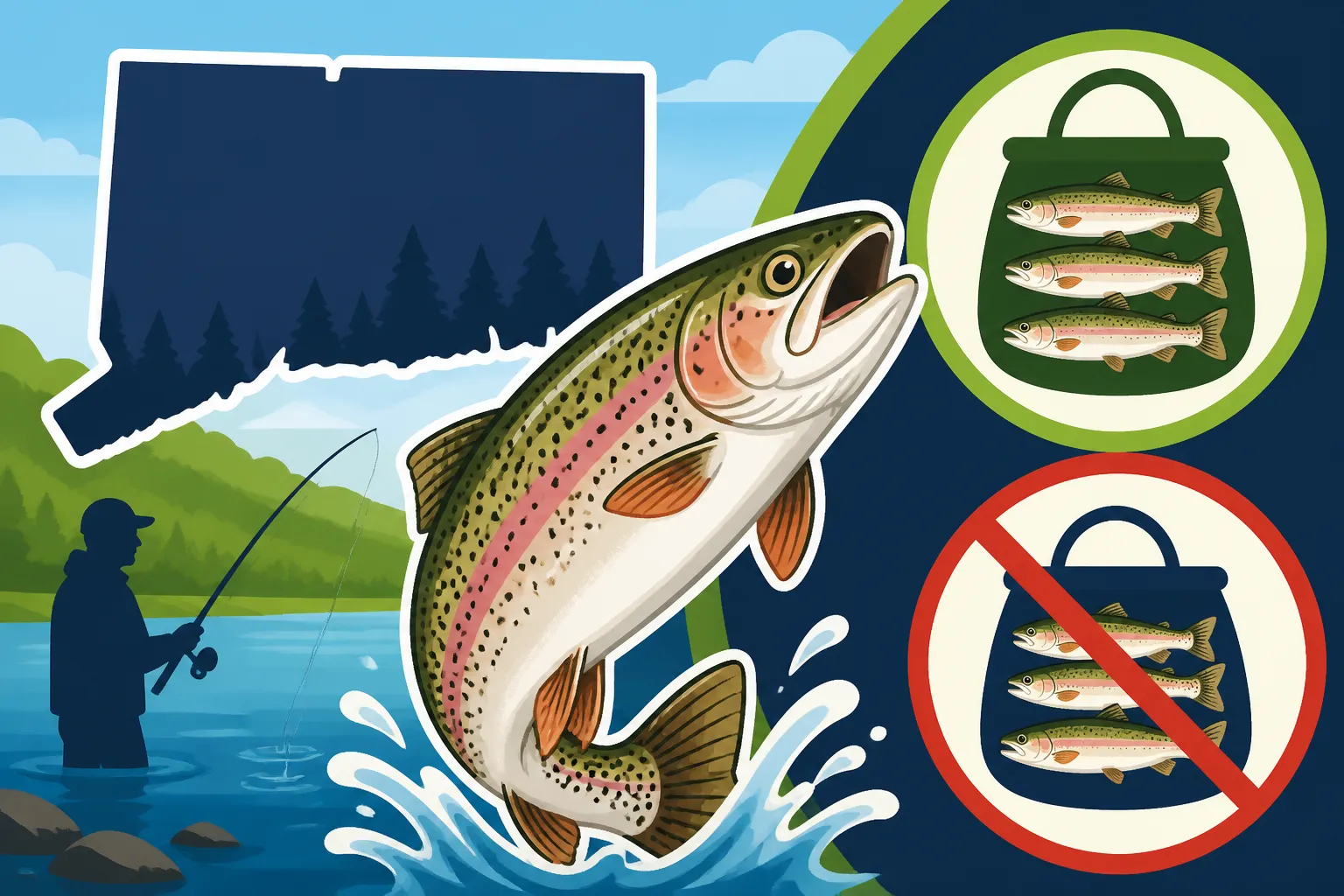
For the vast majority of Connecticut's rivers, streams, and lakes that are not designated as special regulation areas, there's a standard daily creel limit for trout. This is the maximum number of trout you can legally keep in a single day, from midnight to midnight. Currently, the statewide daily creel limit for trout in these general inland waters is five fish per angler. This applies to all the trout species we typically encounter, whether they're vibrant Rainbow Trout, elusive Brown Trout, or our native Brook Trout.
Imagine you're out on a beautiful spring morning at a local pond that's been recently stocked. You catch three plump rainbow trout and decide to keep them for dinner. Later that afternoon, you move to another section of the pond or even a different general regulation stream nearby. You can still keep up to two more trout that day, bringing your total to the five-fish limit. It's not five fish per body of water; it's five fish per day, per angler, across all general regulation inland waters. This is a common point of confusion, with many thinking they get a new limit at each spot. However, if you've already reached your limit, any additional trout caught must be immediately released unharmed.
Understanding Possession Limits
While the daily creel limit dictates how many trout you can harvest in a 24-hour period, the possession limit refers to the total number of fish you can have in your physical control, whether on your person, in your cooler, in your vehicle, or even stored at your home. For trout, Connecticut's possession limit generally mirrors the daily creel limit. This means you can possess no more than five trout at any given time, regardless of how many days you've been fishing.
Let's say you had a great day last Saturday, kept five trout, and put them in your freezer. On Tuesday, you decide to go fishing again. You can still catch and keep another five trout on Tuesday, bringing your daily total for Tuesday to five. However, if you were to have, say, seven trout in your cooler on Tuesday, where five were from that day and two were "leftovers" from a previous day's catch (that you hadn't already taken home and processed), you would be over the possession limit. The rules are designed to prevent stockpiling and ensure that daily limits are respected over time. The key is that once fish are consumed or processed and stored at your primary residence, they are no longer considered "in possession" for the purposes of these field limits. It can be a little nuanced, so always err on the side of caution.
What Qualifies as "Trout" Under These Rules?
When the regulations mention "trout," they are primarily referring to three distinct species that are either native to or regularly stocked in Connecticut's waters: Brook Trout (Salvelinus fontinalis), Brown Trout (Salmo trutta), and Rainbow Trout (Oncorhynchus mykiss). These are the bread and butter of trout fishing in the state, and the general limits apply equally to all of them.
Sometimes, anglers might encounter other salmonid species. For example, the state does stock Atlantic Salmon in certain areas, particularly the Naugatuck and Shetucket Rivers. However, these fish fall under entirely separate, and often much more restrictive, regulations, typically requiring immediate release. So, when you see "trout" on a general sign, you can safely assume it means brook, brown, and rainbow. It's always a good idea to refresh your knowledge on Trout Species Identification Guide for Connecticut to ensure you're correctly identifying your catch, especially when fishing in areas where multiple species might be present. This helps prevent accidentally keeping a protected species or exceeding a species-specific limit.
Decoding Special Regulation Waters and Their Unique Rules
While the statewide general regulations provide a baseline, many of Connecticut's most popular and productive trout fishing spots operate under special rules. These areas are managed intensely by the DEEP to enhance fishing quality, protect sensitive populations, or create unique angling experiences. Ignoring these special regulations is a surefire way to run afoul of the law and potentially harm the very resources we cherish.
Trout Management Areas (TMAs) and Trophy Trout Streams
Connecticut is home to a fantastic network of Trout Management Areas (TMAs) and Trophy Trout Streams, renowned for their excellent fishing opportunities, particularly for those seeking larger, more challenging fish. These areas are typically designated to promote catch-and-release, provide year-round fishing, or protect naturally reproducing wild trout populations. Because of these goals, their regulations are almost always stricter than general statewide rules. For instance, the daily creel limit in many TMAs is reduced, often to two fish per day, and frequently includes a minimum length requirement, such as 9, 12, or even 16 inches, depending on the specific water.
Take the Farmington River's West Branch, for example, a nationally recognized trout fishery. Within its Trout Management Area sections, you'll find zones where anglers can keep two trout over a certain length, and other sections that are strictly catch-and-release only. Similarly, the Housatonic River's TMA has its own set of rules, often emphasizing artificial lures or flies only. These distinctions are crucial. Walking into a TMA assuming the five-fish statewide limit applies could lead to an unpleasant interaction with an Environmental Conservation Police Officer. It's imperative to consult the official Connecticut Trout Management Area Regulations before you visit these prized waters. These regulations are posted prominently at access points and detailed in the annual Connecticut Angler's Guide.
Catch-and-Release Only Waters
Beyond TMAs, some specific streams, river sections, or even entire ponds are designated as "Catch-and-Release Only" for trout. These waters are sanctuaries where the primary goal is to allow trout to grow large and reproduce, contributing to a robust fishery without harvest pressure. In these areas, no trout may be kept, regardless of size or species. Any trout caught must be immediately and carefully released back into the water.
These special rules often coincide with other restrictions, such as "Fly Fishing Only" or "Artificial Lures Only," to minimize harm to the fish. Think about places like parts of the Salmon River or certain stretches of the Pequabuck River. For dedicated fly anglers, these spots offer incredible opportunities for challenging fishing. However, for those who prefer to keep a few for the dinner table, these areas are not suitable for harvest. Proper catch-and-release techniques are paramount in these waters. Minimizing handling, using barbless hooks, and keeping the fish in the water as much as possible are all vital for the fish's survival. You can learn more about these specific locations by checking out Connecticut Catch and Release Fly Fishing Only Waters.
Seasonal Closures and Bait Restrictions
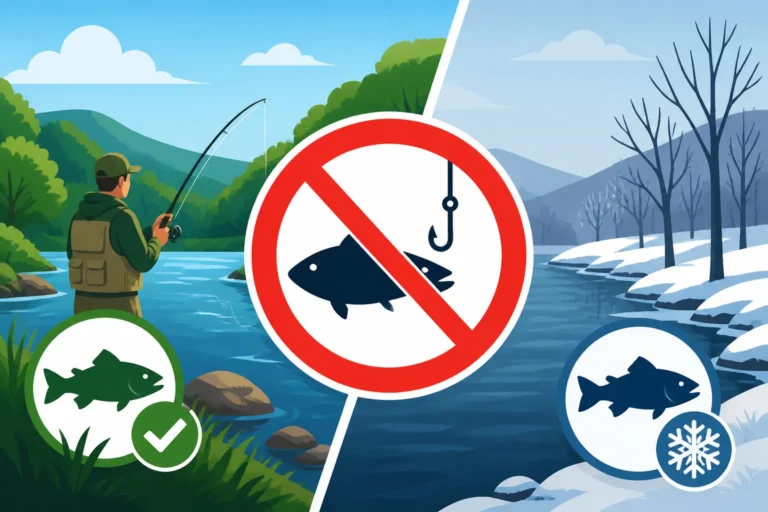
Many special regulation waters, particularly Trout Management Areas and similar conservation zones, also feature specific seasonal closures or bait restrictions that impact trout limits and possession. For instance, some sections might be closed to all fishing during certain months to protect spawning fish or newly stocked trout. Other areas might be open year-round but with specific rules that change seasonally.
A common restriction is "Artificial Lures or Flies Only," which aims to reduce deep hooking and improve catch-and-release survival rates. This means no worms, corn, PowerBait, or any other natural bait. If you show up with a container of nightcrawlers in an artificial-only section, you're breaking the rules, even if you intend to release everything. Additionally, some waters have very specific opening and closing dates for trout season, differing from the general statewide trout opening day. It's not uncommon for a section of a prime trout stream to be open for catch-and-release all winter, then have a restricted harvest period in spring, and then revert to catch-and-release. The details can be found in the Connecticut Trout Season and Stocking Rules and are crucial for planning your trips. Always verify the rules for your intended fishing spot before you go, as regulations are subject to change.
Species-Specific Considerations and Trout Stamp
Beyond the general and special area regulations, there are sometimes species-specific rules and additional requirements that anglers need to be aware of, especially when targeting certain types of trout or salmon. It's not just about how many fish, but sometimes which fish and what additional steps you've taken.
Salmon and Other Anadromous Fish
While most of the focus for "trout" limits is on brook, brown, and rainbow trout, Connecticut also manages populations of Atlantic Salmon. These magnificent anadromous fish, which spend part of their lives in the ocean before returning to freshwater to spawn, are distinct from typical trout and fall under very specific and often highly restrictive regulations. Generally, Atlantic Salmon caught in Connecticut waters must be immediately released. There are very few, if any, opportunities to harvest Atlantic Salmon, and when they do exist, they are highly publicized and come with their own set of daily and possession limits, which are usually much lower than for trout.
Anglers need to be able to identify Atlantic Salmon to avoid confusion with large brown or rainbow trout. Atlantic Salmon typically have a more streamlined body, fewer spots below the lateral line, and a deeply forked tail. If you're fishing in a river known for salmon runs, such as the Naugatuck or Shetucket, it’s particularly important to be vigilant about identification. Always assume a salmon is catch-and-release unless you are absolutely certain of an open season and possess the appropriate stamps and knowledge.
The Connecticut Trout and Salmon Stamp
Here's where an extra step comes in for many trout and salmon anglers: the Connecticut Trout and Salmon Stamp. This is not your basic fishing license; it's an additional endorsement that you must purchase if you intend to fish for or keep trout or salmon in Connecticut's waters. Think of it as an add-on that helps fund the state's trout and salmon stocking and management programs.
If you only plan to fish for species other than trout or salmon (like bass, pike, or panfish) or if you're fishing in waters specifically designated as catch-and-release for trout and salmon (where you have no intention of keeping any), you generally don't need the stamp. However, if you plan to keep even a single trout from any water, or fish in a water where keeping trout or salmon is permitted, you absolutely need this stamp. It's an affordable extra, but forgetting it can lead to a fine, even if you have a valid fishing license. Make sure to understand the full details of the Connecticut Trout and Salmon Stamp, Explained before your next outing. You can easily purchase it online through the CT DEEP website or at any authorized vendor.
Practical Tips for Staying Compliant and Angling Responsibly
Understanding the letter of the law is one thing, but practically applying it on the water can sometimes feel like a moving target. Fishing regulations can change, and the specific rules for your favorite spots might differ from what you remember last season. Responsible angling goes beyond just avoiding a fine; it’s about contributing to the health and sustainability of our cherished fisheries.
Always Check the Current Connecticut Fishing Guide
This is arguably the most crucial piece of advice for any angler in Connecticut. Fishing regulations are dynamic. They can change annually, sometimes even mid-season, based on biological assessments, stocking efforts, environmental conditions, or management decisions. Relying on outdated information from a few years ago or hearsay from a friend can lead to unintentional violations.
The official source for all regulations is the Reading the Connecticut Fishing Guide, published annually by the Connecticut DEEP. This guide is available for free online on the DEEP website as a downloadable PDF, and physical copies are usually available at tackle shops, town clerks' offices, and DEEP offices around the state. Before every fishing season, and ideally before you visit a new body of water, take the time to review the sections pertaining to your target species and location. Pay close attention to the general regulations as well as the special regulation sections for specific lakes, rivers, or streams. It’s a small investment of time that pays off in peace of mind and ethical angling. You can even keep a digital copy on your phone or print out the relevant pages to carry with you.
Measuring and Identifying Your Catch Accurately
With length limits often in play in special regulation waters, knowing how to accurately measure your fish is non-negotiable. The standard method for measuring fish in Connecticut is generally from the tip of the snout to the tip of the tail, with the tail compressed. Don't eyeball it; invest in a reliable measuring tape or board. Many tackle shops and online retailers like Amazon offer compact, waterproof measuring devices that are perfect for your tackle box or vest.
Equally important is accurate species identification. As mentioned, knowing the difference between a brook, brown, or rainbow trout is essential, and distinguishing a large trout from a salmon is critical in certain rivers. Misidentifying a fish could mean keeping a protected species or releasing a fish you were legally allowed to harvest, or vice-versa. If you're unsure, it's always best to err on the side of caution and release the fish. Take a quick photo if you want to identify it later, but prioritize the fish's health if it's going back in the water.
Ethical Angling and Conservation
Beyond the legal limits, responsible anglers understand that ethical practices are vital for conservation. This means making conscious choices about what and how you harvest. For instance, while the law might allow you to keep five trout, consider if you truly need that many. Selective harvesting—keeping smaller, younger fish and releasing larger, older breeding stock—can contribute positively to the overall health of a fishery.
When practicing catch and release, especially in special regulation areas, minimizing stress on the fish is paramount. Use barbless hooks or crimp down the barbs on your hooks to make hook removal easier and less damaging. Land fish quickly, handle them as little as possible with wet hands (dry hands can remove their protective slime layer), and keep them in the water as much as possible. A pair of forceps or needle-nose pliers from Amazon can be invaluable for quickly and safely removing hooks. If a fish is bleeding heavily or appears severely injured, it's often more humane to dispatch it and keep it (if legal) rather than releasing it only for it to die slowly.
Penalties for Violations and Common Pitfalls
Nobody wants to get a fishing ticket. The Connecticut DEEP's Environmental Conservation Police Officers are out there to protect the state's natural resources and ensure fair play for all anglers. While they generally prefer education, they won't hesitate to issue citations for violations. Understanding the potential consequences and common ways anglers fall short can help you avoid costly mistakes.
Understanding the Consequences
Exceeding the daily creel limit, possessing more than the legal number of trout, fishing in a closed area, using illegal bait or tackle, or fishing without the proper license or stamp can all lead to fines and penalties. While specific fine amounts can vary, they are often substantial. For example, a fine for fishing without a license or exceeding a daily limit can easily run into the hundreds of dollars, plus court costs. Repeated offenses or serious violations can even lead to the suspension of your fishing privileges.
It's not just about the monetary penalty. A violation can tarnish your record, cause significant inconvenience with court appearances, and potentially lead to the confiscation of your fishing gear. The hassle and cost far outweigh the minor perceived benefit of keeping a few extra fish or cutting corners on regulations. Always remember the potential financial and legal implications; they're very real. For more details on what happens if you fish without a license, check out Fishing Without a License in Connecticut: Penalties.
Avoiding Accidental Infractions
Many violations aren't malicious; they're simply due to a lack of knowledge or attention. One common pitfall is misunderstanding the difference between daily creel and possession limits, especially if you fish multiple days in a row and have previously caught fish at home. Another is simply not checking the specific regulations for a body of water. An angler might move from a general regulation stream to a Trout Management Area without realizing the rules have completely changed, leading to an accidental over-limit or using prohibited bait.
To avoid these "oops" moments, here are a few tips:
- Double-Check Everything: Before you head out, specifically review the regulations for the exact lake, pond, or stream you plan to fish. The interactive trout stocking map on the DEEP website can be a great resource for this, as it often links to specific regulations.
- Keep it Simple: If you're unsure, stick to general regulation waters, or fish purely catch-and-release.
- Ask Questions: Don't be afraid to ask experienced local anglers or staff at reputable bait and tackle shops. They often have firsthand knowledge of current regulations and local nuances.
- Physical Guide: Consider keeping a small, waterproof copy of the relevant pages from the Connecticut Angler's Guide in your tackle box, or have the PDF readily accessible on your phone. You can even find laminated, compact regulation cards for sale on Amazon.
By being diligent and proactive, you can ensure your time on the water is enjoyable and fully compliant with Connecticut's trout limit and possession rules.
Disclaimer
The information provided in this guide is for general informational purposes only and is not intended as legal advice. Fishing regulations in Connecticut are subject to change. Always consult the most current official Connecticut Angler's Guide published by the Connecticut Department of Energy and Environmental Protection (DEEP) before engaging in any fishing activities.