Connecticut Farmington River Trophy Trout Stream Rules
Oh, the Farmington River! If you've spent any time at all dreaming of big, beautiful trout here in Connecticut, you've undoubtedly heard whispers about the Farmington, especially its renowned "Trophy Trout Stream" sections. But let's be real, trying to figure out the exact rules for these special waters can feel like deciphering an ancient scroll. It’s not just about throwing a line in; it's about understanding a specific set of regulations designed to protect and grow those lunker trout. This guide is here to untangle all that confusion, breaking down exactly what you need to know to fish the Farmington's trophy waters legally and successfully.
What Makes the Farmington River a Trophy Trout Stream?
The Farmington River holds a special place in the hearts of Connecticut anglers, and for good reason. It's not just another river; it's a celebrated ecosystem managed with a specific goal in mind: to produce and sustain large, healthy trout, offering a truly exceptional fishing experience. This isn't a designation given lightly; it comes with significant efforts from the Connecticut Department of Energy and Environmental Protection (DEEP) and a commitment from anglers to uphold strict regulations.
The DEEP Designation and Its Purpose
When the Connecticut DEEP designates a section of river as a "Trophy Trout Stream," it's a signal that this area is managed differently than your typical stocked trout stream. The primary purpose behind this designation is to create and maintain conditions that allow trout, particularly brown and rainbow trout, to grow to impressive sizes and live longer lives. This means a focus on habitat improvement, strategic stocking, and, most importantly, specific fishing regulations that promote catch-and-release and reduce mortality. The goal isn't just to have fish, but to have trophy-sized fish that provide a challenging and rewarding experience for anglers. These areas often boast excellent water quality, abundant insect life, and structural diversity, all contributing to a rich environment where trout can thrive. It’s a deliberate effort to cultivate a world-class fishery right here in our backyard.
Distinct Differences from General Trout Waters
So, how exactly do these trophy sections differ from the general trout management areas or typical stocked ponds you might find elsewhere in Connecticut? The core difference lies in the management philosophy and the resulting angling experience. In many general trout waters, the emphasis is often on providing a put-and-take fishery, where fish are stocked in larger numbers for anglers to harvest. While these provide fantastic opportunities for a family outing or to stock your freezer, they aren't designed for sustained populations of large, wild-like fish.
Trophy Trout Streams, on the other hand, are designed to mimic a more natural, wild trout fishery, even if they rely on stocking. The fish stocked here are often larger to begin with, and the regulations ensure that many of them survive multiple seasons, growing larger each year. This means you're more likely to encounter mature, wary fish that have seen a few flies or lures in their day, making the fishing more challenging but also incredibly rewarding. The success of these programs, like those seen on the Farmington River, contributes to the overall health and diversity of fishing opportunities in the state. For a broader understanding of how these special rules fit into the state's fishing framework, you might want to read our guide on Connecticut Fishing Regulations Explained.
Deciphering the Specific Regulations
Now, let's get down to the nitty-gritty: the actual rules you'll encounter in the Farmington River's Trophy Trout Stream sections. It's crucial to understand these regulations before you even tie on your first fly or lure. Deviating from them can not only lead to fines but can also harm the very fishery we're all trying to protect. These aren't just arbitrary rules; they're scientifically designed to ensure the survival and growth of those sought-after trophy trout.
Tackle and Bait Restrictions: What's Allowed and What's Not
Perhaps the most significant difference you'll find in Farmington River Trophy Trout Stream sections compared to general waters is the strict limitation on tackle and bait. Forget your bucket of worms or your favorite scented plastics; these areas are designated "Catch-and-Release Only" for the most part, and that often comes with limitations on what you can use.
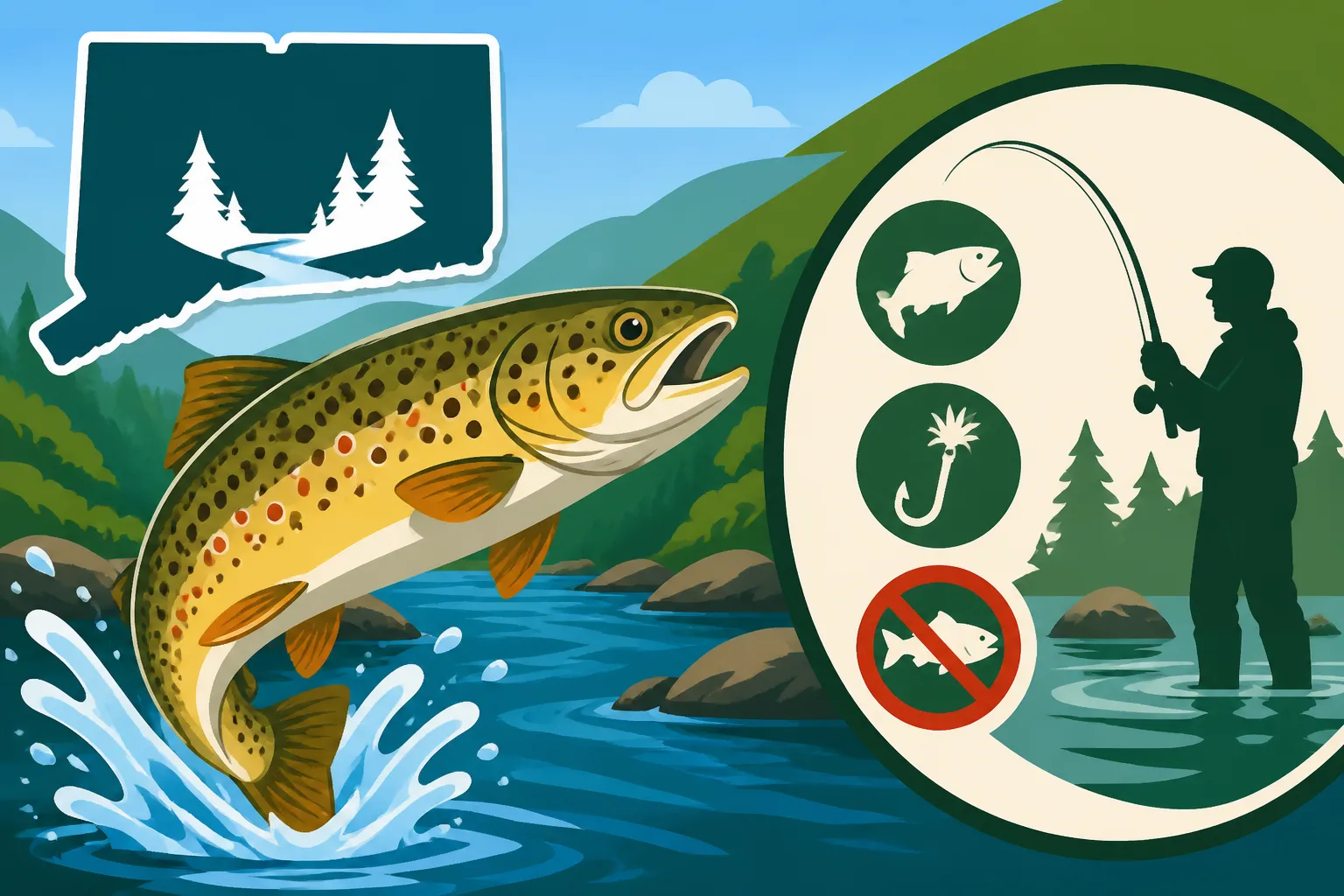
Generally, fishing in these special areas is restricted to artificial lures and flies only. This means no live bait, no dead bait, no bait of any kind that's natural or artificially scented. The reason is simple: fish caught on natural bait, especially when swallowed deeply, have a much lower survival rate upon release. Artificial lures and flies, when properly used, tend to hook fish in the mouth, making for easier and safer unhooking.
Even within artificials, there's another key rule: single, barbless hooks are usually mandatory. If your lure or fly comes with a barbed hook, you must pinch down the barb with pliers. This is another measure to minimize trauma to the fish. A barbless hook slides out much cleaner and faster, greatly increasing the fish's chances of survival. You can find pre-made barbless hooks and a variety of pinching tools, like small needle-nose pliers, on platforms like Amazon, making it easy to convert your gear. You can find more details about tackle and lure rules specific to trout management areas in our article on Connecticut Trout Management Area Regulations.
Size and Creel Limits: The "Trophy" Standard
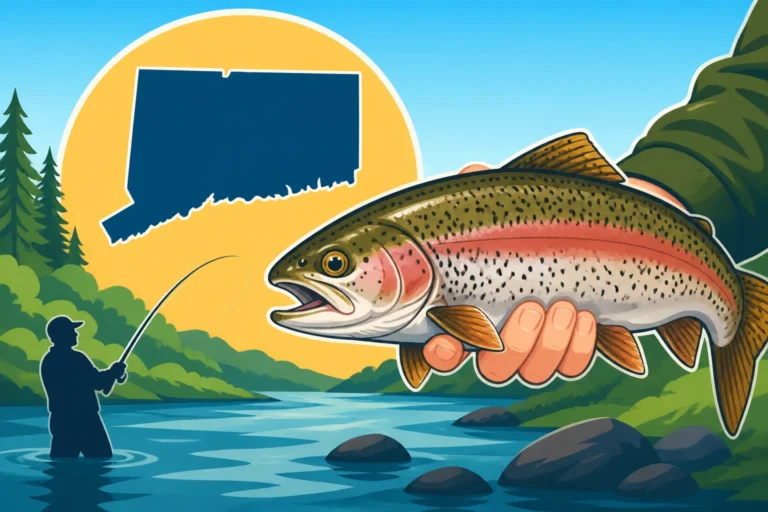
This is where the "Trophy" part of the designation really comes into play. In most of the Farmington River's designated Trophy Trout Stream sections, the rules are primarily geared towards catch and release to allow fish to grow. For example, specific stretches of the Farmington, such as the famous West Branch from the Goodwin Dam downstream to the first bridge on Route 318 in Pleasant Valley, are typically designated as Trout Management Areas (TMAs) with special regulations that often include catch-and-release only rules for trout. This means you can't keep any trout, regardless of size. The whole point is to let them grow huge!
Even in sections that might allow for some limited harvest, the size and creel limits are incredibly restrictive, often much higher minimum sizes than general waters (e.g., 16 inches or more) and very low daily limits (e.g., 1 fish per day). This ensures that only the largest, most mature fish are ever removed from the population, allowing younger fish to reach their full potential. Always double-check the most current Connecticut Angler's Guide or the DEEP website for the exact regulations for the specific section of the Farmington River you plan to fish, as these can be updated annually. Understanding the nuances of Connecticut Trout Limit and Possession Rules is absolutely critical before your trip.
Open Seasons and Fishing Hours
One of the great joys of fishing the Farmington River's Trophy Trout Stream sections is that many of them are open to fishing year-round. Unlike many general trout waters that close for periods, these special areas often provide consistent angling opportunities through all four seasons. This allows dedicated anglers to pursue trout even in the depths of winter or the heat of summer.
However, "year-round" doesn't necessarily mean "all hours." While fishing is generally permitted from sunrise to sunset in most areas, always be aware of any specific local ordinances or private property restrictions that might dictate fishing hours. Some specific access points, particularly those managed by state parks or forests, might have gate closures or specific operating hours that could impact your access to the river. It's always a good practice to consult the DEEP's official guide, the Connecticut Angler's Guide, which you can usually find online or pick up at a local tackle shop. Getting familiar with Reading the Connecticut Fishing Guide will save you a lot of headaches and ensure a legal, enjoyable trip.
Navigating the Farmington River's Regulated Sections
The Farmington River isn't just one long, uniform stretch of water. It flows through various towns, offering diverse characteristics and, yes, different regulatory zones. Knowing where the Trophy Trout Stream rules apply is just as important as knowing what the rules are. Missing this detail can lead to accidental violations, so let's break down the key areas.
Upper Farmington: The West Branch and Its Specialties
When people talk about the "Farmington River Trophy Trout Stream," they are almost invariably referring to the West Branch of the Farmington River. This section is the crown jewel of Connecticut trout fishing, particularly the stretch from the base of the Goodwin Dam in Hartland/Colebrook, flowing downstream through the towns of Riverton and Pleasant Valley.
The most famous and intensely managed segment of the West Branch starts below the Goodwin Dam and extends approximately 4.5 miles downstream to the Route 318 bridge in Pleasant Valley. This entire stretch is typically under the most stringent special regulations, often designated as a "Trout Management Area" (TMA) where catch-and-release, artificial lures, and single barbless hooks are strictly enforced. This particular section benefits from cold, consistent flows released from the bottom of the Goodwin Dam, providing ideal conditions for trout even during the warmer summer months. Key access points in this upper stretch include popular spots like Hogback, Church Pool, and the permanent fishing platforms around the state-owned property in Riverton. These spots are often bustling with anglers, particularly during peak seasons, all eager to tangle with a Farmington River leviathan. If you're looking for more specific information on this phenomenal stretch, our article on Farmington River West Branch Trout Fishing offers a deeper dive.
Lower Farmington: Downstream Opportunities and Challenges
While the West Branch above Pleasant Valley gets most of the "Trophy Trout Stream" fame, the Farmington River continues its journey downstream, and there are other excellent trout fishing opportunities, though the regulations might shift. Once the West Branch merges with the main stem of the Farmington, the river broadens and warms slightly. Downstream of the Route 318 bridge in Pleasant Valley, the river transitions into different regulatory zones.
For instance, the section from the Route 177 bridge in Unionville downstream to the town of Collinsville is often designated as a "Trout Management Area" (TMA) but might have slightly different rules than the upper West Branch. While still managed for quality trout, these sections might allow for limited harvest of trout above a certain size, or have different restrictions on bait. It's crucial to consult the official Connecticut Angler's Guide for the precise boundaries and regulations of each section. These downstream areas still offer fantastic fishing, especially for anglers who prefer spin fishing or are looking for a slightly less crowded experience. However, the consistent cold water that defines the upper West Branch becomes less prevalent, making summer fishing in these lower stretches more challenging as water temperatures rise. Always remember to check water temperatures in warmer months and consider giving the fish a break if the water gets too warm (typically above 68-70°F), as catch-and-release mortality increases significantly.
Essential Gear and Best Practices for Trophy Trout Anglers
Fishing for trophy trout in the Farmington River isn't just about knowing the rules; it's about having the right tools and, perhaps more importantly, the right mindset. These are special fish in special places, and your approach needs to reflect that.
Rods, Reels, and Lines: Matching Your Setup to the River
When you're targeting those wary Farmington River trout, your gear needs to be up to the task without being overkill. Precision and presentation are key, whether you're fly fishing or spin fishing.
For fly anglers, a lightweight setup is typically preferred. A 3-weight to 5-weight fly rod, around 8.5 to 9 feet long, paired with a matching reel and floating line, is the standard. This allows for delicate presentations of small dry flies, nymphs, and even streamers. Many anglers fishing the Farmington will carry a variety of lines or spools, including sinking tips for nymphing deep pockets or swinging streamers. Having a good leader and tippet selection, often in fluorocarbon, is crucial for fooling these educated fish. Sizes from 4X to 6X are common, with even lighter tippets for finicky fish and small flies. If you're just getting into fly fishing or need to restock your fly box with proven patterns, online retailers like Amazon offer a vast selection of fly patterns and fly tying materials. Learning to Fly Fishing for Trout in Connecticut is an art that truly shines on a river like the Farmington.
Spin anglers should opt for ultra-light or light-action spinning rods, typically 6 to 7 feet in length. Pair this with a small, high-quality spinning reel spooled with 4-6 pound test monofilament or fluorocarbon line. Braided line can also be used, but a fluorocarbon leader is highly recommended for its stealth and abrasion resistance. The emphasis here is on casting light lures with precision and being able to detect subtle bites. Small inline spinners, spoons, and soft plastic baits rigged on jig heads are effective, provided they meet the "artificial lures only" and "single barbless hook" requirements. Remember, you'll need to pinch down the barbs on any lures that come with them.
Ethical Angling and Catch and Release Techniques
The Farmington River's Trophy Trout Stream designation relies heavily on the ethical practices of anglers, particularly proficient catch-and-release techniques. It’s not enough to simply not keep a fish; you need to ensure that fish swims away healthy and ready to grow even bigger.
Here are some best practices for catch and release:
- Minimize Fight Time: Bring the fish in as quickly as possible without over-stressing your tackle. Long, drawn-out fights can exhaust a fish, making it harder for them to recover.
- Keep 'Em Wet: The absolute golden rule. Never, ever lay a trout on dry ground or squeeze it tightly with dry hands. Keep the fish in the water as much as possible. If you need to handle it, wet your hands thoroughly beforehand.
- Use a Rubber Net: A knotless, rubberized landing net is ideal. It protects the fish's slime coat and fins much better than traditional knotted nylon nets, which can strip away protective mucus and damage delicate fins. You can easily find these on Amazon or at any well-stocked fishing store.
- Quick Hook Removal: With barbless hooks, removal should be swift and easy. Use forceps or a hemostat to gently back out the hook. If a fish is deeply hooked, especially in the gills, it's often best to cut the line as close to the hook as possible and release the fish. Trying to extract a deeply lodged hook can cause more harm.
- Revive, Don't Release Prematurely: Hold the fish gently in the current, facing upstream, until it can swim away under its own power. Don't simply toss it back. If it rolls over, continue holding it upright until it regains strength.
These practices are not just suggestions; they are vital to the success of the Trophy Trout Stream program and ensuring a vibrant fishery for all.
Maximizing Your Farmington River Experience
The Farmington River is a dynamic environment, constantly changing with the seasons and weather. To truly maximize your experience and your chances of success, understanding these nuances and leveraging available resources is paramount.
Seasonal Strategies and Water Conditions
Fishing the Farmington River is a year-round affair, but the tactics and the fishing itself will vary dramatically depending on the season and prevailing water conditions.
- Spring: This is prime time, especially after the annual stockings. Trout are active, and water flows are often higher. Early spring can mean nymphing or fishing streamers, while late spring sees the emergence of various insects, bringing trout to the surface for dry flies. Watch the Connecticut Trout Season and Stocking Rules to know when the fresh fish arrive!
- Summer: As temperatures rise, the cold-water releases from Goodwin Dam become critical for trout survival in the upper West Branch. Focus on early mornings, late evenings, and cooler, overcast days. Terrestrial patterns (like grasshoppers and ants) become effective, as do light nymphing rigs in deeper, oxygenated pools. In lower, warmer sections, it's often best to avoid fishing entirely during hot spells to prevent undue stress on the fish.
- Fall: Many anglers consider fall to be the best time for trophy trout. Brown trout become more aggressive as they prepare to spawn, and water temperatures are ideal. Streamers and larger nymphs can be incredibly effective, and you might still find some late-season dry fly action. The vibrant foliage adds to the overall beauty of a fall fishing trip.
- Winter: Don't put your gear away! Winter fishing on the Farmington can be surprisingly productive, especially on milder days. Trout are less active, but they still feed. Slow, deep nymphing is the name of the game, as fish often hold in slower currents and deep pools. Dressing warmly in layers is essential for comfort.
Always check current water levels and temperatures before heading out. The DEEP website often provides real-time streamflow data, which can be invaluable for planning your trip.
Consulting Resources and Local Knowledge
You're not alone in trying to figure out the Farmington River. A wealth of information and experience is available, both online and in person.
- Official DEEP Resources: The Connecticut DEEP website is your primary source for the most up-to-date regulations, stocking schedules, and river conditions. Always download or consult the latest Connecticut Angler's Guide. This is where you'll find the definitive word on all rules, including those for special management areas.
- Local Tackle and Fly Shops: These establishments are treasure troves of local knowledge. Shops like UpCountry Sportfishing in Pine Meadow (right on the Farmington!) or House of Kent in Kent (closer to the Housatonic, but a great resource for general CT fly fishing) are staffed by experienced anglers who know the river intimately. They can tell you what flies are working, where the fish are holding, and what the current conditions are like. Don't be shy about asking for advice – many anglers love to share their passion. You can also pick up any last-minute gear, from leaders to specific fly patterns, often curated for local conditions.
- Online Forums and Social Media Groups: Many dedicated Connecticut fishing forums and Facebook groups are active, where anglers share reports, photos, and advice. While these can be a great source of informal information, always cross-reference anything you hear with official DEEP regulations.
- Professional Guides: If you're serious about learning the river quickly or want to target a specific species or technique, consider hiring a local guide. They can provide invaluable insights, teach you proper techniques, and put you on fish. This can be particularly beneficial for learning the nuances of a complex river like the Farmington. For those considering guided experiences, our article on Best Fly Fishing Guides in Connecticut could be a great starting point. Ultimately, the more you learn, the better your chances are of having a truly memorable day on the water, pursuing those elusive Farmington River trophies. Knowing the Best Time of Year to Fish in Connecticut can also greatly improve your success rate.
Key Regulations for Farmington River Trophy Trout Streams
To make things a little easier to digest, here's a quick reference table summarizing the typical regulations you'll encounter in the Trophy Trout Stream sections of the Farmington River. Remember, always consult the current Connecticut Angler's Guide for the definitive and most up-to-date rules.
| Feature | General CT Trout Water (Example) | Farmington River Trophy Trout Stream (Typical) |
|---|---|---|
| Bait Allowed | Live bait, dead bait, artificial lures | Artificial lures and flies only |
| Hook Type | Barbed hooks allowed | Single, barbless hooks only |
| Creel Limit (Daily) | 5 trout (check specific water) | Often Catch-and-Release Only (0 fish) |
| Minimum Length | 9 inches (check specific water) | N/A (for C&R) or 16+ inches for limited harvest |
| Season | Varies, often closes seasonally | Year-round fishing |
| License Required | Yes | Yes, plus CT Trout and Salmon Stamp |
This table highlights the significant differences, reinforcing why the Farmington's trophy sections demand a different approach. Remember, every angler fishing for trout in Connecticut, including the Farmington, needs a valid Connecticut fishing license. For resident and non-resident anglers, this also includes purchasing the Connecticut Trout and Salmon Stamp, Explained. This stamp directly supports the state's trout management and stocking programs.
Disclaimer
Please be aware that fishing regulations are subject to change. Always consult the official Connecticut Department of Energy and Environmental Protection (DEEP) website and the current Connecticut Angler's Guide before engaging in any fishing activities. This guide is for informational purposes only and does not supersede state regulations.