Connecticut Trout Management Area Regulations
Trying to understand the intricate web of Connecticut fishing regulations can feel like trying to untangle a particularly stubborn fishing knot. It's frustrating when you just want to enjoy a peaceful day on the water, but you're constantly worried about whether your bait choice or creel limit is within the rules, especially when it comes to specific areas. This guide is here to demystify the regulations surrounding Connecticut's cherished Trout Management Areas (TMAs), so you can fish with confidence and truly appreciate these special waters.
What Exactly is a Trout Management Area (TMA)?
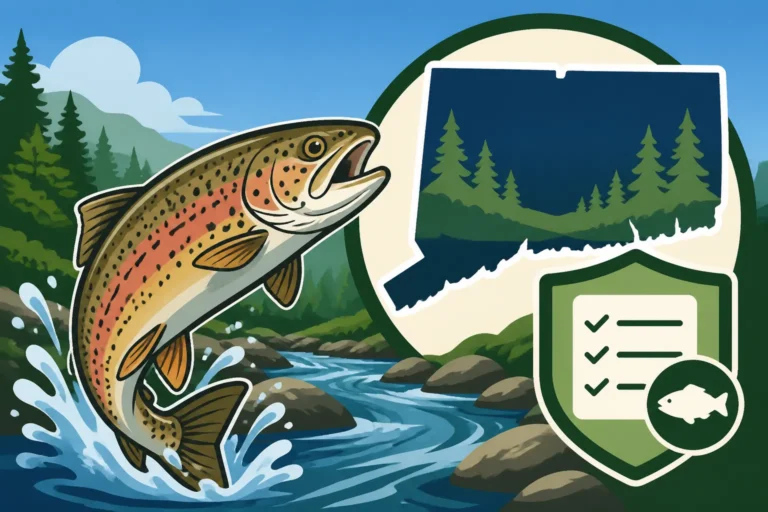
Connecticut's Trout Management Areas, or TMAs, are special sections of rivers and streams that the Department of Energy and Environmental Protection (DEEP) designates for enhanced trout fishing opportunities. Unlike general open waters, these areas often feature unique regulations designed to create different types of fishing experiences, from catch-and-release fly fishing to more traditional harvest-oriented sections. It’s all about balancing angler access with protecting the resource, particularly for wild and holdover trout populations.
The Purpose Behind TMAs
The primary goal of establishing TMAs is to provide diverse, high-quality trout fishing. For anglers who love the challenge of consistent action, many TMAs are heavily stocked throughout the year, far beyond the typical schedule for other streams. But it's not just about quantity; many TMAs also aim to foster a healthy population of larger, wilder, or "holdover" trout that survive from one season to the next, offering a more rewarding experience. This can mean specific rules that promote catch-and-release to let those fish grow, or restrictions on tackle to minimize harm.
Think of it this way: some anglers are looking for a relaxing day catching dinner, while others seek the thrill of tricking a wary, mature brown trout on a tiny fly. TMAs are designed to cater to both, creating distinct zones where different approaches thrive. They concentrate management efforts, making it easier for DEEP to tailor stocking and regulation strategies to specific sections of rivers, providing a varied experience across the state. This focused approach helps maintain ecological balance while maximizing recreational value for all types of trout enthusiasts.
Identifying Connecticut's Major TMAs
Connecticut is blessed with several fantastic TMAs, each offering its own character and challenges. You've likely heard of, or even fished, some of the big names. The Farmington River West Branch is perhaps the most renowned, stretching from the Goodwin Dam in Hartland down to Canton. It's famous for its abundant trout and diverse regulations that change along its length. Similarly, the Housatonic River Trout Management Area, particularly the section from Falls Village to its confluence with the Still River, is another gem, known for its incredible scenery and robust trout populations, including wild brown trout.
Other significant TMAs include sections of the Salmon River in Colchester, the Natchaug River in Eastford, the Shetucket River in Windham, and the Willimantic River in Coventry and Windham. Each of these offers unique fishing opportunities, from wide, flowing stretches to smaller, more intimate runs. It’s crucial to know exactly which river and which specific section you are fishing, as the rules can change literally from one bridge to the next. Always check the official Connecticut Fishing Guide or the Connecticut Interactive Trout Stocking Map, Explained for the most current boundaries and regulations before heading out.
The Difference Between TMAs and Other Trout Waters
The biggest distinction between a TMA and other trout-stocked waters is the intensity and specificity of management. In many general trout waters, you'll find a standard open season, specific catch limits, and pretty broad tackle allowances. They're great, don't get me wrong, but they offer a more uniform experience. TMAs, on the other hand, often have extended seasons, different daily creel limits (sometimes even year-round catch-and-release), and strict gear restrictions like "fly fishing only" or "artificial lures only."
This specialized management allows TMAs to sustain higher densities of trout, often including larger fish, and to provide more consistent fishing throughout the year, even outside the traditional spring stocking frenzy. For instance, while most trout streams might close by late fall or early winter, many TMAs remain open with catch-and-release rules, extending the season for dedicated anglers. This distinction means that if you're venturing into a TMA, you absolutely need to be aware of the specific rules governing that particular section, as they deviate significantly from the general statewide trout regulations detailed in the Connecticut Trout Season and Stocking Rules guide. Ignoring these differences could lead to a less-than-pleasant encounter with a DEEP conservation officer.
General Regulations You Need to Know in TMAs
While each Trout Management Area has its own specific quirks, there are overarching themes in their regulations that are essential to understand. These usually involve specific season dates, rules about what kind of tackle and bait you can use, and how many fish you're allowed to keep, if any at all. It’s never a "one size fits all" situation, which is why paying close attention to the details is so important.
Season Dates and Fishing Hours
One of the great benefits of many TMAs is their extended season. While most regular trout streams in Connecticut have a defined "Opening Day" in April and then a general season that typically runs through the end of October, many TMAs offer year-round fishing, often with specific regulations changing seasonally. For instance, a TMA might allow harvest during certain months but then transition to mandatory catch-and-release for the colder periods. This allows dedicated anglers to enjoy a longer fishing calendar, especially those who appreciate the quiet solitude of winter trout fishing.
Fishing hours usually align with daylight hours, but it's always wise to double-check. The key takeaway here is that you can't assume a TMA follows the general statewide season. You might be able to fish a TMA in December when other streams are closed, but you might also find that specific sections have different opening and closing dates for harvest versus catch-and-release. Always check the official guide for the specific TMA you plan to visit to avoid any confusion about when you can legally wet a line.
Tackle and Bait Restrictions
This is where TMAs really diverge from general trout waters and can cause some head-scratching if you're not prepared. Many TMAs, or specific sections within them, have strict tackle and bait restrictions designed to protect the trout, particularly in catch-and-release areas where fish are handled and released repeatedly. You'll frequently encounter "Artificial Lures Only" rules, meaning no live bait, no scented plastics, and sometimes even a ban on soft plastics altogether. Furthermore, "Fly Fishing Only" sections are common, where only flies tied on single, barbless hooks are permitted.
These restrictions are put in place for good reason: to reduce mortality of released fish. Live bait can be swallowed deeply, leading to internal injuries, while barbed hooks can cause significant tissue damage. If you're heading to a TMA, don't just grab your worm bucket and a handful of PowerBait. Make sure you have the right gear. For fly fishing only sections, a basic fly rod, reel, line, and a selection of local fly patterns are essential. For artificial lure sections, spinners, small spoons, and hard body lures work well. Some anglers even switch out factory treble hooks for single, barbless hooks to comply with specific TMA regulations or simply to be better stewards of the resource. You can often find a great selection of these specialized lures and hooks on platforms like Amazon if your local tackle shop doesn't have exactly what you need.
Catch Limits and Harvest Rules
Perhaps the most variable aspect of TMA regulations is the catch limit and whether harvest is permitted at all. While most general trout waters in Connecticut have a daily creel limit (e.g., 5 trout per day, sometimes with a minimum length), many TMAs have much more restrictive rules. It’s not uncommon to find "Catch-and-Release Only" sections, particularly on high-quality rivers like the Farmington or Housatonic, where all trout caught must be immediately and carefully returned to the water. These areas are truly about the sport of fishing, not the harvest.
Even in TMAs where harvest is allowed, the daily limits might be lower, or there might be specific slot limits in place (e.g., you can keep fish within a certain size range, but not smaller or larger trophy fish). The intent is often to protect larger, breeding fish or to allow younger fish to grow. Understanding these nuances is critical. For a comprehensive overview of statewide trout limits, you can refer to the Connecticut Trout Limit and Possession Rules guide, but always remember to cross-reference with the specific TMA rules, as they almost always override the general regulations. Carrying a tape measure and knowing how to quickly identify the species you've caught are essential tools for any angler in a TMA.
Navigating Special Regulation Trout Management Areas
Within the broader category of TMAs, there are often even more specific designations that dictate exactly how and what you can fish for. These special regulation areas are where attention to detail really pays off. They are designed to create very particular fishing environments, from fostering truly wild populations to providing a challenging experience for advanced anglers.
Catch-and-Release Only Waters
These are perhaps the most popular and celebrated types of TMAs among dedicated trout anglers. As the name implies, any fish caught in these designated sections must be immediately released back into the water unharmed. These areas are typically found on rivers with strong holdover populations or where the goal is to grow truly large trout. The intent is to allow fish to mature, reproduce, and provide a continuous challenge for anglers throughout the season.
Fishing in catch-and-release only waters requires a different mindset and specific techniques. Anglers are usually encouraged to use single, barbless hooks to minimize damage to the fish. When you land a fish, it’s crucial to handle it gently, keeping it in the water as much as possible, and releasing it quickly. Wetting your hands before touching a fish helps protect its slime coat, which is vital for its health. You'll find sections like this within the Farmington River and the Housatonic River TMAs, offering incredible opportunities for those who prioritize the experience over the creel. For more detailed insights on ethical practices, check out guides on Connecticut Catch and Release Fly Fishing Only Waters.
Fly Fishing Only Sections
Taking the restrictions a step further, "Fly Fishing Only" sections are exactly what they sound like: only artificial flies may be used as bait, and typically, these must be presented with a fly rod and fly line. These zones are often found within or alongside catch-and-release areas, further enhancing the challenge and traditional aspects of trout fishing. They appeal to purists and those who appreciate the art and skill involved in fly casting and presenting delicate imitations of insects.
If you're new to fly fishing, venturing into one of these areas is a fantastic way to hone your skills, but make sure you have the right setup. A 4- to 6-weight fly rod is generally sufficient for most Connecticut trout, paired with a matching reel and floating line. You’ll need a selection of flies, from nymphs and streamers to dry flies, depending on the time of year and insect hatches. Brands like Orvis or Redington offer excellent starter fly fishing kits that you can often find on Amazon, making it easier to get into the sport. Remember, no spinning rods, no bait, no scented lures – just feathers and fur tied onto a hook. These specialized sections are often highlighted on the official Reading the Connecticut Fishing Guide maps.
Artificial Lures Only Areas
These sections offer a middle ground between fly fishing only and general regulations, making them popular with spin anglers who still want to protect the resource. In "Artificial Lures Only" TMAs, you can use spinning or baitcasting gear, but your bait must be a man-made lure with no added scent or organic components. This means no worms, no corn, no PowerBait, no fish eggs, and usually no soft plastic baits that might be mistaken for food. The idea is to ensure that fish strike out of aggression or curiosity, rather than hunger, making them less likely to swallow the hook deeply.
Common lures that are perfectly legal and effective in these areas include small inline spinners (Mepps, Panther Martin), spoons (Kastmaster, Little Cleo), stickbaits, and small crankbaits. Again, using single, barbless hooks is often recommended or even mandated. These areas provide a great opportunity for anglers who prefer conventional tackle but still want to engage in ethical, conservation-minded fishing for strong, healthy trout. Always check if treble hooks are allowed or if single hooks are required. If you're not sure, it's safer to use single, barbless hooks, which you can easily swap out on most lures.
Essential Gear and Best Practices for TMA Anglers
Venturing into a Trout Management Area requires not just knowledge of the rules, but also a thoughtful approach to your gear and your behavior on the water. These are special places, and treating them with respect ensures they remain productive and enjoyable for everyone. Having the right tools and knowing how to use them responsibly can make all the difference.
Recommended Tackle and Lures for TMAs
Given the specific restrictions often found in TMAs, choosing your tackle wisely is paramount. If you're in a "Fly Fishing Only" section, a lightweight fly rod (typically 3 to 5 weight) paired with a matching reel is standard. Your fly box should contain a variety of patterns:
- Nymphs: Pheasant Tail, Hare's Ear, Caddis Larva, and Copper John are staples.
- Dry Flies: Adams, Caddis, Parachute Adams for matching hatches.
- Streamers: Woolly Buggers (black, olive, white) for aggressive trout.
For "Artificial Lures Only" sections, a light spinning rod (6' to 7' long, ultralight to medium-light power) with a small spinning reel spooled with 4-6 lb test monofilament or fluorocarbon is ideal. Productive lures include:
- Inline Spinners: Sizes #0 to #2 in silver, gold, or black. Brands like Mepps and Panther Martin are consistent performers.
- Small Spoons: 1/16 to 1/8 oz in silver, gold, or flashy colors. Kastmaster is a popular choice.
- Small Crankbaits/Jerkbaits: Shad or minnow imitations.
- Jigs: Small marabou or soft plastic (if allowed) jigs under a float.
Remember, many TMAs emphasize single, barbless hooks. You can find replacement hooks, often in bulk, on platforms like Amazon, allowing you to easily convert your favorite lures. Having a pair of forceps or needle-nose pliers is also crucial for quick, safe hook removal.
| TMA Type | Allowed Tackle | Common Lures/Flies | Key Restrictions |
|---|---|---|---|
| Catch-and-Release | Fly, Spin, Baitcast (depending on other rules) | Varies, but often requires barbless hooks | All fish must be immediately released |
| Fly Fishing Only | Fly Rod & Reel, Fly Line | Nymphs, Dry Flies, Streamers | Only artificial flies, no bait or lures |
| Artificial Lures Only | Spin, Baitcast, Fly | Spinners, Spoons, Crankbaits, Jigs, Flies | No live bait, no scented lures, often barbless hooks |
| General TMA | Often broader, but check specifics | Varies, usually allows more options but restricted | Daily limits, minimum lengths, specific seasons |
Wading Safety and Stream Etiquette
Fishing in TMAs often involves wading, especially in river and stream environments. Safety is paramount. Invest in a good pair of waders and wading boots with felt soles or stud-enhanced rubber soles for better grip on slippery rocks. Always use a wading staff, especially when exploring new sections of a river, to test depth and footing. Never wade beyond your comfort zone, and be mindful of strong currents, particularly after heavy rains. The Connecticut Safe Boating Certificate Requirement is important for boaters, but understanding water safety is crucial for waders too.
Etiquette is equally important in these often-busy waters. Give fellow anglers plenty of space. If someone is already fishing a pool or run, find another spot or politely ask if you can fish upstream or downstream without crowding them. Avoid splashing loudly or disturbing the water more than necessary, as this can spook fish for others. When moving through the water, try to be quiet and deliberate. If you encounter another angler, a friendly nod or a quiet "good morning" is usually appreciated.
Protecting the Resource: Catch and Release Techniques
In TMAs, especially catch-and-release sections, the emphasis is heavily on protecting the fish so they can be caught another day. This means practicing proper catch and release techniques.
- Minimize Fight Time: Land the fish as quickly as possible to reduce stress.
- Wet Hands: Always wet your hands thoroughly before touching a fish to protect its delicate slime coat, which is its primary defense against disease.
- Keep Fish in Water: If possible, unhook the fish while it's still in the water. Use forceps or needle-nose pliers to quickly remove the hook.
- Barbless Hooks: Crimp down the barbs on your hooks. This makes removal much easier and less damaging to the fish. You can buy barbless hooks or easily pinch down barbs on existing hooks with pliers.
- Support, Don't Squeeze: If you must lift the fish for a photo, support its body horizontally with both hands, one near the tail and one gently under the belly, never squeezing its midsection or gills.
- Revive Gently: If the fish seems sluggish, hold it upright in the current, facing upstream, until it swims away under its own power. Don't pump it back and forth; this can actually push water backward through its gills.
By following these practices, you contribute to the health and vitality of Connecticut’s trout populations, ensuring these amazing resources endure for future generations of anglers.
Common Misconceptions and Troubleshooting TMA Rules
The complex nature of TMA regulations can lead to some common misunderstandings. It's easy to assume things based on general state rules, but that's where anglers can get into trouble. Being proactive about understanding the specifics can save you a headache and ensure you're compliant with all the necessary legal requirements.
The Annual Trout and Salmon Stamp Requirement
A frequent question anglers have, especially when planning to fish trout-stocked waters or TMAs, is whether they need a special stamp in addition to their regular fishing license. Yes, you do! In Connecticut, if you plan to fish for trout or salmon in any waters, you are required to purchase a Connecticut Trout and Salmon Stamp, Explained in addition to your valid Connecticut fishing license. This stamp is not just for specific TMAs; it applies to all waters where you target trout or salmon, whether stocked or wild.
Many anglers mistakenly believe that if they are only fishing catch-and-release, or in a "fly fishing only" section, the stamp isn't necessary. This is incorrect. The stamp is a mandatory requirement for anyone fishing for trout or salmon, regardless of the specific area's regulations or whether you intend to keep fish. The funds generated from these stamps go directly back into the trout and salmon stocking programs and habitat restoration efforts by the DEEP, so it's a vital contribution to the resource we all enjoy. Ensure you have your current Connecticut fishing license (you can find details in the Connecticut Fishing License Guide for 2026) and your Trout and Salmon Stamp before heading out.
Checking for Real-Time Regulation Updates
One of the most frustrating aspects of fishing regulations is that they can change. While the general rules for TMAs are usually consistent year-to-year, minor adjustments to season dates, creel limits, or even specific section boundaries can occur. Relying solely on an old printed guide from last year can lead to unintentional violations. The best way to stay current is to regularly consult the official DEEP website. They typically publish the updated Connecticut Angler's Guide annually, and any emergency closures or changes will be announced there.
You can also often find physical copies of the latest Angler's Guide at bait and tackle shops throughout the state, especially those near popular fishing destinations. Local shops are invaluable resources for up-to-the-minute information, as they deal with these regulations daily and often have direct communication with DEEP. Before you embark on your trip, make it a habit to do a quick online search for "Connecticut DEEP fishing regulations" or "Connecticut Trout Management Area updates" to ensure you're working with the most current information. This small effort can prevent a lot of potential headaches.
What Happens if You Break a TMA Rule
Nobody wants to have an unpleasant encounter with law enforcement while enjoying a day outdoors. However, violating fishing regulations, especially in specially managed areas like TMAs, can lead to significant penalties. Fines for fishing without a license, or for violating tackle, bait, or creel limits, can range from hundreds to thousands of dollars. In some cases, repeated offenses or severe violations could even lead to the suspension of your fishing privileges. For specifics, you might want to look at information on Fishing Without a License in Connecticut: Penalties.
DEEP Environmental Conservation Police Officers (ENCON Police) regularly patrol TMAs precisely because these areas often have more nuanced rules. They are there to protect the resource and ensure fair play among anglers. Their primary goal isn't to ruin your day, but to enforce regulations that are in place to preserve the quality of fishing for everyone. If an ENCON officer approaches you, be polite, cooperative, and provide any requested documentation, such as your fishing license and trout stamp. Understanding the rules beforehand and adhering to them is the easiest way to ensure your fishing experience remains enjoyable and free of legal complications.
Disclaimer
The information provided in this guide is for general informational purposes only and is subject to change. While we strive to provide accurate and up-to-date information, fishing regulations in Connecticut are complex and can be modified by the Department of Energy and Environmental Protection (DEEP). Always consult the official Connecticut Angler's Guide published by the DEEP, or visit their website, for the most current and authoritative regulations before engaging in any fishing activities. Compliance with all applicable laws and regulations is the sole responsibility of the angler.