How big striped bass get in Long Island Sound
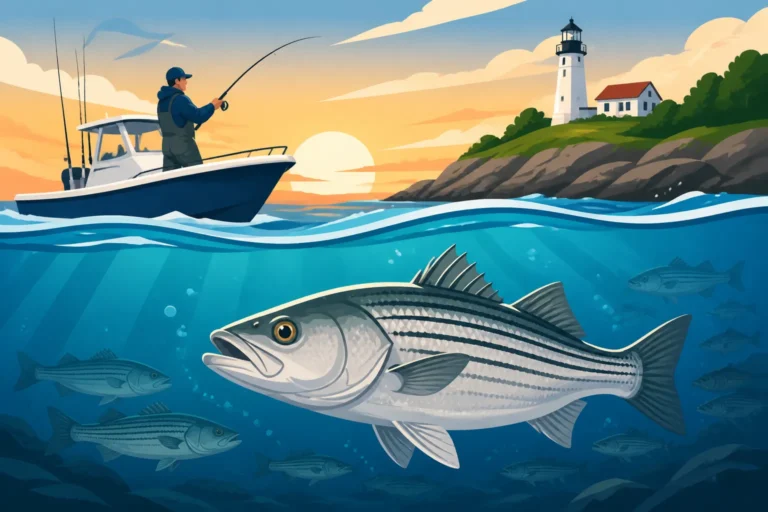
For many anglers casting lines into Long Island Sound, the dream isn't just about catching a striped bass; it's about landing a true leviathan, a fish that makes your reel scream and your arms ache. The burning question, then, is often "just how big do they get?" It's a question that fuels countless fishing trips, drives tackle purchases, and sets the bar for many a seasoned pro. This guide will dive deep into the fascinating world of striped bass in Long Island Sound, exploring their growth, the factors that influence their impressive size, and what you can realistically expect – and aspire to – when you're out there chasing these magnificent creatures.
Understanding Striped Bass Growth and Factors in Long Island Sound
Catching a truly massive striped bass in Long Island Sound isn't just about luck; it's a testament to the fish's natural growth potential and the rich, diverse environment it calls home. These fish are incredible survivors and fierce predators, and their size is a direct reflection of their age, diet, and the quality of their habitat.
Natural Growth Patterns and Age
Striped bass are relatively long-lived fish, which gives them ample opportunity to grow to impressive sizes. A "schoolie" striped bass, often just a few pounds, might only be 2-3 years old. But the true giants, the ones that stretch the tape measure past 40 or even 50 inches, have often seen many seasons come and go, potentially reaching ages of 20 years or more. Their growth isn't linear; it often slows down as they age, but consistent feeding and favorable conditions mean they just keep packing on the pounds and inches.
Think about it like this: a human teenager goes through a massive growth spurt, but an adult's growth, while still happening, is much more subtle, focusing on density and girth rather than just height. Striped bass are similar. Younger fish might grow several inches a year, while an older, larger fish might only add an inch or two, but it's adding significant weight, broadening its shoulders, and becoming a true powerhouse. This extended lifespan is a key reason why Long Island Sound produces such impressive specimens – they simply have the time to get truly enormous.
The Role of Forage and Habitat in Long Island Sound
Long Island Sound is a truly special place for striped bass, primarily because it's an all-you-can-eat buffet for them. The abundance of baitfish is staggering, and it's a critical component in how large these predators can become. The sound is teeming with various forage species that provide the necessary calories for rapid growth and sustained bulk.
First and foremost, you have the mighty Atlantic Menhaden as Forage Fish in Long Island Sound, often called "bunker." These oily, nutrient-rich fish are like prime rib for striped bass, and when large schools move into the Sound, the stripers follow, gorging themselves. Beyond menhaden, there's a smorgasbord of other high-quality food sources. Squid, especially during their seasonal runs, are another favorite. There are also river herring, eels, sand eels, and a variety of smaller baitfish that contribute to a striper's diet. A steady, plentiful supply of these forage fish means striped bass don't have to work as hard to find food, allowing them to put more energy into growth rather than just survival.
The habitat itself also plays a massive role. Long Island Sound offers an incredibly diverse environment: deep channels, rocky reefs, expansive sandy flats, and numerous estuaries where rivers meet the salt. This variety provides ample ambush points, hiding spots, and different feeding zones throughout the year. Big stripers often prefer to patrol these varied structures, using them to their advantage when hunting. Think of a big, dark boulder field offshore, providing cover for an ambush predator, or a deep channel edge where baitfish are swept by the current. These are prime locations where large, lazy but powerful stripers can lie in wait, conserving energy while easily intercepting passing meals.
Environmental Influences on Size
Beyond age and diet, the environment itself subtly but significantly influences how big a striped bass can get. Water temperature, salinity levels, and overall water quality all play a role in the health and metabolic rate of these fish.
Striped bass are anadromous, meaning they spend most of their lives in saltwater but return to freshwater to spawn. However, those in Long Island Sound are primarily a coastal population, with many living year-round in the estuary or moving in and out with the seasons. Favorable water temperatures, particularly in the spring and fall, allow for optimal feeding and growth. If a summer is excessively hot or a winter is unusually harsh, it can impact the overall health and feeding patterns of the fish, potentially slowing growth. A consistent range of suitable temperatures provides a longer window for active feeding and efficient metabolism.
Salinity, while generally stable in the main body of Long Island Sound, can fluctuate in estuaries, affecting where baitfish congregate and, consequently, where stripers feed. Good water quality, free from excessive pollution, ensures the fish remain healthy, allowing them to allocate more energy to growth rather than fighting off disease or stress. The delicate balance of these environmental factors creates a stable foundation for the robust ecosystem that supports not only large numbers of striped bass but also truly immense ones.
Typical Sizes and Trophy Expectations in Long Island Sound
When you're out fishing Long Island Sound, you're bound to encounter a wide range of striped bass sizes. From eager "schoolies" that are barely legal to the mythical "cows" that dominate fish tales, there's a whole spectrum of what you might pull up. Understanding this spectrum is key to setting realistic expectations and appreciating every catch.
Average vs. Notable Catches
Most anglers fishing Long Island Sound will regularly encounter what we call "schoolie" striped bass. These are often fish in the 18 to 28-inch range, weighing anywhere from a couple of pounds up to maybe 8-10 pounds. These are the workhorses of the fishery, abundant and usually willing to hit a variety of lures and baits. They're fantastic fun on light tackle and make for a memorable day on the water, especially for newer anglers. A "keeper" in many instances, depending on specific regulations that change seasonally, might be in the low to mid-30-inch range, putting them in the 10-15 pound category. These are solid fish, providing a great fight and a decent meal.
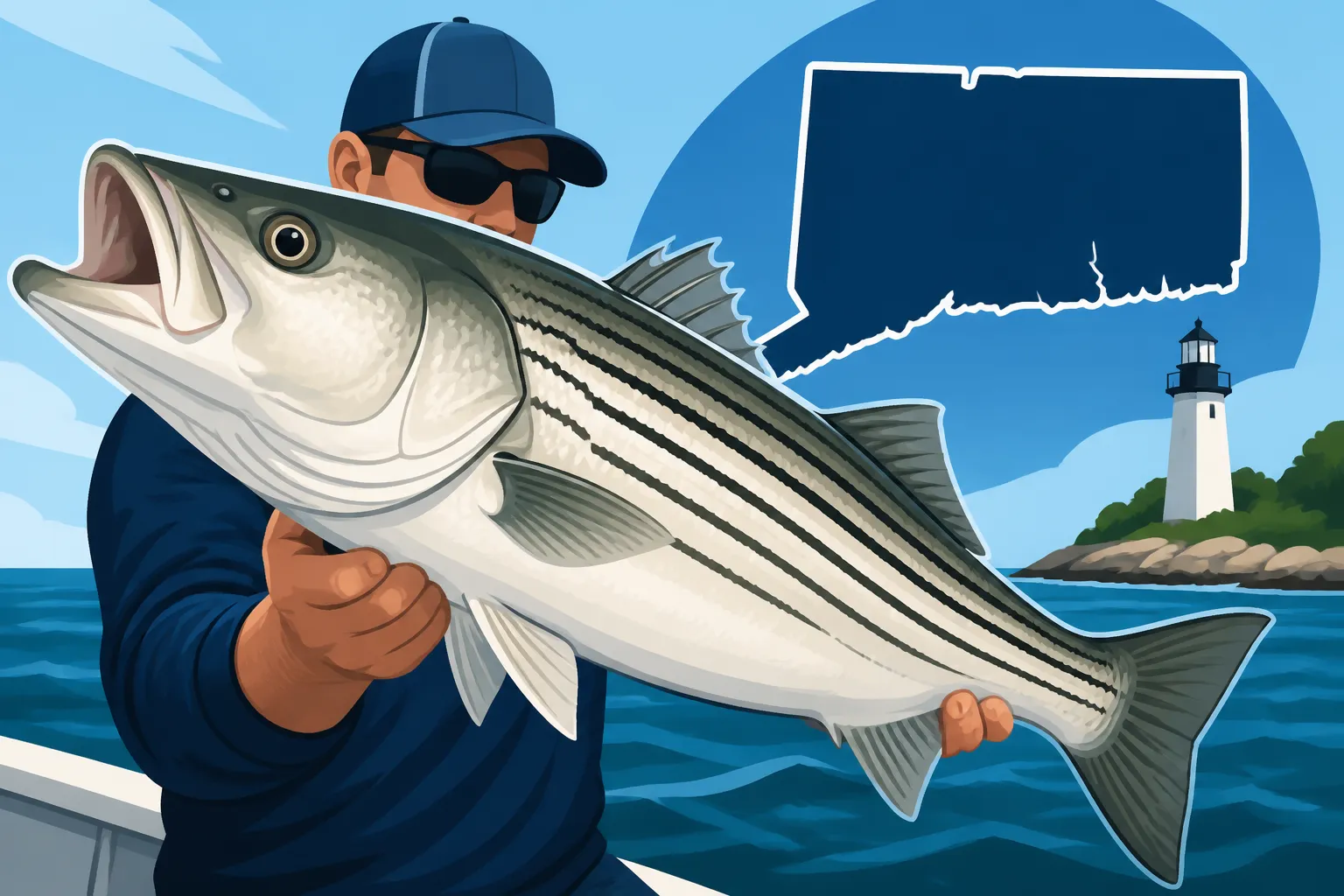
However, the "notable" catches are where things get exciting. These are the fish that break the 20-pound mark, stretch past 40 inches, and genuinely test your tackle and your resolve. A 40-pound striped bass from Long Island Sound is a truly special fish, often over 45 inches long. The fish that hit or exceed the 50-pound mark are the stuff of legends, the kind that only a handful of dedicated anglers might encounter in a lifetime. These aren't daily occurrences; they are the result of specific strategies, dedicated effort, and sometimes, a little bit of sheer luck.
Let's put it into perspective with a quick comparison:
| Characteristic | Typical Schoolie (Common Catch) | Solid Keeper (Good Catch) | Trophy Striper (Rare Catch) |
|---|---|---|---|
| Length Range | 18-28 inches | 28-38 inches | 40+ inches |
| Weight Range | 2-10 lbs | 10-25 lbs | 30-60+ lbs |
| Age | 2-5 years | 5-10 years | 10-25+ years |
| Girth | Slender | Moderate | Very broad, thick shoulders |
| Fight | Energetic, quick | Strong, sustained | Powerful, deep runs, heavy head shakes |
| How Common | Very common | Common | Infrequent, sought-after |
Identifying Trophy Stripers: What to Look For
Beyond just the numbers on a scale or tape measure, there's an undeniable presence to a truly trophy-sized striped bass. It's not just a long fish; it's a thick fish. When you see a trophy striper, the first thing that often strikes you is its incredible girth and broad shoulders. It looks like a football with fins. Its head will be massive, and its tail will be broad and powerful, designed for long, punishing runs.
The colors can often be deeper, too, with distinct lateral lines and sometimes a darker, more subdued tone compared to the brighter, more vibrant patterns of younger fish. Their scales can look a bit more worn, carrying the battle scars of many seasons in the Sound. When you finally get one boat-side, or to the shore, you'll feel the sheer weight and power in a way that smaller fish simply can't replicate. It’s a moment where you understand the meaning of a "cow" striper – a fish that truly earned its size and dominance. If you're hoping to chase after one of these giants, a good understanding of Striped Bass Growth Rate to Trophy Size can give you an idea of what goes into making such a magnificent fish.
The State Record and Beyond
Every angler dreams of catching "the big one," and for many, that means challenging the state record. While I cannot provide specific figures for the current Connecticut state record striped bass weight due to not having live data, the very existence of a state record for striped bass in Connecticut speaks volumes about the potential of Long Island Sound. The fact that a fish can be caught that pushes the boundaries of what's considered possible is a huge draw for dedicated anglers.
These record-setting fish represent the absolute pinnacle of striped bass growth in our waters. They are often ancient, wise, and have survived countless fishing pressures and environmental challenges. Catching a fish of that caliber is a once-in-a-lifetime achievement, requiring an incredible confluence of factors: the fish needs to be in a specific place at a specific time, it needs to be fooled by your offering, and then you need to successfully battle it to the boat or shore. It’s the ultimate quest, a true testament to patience and angling skill, and it reminds us all that there are still incredible giants lurking in the depths of Long Island Sound.
Strategies for Targeting Larger Striped Bass in Long Island Sound
Catching trophy striped bass in Long Island Sound isn't about haphazard casting; it's a deliberate pursuit that requires understanding their habits, using specialized gear, and practicing a great deal of patience. If you're serious about hooking into a true giant, you'll need to think like one.
Understanding Seasonal Movements and Locations
Big striped bass are creatures of habit, but their habits shift throughout the year. Their movements are largely dictated by water temperature and the presence of baitfish. In the spring, as the water warms and baitfish start to flood into the Sound, the first waves of migrating stripers arrive. These fish are often hungry after their long journey, making them aggressive feeders. Understanding Striped Bass Migration Along the Connecticut Coast is crucial here. They'll often stage near river mouths and in shallower bays, gorging on the influx of food.
As summer progresses, the larger striped bass tend to move to deeper, cooler waters, often congregating around offshore reefs, rock piles, and deep channels where baitfish like menhaden or squid are abundant. This is where you'll find them holding in cooler thermal refuges, waiting for prime feeding opportunities, often at dawn, dusk, or under the cover of darkness. The fall migration sees them gather again, aggressively feeding to build up reserves for the winter, often closer to shore or in major rips and inlets as they stage for their journey south. Knowing Where to Find Striped Bass in Long Island Sound at any given time is paramount. Paying attention to tide charts is also vital, as big stripers often use strong currents to ambush prey, positioning themselves strategically along current breaks or structure.
Gear and Techniques for Big Stripers
You can't bring a knife to a gunfight, and you certainly can't bring ultralight tackle when you're targeting 40-pound striped bass. Landing a fish of that size requires robust gear and specialized techniques.
- Rods and Reels: You'll want a heavy-action spinning or conventional rod, typically in the 7 to 9-foot range, capable of handling lines in the 20-50 lb class. Paired with a robust reel with a strong drag system and ample line capacity, this setup gives you the power and endurance needed to fight a large fish. Many anglers find excellent options for heavy-duty saltwater tackle on platforms like Amazon, reading reviews to ensure durability and performance.
- Line: Braided line is almost universally preferred for its strength-to-diameter ratio, sensitivity, and lack of stretch. A 30-50 lb braid is common, often with a 50-80 lb fluorocarbon leader to provide abrasion resistance around rocks and teeth.
- Baits and Lures: While schoolies will hit almost anything, big stripers are often more discerning, or they simply require a larger meal.
- Live Bait: This is often the most effective method for trophy fish. Live menhaden (bunker), eels, or mackerel are prime choices. They're often fished on a strong circle hook with minimal weight, allowing the bait to swim naturally.
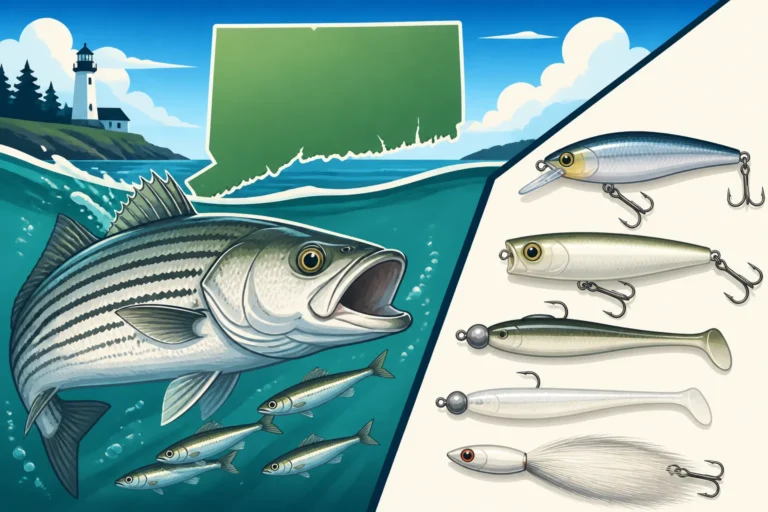
- Large Plugs and Swimmers: Big, noisy topwater poppers or large subsurface swimming plugs can entice aggressive strikes, particularly during low light conditions or when stripers are busting bait on the surface. You can find a huge selection of Best Lures for Striped Bass in Long Island Sound readily available.
- Soft Plastics and Jigs: Large paddle tail swimbaits rigged on heavy jig heads (2-4 oz or more) are excellent for targeting fish holding in deeper water or around structure. Vertical jigging can also be very effective.
- Trolling: For covering vast amounts of water and targeting suspended fish, Trolling Techniques for Long Island Sound Striped Bass are incredibly effective. Large umbrella rigs, mojo rigs, or wire-line trolling with deep-diving plugs or spoons can put you in front of the biggest fish. Finding these specialized rigs can be a treasure hunt, but some of the larger fishing supply stores on Amazon carry them.
- Chunking: Using cut pieces of fresh menhaden or mackerel on the bottom, often at anchor, can also draw in large, opportunistic stripers, especially at night. A reliable bait knife, which you can easily find on Amazon, is essential for this technique.
Remember, the goal isn't just to hook a fish, but to land it. Your knots need to be impeccable, your drag smoothly set, and your instincts sharp.
Patience, Persistence, and Responsible Angling
Chasing trophy striped bass is not for the faint of heart. It requires a tremendous amount of patience. You might spend many hours, or even entire trips, without a single bite from a large fish. It's about being in the right place at the right time with the right offering, and sometimes that takes a lot of trial and error. Persistence is key; the anglers who consistently catch big fish are the ones who put in the time, study the tides and bait movements, and aren't afraid to try new spots or techniques.
Finally, and perhaps most importantly, responsible angling is paramount, especially when targeting these large, often older, breeding-stock fish. Many trophy anglers practice strict catch and release for these magnificent creatures, ensuring they can continue to spawn and contribute to the population for future generations. If you do catch a large striped bass you intend to release, have your camera ready, minimize its time out of the water, and handle it carefully. Knowing Striped bass catch and release survival tips is vital. These fish are a precious resource, and their survival is in our hands. Pursuing them should be done with respect and a commitment to conservation.
Disclaimer
This article is for general informational purposes only and does not constitute professional advice. Laws, prices and regulations vary by location and change over time. Consult a qualified professional for guidance on your specific situation.