Rainbow Trout Stocking in Connecticut
There's a special kind of excitement that comes with trout fishing in Connecticut, especially when you know the Department of Energy and Environmental Protection (DEEP) has been busy. For many of us, the annual stocking of rainbow trout is a celebrated event, promising fresh opportunities and plenty of action on our favorite rivers and ponds. This guide will walk you through everything you need to know about rainbow trout stocking in Connecticut, from why it happens to how you can make the most of it.
The Lifeline of Connecticut's Trout Fisheries: Understanding Rainbow Trout Stocking
Connecticut's landscape offers a diverse range of fishing opportunities, but when it comes to trout, especially rainbows, stocking plays an absolutely vital role. It’s not just about adding fish to the water; it's about sustaining a vibrant recreational fishery that many of us cherish, creating memories with family and friends, and enjoying the tranquility of nature. Without a robust stocking program, many of our favorite local fishing spots simply wouldn't be able to support the demand from anglers or provide the consistent action we've come to expect.
Why Stocking is Crucial for Connecticut Anglers
Let's be real, the pressure on our local waters is significant. With so many passionate anglers eager to cast a line, relying solely on natural reproduction for rainbow trout just wouldn't cut it in most areas. Many of Connecticut's rivers and streams, while beautiful, don't have the ideal year-round conditions – like consistently cold water temperatures or sufficient spawning habitat – to support large, self-sustaining populations of rainbow trout. That's where stocking steps in, bridging the gap between natural capabilities and angler expectations. It ensures that even after a busy opening day, there are still plenty of fish to pursue throughout the spring, summer, and even into the fall.
Beyond simply having fish available, stocking also helps distribute fishing pressure across various water bodies. Instead of everyone flocking to the few pristine wild trout streams, the DEEP's widespread stocking efforts provide quality fishing closer to home for many, reducing crowding in more sensitive ecosystems. This accessibility is a huge win for families and casual anglers who might not have the time or ability to seek out remote locations. It cultivates a love for the sport by making success more achievable, especially for beginners.
The Role of DEEP in Trout Management
The Connecticut Department of Energy and Environmental Protection (DEEP) is truly the backbone of our state's trout fisheries, especially when it comes to rainbow trout. Their inland fisheries division works tirelessly, managing several state-run hatcheries where millions of trout are raised each year. It’s a huge undertaking, involving everything from meticulously monitoring water quality in the hatcheries to carefully planning stocking routes and schedules to ensure equitable distribution across the state. This isn't a haphazard operation; it's a science, carefully balanced with the recreational needs of the public.
Their responsibilities extend far beyond just raising and releasing fish. The DEEP also conducts extensive research, monitors fish populations, and sets the Connecticut Fishing Regulations Explained that govern catch limits, seasons, and tackle restrictions. They're constantly evaluating the health of our waterways and adapting their strategies to ensure sustainable fishing for generations to come. For instance, they might adjust stocking numbers in certain areas based on angler feedback, water conditions, or disease prevention, all to keep our fishing experiences top-notch and the fish healthy. Their dedication ensures that when you head out, you're not just hoping to catch a fish, you have a very good chance thanks to their efforts.
Where and When Rainbow Trout Are Stocked in Connecticut
One of the biggest questions on every trout angler's mind is, "Where and when are they stocking the rainbows?" Knowing this information can dramatically improve your chances of success. Connecticut's stocking program is extensive, covering a wide variety of water bodies from small, winding streams to large, open lakes. The DEEP works to ensure that these feisty fish are available across the state, providing opportunities for anglers of all preferences and skill levels.
Types of Waters Receiving Rainbow Trout
You might be surprised by the sheer diversity of locations where rainbow trout are introduced. It’s not just the classic trout streams you envision; it’s a strategic effort to spread the wealth.
- Major Rivers and Streams: Many of Connecticut's most famous waterways, like the Farmington River, the Housatonic River, and the Naugatuck River, receive significant stockings. These larger rivers often provide excellent habitat for stocked trout, sometimes even allowing them to "hold over" for extended periods. Smaller tributaries and feeder streams also get their share, often creating intimate fishing experiences in beautiful settings.
- Lakes and Ponds: From larger impoundments like Candlewood Lake and Bantam Lake to countless smaller state park ponds and municipal reservoirs, still waters are prime targets for rainbow trout stockings. These areas are particularly popular for boat anglers, kayak enthusiasts, and those who prefer a less strenuous bank-fishing experience. Many of these ponds are designated as "Trout Parks" or "Community Fishing Waters," specifically managed for frequent stockings and easy public access, making them perfect for introducing kids to fishing.
- Trout Management Areas (TMAs): These are special stretches of rivers and streams with unique regulations designed to create high-quality trout fisheries. Often, they receive abundant stockings of rainbow, brown, and brook trout, and might have specific rules like "catch and release only" or limitations on tackle. The Connecticut Farmington River Trophy Trout Stream Rules or the Connecticut Housatonic River Seasonal Closure Explained are good examples of how specific regulations apply to these special areas.
The Annual Stocking Schedule and Key Seasons
The DEEP's stocking calendar is fairly predictable, though exact dates can always shift due to weather, water levels, or operational needs. The primary stocking efforts for rainbow trout typically occur during two main periods:
- Spring Stocking: This is the big one! Beginning in late March or early April (often around the Connecticut Spring Fishing Day and Opening Day Rules), millions of trout are released into streams, rivers, lakes, and ponds across the state. This initial burst of activity is often followed by several weeks of continuous stockings, sometimes multiple times a week in popular areas. This period lasts through May and into early June, providing fantastic fishing as water temperatures are still cool and trout are active. If you're looking for guidance, our article on Spring Trout Fishing Techniques for Connecticut Streams can be incredibly helpful.
- Fall Stocking: As the summer heat fades and water temperatures drop, another round of rainbow trout are released, usually from late September through November. These fall stockings reinvigorate fishing in many waters and provide excellent opportunities for anglers looking to extend their season. The fish are often very active, feeding aggressively to prepare for winter, and the fall foliage provides a stunning backdrop for your fishing adventures.
Beyond these main pushes, some waters might receive supplementary stockings throughout the year, especially if they are heavily fished or are designated as year-round trout parks. For instance, certain larger lakes and ponds, which maintain cooler deep water, might receive rainbow trout even during the summer months to sustain fishing pressure. The key is to stay informed, and the best way to do that is using the DEEP's resources.
How to Find Stocked Waters Near You
Alright, so you know when they're stocking, but where exactly? This is where modern resources really shine. Gone are the days of just hoping you stumbled upon a newly stocked stream.
- DEEP's Official Stocking Report: The absolute best resource is the Connecticut DEEP's weekly stocking report, usually updated on their website. This report lists specific water bodies, the species stocked (including rainbow trout), and the dates of the recent stockings. Keep an eye on this; it's practically a treasure map for trout anglers!
- Connecticut Interactive Trout Stocking Map, Explained: This is a game-changer. The DEEP often provides an online interactive map that allows you to pinpoint stocked locations, see the types of trout stocked, and even sometimes filter by date. It's incredibly user-friendly and helps you plan your trips efficiently, even letting you find spots near your home.
- Local Bait and Tackle Shops: These shops are community hubs for anglers and often have the most up-to-date, on-the-ground information. The folks working there are usually avid anglers themselves and know exactly which spots have been hot, what's been stocked, and what baits are working. They can be an invaluable resource.
- Fishing Forums and Social Media Groups: Online communities dedicated to Connecticut fishing are excellent places to get real-time updates and tips from fellow anglers. Just remember to be respectful and share your own positive experiences when you can!
Don't forget to check the Connecticut Trout Season and Stocking Rules before you head out, as regulations can vary by specific water body, especially in special management areas.
| Stocking Period | Primary Species | Typical Months | Key Characteristics | Popular Water Types | Angler Activity Level |
|---|---|---|---|---|---|
| Spring Stocking | Rainbow Trout, Brown Trout, Brook Trout | March – June | Initial major release; high numbers of fish; cold water; intense angler interest; opening day celebrations. | Rivers, streams, lakes, ponds, Trout Parks | Very High |
| Fall Stocking | Rainbow Trout, Brown Trout, Brook Trout | September – November | Recharges waters after summer; cooling water temperatures; active fish feeding before winter; beautiful scenery. | Rivers, streams, lakes, ponds, Community Fishing Waters | Moderate to High |
| Supplemental Stocking | Rainbow Trout | Various | Smaller, targeted releases to maintain fish populations in heavily fished or specific year-round waters. | Larger lakes, ponds, year-round Trout Parks, some urban areas | Varies by Location |
The Journey of a Stocked Rainbow Trout: Hatchery to Hook
Have you ever wondered about the life of a rainbow trout before it ends up on the end of your line? It’s a fascinating process, a true testament to the dedication of the DEEP and its staff. These fish don’t just magically appear; they’re carefully nurtured and transported to ensure they arrive at our waterways healthy and ready to provide some excellent angling action.
Life in a Hatchery: Raising Connecticut's Rainbows
The journey for most stocked rainbow trout begins at one of Connecticut’s state-run fish hatcheries, such as the Kensington Fish Hatchery in Berlin or the Burlington Fish Hatchery. These facilities are incredibly sophisticated, designed to optimize the growth and health of millions of trout each year. It all starts with broodstock – the adult fish kept solely for their eggs. Once the eggs are fertilized, they’re carefully incubated in special trays where they hatch into "fry." These tiny fish are then moved to larger tanks and raceways.
Throughout their lives in the hatchery, these rainbow trout are fed a specialized diet, monitored for disease, and grow steadily. The water quality is meticulously controlled, and the fish are given ample space to ensure they develop strong, healthy bodies. The goal is to raise fish that are robust enough to survive the transition from the hatchery environment to the natural waters they’ll be released into. They're often grown to catchable sizes, typically ranging from 10 to 14 inches, before they are ready for their big adventure.
The Stocking Process: How Trout Get to Our Waters
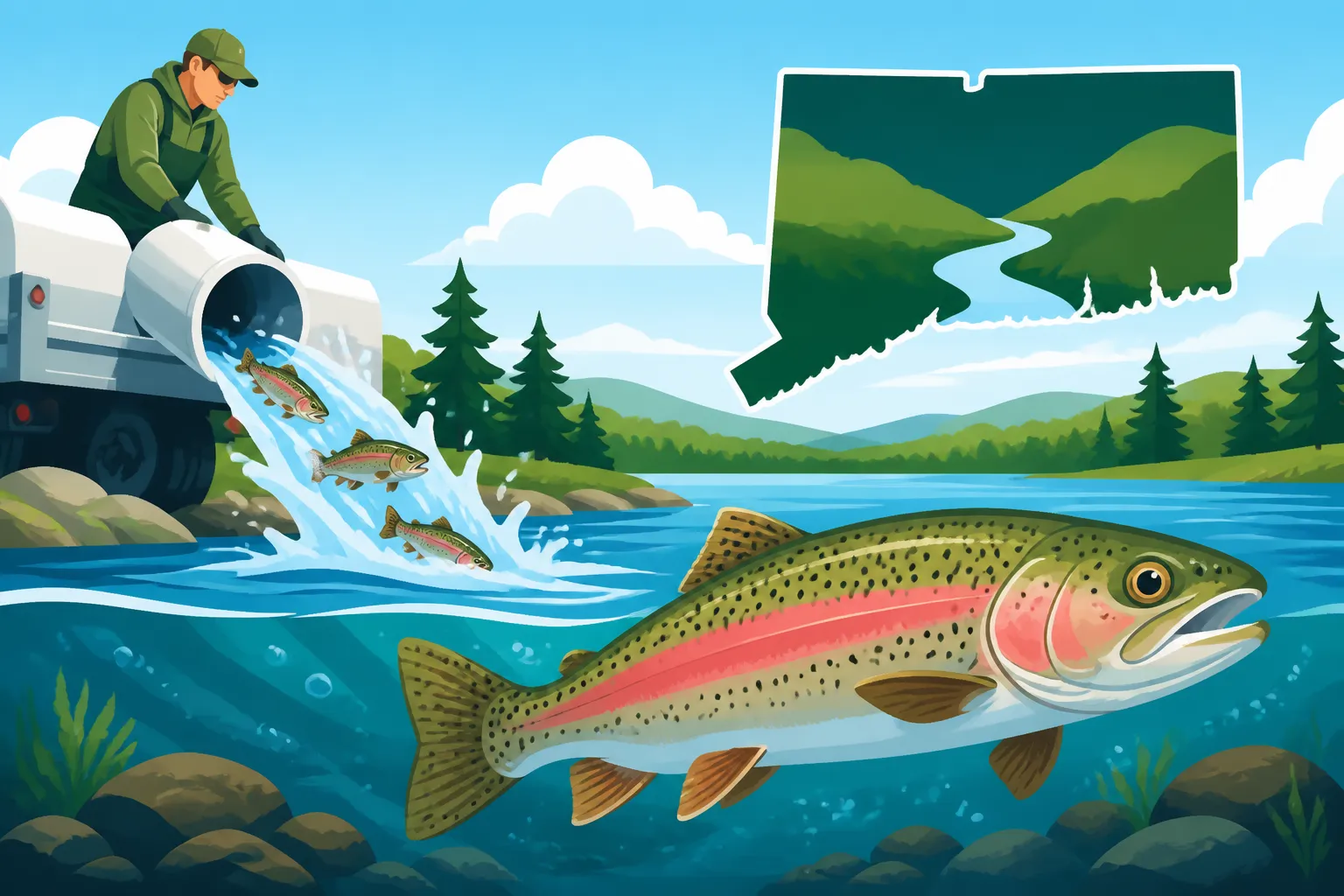
Once the rainbow trout reach the desired size, it’s time for "stocking day," which is a complex logistical operation. Specialized trucks equipped with large, aerated tanks are used to transport the fish from the hatcheries to various rivers, streams, lakes, and ponds across Connecticut. These trucks are designed to maintain optimal water temperatures and oxygen levels, minimizing stress on the fish during transit. The DEEP staff are skilled professionals who know the local waters like the back of their hand, ensuring the fish are released in appropriate locations.
When they arrive at a stocking point, the trout are carefully transferred from the truck’s tanks into the water. Sometimes, this involves simply opening a chute into a river, while other times, it requires carrying buckets of fish to more remote spots. In larger lakes and ponds, boats might be used to spread the fish out across a wider area. It's a precise operation, often happening early in the morning, and the DEEP staff are incredibly efficient. It's truly a sight to behold, knowing that these fish will soon be providing hours of enjoyment for anglers. It's worth noting that if you buy fishing supplies online, perhaps from a large retailer like Amazon, you're helping support an ecosystem that includes these stocking efforts by creating demand for the sport.
Survival and Adaptation in Wild Connecticut Waters
After being released, stocked rainbow trout face a new set of challenges as they adapt to their natural environment. Suddenly, they're no longer in the controlled confines of a hatchery; they're in a dynamic ecosystem with currents, predators, and natural food sources. Initially, these fish might stick together in the areas where they were released, often appearing eager to bite. This is why fishing immediately after a stocking can be so productive!
Over time, however, many of these trout will begin to spread out, seeking out deeper pools, current breaks, or areas with more cover. They learn to forage for natural insects, minnows, and crustaceans. Some stocked fish, particularly those released into larger, colder rivers like the Farmington or Housatonic, can "hold over" for months or even years, growing larger and adapting to a more wild existence. These "holdover trout" are often prized catches, having developed a more cautious and cunning nature than their newly released counterparts. Our article, What a holdover trout is, delves deeper into this fascinating phenomenon.
Maximizing Your Success on Stocked Rainbow Trout
Catching stocked rainbow trout can be a blast, but there's an art to it. While they might be eager biters initially, understanding their behavior and employing the right techniques can make a huge difference, especially as they settle into their new surroundings. It's about being prepared and knowing what to expect from these hatchery-raised fish.
Gear and Tactics for Recently Stocked Trout
When targeting recently stocked rainbow trout, simplicity and adaptability are often your best friends. These fish are usually not overly picky in their first few days or weeks after release.
- Tackle Selection: A lightweight spinning rod (around 6-7 feet long) paired with a small reel spooled with 4-6 pound test monofilament or fluorocarbon line is perfect. For fly anglers, a 4 or 5-weight fly rod will handle most stocked rainbows. You don't need heavy-duty equipment; these fish offer a fun fight on lighter gear.
- Bait Fishing: This is often the most effective method right after a stocking. Popular baits include:
- PowerBait (or similar scented dough baits): These come in various colors and shapes and are incredibly effective. A small ball of PowerBait on a light hook, drifted just off the bottom with a small split shot, is a classic.
- Worms: Nightcrawlers or smaller garden worms are natural food sources and irresistible to trout.
- Corn: Believe it or not, canned corn is a surprisingly effective bait for stocked trout, often fished similarly to PowerBait.
- Live Minnows: If permitted by regulations, small live minnows can be deadly for larger, more aggressive rainbows.
- Lure Fishing: Small spinners (like Rooster Tails or Mepps) and spoons (like Phoebe or Kastmaster) are excellent choices. Cast them upstream and retrieve them just fast enough to get the blade spinning, mimicking a fleeing baitfish. Light jig heads tipped with small soft plastics can also be very productive. You can find a huge variety of these lures on Amazon, making it easy to experiment with different colors and sizes.
- Fly Fishing: While newly stocked trout might not be rising to dry flies immediately, they will readily take nymphs and small streamers. Popular patterns include Prince Nymphs, Hare's Ear Nymphs, Woolly Buggers, and tiny egg patterns. Focus on drifting these subsurface through pools and runs. For more in-depth techniques, check out Best Techniques for Early Spring Trout.
Remember to use light line and small hooks (size 8-14) for the best presentation. Avoid heavy weights that might spook the fish.
Understanding Their Behavior After Release
The behavior of stocked rainbow trout can change rapidly after they are released.
- Initial Aggression: For the first few days, especially if hungry from the hatchery, stocked trout are often quite aggressive and less wary. They'll readily strike at a variety of baits and lures, making it an ideal time for beginners or those seeking consistent action. They tend to congregate near the release points, so focus your efforts there.
- Settling In and Spreading Out: After about a week or two, as the initial stocking excitement dies down, the trout will start to spread out. They’ll begin to seek out more natural cover, such as submerged logs, undercut banks, deeper pools, and areas with slower currents. They also become a bit more wary, making a natural presentation more critical.
- Adapting to Natural Foods: Over time, these trout will start to key in on the natural food sources available in the waterway – aquatic insects, terrestrial insects that fall into the water, and small baitfish. This is when fly fishing with accurate imitations becomes increasingly effective, and lure choices might need to mimic local forage more closely. "Holdover" trout, mentioned earlier, are particularly adept at this, making them more challenging and rewarding to catch.
Observe the water for signs of feeding fish or insect hatches. If you see fish rising, try a dry fly or a very shallow retrieved lure. If nothing is showing on the surface, focus your efforts subsurface.
Ethical Angling Practices for Stocked Fisheries
Even with abundant stocking, responsible angling is paramount to ensuring the longevity and quality of our fisheries.
- Know the Regulations: Always, always check the current Connecticut Fishing Regulations Explained for the specific body of water you're fishing. Pay close attention to daily creel limits, minimum sizes, and any tackle restrictions. Some areas might be "Trout Management Areas" with special rules like "catch and release only." Understanding the Connecticut Trout Limit and Possession Rules is crucial to avoid any issues.
- Respect Other Anglers: Stocking days, especially early in the season, can draw crowds. Be courteous, give others space, and avoid casting over their lines. A friendly nod and a polite greeting go a long way in fostering a positive fishing community.
- Practice Catch and Release Properly: If you plan to release fish, handle them with care. Wet your hands before touching the fish, minimize their time out of the water, and use de-barbed hooks to make removal easier. If a fish is bleeding or deeply hooked, it’s often best to keep it (if legal) rather than releasing it to die.
- Leave No Trace: Pack out everything you pack in. Dispose of all trash, including old fishing line, hooks, and bait containers. We are guests in nature, and it's our responsibility to keep these beautiful fishing spots clean for everyone to enjoy.
By following these practices, we ensure that everyone can continue to enjoy the fantastic rainbow trout fishing opportunities that Connecticut offers.
Beyond the Stocking Truck: The Bigger Picture of Trout Management
While rainbow trout stocking is a cornerstone of Connecticut's recreational fishing, it's just one piece of a much larger, more intricate puzzle of fisheries management. The efforts of the DEEP extend far beyond simply releasing fish, encompassing a holistic approach to maintaining healthy aquatic ecosystems and diverse fishing opportunities. Understanding this broader context helps us appreciate the complexity and importance of their work.
Wild Trout vs. Stocked Trout: A Balanced Approach
One of the ongoing discussions in trout management revolves around the balance between supporting wild trout populations and supplementing fisheries with stocked fish. In Connecticut, the DEEP actually manages both.
- Wild Trout Streams: There are many streams in Connecticut that support self-sustaining populations of native brook trout or wild brown trout. These streams often have specific regulations (like Connecticut Catch and Release Fly Fishing Only Waters) designed to protect these sensitive populations and their habitats. Management for wild trout focuses on habitat preservation, stream restoration, and limiting angler impact. The goal here isn't to add fish, but to ensure the existing populations can thrive naturally. These often include some of the Best Trout Streams in Connecticut.
- Stocked Fisheries: As we've discussed, many of Connecticut's rivers, streams, lakes, and ponds primarily rely on stocking to provide trout fishing opportunities. These waters are often easier to access, can sustain higher fishing pressure, and are managed to maximize recreational yield. Rainbow trout are a popular choice for stocking precisely because they grow quickly and are generally more tolerant of varying water conditions than some wild trout species, making them ideal for these high-use areas.
The DEEP’s approach is to provide diverse angling experiences. You can find challenging wild trout fishing in remote locations, or accessible, action-packed fishing in frequently stocked waters. This dual strategy caters to a wide range of angler preferences while protecting the unique value of both types of fisheries. It's about careful planning and allocation of resources to keep everyone happy and our natural resources healthy.
The Economic and Recreational Impact of Stocking
The decision to heavily invest in rainbow trout stocking isn't just about providing a fun pastime; it has significant economic and recreational benefits for the entire state of Connecticut.
- Economic Boost: Think about it: every time an angler buys a Connecticut Fishing License Guide for 2026, purchases new gear (whether from a local shop or through an online retailer like Amazon), fills up their gas tank to drive to a fishing spot, or grabs a bite to eat at a local diner, they are contributing to the state's economy. Bait and tackle shops thrive on the demand generated by stocked fisheries, supporting local jobs and businesses. Guide services, particularly fly fishing guides who lead trips on rivers like the Farmington or Housatonic, also benefit directly from the consistent presence of trout. This financial impact is often underestimated but is crucial for many communities.
- Recreational Value: Beyond the dollars and cents, the sheer recreational value is immense. Fishing provides an escape from daily stresses, a chance to connect with nature, and an opportunity for families to bond. For many, the anticipation of spring trout season or the excitement of catching a freshly stocked rainbow is a cherished annual ritual. It promotes outdoor activity, reduces screen time, and introduces new generations to the joys of the natural world. This social and psychological well-being is a priceless benefit that stocking helps to foster.
The DEEP's stocking program, therefore, isn't just a cost; it's an investment in the health of our communities and our economy.
Conservation Efforts and the Future of Connecticut's Trout
Maintaining a healthy and productive trout fishery, whether wild or stocked, requires ongoing conservation efforts. The future of Connecticut's trout, including our beloved rainbows, depends on our collective commitment to protecting and enhancing their habitats.
- Habitat Restoration: The DEEP, often in partnership with local conservation groups and angling clubs, works on projects to improve trout habitat. This can include planting streamside vegetation to provide shade and reduce erosion, installing in-stream structures to create pools and cover, or removing blockages that impede fish migration. Healthy habitat is crucial for both wild trout survival and for stocked trout to thrive and potentially hold over.
- Water Quality Protection: Trout, especially rainbow trout, are highly sensitive to water quality. Efforts to reduce pollution from agricultural runoff, urban development, and industrial discharge are vital. This includes advocating for responsible land use practices and educating the public about the importance of clean water. The DEEP continuously monitors water quality in critical trout waters and works to address any issues that arise.
- Angler Education: Educating anglers about responsible fishing practices, the importance of regulations, and the differences between various trout species (like those covered in our Trout Species Identification Guide for Connecticut) is a continuous and crucial conservation effort. By empowering anglers with knowledge, we all become stewards of our fisheries.
- Research and Monitoring: Ongoing scientific research helps the DEEP understand fish populations, disease trends, and the impacts of environmental changes. This data-driven approach allows for adaptive management strategies, ensuring that stocking programs and conservation efforts remain effective and responsive to current conditions.
The vibrant rainbow trout fishing we enjoy in Connecticut today is a direct result of these ongoing efforts. By supporting the DEEP, respecting our waters, and practicing responsible angling, we can all play a part in securing a bright future for trout fishing in our beautiful state.
Disclaimer
This article is for general informational purposes only and does not constitute professional advice. Laws, prices and regulations vary by location and change over time. Consult a qualified professional for guidance on your specific situation.