When shad run up the Connecticut River
For many anglers in Connecticut, there's a special kind of anticipation that builds as winter gives way to spring: the arrival of the American Shad run on the Connecticut River. It's a truly spectacular natural event, but knowing exactly when these silver bullets will show up can feel like trying to hit a moving target. This guide is here to demystify the timing of the Connecticut River shad run, giving you the insights and tips you need to be ready when the action heats up.
Understanding the Annual American Shad Migration
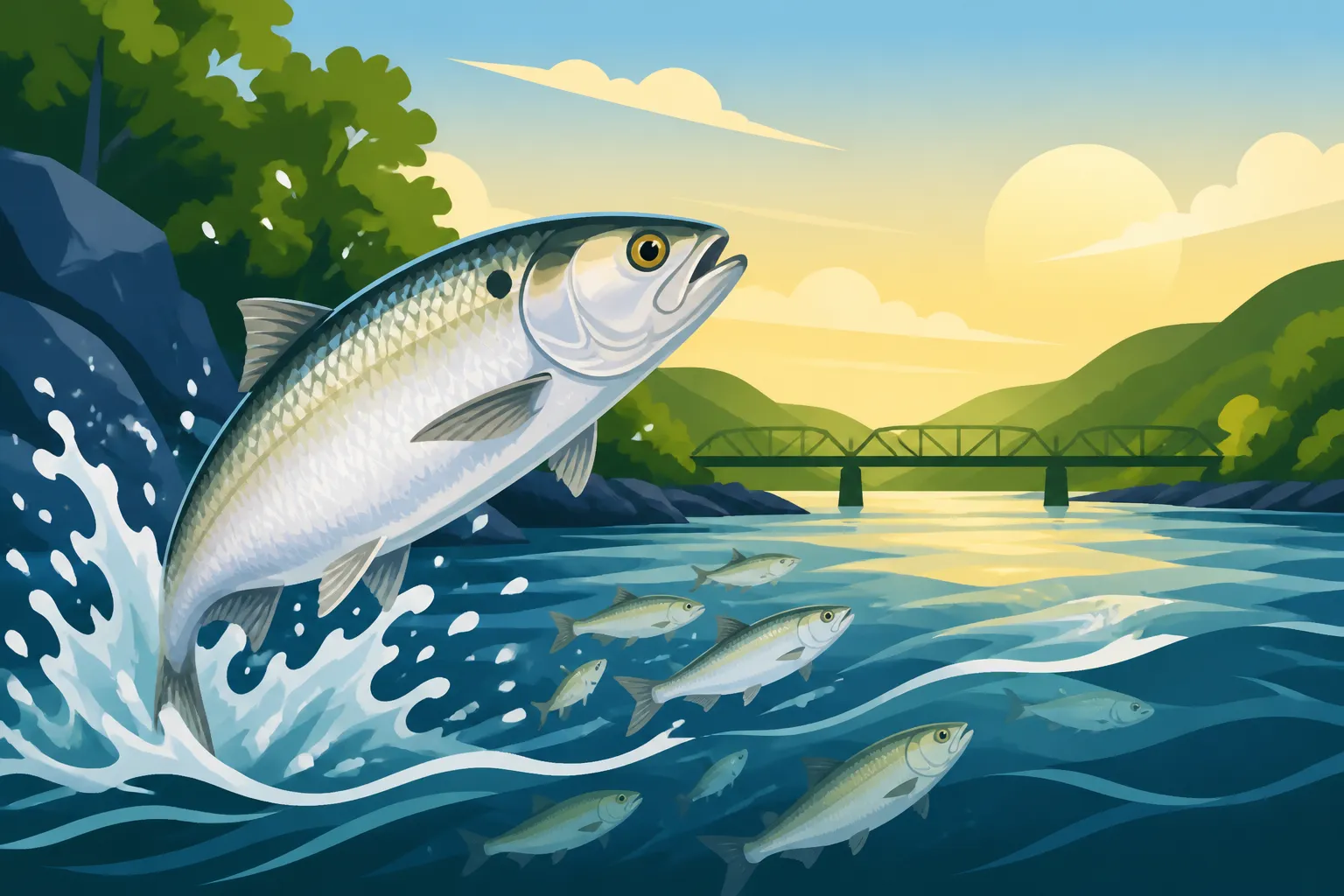
The American Shad, often called the "poor man's salmon" or "silver darts," are anadromous fish, meaning they spend most of their lives in saltwater but return to freshwater rivers to spawn. The Connecticut River hosts one of the largest and most significant shad runs on the Atlantic coast, attracting thousands of anglers each spring. It's not just about catching fish; it's about being part of a tradition, enjoying the beautiful river scenery, and witnessing an incredible natural phenomenon.
Why Shad Migrate Upriver
This annual pilgrimage isn't a casual stroll; it's a vital part of the shad's life cycle. After several years maturing in the ocean, adult shad are driven by an ancient instinct to return to the precise freshwater stretches where they were born. Their primary goal is to reproduce, ensuring the next generation can continue this cycle. They travel hundreds of miles, navigating currents and overcoming obstacles, all to deposit their eggs in the warmer, shallower waters upriver.
For anglers, this migratory urge is what makes the fishing so exciting. The fish are concentrated, active, and, at times, incredibly aggressive as they move upstream. They're focused on their journey, making them predictable in their general movement patterns, even if the exact timing can fluctuate year to year. It's a short window of opportunity, making precise timing all the more crucial for a successful outing. You'll often find that the arrival of these fish also signals the start of other seasonal activities, so it’s a big deal on the Connecticut fishing calendar.
The Importance of the Connecticut River for Shad
The Connecticut River is a true champion for American Shad. Its long, relatively free-flowing main stem, combined with successful fish ladder projects at various dams like the Holyoke Dam further north, has allowed shad populations to thrive and access their historical spawning grounds. This river provides a diverse habitat, from wide, deep channels near the mouth to shallower, faster-moving sections upstream, accommodating the shad's journey.
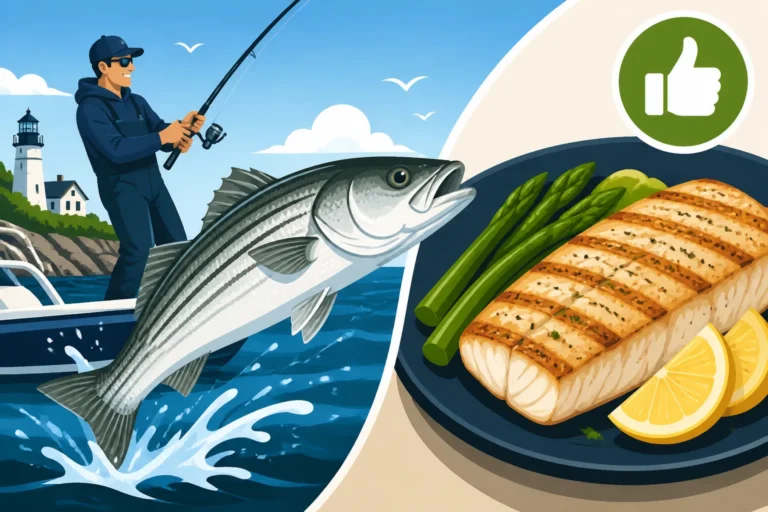
It's not just the fish that benefit; the entire river ecosystem does. Shad are a significant forage fish for larger predators, including striped bass, which often follow the shad into the lower river sections. This interconnectedness means that understanding the American Shad Runs on the Connecticut River can give you insights into other fishing opportunities as well. The health of the shad run is often seen as a barometer for the overall health of the river, making its protection and successful management a priority for conservationists and anglers alike.
Pinpointing the Prime Time: Factors Affecting the Shad Run Timing
Ah, the million-dollar question: when do the shad run? If only it were a simple date on the calendar! The truth is, it's a dynamic process, influenced by a combination of natural cues. While we can look at historical averages, Mother Nature always has the final say. Being able to read these cues is key to being at the right place at the right time.
Water Temperature: The Master Key
Without a doubt, water temperature is the most critical factor dictating when the shad decide to make their move from Long Island Sound into the Connecticut River. They're not just waiting for the calendar to flip to April; they're waiting for the water to warm up to their preferred range.
Typically, the first scouts—often smaller males, known as "schoolies"—start pushing into the lower river when water temperatures consistently hit the mid-40s Fahrenheit. However, the main migration, where you'll find large numbers of fish, really kicks into gear when the water stabilizes in the low to mid-50s F. As the water warms further, into the high 50s and low 60s, the larger "roe" shad (females laden with eggs) become more prevalent. The run generally peaks when temperatures are in the mid-60s. If the water gets too warm too quickly, the run can be shorter and more intense; if it stays cool, it might stretch out longer. Many dedicated shad anglers keep a close eye on real-time river temperatures, often checking online gauges or using their own portable thermometers. You can find simple, effective waterproof thermometers on platforms like Amazon that clip right onto your tackle box or vest.
River Flow and Water Levels
Beyond temperature, the flow and level of the Connecticut River play a huge role. Heavy spring rains can cause the river to swell and become murky, which can temporarily slow or pause the run. Shad prefer clear to slightly stained water, and strong, fast currents from high water can make their upstream journey more difficult. They might hug the banks or pause in eddies during periods of high flow.
Conversely, very low water levels can also affect the run, concentrating fish in deeper channels and making them more susceptible to pressure. The "sweet spot" is usually moderate flow conditions—enough current to make the river feel alive, but not so much that it's a raging torrent. Monitoring the U.S. Geological Survey (USGS) water flow data for various points along the Connecticut River is a common practice among seasoned shad anglers. This helps you predict where the fish might be holding and what areas might be too fast or too slow to fish effectively.
Time of Year and Historical Averages
While water conditions are paramount, we can still talk about general timeframes. The shad run in the Connecticut River typically begins in late March or early April in the lower river sections, near the mouth. It then progresses upstream, peaking in different locations at different times.
- Lower River (e.g., Old Saybrook, Essex): Late March to mid-April for the first wave, with the main run building through April.
- Mid-River (e.g., Middletown, Hartford): Mid-April through May, often peaking in early to mid-May.
- Upper River (e.g., Enfield, upstream to Massachusetts border): Late April through May, with fish arriving at the furthest upstream points in late May or early June.
It's important to remember these are averages. A warm spring can push everything earlier, while a cold, rainy spring can delay it. Keeping an eye on local fishing reports, social media groups, and talking to tackle shop owners in towns like Old Saybrook or Middletown can give you real-time updates. The Connecticut Department of Energy and Environmental Protection (DEEP) also often provides updates on the run's progress.
Here's a quick overview of how factors generally influence the run:
| Factor | Early Run (Late March – Mid April) | Peak Run (Mid April – Mid May) | Late Run (Mid May – Early June) |
|---|---|---|---|
| Water Temp | 45-55°F | 55-65°F | 65-70°F |
| River Flow | Often higher, variable | Moderate, stable | Can be lower, stable |
| Fish Size/Type | Smaller males ("schoolies") | Mix of males & larger "roe" females | Fewer, larger "spent" females/males |
| Location | Lower river sections | All accessible river sections | Upper river sections |
| Angler Density | Moderate, building | High | Moderate, tapering off |
Gearing Up for the Run: Essential Tackle and Tips
Once you have a handle on when the shad are likely to arrive, it's time to make sure you're properly equipped. Shad fishing doesn't require ultra-expensive gear, but having the right setup can significantly improve your experience and success rate. They are hard-fighting fish for their size, and they can put a real bend in a rod!
Rods, Reels, and Line
For shad, light tackle is the name of the game. It allows you to feel those subtle taps and enjoy the spirited fight these fish offer.
- Rods: A light to medium-light spinning rod, around 6 to 7.5 feet in length, with a fast action, is ideal. This type of rod provides enough backbone to cast light lures but is sensitive enough to detect strikes. You want something that flexes well, absorbing the powerful head shakes and runs of a shad. Many anglers opt for a panfish or trout-specific rod, which often fits the bill perfectly. You can find a fantastic selection of these on Amazon, often with user reviews that speak to their suitability for shad.
- Reels: Pair your rod with a small spinning reel (2000-3000 series). Smooth drag is essential, as shad will make blistering runs. Make sure your reel is spooled properly and the drag is set correctly before you even hit the water.
- Line: Monofilament line in the 4-8 lb test range is a popular choice for its stretch, which can act as a shock absorber during a fight. However, many anglers are switching to braided line (10-15 lb test) with a fluorocarbon leader (6-8 lb test) for increased sensitivity and casting distance. The lack of stretch in braid makes it easier to feel light bites, especially in current. A 3-4 foot fluorocarbon leader provides invisibility and abrasion resistance.
Lures: Shad Darts and Spoons
Shad are not picky eaters in the river, but they do respond best to certain presentations. Their primary drive is spawning, not feeding, so you're often enticing a reaction strike rather than mimicking natural prey.
- Shad Darts: These are the quintessential shad lures. They're small, brightly colored jigs with a distinct profile that drives shad wild. Colors like chartreuse, pink, white, yellow, and orange are classics. Don't be afraid to experiment with combinations. Many anglers will tie on two darts in tandem, one heavier and one lighter, to cover different depths and see what color they prefer. Make sure you have a good assortment, as you'll likely lose a few to snags in the rocky river bottom. Bulk packs of various colored shad darts are readily available and can be ordered conveniently through Amazon.
- Small Spoons: Tiny, flashy spoons like the Kastmaster or Swedish Pimple are also incredibly effective. Silver and gold are standard, but spoons with a bit of color can also be productive. Their wobbling action and flash mimic small baitfish, triggering aggressive strikes.
- Jigging Spoons/Grubs: In slower water or deeper pools, small jigging spoons or even tiny soft plastic grubs on a small jig head can work. The key is to keep them moving and flashy.
- Retrieval: The most common retrieve involves casting upstream or across the current and allowing the dart or spoon to swing downstream while reeling slowly, keeping tension on the line. The current provides the action. Vary your retrieve speed and depth until you find what the fish are responding to.
Essential Accessories for the Shad Angler
Beyond the basic rod and reel, a few key accessories will make your shad fishing trip more comfortable and efficient.
- Pliers/Forceps: Crucial for safely removing hooks from shad, which have delicate mouths. Barb-less hooks are also a great idea for quick release.
- Net: A long-handled landing net with a rubberized mesh is invaluable. It protects the fish, especially if you plan to release them, and makes landing a lively shad much easier, especially if you're fishing from a high bank.
- Waders: If you plan on wading into the river to reach prime casting spots, good quality waders are a must. In the early spring, the water can be icy cold, so insulated waders are a lifesaver. Ensure you have proper wading boots with good grip.
- Polarized Sunglasses: These are essential for spotting structure, reading the current, and even seeing fish in clearer water. They also protect your eyes from stray hooks or glare.
- Tackle Box/Vest: Keep your assortment of shad darts, spoons, extra line, and tools organized. A small, portable tackle box or a fishing vest with plenty of pockets works well.
- Camera: The Connecticut River provides stunning scenery, and the shad themselves are beautiful, silvery fish. Don't forget to capture some memories!
Remember, preparation is half the battle. Having your gear ready to go means less time fumbling and more time fishing when the shad are running hot. Consider packing a small backpack with water, snacks, and perhaps a rain jacket, as spring weather in Connecticut can be unpredictable. You might even find some useful fishing knot tying guides or regional fishing maps on Amazon to prepare for your trip.
Finding the Hotspots: Best Places to Intercept the Shad
The Connecticut River is a long waterway, and shad don't appear uniformly along its entire length. Knowing where to focus your efforts can save you a lot of driving and increase your chances of success. They follow predictable patterns, largely dictated by current, depth, and obstacles.
Popular Access Points and River Sections
Different sections of the Connecticut River offer varying experiences and access points.
- Lower Connecticut River (Essex, Old Saybrook, Lyme): These areas are among the first to see shad arrive. The waters here are tidal, but as the fish push upstream, they're still very much in a migratory mode. Shore access can be limited but boat anglers do well. Popular spots include the mouth of the river and deeper channels. These spots are also prime for Connecticut River Striped Bass Fishing which often coincide with the shad run.
- Middletown and Hartford Area: As the run progresses, Middletown becomes a major hub. The river here offers plenty of shore access, parks, and boat launches. Good spots include the riverfront parks and areas with slight current breaks. This is where you'll find a lively fishing scene during the peak of the run.
- Enfield Dam/Holyoke Dam (Massachusetts): The Enfield Dam (Connecticut) and the Holyoke Dam (Massachusetts) are significant choke points that concentrate fish. The fishways at these dams are engineered to help shad continue their journey, and the areas below them are often phenomenal fishing spots. The access area below the Enfield Dam is legendary for its shad fishing. It’s an easy drive from many parts of central Connecticut and offers excellent bank fishing. Just be aware of the crowds during peak times. Understanding the Connecticut Fishing Regulations Explained for specific areas, especially near dams and fish ladders, is critical.
Reading the Water for Shad
Once you're at a location, knowing how to "read the water" will help you identify likely holding and travel lanes for shad.
- Current Seams and Eddies: Shad prefer to conserve energy on their upstream journey. Look for seams where faster current meets slower water, or large eddies behind obstacles like rocks or bridge pilings. Shad will often hold in the slower water, darting into the current to grab a passing lure.
- Depth Changes: While shad will swim through deeper channels, they often hold and stage in areas where the depth changes—like drop-offs or shelves. These transition zones provide a natural highway for their migration.
- Structure: Submerged rocks, fallen trees, and bridge abutments all create current breaks and ambush points. While shad aren't typically "holding structure" in the way bass might, these features influence current flow and can concentrate fish.
- Confluence of Tributaries: Where smaller streams or rivers meet the Connecticut River, the influx of slightly different temperature water or nutrients can sometimes attract shad, or at least slow them down momentarily.
A great tip for finding specific spots is to observe other anglers. While you don't want to crowd anyone, seeing where people are concentrated and consistently catching fish is a strong indicator of a productive area. Don't be afraid to strike up a friendly conversation; most shad anglers are happy to share general tips, though specific "secret spots" might be kept under wraps! Remember, during the peak of the Connecticut Fishing Seasons by Month, places like the Connecticut River can get quite busy, especially on weekends.
Boat vs. Shore Fishing Considerations
Both boat and shore fishing can be highly effective for shad on the Connecticut River, each with its own advantages.
- Shore Fishing: Offers accessibility and is often free. Many parks and public access points along the river provide excellent shore fishing opportunities, especially in the Middletown and Enfield areas. The challenge can be limited casting angles, potential crowds, and not being able to reach fish holding in the middle of the river. However, with the right approach and by targeting eddies and current seams near the bank, shore anglers can have fantastic days.
- Boat Fishing: Provides the ultimate flexibility, allowing you to cover more water, access mid-river channels, and escape crowded shorelines. You can drift with the current, troll, or anchor in strategic spots. If you have a boat, consider launching at one of the many public ramps along the river. Just be mindful of other boaters and anglers. Many guides also offer Connecticut River Shad Fishing trips for those who prefer to experience the run from a boat without owning one.
Regardless of whether you're casting from the bank or drifting from a boat, the exhilarating pull of a strong American Shad on the end of your line is an unforgettable experience. Now that you're armed with knowledge about when they run and how to target them, you're ready to hit the water and join in one of Connecticut's most beloved angling traditions. Good luck out there!
Disclaimer
This article is for general informational purposes only and does not constitute professional advice. Laws, prices and regulations vary by location and change over time. Consult a qualified professional for guidance on your specific situation.