Connecticut state record smallmouth bass weight
Every angler who casts a line in Connecticut dreams of that one legendary fish – the one that pulls like a freight train, fights with every ounce of its being, and might just be big enough to rewrite the record books. Smallmouth bass, with their aggressive strikes and acrobatic leaps, are high on that list of dream catches. But how big do they really get in our waters, and what does it take to etch your name in the annals of Connecticut fishing history? This guide is going to dive deep into the specific weight of the current state record for smallmouth bass in Connecticut and give you a comprehensive look at what it takes to pursue such a magnificent fish, from understanding their habits to mastering the techniques that put these bronzebacks in the boat.
The Elusive Connecticut State Record Smallmouth Bass
There’s an almost mythical quality to state records. They represent the pinnacle of a species within a given region, a testament to both the fish’s resilience and the angler’s skill and luck. For smallmouth bass in Connecticut, the bar has been set quite high, a true monster of the bronzeback world.
The Current Record-Setting Catch
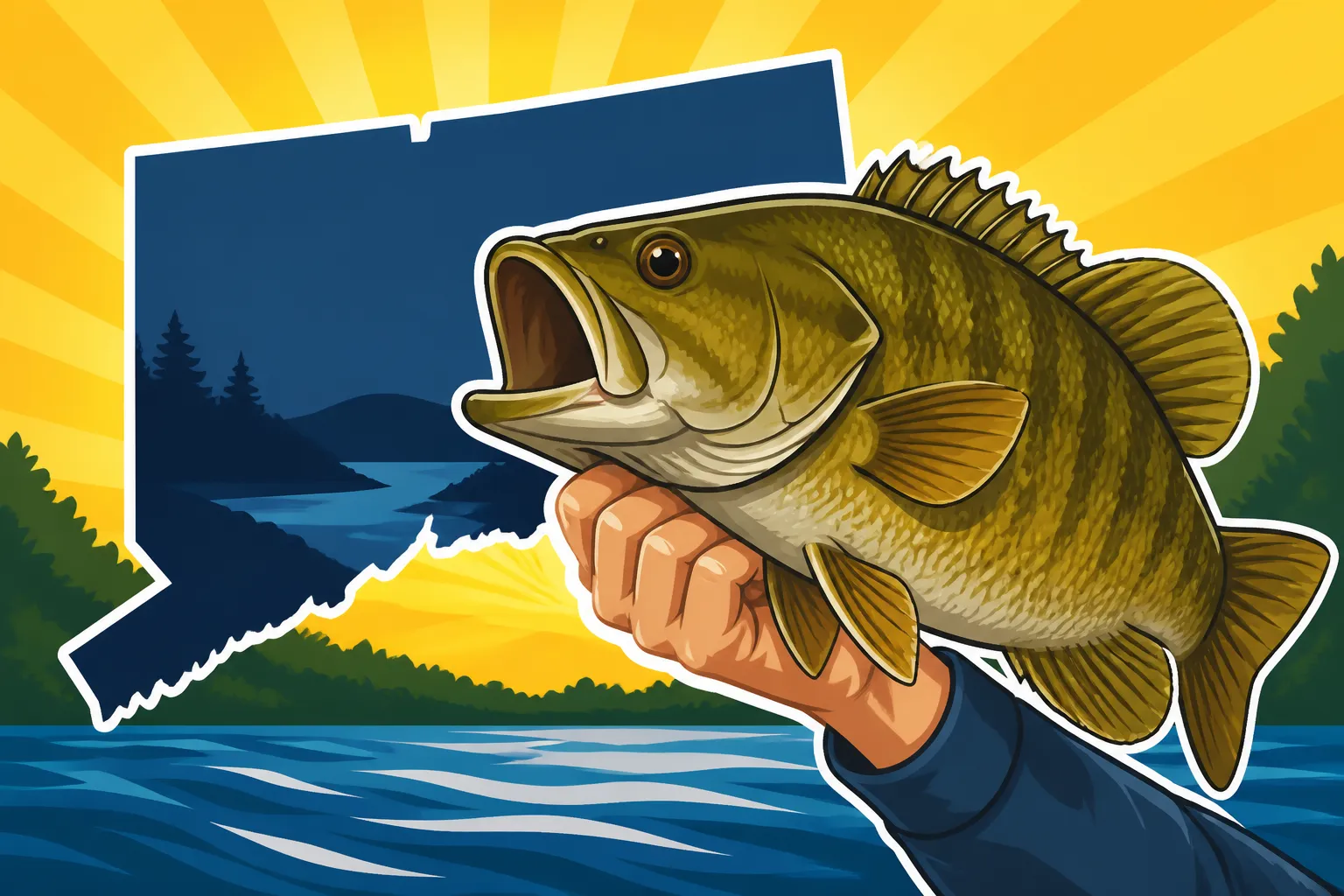
The current Connecticut state record for smallmouth bass stands at a truly impressive 7 pounds, 12 ounces. This colossal fish was caught by angler Frank Pierpont Jr. on July 10, 1993, while fishing in Saugatuck Reservoir. Imagine the thrill of that fight, the sheer power of a fish pushing nearly eight pounds! For many, catching a smallmouth over five pounds is a lifetime achievement, so a fish of this magnitude is truly a testament to the potential of Connecticut's waters. It's not just a number; it's a story of an unforgettable day on the water, forever etched in the state's fishing lore.
When we talk about a 7-pound, 12-ounce smallmouth, we're discussing a fish that is significantly larger than the average smallmouth bass you might encounter. Most anglers are thrilled to catch a 2-3 pound smallmouth, and a 4-pounder is considered a real trophy. To exceed that by more than double is simply phenomenal. This record-setting catch wasn't just big; it was exceptionally healthy, likely having found an abundance of food and favorable conditions to grow to such a massive size. It serves as an inspiration and a reminder that true giants swim in our local lakes and reservoirs, patiently waiting for the right presentation.
What Makes This Record Stand Out
The Saugatuck Reservoir, where the record smallmouth was caught, is known for its deep, clear waters and ample forage, making it an ideal environment for bass to thrive and grow. This specific body of water has a reputation for producing large fish, and the record catch certainly cemented its status. The fact that this record has stood for decades speaks volumes about its exceptional nature. It means that while many anglers have pursued bigger smallmouth bass across Connecticut's diverse fisheries, none have yet managed to surpass this particular bronzeback.
The record also highlights the incredible growth potential of smallmouth bass when conditions are just right. Factors like a rich food source, cold, oxygen-rich water, and sufficient structure for ambush points all contribute to a smallmouth's ability to reach such immense proportions. It's a combination of genetics, environment, and opportunity that allows a few fish to become true titans of their species. The 1993 record-setter likely capitalized on all these elements, becoming a testament to the hidden potential within Connecticut’s waterways.
Understanding Trophy Smallmouth Bass in Connecticut
Catching a smallmouth bass that even approaches the state record requires more than just luck; it demands a deep understanding of their behavior, preferred habitats, and feeding patterns. These "bronzebacks" are notoriously strong fighters, and the bigger they get, the more challenging they become to fool and land.
Habitat and Diet for Giants
Trophy smallmouth bass aren't found just anywhere. They prefer clear, cool, oxygenated water with plenty of rocky structure, gravel beds, and ledges. Think about deep lakes like Candlewood Lake Bass Fishing or large rivers like the Housatonic River Fishing Guide, where current and rock formations create ideal ambush points. These fish are predatory and rely heavily on visual cues in clear water to hunt. They love crayfish, shiners, alewives, and other baitfish, which are abundant in prime smallmouth waters. A big smallmouth will often stake out a territory near a submerged rock pile, a sharp drop-off, or a rocky point, waiting for unsuspecting prey to swim by.
The availability of a consistent and rich food source is paramount for a smallmouth to reach trophy size. For instance, in lakes where alewife populations are strong, smallmouth often grow larger and fatter. Crayfish are another favorite, packed with protein, and found in rocky bottom areas. Understanding these dietary preferences can significantly inform your lure selection and presentation. If you know what they’re likely feeding on, you can present an artificial bait that mimics that prey perfectly. This requires some local knowledge or scouting, but it’s a critical piece of the trophy puzzle.
Growth Factors and Lifespan
Smallmouth bass typically grow slower than their largemouth cousins but can live longer, sometimes up to 10-12 years in optimal conditions. The length of time a fish has to grow, coupled with consistent access to high-quality food and an unpressured environment, are key factors in reaching trophy status. In areas with abundant forage and lower fishing pressure, smallmouth have the best chance to mature into truly large specimens. Water temperature also plays a crucial role; ideal temperatures for smallmouth growth usually range between 65-75 degrees Fahrenheit. Waters that remain within this comfortable zone for longer periods during the year allow for extended feeding and growth cycles.
Environmental factors like water quality, habitat integrity, and fishing pressure all contribute to whether a smallmouth can reach its full genetic potential. Lakes and rivers with stable ecosystems, minimal pollution, and good conservation practices tend to produce larger, healthier fish. It's a delicate balance; too much pressure can lead to fish being caught before they reach their maximum size, while a pristine environment with ample food and structure provides the perfect nursery for future record-breakers. Anglers looking to target these larger fish often focus on Connecticut Fishing Season Dates and Closures to understand when the fish are most active and potentially less pressured.
Strategies for Targeting Record-Breaking Smallmouth
Chasing a state record is an ambitious goal, but understanding the tactics that put big smallmouth in the net will certainly increase your odds. It's about precision, patience, and matching your approach to the conditions and the fish's behavior.
Prime Connecticut Waters
When it comes to big smallmouth, a few bodies of water in Connecticut consistently deliver. Best Bass Fishing Lakes in Connecticut like Candlewood Lake, Lake Lillinonah, and Lake Zoar are renowned for their robust smallmouth populations and the potential for true giants. These large, often deep, and rocky impoundments provide the ideal habitat for smallmouth to thrive. The Housatonic River Fishing Guide also stands out as a premier riverine smallmouth fishery, especially the sections with strong currents and ample rock structure, where you can find Smallmouth Bass Habits on the Housatonic in action.
Each of these locations presents unique challenges and opportunities. Candlewood Lake, for instance, offers vast expanses of deep water with submerged islands and humps, perfect for targeting fish that relate to offshore structure. Lake Lillinonah and Zoar, parts of the Housatonic River system, are riverine impoundments that combine lake-like features with current, creating dynamic fishing environments. Knowledge of these specific areas, including local bottom contours and historical catch data, can give you a significant advantage. The Connecticut Interactive Trout Stocking Map, Explained might not directly relate to smallmouth, but knowing how to interpret such resource maps can help anglers find potential forage rich areas.
Top Techniques and Lures
Catching big smallmouth often requires a diverse arsenal of techniques. When fishing deep, rocky structure, drop-shot rigs are incredibly effective, allowing you to present a soft plastic bait precisely at the fish's level without snagging the bottom. For fish feeding on crayfish, football jigs or tube baits worked slowly along the bottom can be deadly. These lures mimic the natural forage perfectly. When fish are active and chasing baitfish, crankbaits that dive to the appropriate depth or swimbaits can draw aggressive strikes. Many anglers find high-quality soft plastics, jigs, and even specialized fishing electronics on Amazon to help them find and fool these elusive fish.
In rivers, jigs with grub trailers, spinnerbaits, or even small topwater lures when conditions are right, can be highly productive. It's crucial to match the hatch, so to speak, observing what baitfish or insects are present and choosing your lure accordingly. Sometimes, a subtle presentation is needed, while other times, a noisy topwater lure or a rapidly retrieved crankbait will trigger a strike. Mastering these various techniques, and knowing when to deploy them, is what separates a good smallmouth angler from a great one. Don't be afraid to experiment with different colors and sizes of lures, as fish preferences can change throughout the day or season. For anglers targeting specific bait, understanding Best Baits for Smallmouth Bass on the Housatonic can be a game-changer.
The Importance of Persistence and Precision
Trophy smallmouth fishing is not for the faint of heart. It often means spending long hours on the water, meticulously covering prime areas, and making countless casts. Persistence is key, as these big fish didn't get that way by being easy to catch. You might have to try several spots, different depths, and various presentations before you find what they're willing to hit. Precision in your casting, lure presentation, and boat control (if you're on the water) is paramount. Being able to consistently place your lure exactly where you think a big fish might be lurking can make all the difference.
Furthermore, being prepared with the right equipment is non-negotiable. Strong, sensitive rods, reliable reels, and good quality fishing line are essential to handle the powerful runs and head shakes of a large smallmouth. Investing in a good landing net, easily found on Amazon, is also crucial for safely securing a trophy fish, especially if you plan to measure, weigh, and then release it. Every detail matters when you're pursuing a fish that could potentially be a state record. Remember, How to Catch Smallmouth Bass in Connecticut Rivers isn't just about the lure; it's about the entire approach.
Certifying Your Potential State Record
Imagine the moment: you've landed a smallmouth bass that looks like a true giant, bigger than anything you've ever seen, maybe even bigger than the current state record. What do you do next? The process for certifying a state record is rigorous but necessary to ensure accuracy and maintain the integrity of the records.
The Official DEEP Process
If you believe you've caught a state record fish, the first and most critical step is to have it officially weighed and verified. This isn't something you can do at home with your kitchen scale. The Connecticut Department of Energy and Environmental Protection (DEEP) has specific guidelines for record fish submissions. You'll need to find a certified scale, usually at a local tackle shop, marina, or grocery store that has a scale inspected by the Department of Weights and Measures. The weighing process needs to be witnessed, and often requires multiple witnesses. It’s important to keep the fish alive if possible, especially if you intend to release it after verification.
After the official weight is obtained, you'll need to submit an application to the Connecticut DEEP. This application typically requires details about the catch (date, time, location, lure/bait used), the angler's information, witness signatures, and high-quality photographs of the fish. These photos should clearly show the fish, especially its length and girth, and ideally, a close-up that aids in species identification. It is absolutely vital that the species is correctly identified, as sometimes largemouth and smallmouth bass can be confused by less experienced observers, particularly when dealing with unusually large specimens. The DEEP Fisheries Division staff will review all the documentation and may require further verification. For a broader understanding of record keeping, check out Connecticut State Fish Records by Species.
Essential Gear for Record Keepers
Beyond your rod and reel, if you're seriously chasing record fish, you'll want to have some specific tools on hand. A reliable, high-capacity digital scale, like many available on Amazon, is a good starting point for preliminary checks, though remember it won't replace a certified scale for official purposes. Look for one that's waterproof and has a sturdy hook. Even more important is a bump board or an accurate measuring tape that lays flat for length measurements. Girth measurements, taken around the thickest part of the fish, are also commonly requested. These tools help you quickly assess if your catch is truly exceptional before going through the full record certification process.
Having a camera or smartphone with a good camera is also crucial. Clear, well-lit photos are a non-negotiable part of the record submission. Take pictures from multiple angles, including head-on, side profiles, and with a recognizable object (like a ruler or a standard-sized tackle box) for scale. Remember, the goal is to provide undeniable proof of your catch's size and species. Keep your fish in a livewell or a large net in the water during this process to keep it healthy, especially if catch and release is your goal. This ensures the fish has the best chance of survival after it has been properly documented and released.
| Feature | Description | Importance for Record Smallmouth |
|---|---|---|
| Water Clarity | Clear to slightly stained | Critical for sight feeding |
| Water Temperature | 60-75°F (ideal for growth and activity) | High |
| Forage Base | Abundant crayfish, shiners, alewives, panfish | Essential for growth |
| Structure | Rocky ledges, humps, points, submerged timber, gravel beds | Provides ambush points & cover |
| Depth | Access to deep water (20+ feet) for refuge during hot/cold periods | Important for survival |
| Current | Moderate current in rivers; subtle current breaks in lakes | Oxygenates water, concentrates food |
| Fishing Pressure | Moderate to low | Allows fish to grow larger |
Responsible Angling and Conservation
While the pursuit of a state record is exciting, it's vital to remember the importance of responsible angling and conservation. Catch-and-release practices are crucial, especially for large, mature fish that contribute significantly to the breeding population. If you do catch a potential record, handle it with extreme care. Minimize its time out of the water, support its body properly, and revive it gently before release. Many state record categories now include "catch and release" options, recognizing the value of preserving these genetic marvels.
Even if your fish isn't a record, respecting regulations like Connecticut Fishing Regulations Explained and Connecticut Trout Limit and Possession Rules (even when fishing for bass) ensures the health of our fisheries for future generations. Understanding Smallmouth Bass Fishing in Connecticut goes beyond just catching; it's about stewardship. Every angler plays a role in protecting our aquatic environments, ensuring that giants like the current state record smallmouth bass continue to swim in Connecticut’s waters. The dream of breaking the record keeps the sport alive, but the commitment to conservation keeps the fish thriving.
Disclaimer
This article is for general informational purposes only and does not constitute professional advice. Laws, prices and regulations vary by location and change over time. Consult a qualified professional for guidance on your specific situation.