American Shad Runs on the Connecticut River
There's a unique frustration that Connecticut anglers often face: the incredible, yet fleeting, excitement of the American shad run. You hear whispers of the "poor man's tarpon" making their way up the Connecticut River, but pinpointing when they arrive, where to find them, and how to coax them into biting can feel like chasing a ghost. This comprehensive guide is here to demystify the incredible phenomenon of American shad runs on the Connecticut River, equipping you with the knowledge and tactics to successfully intercept these powerful, silver bullets and make the most of this annual spring spectacle.
The Annual Spectacle: Understanding the American Shad Migration
The arrival of American shad in the Connecticut River each spring isn't just a fishing event; it's a centuries-old natural spectacle that defines the season for many in the region. These anadromous fish, meaning they live in saltwater and migrate to freshwater to spawn, embark on one of the most remarkable migrations in North America, right through our backyard. It's a journey fueled by an instinct as old as the river itself, bringing vibrant life and incredible fishing opportunities to communities up and down the watershed.
Why the Connecticut River is a Shad Mecca
The Connecticut River holds a special place in the history and ecology of American shad. It's one of the most significant shad rivers on the East Coast, renowned for the sheer size and health of its annual run. For generations, people have gathered along its banks to witness and participate in this tradition. The river's expansive watershed, combined with decades of dedicated conservation efforts, has created an ideal pathway and spawning ground for these prolific fish. This isn't just any river; it’s a superhighway for shad, a vital artery that supports their entire lifecycle and, in turn, a thriving ecosystem.
Historically, the Connecticut River's shad runs were so immense they fed entire communities, becoming a crucial part of the local economy and culture. While commercial fishing has evolved, the recreational pursuit remains incredibly popular, a testament to the river's enduring importance. The sheer volume of fish that push upstream creates an energy that is palpable, drawing anglers from all over to experience the thrill. It’s a connection to the past, a vibrant present, and a hope for the future, all wrapped up in the flash of a silver scale.
The Incredible Journey: From Ocean to Spawning Grounds
Imagine spending most of your life navigating the vastness of the Atlantic Ocean, growing strong and sleek, only to be called back by an irresistible urge to return to the very freshwater river where you were born. That's the life of an American shad. Their journey begins hundreds of miles offshore, sometimes as far south as Florida, as they gradually move northward with the warming waters. When they reach the mouth of the Connecticut River, typically around Old Saybrook, something clicks. The freshwater scent, the rising temperatures, the ancient call to spawn—it all converges, guiding them upstream.
This upstream migration is no leisurely stroll. Shad face strong currents, changing water conditions, and a gauntlet of predators, but their drive to reproduce is powerful. They'll swim dozens, even hundreds, of miles inland, navigating rapids, eddies, and man-made structures like dams (with the help of fish ladders and lifts). It’s an arduous but critical part of their life cycle, essential for the continuation of their species. Understanding this epic journey helps us appreciate the resilience of these fish and why protecting their passage is so vital. It’s a story of survival, instinct, and the profound connection between the ocean and our inland waterways.
American Shad: A Closer Look at This Remarkable Fish
Often called "poor man's tarpon" or "silver darts," American shad are truly a unique and exciting game fish. Their striking appearance, coupled with their incredible fighting prowess on light tackle, makes them a favorite target for many spring anglers. But beyond their angling appeal, they are a fascinating species with a distinct biology that’s perfectly adapted for their migratory lifestyle. Knowing a bit more about the fish you're pursuing can certainly enhance your fishing experience and help you respect the species even more.
Identifying American Shad
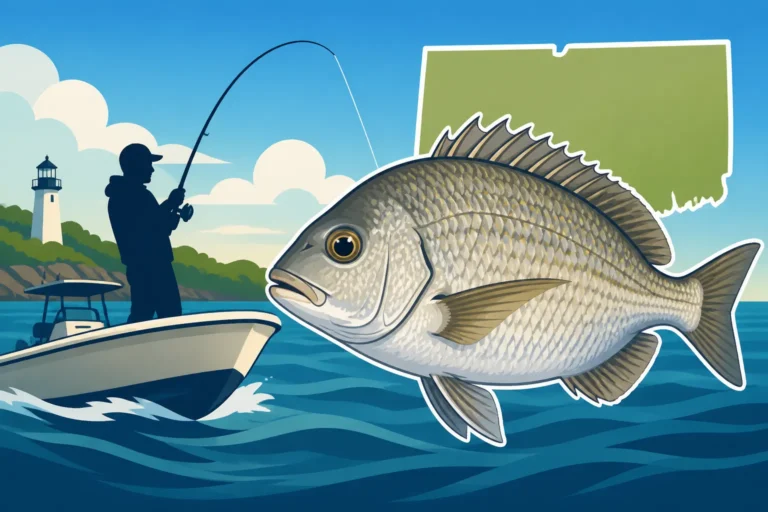
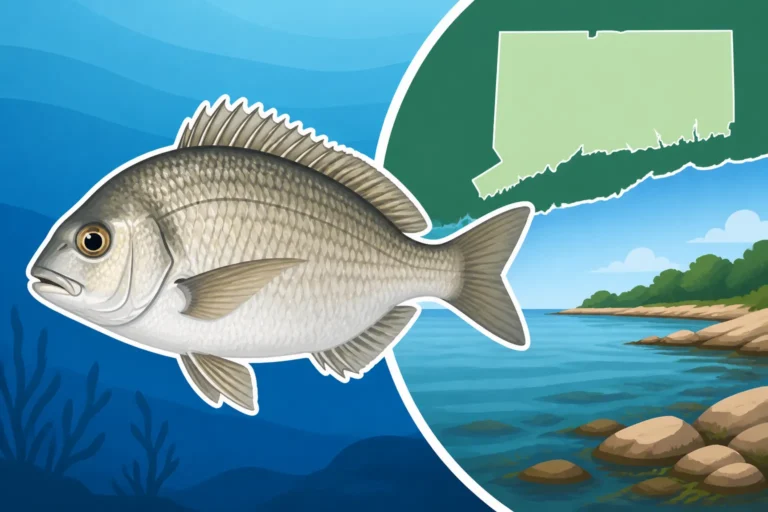
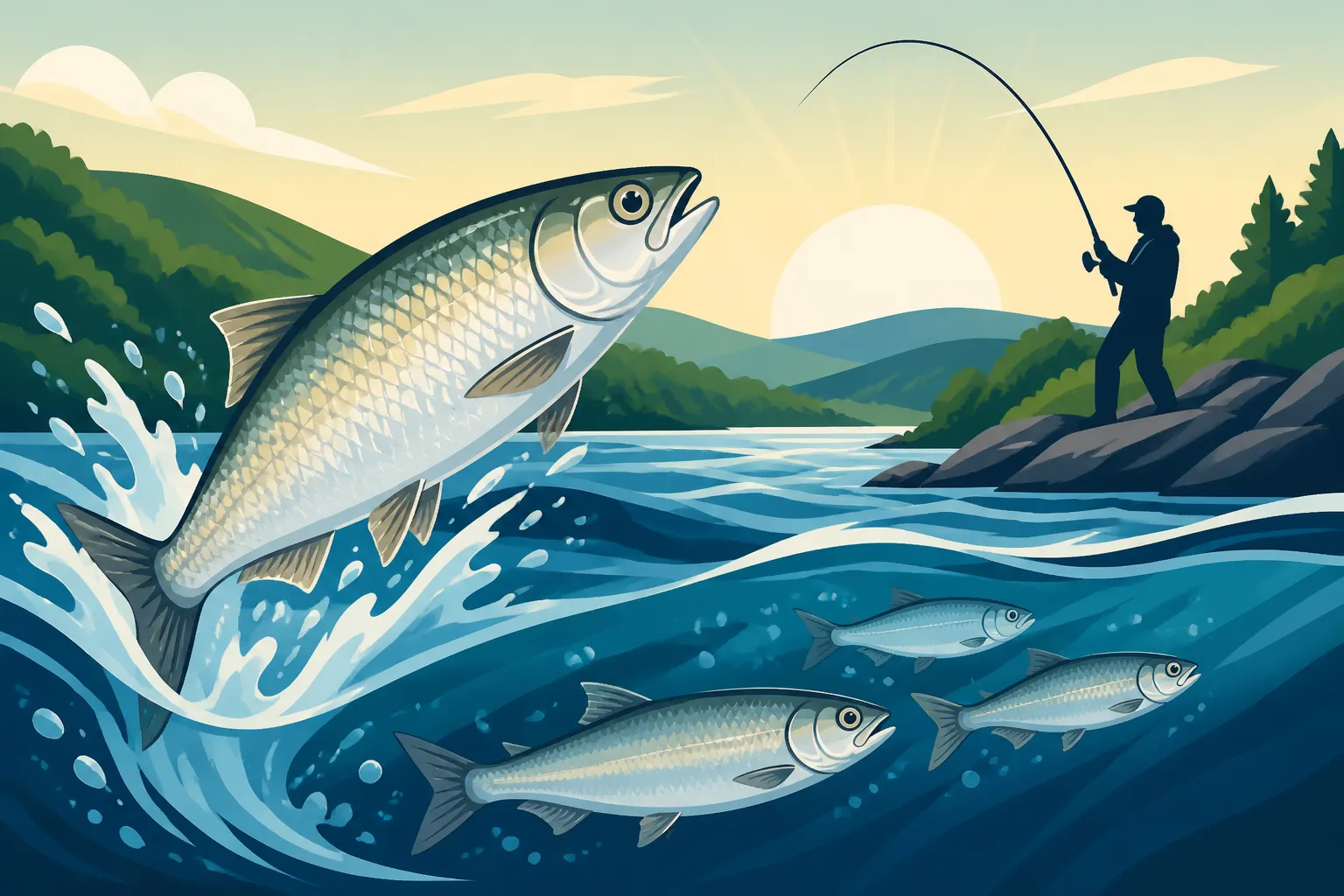
When you hook into an American shad, there's no mistaking it. They possess a sleek, streamlined body, compressed laterally, giving them a distinctly "thin" profile. Their most prominent feature is their dazzling silver coloration, which transitions to a darker, sometimes bluish-green, back. This iridescent silver often shimmers with hints of gold, especially in fresh light, making them truly beautiful fish. They have a deeply forked tail, which is a clear indicator of their powerful swimming ability, allowing them to make those long, arduous migrations.
A key identifier is their relatively large scales, which are easily shed – a characteristic that often means you'll find a few scales left on your hands or boat after landing one! They also have a series of small, dark spots arranged in a row along their sides, usually starting just behind the gill plate. This row of spots can vary in number and prominence, but it’s a helpful diagnostic feature. While there are other similar-looking fish, like herring, shad are typically larger and more elongated. If you're ever in doubt, the combination of their large, silvery scales, compressed body, and distinctive spots usually gives them away.
Life Cycle and Spawning Habits
The life cycle of the American shad is a captivating story of ocean wanderings and freshwater returns. After hatching from eggs in the Connecticut River, the tiny shad larvae drift downstream, eventually reaching the brackish waters of the estuary and then the vastness of Long Island Sound and the Atlantic Ocean. They'll spend anywhere from three to five years maturing in the ocean, feeding on plankton and small invertebrates, growing into the powerful, vibrant fish we target. It's during these years that they store up the energy reserves necessary for their incredible return journey.
When spring arrives, and the water temperatures in the Connecticut River begin to climb, the mature shad feel the ancient call. They enter the river system, typically when water temperatures are consistently in the 50-60 degree Fahrenheit range. Once upstream, they seek out shallow, gravelly areas in the main stem or larger tributaries to spawn. Unlike Pacific salmon, American shad are iteroparous, meaning they don't necessarily die after spawning. Many "survivors," often referred to as "spent" or "downstreamers," will make their way back to the ocean, only to return and spawn again in future years. This ability to return to the ocean after spawning makes conservation efforts even more critical, as it ensures a repeat contribution to future runs.
When and Where to Intercept the Run on the Connecticut River
One of the biggest challenges for any angler targeting American shad is timing. These fish are creatures of habit and temperature, and missing their prime window can mean a frustrating day on the water. But with a little knowledge of their typical patterns and preferred locations, you can significantly increase your chances of being in the right place at the right time. It's about more than just showing up; it's about understanding the rhythm of the river and the fish.
Peak Season and Environmental Factors
The American shad run in the Connecticut River generally kicks off in earnest sometime in April, with fish beginning to stage at the mouth of the river. However, the exact timing and intensity of the run are heavily influenced by environmental factors, most notably water temperature and river flow. A warm, early spring can see fish pushing upstream in full force by mid-April, while a colder, wetter spring might delay the peak until late April or even early May. As a general rule, when the water temperature in the river consistently hits the low to mid-50s Fahrenheit, you can expect the first waves of fish to be moving through. When shad run up the Connecticut River is a topic many anglers watch closely.
River flow, often dictated by spring rains and snowmelt, also plays a critical role. High, muddy water can make fishing challenging, as shad might hold deeper or be harder to locate, and their visibility to lures decreases. Conversely, prolonged periods of low, clear water can also slow their progression. The sweet spot is usually after a good rain has brought a fresh push of water, but when the river has had a few days to settle and clear slightly. Keep a close eye on local river gauges and water temperature reports. The prime window usually lasts through May and into early June, with the peak often occurring around Mother's Day, but it can vary annually.
Prime Fishing Locations Along the River
The Connecticut River offers numerous access points for targeting American shad, both from shore and by boat. As the fish migrate upstream, they’ll generally stick to the main channel or slightly shallower edges, often favoring currents and seams where they can conserve energy while still making progress. One of the earliest and most popular spots to intercept the run is the stretch around Essex and Lyme, near the mouth of the river. Here, anglers often fish from boats, drifting or trolling.
Further upstream, as the river widens and deepens around areas like Haddam, East Haddam, and Middletown, the fishing opportunities continue. Shore anglers often find success at public access points, parks, and bridges that offer access to flowing water. One iconic location is the area around the Windsor Locks Canal State Park, particularly below the dam. This area can concentrate vast numbers of fish as they navigate the fish lift. Other popular spots include the riverbanks in Rocky Hill, Glastonbury, and Hartford. Always consult Connecticut Fishing Season Dates and Closures and local signage for specific regulations and access rules, as some areas may have restrictions or require specific permits. Finding productive water often means looking for current breaks, eddies, and subtle changes in depth where shad might rest or congregate before pushing further upstream.
Gearing Up: Essential Tackle for Connecticut River Shad Fishing
While American shad are known for their incredible fight, they don't require heavy-duty gear. In fact, using lighter tackle is part of what makes shad fishing so exhilarating. The goal is to have a setup that allows for good casting distance, sensitivity to feel those subtle takes, and enough backbone to handle a powerful, acrobatic fish. The right gear makes all the difference, especially when you're battling a school of these hard-fighting fish in a swift current.
Rods, Reels, and Line
For chasing American shad on the Connecticut River, a medium-light to medium action spinning rod, typically in the 6.5 to 7.5-foot range, is generally ideal. This length provides excellent casting distance for reaching prime water and enough leverage to control a fighting fish. A fast or extra-fast tip is a bonus, helping you detect light bites that can sometimes feel like just a slight hesitation in your retrieve. Pair this with a reliable spinning reel in the 2000-3000 size class. You want a reel with a smooth drag system, as shad are notorious for making strong, line-peeling runs, especially in current. A good drag is paramount to preventing break-offs.
When it comes to line, many experienced shad anglers opt for a braided main line, typically 6 to 10-pound test. Braid offers superior sensitivity, allowing you to feel even the slightest tap, and its lack of stretch means better hooksets. However, braid is visible, so it's crucial to tie on a fluorocarbon leader, usually 6 to 8-pound test, directly to your lure. Fluorocarbon is nearly invisible in water and provides excellent abrasion resistance. Some anglers also prefer monofilament line, especially for its stretch which can be more forgiving, in the 6 to 8-pound range. Whichever you choose, ensure your line is fresh and your knots are strong.
Lures and Baits: Shad Darts, Jigs, and Flies
American shad are primarily visual predators in freshwater, keying in on small, flashy lures that imitate their forage. The undisputed king of shad lures is the shad dart. These small, lead-head jigs are designed with a specific weight and profile to dart and swim erratically in the current. They come in a rainbow of colors, but chartreuse, pink, white, and red/white combinations are consistent producers. Having a variety of dart weights (1/8 oz to 1/4 oz) is essential to match different current speeds and depths. You can find excellent selections of these lures on Amazon or at local tackle shops.
Beyond darts, small jigs with plastic grub tails (often in the same chartreuse, pink, or white colors) are also very effective. Small spoons, like Kastmasters or Little Cleos in silver or gold, can also entice aggressive shad, especially when they're schooling. For the fly-fishing enthusiast, small, flashy fly patterns like Clouser Minnows, Lefty's Deceivers, or even simple tinsel flies in size 6-10 are highly productive. These flies often incorporate flashabou or Mylar to mimic the shimmering scales of baitfish. Many anglers will rig two lures in tandem, often a heavier dart or jig on the bottom and a lighter one or a fly on a dropper loop above it, to increase their chances and present different options simultaneously.
Mastering the Art of Shad Fishing: Techniques That Deliver
Catching American shad isn't just about having the right gear; it's about understanding how to present your lure effectively in the river's current. Shad often school tightly and can be incredibly aggressive when they decide to feed, but sometimes they need a little coaxing. Developing a feel for the current, understanding their preferred holding lies, and mastering specific retrieve techniques will significantly improve your success rate.
Casting and Retrieving for Success
The most common and effective technique for shad fishing on the Connecticut River is a controlled drift and retrieve. If you're fishing from shore, cast your dart or jig slightly upstream and across the current, allowing it to sink as it drifts downstream. The goal is to let the current "swing" your lure through the likely holding areas where shad are waiting. As your lure drifts, you'll want to employ a slow, steady retrieve, often with subtle twitches or pauses. The speed of your retrieve should be just fast enough to keep the lure swimming and off the bottom, but slow enough to allow the current to impart natural action.
From a boat, whether anchored or drifting, the principle remains similar. Many boat anglers prefer to anchor upstream of a promising seam or eddy and cast downstream, letting their lures sweep through the strike zone. If drifting, you'll cast ahead of your drift, allowing the lures to cover ground as the boat moves. Pay close attention to your line; shad bites can be very subtle, sometimes feeling like a slight tick or simply a sudden increase in weight. Setting the hook immediately and firmly is crucial. Don't be afraid to experiment with retrieve speed and depth until you find what the fish are responding to that day. Sometimes, a faster, more erratic retrieve is the ticket, while other times, a slow, methodical presentation is key.
Fly Fishing for Shad: A Challenging and Rewarding Pursuit
For those who enjoy the finesse and artistry of fly fishing, chasing American shad offers a unique and incredibly rewarding challenge. It's often referred to as "poor man's fly fishing for tarpon" due to the shad's strong runs and aerial acrobatics. You'll typically want a 6 to 8-weight fly rod, paired with a matching reel equipped with a good disc drag. A weight-forward floating line is a good all-around choice, but some anglers prefer an intermediate or sink-tip line to get their flies down faster in deeper, faster currents.
The key to successful fly fishing for shad is getting your fly into the strike zone and presenting it naturally. Similar to conventional tackle, you'll cast upstream and across, allowing the current to sweep your fly downstream. A common technique involves a "swing" retrieve, where you cast your fly, mend your line to control the drift, and then allow the current to pull the fly in an arc across the river. As the fly swings, a subtle strip-retrieve can add enticing movement. Small, flashy patterns like the Clouser Minnow, often tied in chartreuse, pink, or white, are exceptionally effective. Fly Fishing for Trout in Connecticut techniques often translate well, but shad generally prefer a faster retrieve than trout. The feeling of a powerful shad slamming a fly in a swift current is truly an unforgettable experience.
Preserving the Run: Conservation and Responsible Angling Practices
The incredible American shad run on the Connecticut River isn't a given; it's a gift that requires our collective stewardship to ensure its longevity. Responsible angling practices and a commitment to conservation are paramount to preserving this cherished spring tradition for future generations. We all play a role in maintaining the health and abundance of this vital resource.
Understanding Regulations and Limits
Before you even wet a line, it is absolutely essential to familiarize yourself with the current fishing regulations for American shad in Connecticut. These regulations are in place to manage the fishery sustainably and can change from year to year based on stock assessments and conservation goals. This includes understanding possession limits, any size restrictions, and specific rules for certain sections of the river. For instance, the number of shad you can keep per day is typically regulated to ensure that enough fish make it upstream to spawn successfully.
You'll also need a valid Connecticut fishing license. Depending on where you plan to fish on the Connecticut River, you might need an inland or an all-waters license. Be sure to check Connecticut Inland vs Marine vs All-Waters License, Explained to understand which license applies to your chosen fishing grounds. Ignorance of the law is never an excuse, and violating regulations can lead to fines and penalties. Always make it a point to consult the official Connecticut Department of Energy and Environmental Protection (DEEP) fishing guide each year to stay up-to-date. These guides are readily available online and at license vendors.
Catch and Release Best Practices
While many anglers enjoy keeping a few shad for the table (they are excellent smoked or pan-fried, though bony!), catch and release is also a very important component of responsible angling, especially when you're in the midst of a hot bite and have already reached your limit. Practicing proper catch and release techniques helps ensure that released fish have the best possible chance of survival, allowing them to continue their spawning journey or return to the ocean.
Here are some best practices:
- Minimize Handling: Try to keep the fish in the water as much as possible. If you must remove it, do so quickly and support its body horizontally. Avoid squeezing its belly or gills.
- Barbless Hooks: Consider using barbless hooks, or crimp down the barbs on your darts and jigs. This makes hook removal much easier and less damaging to the fish.
- Quick Release: Have your pliers or forceps ready to quickly remove the hook. If the hook is deeply embedded, it might be better to cut the line as close to the hook as possible rather than tearing tissue.
- Revive Gently: If a fish seems sluggish after the fight, hold it gently upright in the current, facing upstream, until it regains its strength and swims away on its own.
- Photograph Responsibly: If taking a photo, do so quickly, keeping the fish wet and supporting its weight properly.
By following these guidelines, we contribute to the health of the American shad population and ensure that this thrilling spring tradition continues for generations to come. The goal is to enjoy the resource while actively protecting it.
The Future of American Shad on the Connecticut River
The story of American shad on the Connecticut River is one of both historical abundance and modern conservation success. While their numbers faced significant declines in past centuries due to pollution and dam construction, dedicated efforts in fish passage, water quality improvement, and fishery management have allowed the population to rebound significantly. Today, the Connecticut River stands as a beacon of hope for shad runs, demonstrating what can be achieved with sustained environmental stewardship.
Ongoing Conservation Efforts and Challenges
The Connecticut River has seen remarkable improvements in fish passage over the last few decades. Fish ladders and lifts at key dams, such as those in Holyoke and Turners Falls, Massachusetts, have literally opened up hundreds of miles of historical spawning habitat that were once blocked. These engineering marvels, combined with stricter environmental regulations that have improved water quality, have directly contributed to the health and size of the current shad runs. Agencies like the Connecticut DEEP work tirelessly to monitor populations, assess spawning success, and adjust regulations as needed. The American Shad Coalition and other non-profit groups also play a crucial role in advocating for continued conservation and educating the public.
However, challenges remain. Climate change introduces variables like altered water temperatures and unpredictable river flows, which can impact migration timing and spawning success. Habitat degradation in some areas, invasive species, and continued pressure from both recreational and commercial fisheries (in other states) mean that vigilance is always required. The health of the entire ecosystem, from the smallest tributary to the vast Long Island Sound, is interconnected with the fate of the shad. Maintaining healthy runs requires ongoing investment in infrastructure, scientific research, and collaborative management across state lines. It's a continuous effort that relies on the commitment of anglers, conservationists, and policymakers alike.
How Anglers Can Contribute to Shad Conservation
As anglers, we are often the first line of defense and observation when it comes to the health of our fisheries. Our actions on the water, and our engagement off it, can make a real difference for American shad. Beyond adhering strictly to all Connecticut Fishing Regulations Explained and practicing responsible catch and release, there are several ways you can contribute. Reporting unusual fish kills or signs of pollution to the DEEP can provide critical data. Participating in angler surveys, even if it's just reporting your catch or effort, helps biologists monitor the population more effectively.
Educating fellow anglers, especially newer ones, about the importance of conservation and best practices is also invaluable. Being a respectful user of the river, whether from shore or in a kayak (check out Kayak Fishing Techniques for Connecticut Rivers for safety and efficacy tips), ensures access and minimizes impact. Supporting organizations dedicated to river health and fish passage can also amplify conservation efforts. Ultimately, the future of the American shad run relies on a shared ethic of responsibility and a deep appreciation for this incredible migratory fish that enriches our river and our lives each spring. By acting as stewards, we help ensure that the "silver darts" will continue their spectacular journey up the Connecticut River for generations to come.
Disclaimer
This article is for general informational purposes only and does not constitute professional advice. Laws, prices and regulations vary by location and change over time. Consult a qualified professional for guidance on your specific situation.