Best waters for trophy smallmouth bass in Connecticut
Oh, the elusive trophy smallmouth bass in Connecticut! If you've spent countless hours on our beautiful lakes and rivers, casting until your arm aches, dreaming of that giant bronzeback that pulls like a freight train, then you know the frustration of searching for those truly special fish. It’s not just about catching a smallmouth; it's about finding that rare, thick-bodied specimen that makes your drag sing and leaves you with shaky hands. This guide isn't just going to list a few spots; we're going to dive deep into what makes a smallmouth a "trophy" in our waters, where these magnificent fish hide, and the tactics you need to employ to finally connect with one.
Understanding Trophy Smallmouth Bass in Connecticut
Before we even talk about where to find them, let's get on the same page about what we're really looking for. A "trophy" smallmouth in Connecticut isn't just a slightly bigger version of what you usually catch; it's a whole different ballgame.
What Defines a "Trophy" Smallmouth in Connecticut?
When we talk about a "trophy" smallmouth bass here in Connecticut, we're not just talking about something you can brag about—though you certainly can! We're talking about a fish that pushes or exceeds the four-pound mark, often reaching into the five or even six-pound range. These are fish with a girth that makes them look almost football-shaped, shoulders that flare out, and a fighting spirit that will test your tackle and your resolve.
It's about more than just the numbers on the scale, though. A trophy smallmouth is also defined by the experience of catching it. Their powerful runs, incredible leaps, and relentless headshakes are legendary. Unlike their largemouth cousins, which often dog it down in the weeds, smallmouth are open-water fighters that use every ounce of their strength and the surrounding structure to their advantage. Landing one of these giants from a swift river current or deep lake rock pile feels like a true accomplishment. They're a testament to healthy waters, abundant forage, and a bit of angling skill (and luck!). The sheer power and tenacity of a big smallmouth is something you never forget, and it's what keeps us coming back for more, enduring chilly mornings and frustrating days just for that one explosive strike.
Key Factors for Finding Big Smallmouth
So, what makes a smallmouth grow to such impressive sizes in our Connecticut waters? It boils down to a few critical factors: prime habitat, abundant forage, and stable water conditions. You won't find trophy smallmouth just anywhere; they need specific environments to thrive and bulk up.
First off, habitat is everything. Trophy smallmouth love structure, but not just any structure. They gravitate towards deeper, cooler, clear water with plenty of rocks, ledges, submerged humps, and current breaks. Think about it: these spots offer ambush points for prey, protection from predators, and refuge from harsh sunlight or strong currents. In rivers, this means deep pools, eddy lines behind large boulders, and current seams where faster water meets slower water. In lakes, look for offshore humps, rock piles, sudden depth changes, and points that extend into deeper water. These aren't necessarily easy spots to fish, often requiring precision casting or careful boat positioning, but they are where the big ones live. They don't hang out in shallow, muddy flats; they're masters of their domain in the cooler, more complex underwater terrain.
Secondly, forage is absolutely crucial. A smallmouth can't grow big without a consistent and plentiful food supply. In Connecticut, this means a steady diet of alewives, shiners, perch, crayfish, and even smaller panfish. Waters with robust baitfish populations are almost always going to hold bigger smallmouth. If you're fishing a lake that's known for a healthy alewife population, for example, you can bet the smallmouth there are growing fat and happy. Pay attention to signs of baitfish, whether it's nervous surface activity, birds diving, or bait showing up on your electronics. Where the food is, the big predators will follow. These fish are opportunistic feeders, but a dense population of protein-rich meals is what allows them to pack on the pounds and reach that trophy class.
Finally, consistent water conditions play a huge role. Stable water levels, good water quality, and appropriate temperature ranges throughout the year allow smallmouth to feed aggressively and grow without undue stress. Sudden, drastic changes in water temperature or clarity can put them off their feed, impacting their growth. While smallmouth are hardy, they do best in environments where these conditions are relatively consistent, allowing them to establish territories and focus on feeding. Clear water is also a common thread for trophy smallmouth, as they are primarily sight feeders and prefer to hunt in conditions where they can easily spot their prey.
Top Connecticut Waters for Trophy Smallmouth
Connecticut might be a small state, but it boasts some truly exceptional waters for pursuing big smallmouth. From the roaring currents of our largest rivers to the deep, clear basins of our premier lakes, there are specific places where these bronzeback titans thrive.
Premier Rivers Known for Big Bronzebacks
When it comes to river fishing for trophy smallmouth in Connecticut, two names consistently rise to the top: the Housatonic River and certain sections of the Farmington River. These aren't just good rivers; they're legendary among smallmouth enthusiasts.
The Housatonic River is, without a doubt, a smallmouth mecca. Especially the stretch from the Stevenson Dam downstream through Lake Zoar and Lake Lillinonah, and further down towards the tidal influence. This river offers a diverse habitat of deep pools, swift currents, rocky ledges, and submerged timber—all perfect holding grounds for large smallmouth. The lower river sections are particularly renowned for their robust populations of bigger fish, as they have ample forage and extensive rocky structure. Fishing the Housatonic often involves navigating currents, so a boat or kayak is a huge advantage, allowing you to access prime spots that bank anglers can't reach. Look for fish holding on current breaks, behind large boulders, and in the deeper bends. During the spring and fall, these fish can be incredibly aggressive, moving into shallower rocky areas to feed. Housatonic River Fishing Guide can give you more insights into this incredible waterway. Anglers often find success by focusing on areas with a mix of current and deeper slack water, where baitfish can congregate. Early mornings or late evenings tend to be the most productive times, especially during warmer months, as the big smallmouth prefer lower light conditions to ambush their prey.
While the Farmington River is primarily known for its world-class trout fishing, don't sleep on its smallmouth potential, particularly in the lower, warmer sections outside of the primary trout management areas. As the river flows further downstream and warms, it transitions into excellent smallmouth habitat. While you might not find the sheer numbers of trophy fish as in the Housatonic, the Farmington can surprise you with some truly impressive specimens. Look for deeper pools and rocky stretches where the water has a bit more flow. Smallmouth here often feed on crayfish and hellgrammites, so lures that imitate these creatures can be incredibly effective. The challenge and reward of pulling a big smallmouth from a river more famous for trout adds an extra layer of satisfaction. It's a testament to the versatility of this river. Farmington River West Branch Trout Fishing focuses on trout, but understanding river dynamics here can help you find those smallmouth.
Lakes and Ponds with Proven Trophy Potential
Beyond our rivers, Connecticut's lakes offer incredible opportunities for trophy smallmouth, with some truly standing out as premier destinations. These impoundments provide stable, deep environments where smallmouth can grow to truly enormous sizes.
Candlewood Lake is arguably Connecticut's crown jewel for trophy smallmouth bass. This massive, deep, clear-water lake in Western Connecticut is consistently ranked as one of the best bass fisheries in the Northeast. Its vast expanses of rocky points, submerged humps, deep drop-offs, and clear water create the perfect environment for smallmouth to thrive. Fish here often exceed four pounds, with many reaching the five and even six-pound range. Anglers targeting trophy smallmouth on Candlewood often rely on electronics to locate structure and schools of baitfish in deeper water. Drop-shotting, jigging tubes, and casting deep-diving crankbaits are popular and effective techniques. The lake is heavily pressured, so targeting these bigger fish often requires patience and a willingness to explore less obvious spots. However, the reward of a true Candlewood giant is unparalleled. Candlewood Lake Bass Fishing offers specific tactics for this phenomenal lake. During late spring, when smallmouth are often shallower for spawning, or in the fall as they aggressively feed before winter, the chances of encountering a true lunker increase dramatically.
Lake Lillinonah and Lake Zoar, both impoundments on the Housatonic River, also offer excellent trophy smallmouth opportunities, often considered extensions of the river fishery but with lake-like characteristics. These lakes are known for their abundant alewife populations, which fuel the growth of very large smallmouth. Like Candlewood, they feature extensive rocky structure, deep channels, and submerged timber. Fishing here can be very productive, especially around rocky points and channel swings. The current from the river keeps the water oxygenated and brings a steady supply of food, creating dynamic environments where smallmouth are always on the hunt. Lake Lillinonah Fishing Guide and Lake Zoar Fishing Guide delve deeper into these productive waters. Anglers frequently find success here by targeting transition areas where shallow flats meet deeper water, especially those littered with boulders or old stumps.
Other lakes worth considering include Squantz Pond, which is connected to Candlewood and shares similar characteristics, and sometimes even larger natural lakes with diverse forage and good depths. The common theme among these trophy waters is clear, cool water, abundant forage, and complex underwater structure.
Here's a quick look at some top trophy smallmouth waters:
| Water Body | Type | Key Features | Prime Time | Common Techniques | Notes |
|---|---|---|---|---|---|
| Candlewood Lake | Lake | Deep, clear, rocky points, humps, ledges | Spring, Fall | Drop-shot, Tubes, Jigs | Premier trophy lake, heavily pressured |
| Housatonic River | River | Strong current, deep pools, boulders, ledges | Spring, Fall | Swimbaits, Crankbaits, Jigs | Excellent current-loving fish |
| Lake Lillinonah | Lake/River | Rocky structure, deep channels, alewives | Spring, Fall | Jigs, Spoons, Crankbaits | Impoundment of Housatonic, great forage |
| Lake Zoar | Lake/River | Similar to Lillinonah, abundant baitfish | Spring, Fall | Drop-shot, Tubes, Ned Rig | Connected to Housatonic, good for walleye too |
| Farmington River | River | Rocky runs, deeper pools (lower sections) | Summer, Fall | Craw imitations, Tubes | Primarily trout, but good smallmouth in lower reaches |
Techniques and Strategies for Targeting Trophy Smallmouth
Catching a true trophy smallmouth isn't usually an accident. It often requires specific techniques, an understanding of their behavior, and a willingness to adapt. These are smart fish, and the biggest ones are the wisest of the bunch.
Best Lures and Baits for Big Smallmouth
When you're after those behemoth smallmouth, you need to present them with something they can't resist, something that looks like a substantial meal. While they'll hit smaller baits, going a bit bigger often weeds out the smaller fish and appeals to the true giants.
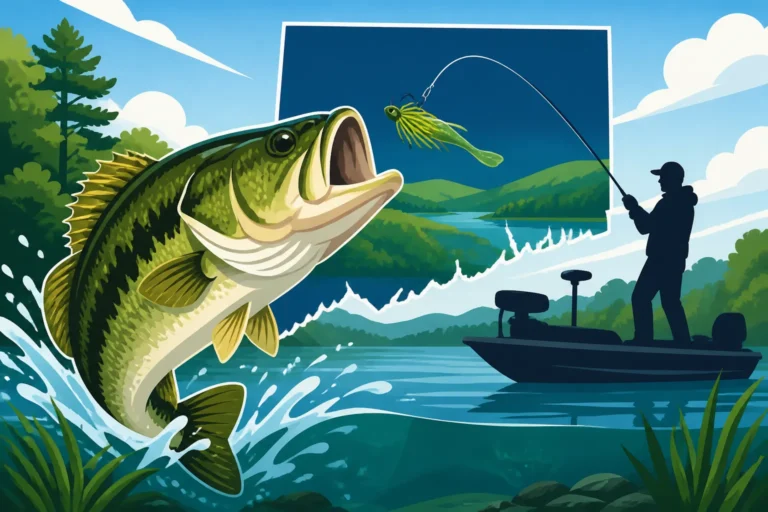
One of the most consistently productive categories is jigs and soft plastics. Tube jigs, in particular, are absolute smallmouth magnets. Rigged on an internal jig head, tubes mimic crawfish or baitfish incredibly well. Work them slowly along the bottom, hopping and dragging them over rocky terrain where smallmouth forage. Colors like green pumpkin, watermelon, or brown with some flake are always good bets. You can find a huge variety of tube jigs and jig heads on Amazon to stock your tackle box. Ned rigs, a finesse technique, can also be surprisingly effective for larger smallmouth, especially in clear, pressured waters, offering a subtle presentation that big fish often can't ignore. Grubs and creature baits, fished on a jig head or Carolina rig, also do an excellent job imitating crawfish, a primary food source for big smallmouth.
Crankbaits and jerkbaits are also vital tools, especially when fish are actively feeding or suspended over deeper structure. Deep-diving crankbaits are perfect for probing those rocky humps and ledges in Candlewood or the deep pools of the Housatonic. Choose natural baitfish patterns for clear water. Jerkbaits, with their erratic, darting action, are deadly when smallmouth are aggressive, particularly in cooler water during spring and fall. These baits trigger reaction strikes that can entice even the wariest of trophy fish. You'll want to experiment with retrieve speeds and pauses to find what the fish prefer on any given day.
Don't forget topwater lures during prime conditions. Poppers, walking baits, and prop baits can deliver some of the most exhilarating strikes in fishing. While often associated with largemouth, trophy smallmouth will absolutely explode on a topwater lure, especially at dawn, dusk, or on overcast days. There's nothing quite like seeing a massive bronzeback blast a topwater bait off the surface. These baits are especially effective when smallmouth are hunting baitfish near the surface around rocky points or submerged cover. Finding the "sweet spot" for Best Smallmouth Bass Lures for the Housatonic in Summer might just land you that personal best!
Advanced Tactics for Pressured Waters
Connecticut's best smallmouth waters, especially places like Candlewood Lake, can see a lot of angling pressure. This means the biggest, smartest fish aren't just going to bite any old thing you throw at them. You need to employ more advanced tactics to fool these wary veterans.
One of the most critical tools for advanced smallmouth anglers is high-quality electronics. Modern fish finders with side imaging and down imaging capabilities are no longer a luxury; they're almost a necessity for consistently finding trophy smallmouth on large lakes. Use your electronics to scan offshore humps, deep ledges, and transition areas for subtle changes in bottom composition or, more importantly, to mark individual fish or schools of bait. Once you locate fish on your screen, you can precisely position your boat to make targeted casts with drop-shots, football jigs, or even live bait presentations. Understanding your electronics allows you to "fish smarter, not harder" and spend less time blindly casting and more time on active fish. You can find fantastic marine electronics and transducers on Amazon that will give you an edge.
Finesse techniques become paramount in clear, pressured waters. While bigger baits can attract bigger fish, sometimes a more subtle approach is required. Drop-shotting with small, soft plastic minnows or worms is incredibly effective for vertically presenting a bait to suspended smallmouth or those holding tight to deep structure. The key is to use light line, small hooks, and minimal weight to make the bait look as natural as possible. Similarly, the Ned Rig, mentioned earlier, provides a minimalist presentation that often triggers bites from hesitant fish. Learning to feel the subtle bites on light line and understanding the importance of line visibility are key components of successful finesse fishing.
Finally, timing and stealth can make a huge difference. Fishing during off-peak hours, like pre-dawn, late evening, or even at night (where permitted and safe), can put you on fish that are less wary. Smallmouth, especially the larger ones, are often more active and less cautious under low-light conditions. Also, approaching your spots quietly, using a trolling motor instead of a noisy outboard, and making long, accurate casts that don't spook the fish are crucial. These big fish didn't get big by being stupid; they've learned to avoid obvious threats. A stealthy approach and an understanding of when and how they feed in various light conditions will significantly increase your odds.
Seasonal Considerations for Trophy Smallmouth
Smallmouth bass behavior, and thus your fishing strategy, changes dramatically throughout the year. Understanding these seasonal patterns is key to consistently catching trophy fish.
In spring, as water temperatures rise, smallmouth bass begin to move out of their deep winter haunts and transition towards shallower spawning grounds. This pre-spawn period is one of the best times to catch trophy fish, as they are actively feeding to bulk up for spawning. Look for them on rocky points, shallow humps, and secondary breaks leading into spawning flats. Jerkbaits, crankbaits, and tube jigs can be incredibly effective during this time. As the water warms further and they move to spawn, they become very aggressive defending their nests. Post-spawn, they might be a bit lethargic but will soon resume active feeding. Pay attention to water temperatures; the magic range for pre-spawn activity is often in the mid-40s to low 50s Fahrenheit. You can delve into Connecticut Fishing Seasons by Month for a broader overview.
Summer can be a bit more challenging for trophy smallmouth, especially in the heat of midday. Many of the bigger fish will retreat to deeper, cooler water, often suspending over offshore humps, rock piles, or congregating around thermal breaks. This is when your electronics really shine. Drop-shotting, deep-jigging, and slow-rolling large swimbaits on heavy jig heads are productive. Early mornings and late evenings can still produce topwater bites or shallow-water action as fish briefly move up to feed. Understanding Best Water Temperature for Smallmouth Bass Fishing will guide your summer efforts. During the hottest parts of the day, focus on the deepest, coolest parts of the lake or river with overhead cover or significant structure.
Fall is another fantastic time for trophy smallmouth. As water temperatures begin to drop, smallmouth go on a major feeding binge, trying to pack on weight before winter. They often become incredibly aggressive and can be found in a variety of depths, from shallower rocky points to deeper humps, chasing baitfish schools. Crankbaits, jerkbaits, and larger swimbaits can be incredibly effective as smallmouth actively pursue bait. This "fall bite" can be intense and last for weeks, offering some of the best opportunities of the year to connect with a true lunker. As winter approaches, they'll eventually settle into their deeper wintering holes.
Winter fishing for smallmouth in Connecticut is certainly possible, especially through the ice on larger lakes, but it requires patience and specific tactics. Smallmouth will typically school up tightly in deep basins, often suspending over the deepest parts of the lake or river. Vertical jigging with spoons, blade baits, or small soft plastics can entice bites. It's a game of patience and precision, but catching a big smallmouth through the ice is a unique and rewarding experience.
Conservation and Responsible Angling Practices
Catching a trophy smallmouth is an incredible experience, and ensuring these magnificent fish continue to thrive for future generations is paramount. Responsible angling practices are not just good etiquette; they're essential for the health of our fisheries.
Catch and Release Best Practices for Trophy Fish
When you're targeting trophy smallmouth, the intention is often to catch and release them, allowing them to grow even larger and contribute to the breeding population. Proper catch and release techniques are crucial to maximizing their survival rate.
First and foremost, minimize the fight time, especially on warmer days or when fishing deep. While a long battle is exhilarating, it exhausts the fish. Use appropriate tackle that can handle the fish quickly and efficiently, without putting undue strain on the fish or your gear. Once the fish is landed, handle it as little as possible. If you must hold it for a quick photo, support its weight horizontally with both hands, one under the belly and the other gently gripping the lower jaw. Avoid holding a large smallmouth vertically by the jaw alone, as this can damage its internal organs and jaw structure.
Secondly, use barbless hooks or pinch down the barbs on your hooks. This makes hook removal much easier and quicker, reducing stress and injury to the fish. Have a pair of long-nosed pliers or a de-hooking tool readily available. If the fish is deeply hooked, it's often better to cut the line as close to the hook as possible rather than tearing tissue trying to remove it. Get the fish back in the water as quickly as possible. If it seems sluggish, hold it gently in the water, facing into the current, and allow water to flow over its gills until it swims away under its own power. Sometimes a gentle back-and-forth motion can help revive it, but avoid vigorous pumping which can damage the gills. These same principles apply when fishing for other trophy species, like striped bass, so check out Striped Bass Catch and Release Survival Tips for more general guidance.
Understanding Regulations and Limits
Fishing in Connecticut, like anywhere else, comes with rules designed to protect fish populations and ensure sustainable angling for everyone. These regulations can change, so staying informed is your responsibility.
Always consult the current Connecticut Angler's Guide, published annually by the Connecticut Department of Energy and Environmental Protection (DEEP), before you head out. This guide provides detailed information on statewide smallmouth bass regulations, including minimum size limits, daily creel limits, and specific rules for certain waters. For example, some waters might have special regulations that differ from the statewide standard, such as "catch and release only" or specific slot limits designed to protect larger fish. Understanding Connecticut Fishing Regulations Explained is critical to ensuring you're always fishing legally and responsibly.
Beyond legal compliance, understanding the spirit of the regulations is important. Minimum size limits are designed to allow fish to reach sexual maturity and reproduce at least once before being harvested. Catch and release practices, particularly for trophy-sized fish, further support the population by allowing those larger, genetically superior individuals to continue contributing to the fishery. By staying informed and adhering to these rules, you play an active role in maintaining Connecticut's fantastic smallmouth bass fishing for years to come.
Disclaimer
This article is for general informational purposes only and does not constitute professional advice. Laws, prices and regulations vary by location and change over time. Consult a qualified professional for guidance on your specific situation.