How to tell fluke from winter flounder
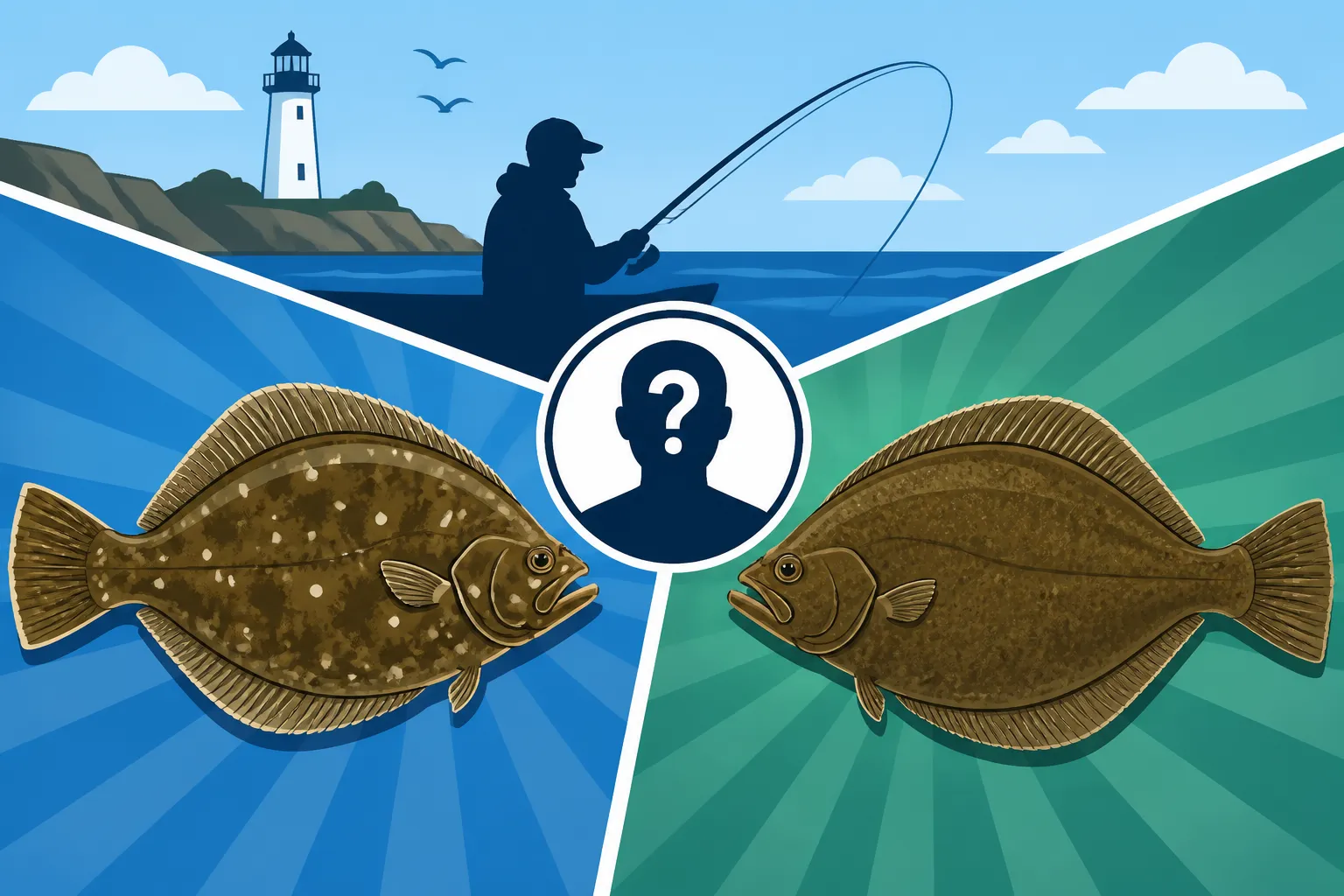
It's a common dilemma out on the water here in Connecticut: you've reeled in a flatfish, and now you're staring at it, scratching your head. Is it a fluke, also known as summer flounder, or its cousin, the winter flounder? Trust me, you're not alone in this confusion. These two popular bottom dwellers can look strikingly similar at first glance, but knowing the subtle (and sometimes not-so-subtle) differences is crucial not just for bragging rights, but for staying within our state's fishing regulations. This guide is going to walk you through exactly how to tell fluke from winter flounder, making sure you can confidently identify your catch every time.
The Perplexing Flatfish Family: Why It's So Easy to Confuse Them
Flatfish are fascinating creatures, perfectly adapted to life on the seafloor. They start out looking like normal fish, but as they grow, one eye actually migrates to the other side of their head, allowing them to lie flat and still on the bottom, with both eyes looking upwards. This unique adaptation is why they're so good at ambushing prey or hiding from predators. But it's also why telling similar species apart can be a real head-scratcher. Both fluke and winter flounder share this flat, camouflaged body, and both are highly sought-after for their delicious white meat and the thrilling fight they offer.
Imagine you're out on Long Island Sound Fishing Guide, and you feel that distinctive tap-tap-tap on your line. You set the hook, reel it in, and there it is: a broad, flat fish. The initial excitement is quickly followed by that moment of doubt. Is it keeper-sized? What are the limits for this species? The pressure is on, especially if you're with friends or family. Knowing what you've caught on sight, before it even hits the deck, can save you a lot of hassle and ensure you're compliant with all the rules. It's a skill that comes with practice, but understanding the key identifiers is step one.
Unmistakable Markers: Eye Placement, Mouth Shape, and Coloration
When you're trying to identify your catch, these three features are your absolute best friends. They are the primary biological distinctions that will immediately tell you if you've got a fluke or a winter flounder on your hands. Pay close attention, and you'll become a pro in no time.
Eye Placement: The Most Obvious Clue
This is, without a doubt, the number one thing to check, and it’s surprisingly straightforward once you know what you're looking for. Flatfish are either "right-eyed" or "left-eyed," meaning both eyes are on either the right side or the left side of their body when viewed with their belly down and head facing left.
-
Fluke (Summer Flounder): These fish are left-eyed. To determine this, hold the fish with its dark, eyed side facing you and its head pointing to your left. If both eyes are on the side now facing you, and the mouth opens towards the left, then it’s a fluke. Their left eye has migrated over, giving them a distinct look. Think "L" for "Left-eyed" and "L" for "Lunker Fluke!" This characteristic is consistent across all fluke, regardless of size or geographic location within their range. Even a small "doormat" fluke will exhibit this trait perfectly.
-
Winter Flounder: In contrast, winter flounder are right-eyed. Again, hold the fish with its dark, eyed side facing you and its head pointing to your left. If both eyes are on the side now facing you, and the mouth opens towards the left, but the eyes are on the right side of the fish's actual head, then it's a winter flounder. Their right eye has made the journey. If you’re ever unsure, just remember the simple rule: fluke look left, winter flounder look right (when their head is pointed left). This is the biological equivalent of a fingerprint for these fish.
Mouth Shape and Teeth: Predators vs. Bottom Feeders
Beyond eye placement, the mouth tells a significant story about how these fish live and what they eat. It's a clear indicator of their primary diet and hunting strategy.
-
Fluke (Summer Flounder): Take a good look at a fluke's mouth, and you'll immediately see its predatory nature. They have a relatively large mouth that extends back to or even past the eye. Inside, you'll find an impressive set of sharp, conical teeth. These aren't tiny little nubs; these are serious choppers designed to grab and hold onto mobile prey. Fluke are ambush predators that feed on smaller fish like baitfish, squid, and crustaceans. They lie in wait, often partially buried in the sand or mud, and erupt with surprising speed to snatch their meal. When you're using lures like bucktails or soft plastics for How to Catch Fluke in Long Island Sound, you're mimicking the prey they actively hunt.
-
Winter Flounder: The winter flounder's mouth is a stark contrast. It's much smaller, typically only reaching to the front of the eye, and its lips are often thicker. If you carefully examine the inside, you'll find small, blunt teeth. These aren't for chasing down speedy baitfish. Winter flounder are primarily bottom feeders, grazing on small invertebrates like marine worms, small clams, crustaceans, and other benthic organisms they find in the sand or mud. They "hoover" up their food rather than actively hunting it. This difference in mouth structure reflects their distinct ecological roles and feeding habits. When you're fishing for winter flounder, you're usually using small baits like clam worms or pieces of clam on a high-low rig, precisely because their mouth is designed for picking up tiny morsels off the seafloor.
Coloration and Patterns: Masters of Camouflage
Both species are champions of camouflage, able to change their coloration to match their surroundings. This makes them incredibly effective at blending in with the ocean floor, but there are some general patterns and color tendencies that can help you distinguish them.
-
Fluke (Summer Flounder): Fluke tend to have a lighter, often mottled brown or grayish-brown dorsal side, which is the side with their eyes. They frequently have distinct, scattered spots or blotches that are darker and sometimes appear almost iridescent blue or reddish. These spots are often quite pronounced and can help them blend into a sandy, pebbly, or shell-strewn bottom. Their underside (blind side) is typically stark white. The lateral line, which is the sensory organ running along the side of the fish, usually forms a distinct arch over the pectoral fin on a fluke.
-
Winter Flounder: Winter flounder generally exhibit a darker, more uniform coloration on their eyed side, often ranging from dark olive green to dark brown or even black. While they can have some blotchiness, it's usually less distinct and more subtle than the fluke's prominent spots. Their color tends to be less mottled and more solid, perfectly matching muddy or silty bottoms. Their underside is also white, though it can sometimes have a yellowish tint around the fins. One subtle but often reliable detail for winter flounder is that their lateral line is typically straight, without the distinct arch seen in fluke. This straight lateral line, coupled with the smaller mouth and right-eyed orientation, creates a comprehensive identification profile.
Here’s a quick comparison table to help you remember these critical differences:
| Feature | Fluke (Summer Flounder) | Winter Flounder |
|---|---|---|
| Eye Placement | Left-eyed (eyes on the left when head faces left) | Right-eyed (eyes on the right when head faces left) |
| Mouth | Large, extends past eye, sharp conical teeth | Small, reaches only to front of eye, small blunt teeth |
| Color/Pattern | Lighter mottled brown/gray, distinct scattered spots | Darker, more uniform olive/brown, less distinct blotches |
| Lateral Line | Distinct arch over pectoral fin | Generally straight |
| Body Shape | More elongated, slender body | More rounded, oval body |
Beyond the Looks: Habitat, Diet, and Behavior
While visual cues are paramount, understanding where these fish live, what they eat, and how they behave can also reinforce your identification and even help you target one species over the other.
Where They Live: From Shallow to Deep
Their names actually give you a pretty big hint about their preferred temperature and habitat, though there's overlap in their ranges.
-
Fluke (Summer Flounder): As their common name suggests, "summer flounder" thrive in warmer waters. They migrate into shallower bays, estuaries, and nearshore waters of Long Island Sound Fishing Guide as water temperatures rise in late spring and summer. You'll often find them over sandy or muddy bottoms, particularly near structure like mussel beds, rocky areas, or channel edges where baitfish might congregate. They prefer depths from shallow flats to about 100 feet. If you're fishing in relatively shallow, warmer areas during the summer, chances are high you're encountering fluke. Fluke Fishing in Long Island Sound is a prime example of their preferred summertime haunts.
-
Winter Flounder: "Winter flounder" prefer colder water. They move into shallower bays and estuaries during the cooler months, from fall through spring, often retreating to deeper, offshore waters during the heat of summer. They are commonly found over soft, silty, or muddy bottoms in relatively shallow, protected areas like harbors, creeks, and salt ponds, especially in early spring. They are incredibly tolerant of cold water, even ice-covered areas. If you're out fishing in the chillier months or in very cold, still water, you're more likely to be targeting winter flounder.
How They Feed: Ambush vs. Grazing
Their mouth structure clearly dictates their feeding behavior. Knowing this can help you pick the right gear and approach.
-
Fluke (Summer Flounder): These are sight-oriented, opportunistic ambush predators. They lie flat on the bottom, often partially buried with just their eyes protruding, waiting for an unsuspecting baitfish or squid to swim by. Then, with a sudden burst of speed, they dart out and engulf their prey. This is why techniques like drifting with bait (spearing, squid strips, or live minnows) or jigging with bucktails and soft plastics are so effective for How to Catch Fluke in Long Island Sound. The presentation needs to mimic something alive and edible moving through the water column or along the bottom.
-
Winter Flounder: These fish are methodical bottom feeders. They "graze" along the seafloor, using their small mouths to suck up worms, small crustaceans, and other invertebrates from the substrate. They don't typically chase down fast-moving prey. This is why bait fishing with small pieces of clam, sandworms, or bloodworms on a simple bottom rig is the most successful method. The bait needs to be presented directly on the bottom, often still, for them to find and consume it. They rely more on scent and proximity than on visual pursuit.
Seasonal Movements in Connecticut Waters
The timing of their presence in accessible nearshore waters is another huge identifier here in Connecticut.
-
Fluke (Summer Flounder): You'll generally find the best Fluke Fishing in Long Island Sound from late spring, through summer, and into early fall. As the water cools in late fall, they move offshore into deeper, warmer waters to overwinter. So, if it’s July and you're catching flatfish, it’s almost certainly a fluke.
-
Winter Flounder: These fish are present in shallower, inshore areas during the colder months, primarily from late fall through spring. They are a beloved target for early spring anglers, sometimes even before the ice officially melts in some protected coves. As summer heat arrives, they generally move to deeper, cooler offshore locations. If it's early April and you're fishing a shallow bay, you're almost certainly targeting winter flounder. Understanding Connecticut Fishing Season Dates and Closures for both species is crucial.
Why Accurate Identification is Crucial for Connecticut Anglers
It's not just about knowing what you caught; it's about responsible angling and adhering to regulations that protect these valuable fish populations. Misidentification can lead to serious consequences.
Handle With Care: Protecting Our Fish
Regardless of what you've caught, proper fish handling is always important, especially for species you intend to release. Both fluke and winter flounder can be delicate, particularly their eyes and slime coat.
When you bring a flatfish aboard, try to handle it gently. If you need to measure it, lay it flat on a measuring board or a damp surface. Avoid letting it flop around on a dry deck. If you're using a lip gripper, be very careful, as their mouths can be soft. If you determine it's undersized or you're simply practicing catch and release, get it back into the water quickly and gently. Using barbless hooks can also help minimize stress and injury during release. You might find a compact fishing multi-tool that includes a de-hooker on Amazon that can make the process smoother.
Double-Checking Regulations: Why It Matters
Connecticut has specific regulations for both fluke and winter flounder, covering minimum size limits, daily creel limits, and season dates. These regulations are in place to ensure sustainable fish populations for future generations of anglers.
- Connecticut Fishing Regulations Explained are complex and vary by species. For example, the minimum size limit for fluke can be quite different from that for winter flounder. If you mistakenly identify a small winter flounder as a keeper fluke, or vice-versa, you could be facing fines.
- The Department of Energy and Environmental Protection (DEEP) publishes an annual Reading the Connecticut Fishing Guide that details all these specifics. Always check the most current guide before you head out, or download a digital version to your phone.
- Specific rules, like Connecticut Fluke and Summer Flounder Regulations or Winter Flounder in Connecticut Waters will outline exactly what you can keep. There might even be different regulations for various bodies of water. Don't risk a costly citation due to a simple case of mistaken identity!
Using Tools for Identification
Sometimes, even with all the knowledge in the world, you might still feel a bit unsure, especially with smaller specimens or if you're a beginner. That's perfectly okay! There are tools that can help.
- Laminated Fish Identification Cards: Many tackle shops and online retailers sell waterproof, laminated fish ID cards that show common species in a given area. These often include visual cues like eye placement, mouth shape, and typical coloration. A quick glance at one of these, perhaps purchased from Amazon before your trip, can clear up any doubt.
- Measuring Devices: Always carry a reliable measuring device. Whether it’s a tape measure attached to your boat or a portable fish ruler, accurate measurement is crucial for complying with minimum size limits. Some anglers even prefer a dedicated bump board for consistent measurements.
- Smartphone Apps: There are various fishing apps available that can help with fish identification and even keep you updated on regulations. A quick photo and comparison might be all you need. Just make sure your phone is protected in a waterproof case, which you can easily find on Amazon.
- Experienced Anglers or Charter Captains: If you're fishing with someone more experienced, don't hesitate to ask! Most seasoned anglers are happy to share their knowledge. If you're on one of the Best Fishing Charters in Connecticut, your captain or mate will be able to identify your catch instantly and explain why. They do this all day, every day!
By taking the time to learn these key differences and always double-checking the regulations, you'll not only become a more knowledgeable angler but also contribute to the conservation efforts that keep our Connecticut waters abundant.
Disclaimer
This article is for general informational purposes only and does not constitute professional advice. Laws, prices and regulations vary by location and change over time. Consult a qualified professional for guidance on your specific situation.