Largemouth Bass Fishing in Connecticut
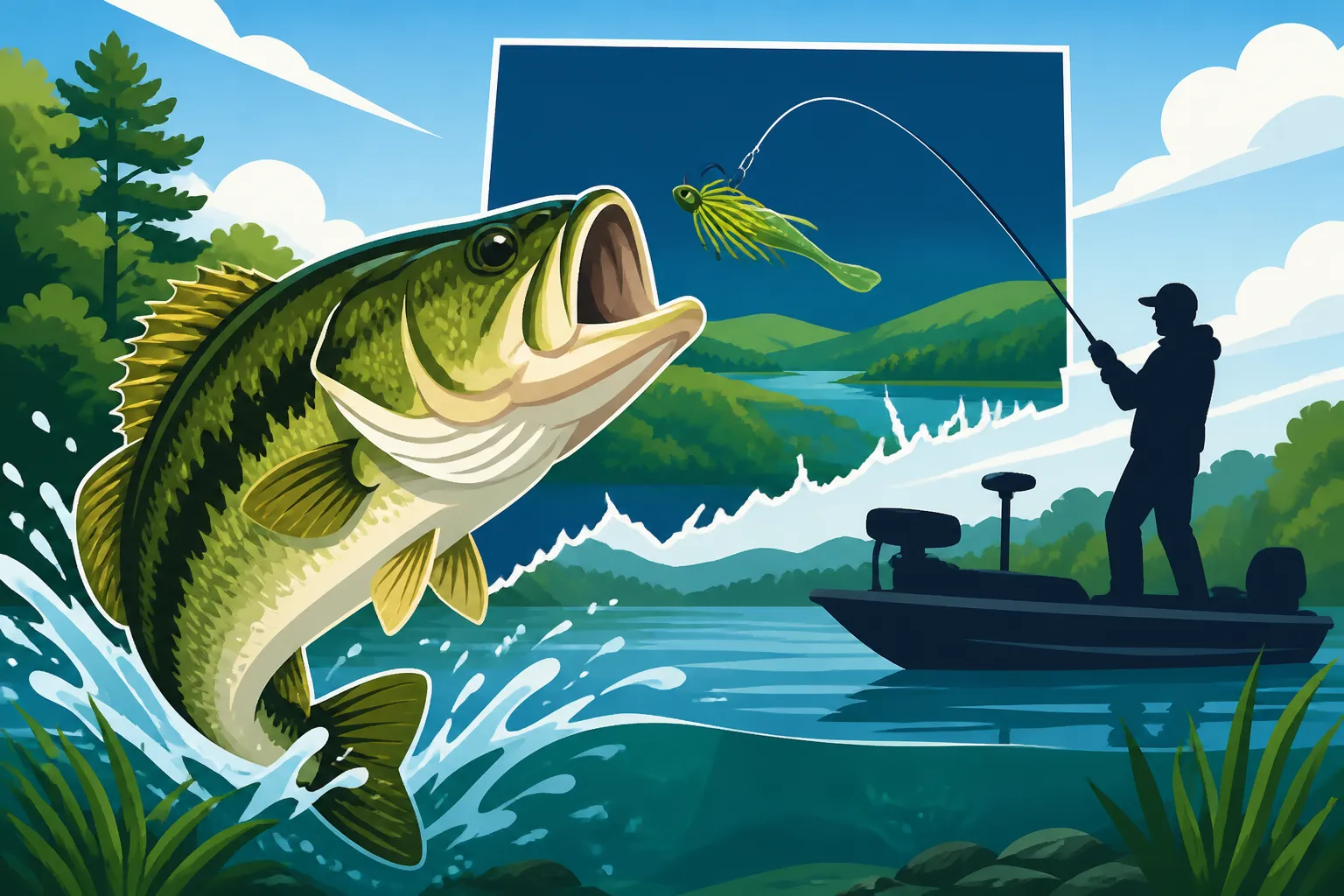
There's nothing quite like the thrill of a Connecticut largemouth bass absolutely crushing a topwater lure at dawn, or feeling that satisfying thud when a big one inhales your jig deep in the weeds. But let's be real, while our state has some incredible bass fishing, it's not always a walk in the park. Anglers often struggle to consistently locate these notoriously cagey fish, especially when the weather shifts, or they find themselves in unfamiliar waters. Many folks also get hung up on what gear to use or the best techniques for different seasons, leading to frustration and fewer fish in the net. This comprehensive guide is here to cut through the confusion, offering you the detailed insights, location tips, and tactical advice you need to confidently target and catch more largemouth bass across Connecticut's diverse waters.
Understanding Connecticut's Largemouth Bass Population
Largemouth bass are an iconic freshwater sportfish, and Connecticut is absolutely teeming with them. They're known for their aggressive strikes, impressive acrobatics, and their willingness to ambush prey, making them a favorite among anglers. But to consistently catch them, you really need to understand what makes them tick – their habits, their preferred habitats, and how they differ from their smallmouth cousins.
The Biology and Behavior of Largemouth Bass
Largemouth bass are typically green with a dark, horizontal stripe running down their flanks, though their coloration can vary greatly depending on the water clarity and bottom composition. What really sets them apart, physically, is that their upper jaw extends well beyond the back of their eye when their mouth is closed. This is a crucial identifier, especially if you're trying to distinguish them from smallmouth bass, whose jaw typically doesn't extend past the eye.
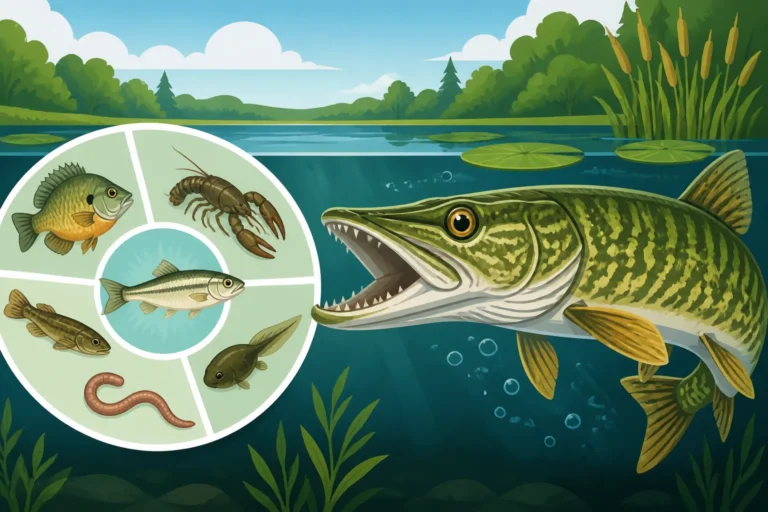
Behaviorally, largemouth bass are ambush predators. They love structure and cover – think lily pads, submerged logs, weed lines, docks, and brush piles. These areas provide them with both shelter from predators and ideal hiding spots to surprise their meals. Their diet is incredibly varied, ranging from baitfish like shiners, alewives, and bluegill to crawfish, frogs, and even small rodents or birds that happen to fall into the water. They are opportunistic feeders, always on the lookout for an easy meal, which is why mimicking their natural prey with artificial lures or live bait can be so effective. Understanding their predatory instincts is key to presenting your offering in a way that triggers a strike.
Largemouth vs. Smallmouth: Knowing the Difference
Many new anglers, and even some seasoned ones, can sometimes confuse largemouth and smallmouth bass. While both are fantastic sportfish found in Connecticut, they have distinct preferences and characteristics that influence how and where you fish for them. Beyond the jawline difference mentioned earlier, smallmouth bass tend to have vertical stripes or blotches on their sides, not the distinct horizontal bar of a largemouth.
More importantly, their preferred habitats are quite different. Largemouth bass, as we've discussed, thrive in warmer, shallower, and more vegetated waters. They love the calm, murky coves of lakes and ponds, or slow-moving sections of rivers. Smallmouth bass, on the other hand, are often found in cooler, clearer, and deeper waters with rocky bottoms, gravel, and stronger currents, such as the Housatonic River or deeper sections of Candlewood Lake. Knowing which species you're targeting will dramatically impact your choice of fishing spot and presentation. If you want to dive deeper into how to tell them apart and what that means for your fishing, check out our guide on Largemouth Bass vs Smallmouth Bass Identification.
Where to Find Largemouth Bass in Connecticut
Connecticut is truly blessed with an abundance of excellent largemouth bass habitat, from expansive lakes to secluded ponds and tranquil river sections. The key is knowing where to look and what types of structure these fish gravitate towards. It's not just about picking a body of water, but about understanding the hidden gems within it.
Top Lakes and Ponds for Largemouth Action
When people think of largemouth bass fishing in Connecticut, certain names always come up, and for good reason. These waters consistently produce quality fish, often with the chance of landing a real lunker.
Candlewood Lake: While famous for its smallmouth bass, Candlewood Lake also holds an impressive population of largemouth, particularly in its shallower coves and around its abundant submerged timber and weed lines. Areas like Squantz Pond or the northern shallower arms can be fantastic. You'll often find them lurking around docks and boat moorings here as well. Its sheer size means there's always a new spot to explore. For more specific insights on this angling paradise, take a look at our Candlewood Lake Fishing Guide.
Bantam Lake: As Connecticut's largest natural lake, Bantam offers expansive weed beds and coves that are prime largemouth territory. It's known for producing some truly big bass, especially around its lily pad fields and fallen trees along the shoreline. The lake's diverse structure provides endless opportunities for anglers using various techniques.
Lake Lillinonah and Lake Zoar: These two impoundments on the Housatonic River are fantastic bass fisheries. They offer a mix of rocky shorelines, submerged brush, and expansive coves with plenty of cover. The fluctuating water levels due to power generation can sometimes make fishing challenging, but when you dial them in, the rewards are significant. Lake Lillinonah Fishing Guide and Lake Zoar Fishing Guide can provide even more specialized tips.
Beyond these giants, don't overlook countless smaller ponds and lakes scattered across the state. Many state park ponds, for instance, are regularly stocked and managed, providing excellent, often less pressured, bass fishing. You can find out more about these accessible spots in our Connecticut State Park Fishing Guide. For a more focused list, refer to Best Bass Fishing Lakes in Connecticut and Best largemouth bass ponds in Connecticut.
River Systems and Backwater Havens
While largemouth bass prefer calmer waters than smallmouth, they absolutely thrive in specific river environments. Look for slow-moving sections, oxbows, backwaters, and tributaries that offer plenty of cover and less current.
Connecticut River Backwaters: The sprawling Connecticut River, especially its tidal sections and numerous oxbow lakes and coves, is a largemouth bass goldmine. The river's vastness means there are endless places to explore, from muddy banks lined with fallen trees to expansive shallow flats choked with lily pads. The bass here often grow large due to the abundant forage. Access can be tricky, but launching a kayak or small boat into one of its many tributaries or backwater ponds can lead to incredible fishing.
Smaller, Slow-Moving Rivers: Rivers like the Housatonic in its slower sections (outside the main current of smallmouth areas), the Thames River, or the Shetucket River also hold good populations of largemouth. Again, focus on areas with minimal current, heavy vegetation, and structure like log jams or undercut banks. These less-pressured river spots can be incredibly rewarding for anglers willing to explore.
Remember, regardless of the water body, largemouth bass will almost always be associated with some form of cover or structure. Think like a bass: where would you hide to ambush prey? Where would you feel safe? That's likely where they are.
Essential Gear for Largemouth Bass Fishing
Stepping into the world of largemouth bass fishing, you'll quickly realize there's a dazzling array of gear available. It can feel overwhelming! But don't fret. You don't need every single gadget to be successful. A solid, versatile setup is often all it takes to get started, and then you can add specialized items as your passion grows.
Rods, Reels, and Line: Building Your Foundation
The right rod, reel, and line combination is the backbone of your bass fishing arsenal. For largemouth, versatility is key, as you'll be using a variety of baits and techniques.
Rods: A good starting point is a medium-heavy power, fast-action casting rod, typically in the 6'6" to 7'6" range.
- Medium-Heavy Power: This gives you enough backbone to handle larger bass, muscle them out of heavy cover, and throw a wide range of lures, from spinnerbaits to jigs.
- Fast Action: This means the rod bends mostly in the top third, providing sensitivity for detecting subtle bites and quick power for setting the hook.
- Length: A 7-foot rod is a fantastic all-around choice. Longer rods (7'3"-7'6") are great for casting further or for specific techniques like pitching and flipping into heavy cover, while shorter rods (6'6"-6'9") can be better for accuracy in tight spots or for topwater baits.
Reels: For most largemouth applications, a baitcasting reel is the preferred choice, especially for accuracy, power, and handling heavier lines and lures. Look for a reel with a gear ratio around 7.1:1, which offers a good balance of retrieve speed for various lure types. While baitcasters have a steeper learning curve, they offer superior performance for bass fishing. However, don't discount spinning reels! A medium-power, fast-action spinning rod with a 2500-3000 series spinning reel is perfect for lighter presentations, finesse techniques, and for beginners.
Line: This is where things get interesting, as different line types excel in different situations.
- Monofilament: A great all-around choice, especially for topwater baits or crankbaits, due to its stretch (which helps prevent hooks from tearing out) and buoyancy. Use 10-17 lb test.
- Fluorocarbon: Less stretch than mono, nearly invisible underwater, and very abrasion-resistant. Excellent for bottom contact baits like jigs and worms, and crankbaits, as it allows for better feel. Use 12-20 lb test.
- Braided Line: Extremely strong for its diameter, no stretch, and highly abrasion-resistant. Perfect for fishing heavy cover, punching through weeds, or for topwater frogs where you need to yank fish out quickly. Use 30-65 lb test. Often, anglers will tie a fluorocarbon leader to braid for stealth.
You can find a wide selection of quality rods, reels, and fishing lines on platforms like Amazon, allowing you to read reviews and compare options before making a purchase.
Lures and Baits: Filling Your Tackle Box
This is arguably the most exciting part! Largemouth bass respond to an incredible variety of lures and baits. Here’s a breakdown of some must-haves:
Soft Plastics: These are incredibly versatile and probably account for more bass catches than any other lure type.
- Senkos/Stickbaits: Weightless wacky-rigged or Texas-rigged, these have an irresistible shimmy on the fall.
- Creature Baits: Imitate crawfish or other critters, great for flipping and pitching into cover.
- Plastic Worms: Classic Texas-rigged, Carolina-rigged, or on a shaky head.
- Grubs & Swimbaits: Excellent for imitating baitfish.
Jigs: Heavy enough to penetrate cover and get to the fish.
- Flipping/Pitching Jigs: Paired with a creature bait trailer, perfect for heavy cover.
- Football Jigs: Best for fishing deeper, rocky bottoms.
- Swim Jigs: Mimic baitfish when retrieved through open water or sparse cover.
Crankbaits: Designed to dive to various depths.
- Squarebills: Great for bouncing off shallow cover without snagging.
- Diving Crankbaits: Target deeper fish, especially on ledges or humps.
Topwater Lures: Nothing beats the thrill of a topwater strike!
- Frogs: Excellent for fishing over thick lily pads and matted vegetation.
- Poppers/Walkers: Mimic injured baitfish on the surface.
Spinnerbaits & Chatterbaits: Offer flash and vibration.
- Spinnerbaits: Great for covering water and fishing through sparse cover.
- Chatterbaits: A unique vibration and erratic action that bass love.
Don't forget the terminal tackle: hooks (EWG, straight shank, shaky head, wacky rig), weights (bullet, tungsten, drop shot), swivels, and snaps. Having a well-organized tackle box filled with a variety of these baits will prepare you for almost any situation on the water. Many anglers start by picking up a bass fishing starter kit available on Amazon to get a good foundational selection.
Top Largemouth Bass Fishing Techniques
Now that we've covered the what and where, let's talk about the how. Largemouth bass are known for being responsive to a multitude of techniques, and the best anglers are those who can adapt their approach to the conditions at hand.
Flipping and Pitching Heavy Cover
This is a quintessential largemouth bass technique, especially effective when bass are buried deep in thick cover. Think matted weeds, dense lily pads, submerged brush piles, and heavy docks. The idea is to present your lure quietly and accurately into small openings where a bass might be waiting to ambush prey.
The Mechanics: Flipping involves standing close to the target, holding a short amount of line, and swinging the bait in a pendulum motion underhanded. Pitching is similar but uses a longer line, a slight wrist flick, and a gentle lob that allows the lure to enter the water with minimal splash. Both techniques prioritize a quiet, controlled entry into the water. You'll typically use heavy braided line (50-65 lb), a stout medium-heavy to heavy power rod (7' to 7'6"), and a jig with a creature bait trailer or a Texas-rigged soft plastic. The goal is often a single, precise drop, a few short hops, and then a retrieve to try another spot. It's a game of patience and precision, but it can be incredibly productive for enticing those big, elusive bass.
Topwater Excitement: Frogs and Poppers
If there's one technique that gets an angler's heart racing, it's topwater fishing for largemouth bass. The visual strike as a bass explodes on the surface is simply unforgettable. Topwater lures are generally most effective in low-light conditions (dawn, dusk, overcast days) or when bass are actively feeding near the surface, typically in warmer water.
Hollow-Body Frogs: These are absolute dynamite when fishing over matted vegetation, lily pads, or other thick cover where a treble hook lure would instantly snag. The hollow body allows them to walk across the surface, and when a bass strikes, the body collapses, exposing the upward-facing double hook for a solid hookset. Work them with a stop-and-go retrieve, pausing frequently to entice a strike.
Poppers and Walkers: Poppers have a cupped face that creates a "pop" or "chug" sound when twitched, mimicking a struggling baitfish. Walkers, often referred to as "walk-the-dog" lures, glide from side to side with a rhythmic retrieve. These are best used in more open water, along weed edges, or near docks. Experiment with retrieve speed and cadence – sometimes a slow, deliberate retrieve with long pauses is key, while other times a faster, more erratic action triggers a bite.
Finesse Tactics for Pressured Fish
When the bite gets tough, or you're fishing highly pressured waters like some of our more popular Connecticut lakes, finesse techniques can be your secret weapon. These methods involve lighter lines, smaller baits, and subtle presentations designed to tempt wary bass.
Drop Shotting: This technique involves tying a hook directly to the main line, with a weight attached below the hook. The bait (often a small soft plastic worm or minnow imitation) is suspended off the bottom, allowing it to quiver and move naturally with minimal rod movement. It's incredibly effective for targeting bass holding at specific depths, particularly around vertical structure or rocky points.
Wacky Rigging: A simple yet deadly technique where a stickbait (like a Senko) is hooked through its middle, often with an O-ring to prevent tearing. When cast, both ends of the bait slowly shimmy and fall, creating an irresistible action that bass can't ignore. It's fantastic for targeting bass around docks, shallow cover, or open pockets in weeds. For deep dives into specific tactics, like those used on larger bodies of water, you might find valuable insights in Best Bass Fishing Techniques for Candlewood Lake.
Seasonal Strategies for Largemouth Bass
Connecticut's distinct four seasons mean that largemouth bass behavior, and therefore your fishing strategy, will change dramatically throughout the year. What works in spring won't necessarily work in winter. Adapting your approach to the water temperature and bass activity levels is crucial for consistent success. You can also explore Best Time of Year to Fish in Connecticut for broader seasonal advice.
Spring: Post-Spawn Recovery and Pre-Spawn Feed
Spring is a season of transition and often one of the most productive times for largemouth bass in Connecticut. It can be broken down into pre-spawn, spawn, and post-spawn phases.
Pre-Spawn (Late March – April): As water temperatures climb into the 45-55°F range, bass begin to move out of their deeper wintering holes and into shallower staging areas. They are hungry and aggressive, packing on calories before the rigors of spawning.
- Strategy: Target transitional areas like points, humps, and the edges of flats leading into spawning coves. Crankbaits (like lipless or medium-diving), spinnerbaits, and jigs are excellent choices. Slow rolling a spinnerbait or working a jig along the bottom can be deadly. Bass will often be grouped up, so once you find one, there are likely more.
Spawn (Late April – Early June): When water temperatures hit the 60-68°F mark, bass move onto their shallow nests to spawn. They become highly territorial and protective of their eggs.
- Strategy: This phase can be tricky. While bass are visible on beds, fishing for bedding bass is controversial and many anglers avoid it to protect the fishery. If you do target them, sight fishing with soft plastics (worms, creature baits) or jigs can provoke a strike from a protective bass. Remember, a quick release is paramount to ensure the eggs remain protected. For a detailed understanding of this crucial period, consider When largemouth bass spawn in Connecticut.
Post-Spawn (June): After spawning, bass are often exhausted and scattered. Some may move to slightly deeper water to recover, while others will stay shallower, guarding fry.
- Strategy: This can be a challenging period. Look for bass relating to cover near spawning areas. Topwater lures, jerkbaits, and weightless worms can be effective for these recuperating fish. They'll often be looking for an easy meal.
Summer: Deep Water and Early Morning Bites
Connecticut summers bring warm water, often over 75°F, which can push largemouth bass deeper or make them less active during the heat of the day.
Strategy:
- Early Mornings and Late Evenings: These low-light periods are prime time for topwater lures. Work frogs over dense mats, poppers along dock lines, or walk-the-dog baits over submerged grass.
- Daytime: During the bright sun and heat, bass will retreat to cooler, darker, deeper water. Target deep weed lines, submerged timber, offshore humps, and brush piles. Drop shots, heavy jigs, and deep-diving crankbaits are your best friends here. Don't be afraid to fish vertical structures like bridge pilings or deep docks. They're looking for shade and cooler temperatures.
Fall: The Feeding Frenzy
As water temperatures begin to drop in the fall (65-50°F), largemouth bass enter a major feeding period, trying to bulk up for winter. This is a fantastic time for aggressive fishing.
Strategy: Bass will often follow baitfish into shallower pockets and coves.
- Moving Baits: Crankbaits (especially lipless and medium-divers), spinnerbaits, and swimbaits are incredibly effective for covering water and finding active schools of bass. Match the hatch – use lures that mimic the size and color of the baitfish in the area.
- Structure: Focus on main lake points, channel swings, and the mouths of creeks and coves. Bass will aggressively chase down prey, making for some exciting battles. As the water gets colder, they'll often move to deeper points and transition areas leading to their wintering grounds.
Winter: Slow and Deep
Winter fishing for largemouth bass in Connecticut (water temperatures below 45°F) requires patience and a very slow, methodical approach. Bass are lethargic and clustered in deep, stable water.
Strategy:
- Deep Holes and Structure: Look for the deepest holes in lakes and ponds, often near main lake channels, significant drop-offs, or extensive submerged structure.
- Finesse Baits: Small jigs, jigging spoons, blade baits, and slow-falling soft plastics are ideal. Work them extremely slowly right on the bottom. Bites will be subtle – often just a slight tick or the feeling of added weight. Ice fishing can also be a productive way to reach these deep wintering bass, using similar slow-motion techniques.
Connecticut Largemouth Bass Regulations
Before you even think about casting a line for largemouth bass in Connecticut, it's absolutely vital to understand the regulations. Ignoring these rules can lead to hefty fines and can negatively impact the health of our fisheries. The Connecticut Department of Energy and Environmental Protection (CT DEEP) sets these rules to ensure sustainable fishing for everyone.
Licensing Requirements
The first and most important step is to obtain a valid Connecticut fishing license. Everyone over a certain age must have one, whether you're a resident or non-resident. There are different types of licenses depending on whether you plan to fish in inland waters (where largemouth bass reside), marine waters, or both. It's easy to get confused with all the options, so I highly recommend reviewing our detailed guide on the Connecticut Fishing License Guide for 2026.
Where to Buy: You can purchase your license online through the CT DEEP website, or in person at various town clerks, bait shops, and sporting goods stores across the state. Always carry your license with you when fishing – either a printed copy or a digital version on your phone – as wardens can and will check.
Age Requirements: There are specific age exemptions for younger anglers and special provisions for seniors and disabled residents. For instance, in Connecticut, kids generally don't need a license up to a certain age. Make sure you know the specific rules for your age group, which you can find in Connecticut Fishing License Age Requirements.
Size and Creel Limits
Regulations are designed to manage fish populations, allowing enough fish to survive and reproduce while providing ample angling opportunities. For largemouth bass, this usually involves a minimum length limit and a daily creel (or possession) limit.
Minimum Length: This means any bass you catch shorter than the specified length must be immediately released unharmed. This protects younger fish and allows them to grow to maturity and spawn. For largemouth bass in Connecticut, there is a specific minimum length limit, and it's your responsibility to know it. Always have a measuring tape or ruler handy on your boat or in your tackle box.
Daily Creel Limit: This refers to the maximum number of largemouth bass you are allowed to keep in a single day. Again, this limit is in place to prevent overfishing and maintain healthy populations. Even if you catch more than the limit, you must release the excess fish. It’s a good practice to decide if you're keeping fish before you even start, and if so, keep only what you plan to consume.
These regulations can sometimes be specific to certain bodies of water, or they can change periodically. It’s always a smart move to consult the most current Connecticut Angler’s Guide or the CT DEEP website for the very latest information. Our comprehensive Connecticut Fishing Regulations Explained article covers these details in depth. Always assume that if a regulation exists, it's for a good reason, promoting sustainable fishing for all.
Conservation and Responsible Largemouth Bass Angling
As anglers, we have a profound responsibility to protect the fisheries we cherish. Largemouth bass are a resilient species, but their populations can be impacted by irresponsible practices. Practicing catch and release, minimizing stress on the fish, and respecting our natural resources ensures that future generations can enjoy the same thrilling experiences we do.
The Importance of Catch and Release
Catch and release has become a cornerstone of modern sportfishing, especially for species like largemouth bass. While keeping a legal limit for a fresh meal is perfectly fine and within regulations, the majority of trophy bass and even average-sized fish are often released to fight another day.
Why it Matters: Releasing fish allows them to contribute to the spawning population, ensuring more bass for the future. It also allows trophy-sized fish to continue growing, offering other anglers the chance to catch a fish of a lifetime. Many tournaments are entirely catch-and-release, emphasizing the sport rather than the harvest. Each fish you carefully release is an investment in the health and vitality of Connecticut's bass fisheries.
Minimizing Stress on Caught Fish
If you plan to release a largemouth bass, doing so quickly and with minimal stress is paramount for its survival. A few simple practices can make a huge difference:
- Handle with Care: Always wet your hands before touching a fish. Dry hands can remove the fish's protective slime coat, making it vulnerable to disease. Avoid squeezing the fish, especially around its belly. If possible, support the fish horizontally with one hand under its belly and the other gently gripping its lower jaw (bass thumb!).
- Use the Right Tools: A pair of needle-nose pliers or a hook remover can quickly extract hooks, minimizing time out of the water. Consider using barbless hooks, or crimping down barbs on your hooks, as this makes removal much easier and less damaging.
- Reduce Fight Time: When you hook a fish, try to bring it in as efficiently as possible. Prolonged fights, especially in warm water, can exhaust a bass to the point where it can't recover.
- Proper Hook Placement: Learn techniques that reduce the chance of gut-hooking, such as using circle hooks with live bait or setting the hook quickly with artificial lures.
- Revive If Necessary: If a bass looks lethargic after a fight, gently hold it upright in the water by its lower jaw, allowing water to flow over its gills. Move it back and forth slightly if needed, until it regains strength and swims away on its own. Never just toss a tired fish back; give it the best chance at survival.
Protecting Habitats and Practicing Leave No Trace
Our responsibility extends beyond the fish themselves to the environments they inhabit. Protecting these natural spaces ensures healthy ecosystems for bass and all other wildlife.
Dispose of Waste Properly: Always pack out everything you pack in. This includes old fishing line, bait containers, snack wrappers, and anything else you bring with you. Fishing line, in particular, is a hazard to wildlife, so ensure every piece is collected and properly disposed of.
Respect Property and Access: If you're fishing near private property, be mindful of boundaries and always ask permission if uncertain. When using public access points, respect others and leave the area cleaner than you found it. Avoid damaging vegetation or disturbing wildlife.
Be Mindful of Boat Wakes: If you're fishing from a boat, be aware of your wake, especially in no-wake zones or near shorelines where anglers may be wading or kayaking. Excessive wakes can erode banks and disturb wildlife.
By adopting these responsible angling practices, we contribute to a vibrant and sustainable future for largemouth bass fishing in Connecticut.
Common Challenges and Troubleshooting for Largemouth Bass Anglers
Even the most experienced bass anglers face tough days on the water. Largemouth bass can be finicky, and a myriad of factors can make them reluctant to bite. Understanding these challenges and having strategies to overcome them is what separates consistently successful anglers from those who get frustrated.
Dealing with Tough Bites and Pressured Fish
It happens to everyone: you're on a lake that's supposed to be great, you're using your favorite lures, but the fish just aren't biting. This is often due to changing conditions or fish that have become wary from angling pressure.
The Problem: Bass in heavily fished waters, like many of Connecticut's public lakes, see countless lures every day. They become accustomed to certain presentations and may shy away from anything that looks unnatural or threatening. Also, sudden weather changes (like a strong cold front) can shut down their metabolism, making them less aggressive. For more on this, check out Cold Front Fishing Tactics for Connecticut Bass.
Troubleshooting Strategies:
- Downsize and Finesse: When bass are pressured, they often respond better to smaller, more subtle baits. Switch from a bulky jig to a lighter shaky head worm, or a large crankbait to a smaller finesse jig. Use lighter line to increase the bait's natural action and reduce visibility.
- Slow Down Your Retrieve: A faster retrieve might work for aggressive fish, but lethargic or pressured bass often need a slower, more deliberate presentation. Let your soft plastics sit on the bottom longer, or retrieve crankbaits with more pauses.
- Change Colors: If your go-to color isn't working, don't be afraid to experiment. Sometimes a subtle change from green pumpkin to black and blue, or from a natural shad pattern to a bright chartreuse, can trigger a bite.
- Change Lure Action: If a steady retrieve isn't working, try imparting more erratic twitches, jerks, or drops. Mimicking an injured baitfish can often be irresistible.
- Seek Out Unpressured Spots: Sometimes, the best solution is to move to an area that sees less angling pressure, like a secluded cove, a hard-to-reach backwater, or a section of a river that's difficult to access.
Navigating Weather and Water Conditions
Weather patterns and water conditions are huge influencers on bass behavior. Understanding how they affect the fish can help you anticipate the bite and adjust your tactics.
The Challenges:
- Cold Fronts: As mentioned, cold fronts often result in high pressure, clear skies, and a significant drop in air temperature. This typically makes bass lethargic and pushes them deeper or into denser cover.
- Hot, Sunny Days: Intense sun can drive bass deep into shade or dense cover, making them less likely to chase.
- Wind: While a light chop on the water can be beneficial (breaking up the surface, making fish less wary), very strong winds can make casting difficult and fishing uncomfortable, and also muddy up shallow areas.
- Turbid Water: Heavy rains can muddy up lakes and rivers, reducing visibility for both fish and anglers.
Adaptation Techniques:
- Cold Fronts: Fish deeper, use slower retrieves, and opt for finesse baits. Look for the warmest water pockets.
- Hot, Sunny Days: Focus on shade lines from docks, trees, or bridge pilings. Target deep structure with jigs, drop shots, or deep crankbaits. Fish early mornings or late evenings for topwater action.
- Wind: Use the wind to your advantage if it's moderate. Position your boat to drift over productive areas. If it's strong, seek out protected coves or leeward shores. Use heavier baits to maintain contact with the bottom.
- Turbid Water: Bass rely less on sight and more on lateral line vibrations in murky water. Use baits with strong vibrations and profiles, like spinnerbaits, chatterbaits, and dark-colored jigs. Brighter colors like chartreuse or firetiger can also stand out more.
Equipment Malfunctions and Quick Fixes
No matter how prepared you are, gear can fail. A snapped line, a broken rod tip, or a seized reel can ruin a day if you don't have a plan.
Common Issues & Solutions:
- Backlash: The dreaded bird's nest on a baitcaster. Prevention is key (proper tension, thumbing the spool), but when it happens, don't just yank. Take your time, pull out loops, and untangle it. Often, a cheap spool of mono or braid from Amazon makes for a quick and easy replacement if the mess is too bad.
- Broken Line: Always check your line periodically for nicks and abrasions, especially after fishing around heavy cover. Re-tie knots often. Keep a small spool of extra line (fluorocarbon leader material or a small backup of your main line) in your bag for quick repairs.
- Dull Hooks: A sharp hook is paramount for good hooksets. Carry a small hook sharpener. After a few fish, or if your hook scrapes against rocks, give it a few passes to ensure it's razor-sharp. Dull hooks lead to missed fish, pure and simple.
- Lost Lures: Snags are inevitable, but having a lure retriever can save many of your expensive baits. If not, consider tying on a cheaper, yet effective, alternative while on the water. You can always stock up on your favorites with multipacks from Amazon when you get home.
- Reel Issues: A sticky drag or a rough retrieve can signal trouble. Regular maintenance (cleaning and lubrication) is essential. If a reel starts to act up on the water, sometimes a quick spray of a marine-grade lubricant can temporarily solve the problem, but schedule a proper cleaning and service later.
By anticipating these challenges and having a few tricks up your sleeve, you can spend less time troubleshooting and more time enjoying the fantastic largemouth bass fishing Connecticut has to offer.
| Season | Water Temp Range (F) | Bass Behavior | Primary Locations | Recommended Techniques | Key Lure Types |
|---|---|---|---|---|---|
| Early Spring | 45-55 | Staging for spawn, hungry & aggressive | Main lake points, humps, creek mouths, staging areas | Slow rolling, bottom bumping, cranking | Lipless crankbaits, spinnerbaits, jigs |
| Spawn | 60-68 | Nesting, territorial, protective | Shallow flats, protected coves, visible beds | Sight fishing (controversial), gentle pitches | Weightless worms, small jigs, creature baits |
| Post-Spawn | 68-75 | Recovering, guarding fry, scattered | Near spawning areas, secondary points, shallow cover | Erratic retrieves, subtle presentations, topwater | Jerkbaits, weightless worms, small topwater poppers |
| Summer | 75+ | Deeper in heat, active during low-light hours | Deep weed lines, offshore humps, shade, deep docks | Vertical jigging, deep cranking, finesse, early topwater | Deep-diving crankbaits, jigs, drop shots, frogs, poppers |
| Fall | 65-50 | Feeding heavily, chasing baitfish | Main lake points, channel swings, coves, baitfish schools | Covering water, aggressive retrieves, matching hatch | Crankbaits (lipless/diving), spinnerbaits, swimbaits |
| Winter | Below 45 | Lethargic, grouped in stable, deep water | Deep holes, main lake channels, significant drop-offs | Very slow, methodical, bottom contact | Small jigs, jigging spoons, blade baits, slow plastics |
Disclaimer
This article is for general informational purposes only and does not constitute professional advice. Laws, prices and regulations vary by location and change over time. Consult a qualified professional for guidance on your specific situation.