Are Hybrid Striped Bass Stocked in Connecticut?
It’s a question that pops up in fishing forums and bait shops across the country, and especially here in New England: "Are hybrid striped bass stocked in Connecticut?" Many anglers have heard tales of these hard-fighting "wipers" from other states, boasting incredible growth rates and a voracious appetite. If you're wondering if you can experience that kind of action in our beautiful Connecticut waters, you've come to the right place. This guide will dive deep into what hybrid striped bass are, Connecticut's official stance on stocking them, and what awesome, similar fishing opportunities you do have right here in our state.
Understanding Hybrid Striped Bass: The Wipers You've Heard About
Before we get into Connecticut's specific policies, let's clear up exactly what we're talking about when we mention "hybrid striped bass." There's often a bit of confusion, especially since they look so much like their purebred cousins.
What Exactly Is a Hybrid Striped Bass?
A hybrid striped bass, often affectionately called a "wiper" (a portmanteau of "white" and "striper"), isn't a naturally occurring fish. It's a crossbreed, typically created in hatcheries, between a female striped bass (Morone saxatilis) and a male white bass (Morone chrysops). The goal of this hybridization is to combine the best traits of both parent species: the striped bass's large size and fighting prowess with the white bass's hardiness and faster growth in freshwater environments.
These hybrids are primarily stocked in landlocked freshwater systems, like large reservoirs and lakes, in states where purebred striped bass wouldn't naturally thrive or reproduce. They're highly valued by anglers because they grow quickly, reach impressive sizes, and put up an incredibly strong fight when hooked. They are also quite tolerant of warmer water temperatures and a wider range of habitat conditions than purebred stripers, making them ideal for many managed fisheries.
How Do They Differ from Purebred Stripers and White Bass?
While they inherit traits from both parents, distinguishing a hybrid striped bass from a purebred striped bass or a white bass can sometimes be tricky. This is where a lot of the initial confusion comes from.
Purebred striped bass typically have solid, unbroken lateral lines running down their silvery-white bodies. They are built for coastal and estuarine life, though many do make their way far up rivers. White bass, on the other hand, are smaller, more compact freshwater fish with faint, often broken, lateral lines.
Hybrid striped bass fall somewhere in between. They tend to have broken or discontinuous lateral lines, particularly below the lateral line, unlike the often distinct, solid lines of a pure striper. However, sometimes their lines can appear fairly solid, which can lead to misidentification. Their body shape is also generally deeper and more robust than a white bass but not quite as streamlined as a purebred ocean striper. When you catch one, their fighting ability often speaks volumes – they hit hard and pull like a freight train, offering an exhilarating experience that makes them so popular where they are stocked. If you're serious about identifying fish species, a good field guide or even a quick search on a reputable site like Amazon can help you find excellent visual aids.
Hybrid Striped Bass Stocking in Connecticut: The Reality
Now, for the big question: are these sought-after wipers stocked in the lakes and rivers of the Nutmeg State?
Official Stocking Policy and Practice
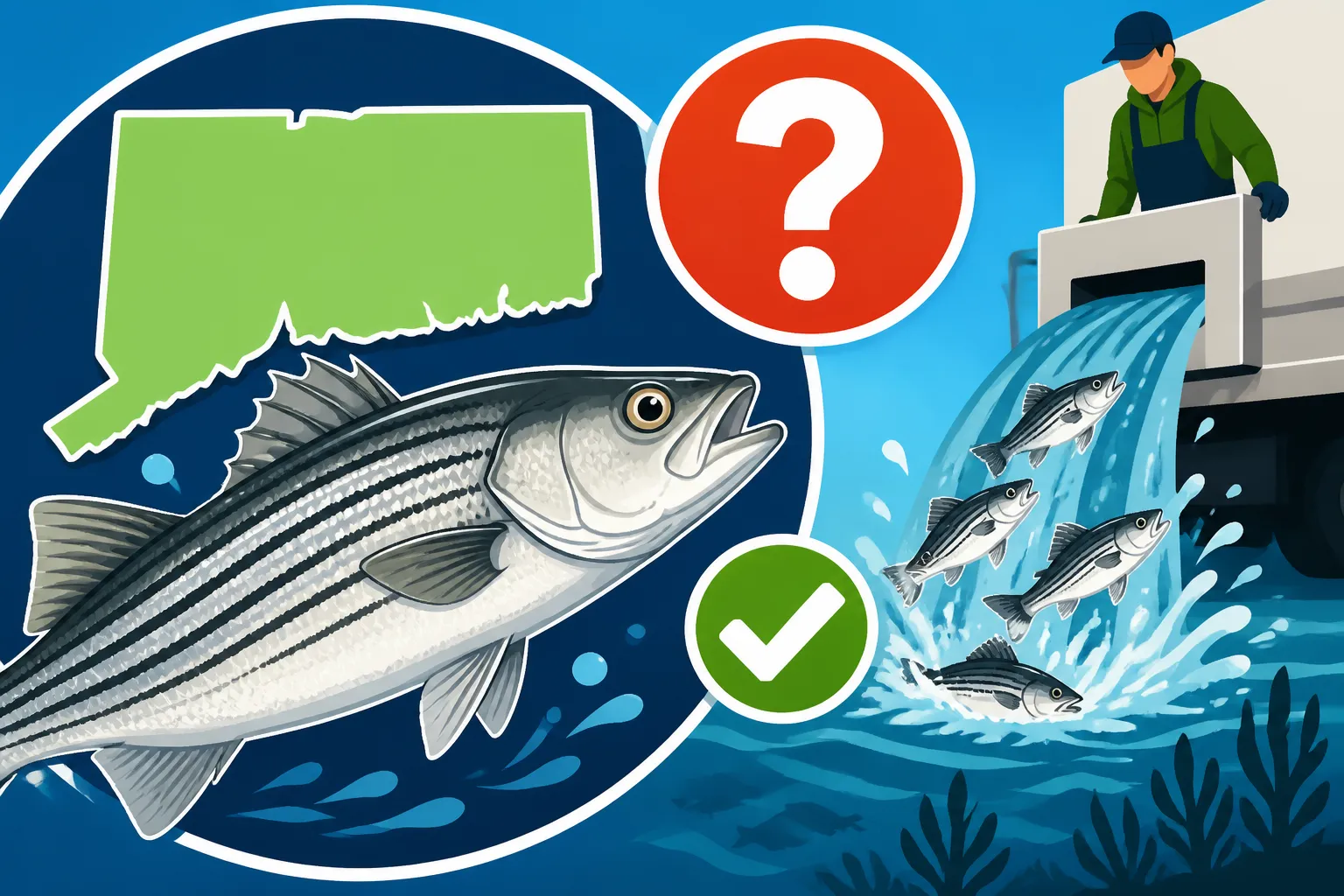
The straightforward answer is no, hybrid striped bass are not officially stocked by the Connecticut Department of Energy and Environmental Protection (CT DEEP) into public waters for recreational fishing purposes. Unlike states in the Mid-Atlantic or Midwest that widely stock wipers, Connecticut has chosen a different path for its fisheries management.
The focus here has historically been on managing and enhancing populations of native and naturalized species. Our state has a robust program for stocking trout, particularly in rivers like the Farmington and Housatonic, and managing warmwater species like largemouth and smallmouth bass, northern pike, and a variety of panfish. Introducing a non-native hybrid species like the wiper would be a significant shift in policy, and it's not one that has been adopted. This decision is rooted in a broader strategy to protect and promote the ecosystems of existing fish populations.
Why Connecticut Doesn't Stock Wipers
There are several compelling reasons why Connecticut does not stock hybrid striped bass. These reasons align with common conservation practices and the specific ecological considerations of our state.
First and foremost, Connecticut boasts a phenomenal natural population of purebred striped bass in Long Island Sound Fishing Guide and its tidal rivers. These fish are a keystone species and a massive draw for anglers. The DEEP's resources are dedicated to monitoring and managing these wild populations, along with the marine ecosystems they inhabit. Introducing hybrids, even into freshwater, could pose unknown risks if they somehow made their way into estuarine or marine environments and interbred with the native striper population, potentially diluting the genetic integrity of our wild striped bass. For an overview of how the state manages these populations, you can check out resources on Connecticut Striped Bass Slot Limit and Season.
Secondly, there are concerns about ecological impact. While hybrids are sterile, preventing uncontrolled reproduction, their predatory nature and rapid growth could still disrupt the delicate balance of existing freshwater ecosystems. They are aggressive feeders and could compete with native predators like largemouth and smallmouth bass for forage fish, potentially impacting those valuable recreational fisheries.
Lastly, public support and historical precedent play a role. Connecticut anglers have a strong connection to our native species and the management programs already in place, such as extensive trout stocking and bass management. Diverting resources to stock a non-native hybrid might not be the most popular or effective use of limited funds and personnel, especially when excellent fishing for other species is already available.
Where You Might Encounter Similar Fish (and What They Really Are)
Even without wipers, Connecticut offers incredible fishing for species that might lead to confusion or simply provide a similar hard-fighting experience.
The Purebred Striped Bass of Long Island Sound
If you're looking for that striped bass fight, look no further than Long Island Sound and its tidal rivers. These are the true giants of our waters. Striped bass are anadromous, meaning they spend most of their lives in saltwater but migrate into freshwater rivers to spawn. Our stretch of coastline, estuaries, and river mouths are prime habitat for these powerful fish.
From spring through fall, anglers target stripers with a huge variety of techniques, from casting lures off jetties and beaches to trolling and live-lining from boats. They offer an incredible fight, and catching a large "cow" striper pushing 20, 30, or even 40 pounds is a true Connecticut angling dream. While they might not be the "wipers" of other states, a powerful Long Island Sound striped bass will give you all the battle you could ever want. Learning about their movements is key to success, so looking into topics like Striped Bass Migration Along the Connecticut Coast can be very helpful.
White Perch and Their Freshwater Presence
Another fish that sometimes gets confused with a small striper or even a hybrid is the white perch (Morone americana). These are a common, abundant, and feisty species found in many of Connecticut's brackish and freshwater systems, including coastal rivers, estuaries, and even some large lakes. White perch are much smaller than striped bass, typically reaching lengths of only 8-12 inches, but they are aggressive feeders and provide excellent light-tackle fun.
They have a similar silvery appearance to young stripers but lack the prominent dark lateral lines. Their body shape is also generally deeper and more compressed than a striped bass. They are often found in large schools, providing fast action for anglers using small lures, worms, or bits of clam. Don't underestimate them for sheer fun, especially for younger anglers or when you're just looking to bend a rod. They're a staple of Panfish Fishing in Connecticut.
Accidental Introductions or Misidentification
It's natural to wonder if, perhaps, wipers could have been introduced accidentally or illegally in some private ponds. While highly unlikely in public waters managed by the state, it's not impossible for private ponds or lakes to have seen various introductions over time. However, any such introductions would be unregulated and outside official stocking programs. The vast majority of "hybrid striped bass" sightings in Connecticut freshwater are almost certainly misidentifications of purebred striped bass that have ventured upstream or, more commonly, white perch.
It's also worth noting that the CT DEEP takes illegal stocking very seriously due to the potential ecological damage. So, while it's fun to dream of new species, it's always best to respect the regulations and focus on the incredible fisheries we already have.
Gear and Tactics for Similar Species (If You're Still Hoping for a Fight!)
So, while wipers aren't on the menu, the good news is that Connecticut offers fantastic opportunities to catch species that provide similar thrills.
Targeting Purebred Stripers
If you're after that powerful, hard-hitting fight, then purebred striped bass in Long Island Sound and its tidal rivers should be your primary target. Here are a few tactics that consistently produce:
- Shore Fishing: Jetties, rocky points, and sandy beaches along the Connecticut coastline are excellent spots. Look for areas with current, structure, or baitfish activity. Popular methods include casting large swimming plugs, soft plastics on jig heads, and poppers, especially during low light conditions (dawn, dusk, or night). Fresh bunker or clam baits fished on the bottom can also be highly effective.
- Boat Fishing: For boat anglers, the options are even more diverse. Trolling mojos, umbrella rigs, or tube-and-worm combinations can cover a lot of water. Live-lining bunker, eels, or other baitfish near structure like reefs, rips, and channels is a deadly tactic for larger fish. Jigging with heavy bucktails or soft plastics around bottom structure also works well, particularly when stripers are holding deep. You can find detailed information about effective lures and techniques in our guide on Best Lures for Striped Bass in Long Island Sound.
Gear Recommendations
Having the right gear makes all the difference, whether you're battling a bulldog striper or having a blast with feisty white perch.
For striped bass, especially in the Sound, you'll want robust tackle. A medium-heavy to heavy action spinning or conventional rod, 7 to 10 feet long, paired with a reel capable of holding 200-300 yards of 20-50 pound braided line is a good starting point. Look for reels with strong drags, as stripers will test them! For specific models and brands, checking out reviews and selections on Amazon can give you a good idea of what's available and suitable for saltwater use. Don't forget a stout leader of fluorocarbon (30-60 lb test) to resist abrasion from rocks and sharp gill plates.
For white perch, you can scale down significantly. A light to medium-light action spinning rod, 6-7 feet long, with a small reel spooled with 4-8 pound monofilament or braid is perfect. They'll still put a good bend in the rod and make for some lively action. Small jigs, grubs, and bait-holder hooks are all you really need.
Remember, a good quality pair of pliers, a decent landing net, and a comfortable fishing vest or tackle bag (many great options are available on Amazon) can also significantly enhance your fishing experience, regardless of your target species.
Here’s a quick comparison of the three species:
| Feature | Hybrid Striped Bass (Wiper) | Purebred Striped Bass | White Perch |
|---|---|---|---|
| Origin | Hatchery-bred Hybrid | Native, Anadromous | Native |
| Primary Habitat | Landlocked Freshwater (where stocked) | Saltwater, Estuaries, Tidal Rivers | Brackish Water, Freshwater, Estuaries |
| Size | Often 5-15+ lbs (can exceed 20 lbs) | Commonly 5-30+ lbs (can exceed 50 lbs) | Typically 0.5-2 lbs (rarely larger) |
| Lateral Lines | Usually broken or discontinuous | Generally solid, unbroken | Faint, often absent below midline |
| Body Shape | Deeper body, somewhat football-shaped | Streamlined, elongated | Deep, compressed, compact |
| Teeth | Two distinct tooth patches on tongue | Two distinct tooth patches on tongue | Single or no tooth patch on tongue |
| Stocked in CT? | No | N/A (wild population) | N/A (wild population) |
| CT Fisheries | None (not a target species) | Premier gamefish in marine waters | Common, fun light-tackle fish |
So, while you won't find hybrid striped bass swimming around in Connecticut's public waters, don't let that deter you! Our state offers a wealth of incredible fishing opportunities, especially for the powerful purebred striped bass. With the right knowledge and gear (which you can easily find on Amazon, by the way), you can still experience the thrill of battling a hard-fighting fish right here in the Nutmeg State. Tight lines!
Disclaimer
This article is for general informational purposes only and does not constitute professional advice. Laws, prices and regulations vary by location and change over time. Consult a qualified professional for guidance on your specific situation.