Panfish Fishing in Connecticut
Ah, the humble panfish! So many anglers in Connecticut chase the big striped bass or trophy trout, and sometimes, the sheer joy of a lively panfish tugging on a light line gets overlooked. But if you've ever spent a quiet afternoon by a serene pond or a lazy river, teaching a child to fish, or just looking for some delicious fillets, you know the immense satisfaction these smaller species bring. This guide is all about embracing that simple pleasure, diving deep into everything you need to know to successfully target panfish across our beautiful state.
The Enduring Appeal of Panfish in Connecticut Waters
There’s something truly special about panfish. They might not always get the same glory as a leaping trout or a hard-fighting bass, but they are the unsung heroes of many a fishing trip. For a lot of us, they were our very first catch, sparking a lifelong love affair with angling. And even for seasoned pros, a day spent chasing panfish can be incredibly rewarding, offering consistent action and a chance to relax without the pressure of a monster catch.
What Defines a "Panfish" in Our State?
When we talk about "panfish" in Connecticut, we're generally referring to a group of smaller, schooling fish that are easily caught and, as the name suggests, fit perfectly in a frying pan! They're prolific, widespread, and provide endless opportunities for anglers of all ages and skill levels. While the term isn't strictly scientific, it helps us categorize some of our most accessible and enjoyable freshwater species. You can learn more about identifying various species in our Panfish Species Identification Guide for Connecticut.
Bluegill: The Sunfish King
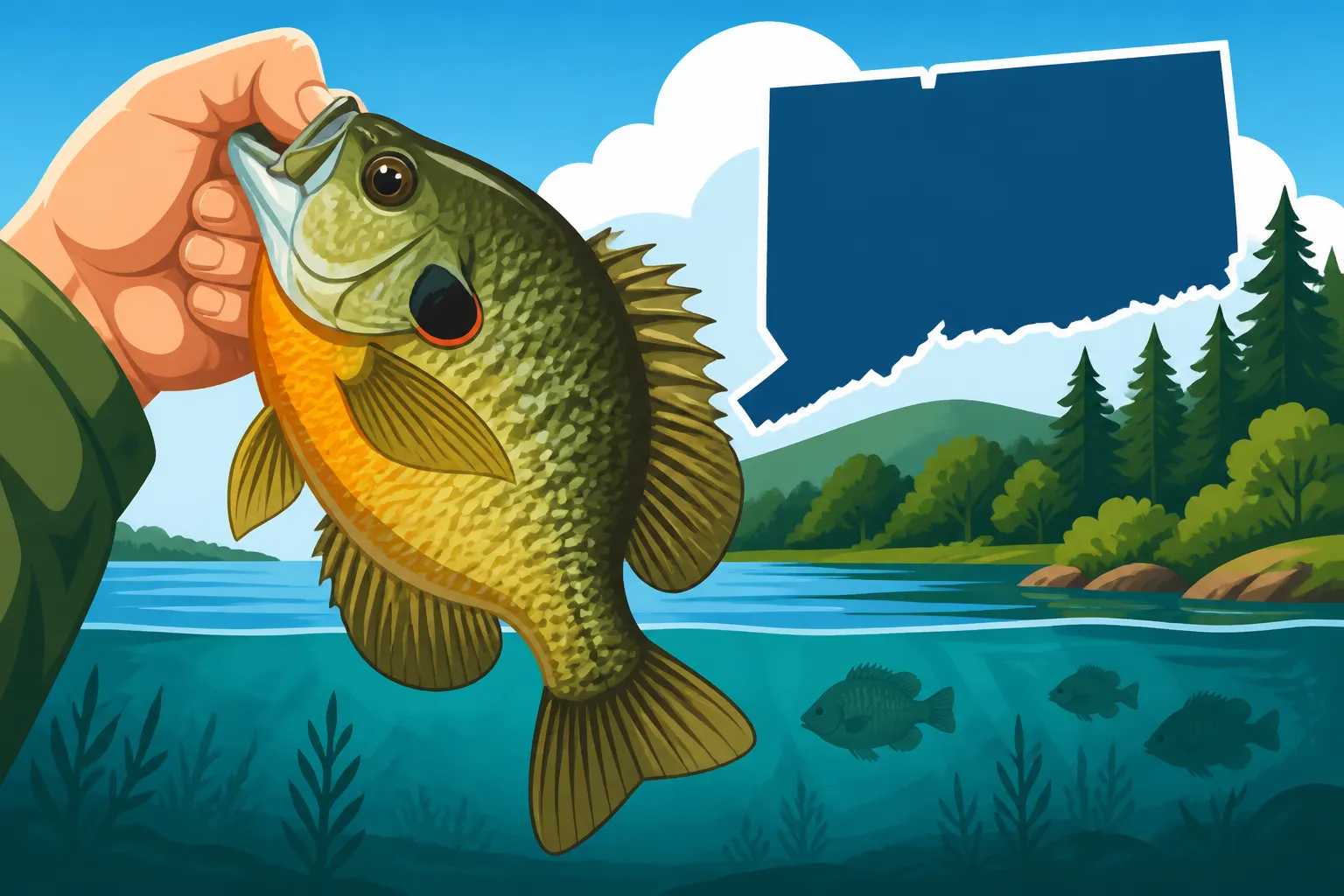
The bluegill is arguably the most recognizable panfish in Connecticut, and for good reason. These feisty little fish are found in almost every pond, lake, and slow-moving river imaginable. They're often mistaken for other sunfish species due to their round, plate-like bodies and vibrant colors, especially the males during spawning season. What truly sets them apart, beyond that distinctive dark "ear flap" on their gill cover, is their sheer willingness to bite. They're not particularly picky, which makes them an absolute blast for beginners.
Imagine a warm summer afternoon, a bobber dancing on the surface, and then a quick dip – that's often a bluegill at the other end. They'll readily hit small worms, crickets, corn, or tiny artificial lures. Their fight, though not spectacular, is surprisingly strong for their size, giving a satisfying bend to an ultralight rod. Plus, a plate of crispy fried bluegill fillets? Absolutely delicious. They're a true staple of Connecticut's freshwater fishing scene, providing consistent action when other species might be more elusive.
Pumpkinseed: A Jewel Below the Surface
Often living side-by-side with bluegill, the pumpkinseed sunfish is another beautiful and common panfish in Connecticut. They get their name from their incredibly vibrant, almost iridescent coloring, featuring streaks of blue, orange, and green on their cheeks and body, with a distinctive red or orange spot on the tip of their gill flap. They’re like living jewels found shimmering just beneath the water's surface in clear, weedy shallows.
Pumpkinseeds tend to be a bit more finicky than bluegills at times, preferring smaller presentations, but they're just as eager once they decide to bite. They thrive in similar habitats – vegetated areas, around docks, and fallen trees. While they don't usually grow as large as bluegill, their stunning appearance makes every catch a treat. They're a joy to show to kids, who are often mesmerized by their brilliant hues before safely releasing them or adding them to the pan. Like their bluegill cousins, they represent the accessible and fun side of angling.
Yellow Perch: The Schooling Delicacy
Moving beyond the sunfish family, the yellow perch is another star of Connecticut's panfish lineup, known for its distinctive vertical stripes and delicious, flaky white meat. These fish are true schoolers, meaning if you find one, you've likely found a whole group! They prefer slightly cooler water than sunfish and are often found in deeper lakes and ponds, as well as some of our larger rivers. They're incredibly popular among ice anglers, but they offer fantastic fishing opportunities year-round.
Yellow perch are active predators, often feeding on smaller baitfish, aquatic insects, and crustaceans. This means they respond well to a variety of baits and lures, from minnows and worms to small jigs and spoons. The excitement of catching yellow perch often comes from the rapid-fire action once you locate a school – you can often pull them in one after another. Their firm, mild-flavored flesh makes them a top choice for the dinner table, making them a dual-threat species: fun to catch and wonderful to eat.
Black and White Crappie: The Finned Finesse
Crappie, both black and white varieties, are often considered the "glamour" panfish, sought after for their challenging nature and excellent table quality. They have a more elongated, compressed body compared to sunfish, and their large mouths give them the nickname "paper mouths" due to their delicate jaw structure. Black crappie are usually darker with irregular blotches, while white crappie have more distinct vertical bars. Both are incredibly popular in Connecticut, particularly in lakes and ponds with plenty of submerged structure.
Crappie are typically found congregating around brush piles, submerged timber, docks, and bridge pilings. They're often a bit more discerning than bluegills, preferring finesse presentations like small jigs, minnows, or tiny tube baits. The thrill of crappie fishing often comes from precisely presenting your bait to their hideouts and feeling that subtle tap. When you find a school of crappie, the action can be fast and furious, and a stringer of these beautiful, delicious fish is a prized catch indeed. They offer a step up in finesse angling while still providing consistent panfish action.
Why Panfish Hold a Special Place for Connecticut Anglers
Panfish aren't just "filler" fish; they are a vital part of our angling culture. They offer unique advantages that make them a go-to choice for countless fishing trips, from a quick evening outing to a dedicated family adventure.
Perfect for Beginners and Families
One of the biggest frustrations for new anglers, especially kids, is not catching anything. It's tough to stay motivated when you're just casting and reeling, hoping for a bite that never comes. This is where panfish shine! Their sheer abundance and aggressive feeding habits mean that bites are frequent, keeping spirits high and teaching essential angling skills quickly. There's nothing quite like seeing a child's eyes light up when they feel that first tug on the line, and panfish provide that experience reliably.
For families, panfish trips are low-stress, high-reward outings. You don't need expensive gear, complicated techniques, or long boat rides. A couple of simple rods, a container of worms, and a local pond are often all it takes. It's an incredible way to introduce fishing as a fun, accessible hobby, fostering a love for the outdoors and creating lasting memories. Plus, when the bites are consistent, everyone stays engaged and happy, even the adults!
Accessible Opportunities Year-Round
Unlike some species that have very specific seasons or narrow windows of activity, panfish in Connecticut offer opportunities practically all year long. In the spring, they move into the shallows to spawn, making them easy targets. During the summer, they might retreat to deeper, cooler waters or shaded structure, but they're still active. Fall brings a feeding frenzy as they pack on weight for winter, and then, for those brave enough to venture out, winter ice fishing for panfish is a cherished tradition across the state.
This consistent availability means you don't have to wait for a particular time of year to get your fishing fix. A warm winter day might offer a chance to catch yellow perch through the ice, while a spring afternoon can be spent targeting bluegill beds. This flexibility makes panfish a reliable target for anglers who want to spend more time on the water, no matter the calendar. Check out our Connecticut Fishing Season Dates and Closures for general information that can help you plan your trips.
Delicious and Sustainable Harvest
Let's be honest, a good part of the appeal of panfish is how utterly delicious they are. Their white, flaky meat is mild and sweet, making them fantastic for frying, baking, or broiling. There's nothing quite like a fresh panfish fry after a successful day on the water, sharing the bounty with family and friends. This direct connection from catch to table is a powerful draw for many anglers.
Furthermore, because panfish are so abundant and reproduce prolifically, they are generally a very sustainable species to harvest. While it's always important to be aware of local regulations, taking a reasonable number of panfish for a meal has minimal impact on the overall population, especially when compared to some of the larger, slower-growing sportfish. This means you can enjoy your catch guilt-free, knowing you're participating in a healthy, renewable outdoor activity. Just be sure to always consult the current Connecticut Fishing Regulations Explained before heading out.
Where to Find Connecticut's Abundant Panfish Populations
One of the best things about panfish is their ubiquity. You don't often need to travel far or have a massive boat to find them. Connecticut is dotted with prime panfish habitat, from sprawling lakes to quiet suburban ponds. Knowing where to look is half the battle, and once you understand their preferred environments, you'll start spotting panfish potential everywhere. For a broader view, you can explore our guide to Best Fishing Lakes in Connecticut and Best Fishing Rivers in Connecticut.
Lakes, Ponds, and Reservoirs: Your Go-To Panfish Havens
These bodies of water are the quintessential panfish playgrounds. From small farm ponds to large recreational lakes, the slower-moving or still waters provide ideal conditions for sunfish, perch, and crappie to thrive.
Targeting Shallow Weeds and Structure
When you first approach a lake or pond, especially in spring and early summer, your eyes should immediately scan for shallow weeds, lily pads, downed trees, and docks. These are panfish magnets! Bluegill and pumpkinseed, in particular, love to nest and feed in these areas. The vegetation provides cover from predators, a steady supply of insects, and a warm, safe place to spawn. They'll often form "beds" – circular depressions on the bottom where they guard their eggs.
Fishing these areas effectively means presenting your bait or lure right in among the cover without getting snagged. Small jigs, worms under a bobber, or tiny spinners cast along weed edges or into pockets are highly effective. Don't be afraid to cast right up against dock pilings or the shady side of fallen timber. Often, the biggest panfish are lurking in the densest cover, waiting to ambush unsuspecting prey. A good pair of polarized sunglasses from a reliable retailer like Amazon can help you spot these crucial features and even the fish themselves in clear water.
Deep Water Tactics for Larger Fish
As summer progresses and water temperatures rise, many of the larger panfish, particularly crappie and yellow perch, will retreat from the super-shallow waters into deeper, cooler zones. This doesn't mean they're impossible to catch; it just requires a change in strategy. Look for structure in deeper water such as humps, submerged roadbeds, rock piles, or old foundations. Crappie, in particular, will suspend around brush piles or drop-offs.
Sonar on a boat or even a portable fish finder can be invaluable for locating these deeper structures and the fish holding to them. Vertical jigging with small baits or minnows is often the most effective method here. You might find a school of perch congregated on a deep flat or crappie suspended ten feet down over twenty feet of water. Don't overlook fishing deeper around the same shoreline structures you hit in the spring; often, the biggest panfish simply moved down the break line a few feet.
Rivers and Streams: Uncovering Hidden Panfish Gems
While lakes and ponds are prime panfish habitat, don't overlook Connecticut's myriad rivers and streams. While faster, colder trout streams might not hold many panfish, the slower, warmer sections of rivers can be incredibly productive, especially for yellow perch, bluegill, and even some crappie.
Slow-Moving Backwaters and Eddies
The key to finding panfish in rivers is to look for areas where the current slows down. Think about oxbows, backwaters, eddies behind large rocks or log jams, and side channels. These calmer zones provide a respite from the main current, allowing panfish to feed and rest without expending too much energy. They also tend to accumulate natural debris and offer the same type of cover found in lakes, such as submerged branches and vegetation.
Fishing these riverine spots often involves casting upstream and letting your bait or lure drift naturally with the current into the slower water. A lightweight bobber can be very helpful here, allowing your bait to suspend at a desired depth without getting swept away too quickly. These areas can be fantastic for a quiet day of fishing, and often produce a diverse catch of panfish species.
Identifying Prime Riverine Habitat
Beyond just slow water, panfish in rivers will seek out similar protective and food-rich features as their lake-dwelling cousins. Look for areas with overhanging brush, undercut banks, and submerged logs or root wads. These offer shade, cover, and a haven for aquatic insects and small baitfish that panfish feed on. During periods of higher water or after rain, these calmer pockets become even more important as safe zones.
Also consider the confluence of smaller creeks or tributaries with the main river. These areas often bring in new food sources and can create unique current breaks that panfish exploit. Exploring these different river sections on foot or by kayak can reveal hidden panfish hotspots that many anglers overlook, giving you some truly peaceful and productive fishing experiences.
Urban and Community Fishing Opportunities
You don't always need to drive hours to a remote wilderness area to find great panfish fishing. Connecticut has done an excellent job of providing accessible fishing opportunities right in or near our towns and cities. These often stocked ponds and lakes are fantastic for a quick trip, especially with kids.
City Parks and Stocked Ponds
Many city and town parks in Connecticut feature small ponds that are regularly stocked and maintained for recreational fishing. These waters are often teeming with bluegill, pumpkinseed, and sometimes yellow perch. They offer easy access, often with paved paths, picnic areas, and restrooms, making them ideal for family outings. The fish in these ponds are usually very cooperative, providing consistent action for even the most inexperienced angler.
Before you go, it's always a good idea to check local town or state park websites for specific regulations or stocking schedules. These can be prime locations for a successful and enjoyable panfish trip, without the hassle of a long journey. Our Connecticut State Park Fishing Guide provides a lot of useful information on public access points.
Public Access and Community Fishing Locations
Beyond official parks, many communities have small, publicly accessible ponds, reservoirs, or stretches of river that hold healthy panfish populations. These might be less manicured than a state park, but often offer a more "local" feel. Sometimes these spots are found tucked away behind shopping centers, along walking trails, or adjacent to public lands.
The key here is to look for public access points and observe where others are fishing. A quick search on the DEEP website or even asking at a local bait shop can reveal some hidden gems close to home. These community spots are fantastic for an hour or two of fishing after work or a short morning excursion, proving that great fishing doesn't always require a grand expedition. Remember that a valid Connecticut Fishing License Guide for 2026 is almost always required, even for these local spots.
Gearing Up for Successful Panfish Adventures
One of the beautiful things about panfish fishing is that you don't need to break the bank for expensive, specialized gear. In fact, keeping it simple and light is often the most effective approach. However, having the right simple gear can make a huge difference in your enjoyment and success.
The Right Rod and Reel: Keeping it Light and Sensitive
The choice of rod and reel is critical for maximizing the fun and effectiveness of panfish fishing. Heavy gear will overpower these smaller fish and diminish the fight, while overly flimsy equipment might lack the backbone to cast light lures or handle an occasional larger bycatch.
Ultralight Spinning Combos
For most panfish situations, an ultralight spinning combo is your best friend. Look for a rod that is anywhere from 5 to 6.5 feet long with a fast or moderate-fast action and a very light power rating (labeled "ultralight"). This will allow you to cast tiny lures and baits a good distance, feel the most subtle bites, and truly enjoy the fight of even a small bluegill. Pair this with a small spinning reel, typically a 500 or 1000 size, spooled with 2-4 pound test monofilament or fluorocarbon line.
The sensitivity of an ultralight setup is key. Panfish often have a very light bite, sometimes just a tiny twitch of the line or a slight pause. A sensitive rod tip will telegraph these subtle takes directly to your hand, allowing for quicker hooksets and more fish in the net (or released!). You can find excellent, affordable ultralight combos from brands like Ugly Stik or Shakespeare on Amazon, which are perfect for getting started without a huge investment.
Fly Rods for the Finesse Angler
For those who enjoy a more elegant and challenging approach, fly fishing for panfish is an incredibly rewarding experience. A lightweight fly rod, typically a 2 or 3-weight, with a matching reel and floating line, is perfect for casting tiny poppers, nymphs, and small streamers. The visual aspect of panfish hitting a dry fly or popper on the surface is exhilarating, and the delicate presentation often entices even the most wary fish.
Fly fishing for panfish is also a fantastic way to hone your casting skills before tackling more demanding species like trout. The action is often fast and furious, allowing for plenty of practice. Imagine stalking a lily pad edge, carefully placing a small foam spider, and watching a pumpkinseed rise to engulf it – it's pure angling bliss. This is a truly immersive way to experience panfish, combining skill with the natural beauty of the environment.
Essential Baits and Lures That Panfish Can't Resist
Panfish are generally not picky eaters, which is another reason they're so great for beginners. However, certain baits and lures consistently outperform others, and having a small selection can significantly increase your catch rate.
Live Bait Staples: Worms, Minnows, and Grubs
You simply cannot go wrong with live bait for panfish. A small piece of a nightcrawler or a red wiggler is arguably the most effective bait for bluegill, pumpkinseed, and yellow perch. Their natural scent and irresistible wiggling action are hard for any panfish to ignore. Hook them lightly through one end to allow maximum movement.
For crappie and larger yellow perch, small live minnows (often called "shiners" or "fatheads") can be incredibly effective. Hook them gently through the lips or just behind the dorsal fin. Wax worms, mealworms, and crickets are also panfish delicacies, particularly for sunfish, and can be purchased at most bait shops or even online retailers like Amazon. These natural offerings tap into the panfish's instinctive feeding habits.
Tiny Jigs, Spinners, and Spoons
When it comes to artificial lures, remember the golden rule: "think small!" Panfish have smaller mouths and are often targeting tiny insects or baitfish. Micro jigs (1/64 to 1/16 ounce) tipped with a small piece of plastic, a grub, or even just a bare hook are deadly. Colors like white, chartreuse, black, and pink are often very effective.
Tiny inline spinners, like those from Mepps or Panther Martin, with blades no larger than a dime, can also be incredibly productive, especially for yellow perch. Their flash and vibration mimic small baitfish. Small spoons, particularly during ice fishing season or when targeting deeper perch, can also trigger bites. The key with all these lures is a slow, steady retrieve or a subtle jigging motion that makes them look like easy prey.
Key Terminal Tackle for Panfish Success
Terminal tackle refers to everything at the "terminal" end of your fishing line: hooks, sinkers, swivels, and bobbers. Choosing the right size and type is crucial for effective panfish presentation.
Bobbers, Sinkers, and Hooks
For classic bobber fishing, select a small, sensitive bobber. A pencil bobber or a small slip bobber will offer less resistance to a biting fish than a large round one, and allow you to see the most subtle takes. The bobber should be just buoyant enough to float your bait and a small split shot or two. Speaking of sinkers, small split shot (sizes #7 to #4) are perfect for adding just enough weight to get your bait down without inhibiting its natural movement. Avoid heavy sinkers, as panfish can feel the resistance and drop the bait.
As for hooks, think tiny! Size 8, 10, or even 12 hooks (like Aberdeen or bait holder hooks) are ideal for panfish. Their smaller gape perfectly accommodates a piece of worm or a small minnow, and their fine wire is less likely to damage the delicate mouths of panfish. Using hooks that are too large is a common mistake and will result in fewer hookups.
Line Choices for Stealth and Strength
While ultralight gear means light line, it doesn't mean weak line. For most panfish scenarios, 2 to 4-pound test monofilament or fluorocarbon line is perfect. Monofilament is more forgiving, offers a bit of stretch, and is easy to tie knots with. Fluorocarbon is less visible underwater and has less stretch, offering more sensitivity, but can be a bit more expensive and prone to memory.
Some anglers opt for very thin braided line (4-6 pound test equivalent) with a fluorocarbon leader for maximum sensitivity and casting distance, especially when using tiny jigs. However, for most casual panfish outings, a good quality 4-pound monofilament will serve you well. The key is to have a line that's strong enough to land the fish, but light enough to be almost invisible and not hinder the natural presentation of your bait.
Mastering the Techniques for Catching Connecticut Panfish
Having the right gear is a great start, but understanding and applying effective techniques is what truly transforms a fishing trip. Panfish, while often eager, still respond better to certain presentations, and knowing these tactics will help you consistently put fish in the boat or on the bank. Many of these techniques are covered in more detail in our Best Techniques for Panfish in Connecticut article.
Classic Bobber Fishing: Simple, Effective, and Fun
If there's one technique synonymous with panfish, it's bobber fishing. It's the method many of us learned first, and for good reason: it's incredibly effective, visually exciting, and requires minimal skill to get started.
Reading the Bobber: Strikes and Subtleties
The beauty of bobber fishing is the visual cue. You cast out your bait, watch your bobber float serenely, and then… a twitch. A little dip. A slow slide sideways. These are all signals from a curious panfish. It's not always a dramatic plunge! Sometimes a fish will gently mouth the bait, and the bobber might just barely jiggle or tilt. This is where patience and observation come in.
Wait for a definitive pull or for the bobber to disappear completely before setting the hook. A sharp, quick wrist flick is usually all it takes with light tackle. Sometimes panfish will hit the bait on the fall, so pay attention immediately after casting. Learning to distinguish a genuine bite from wind chop or a snag against weeds is part of the fun and skill development. It's a fantastic way to develop an angler's intuition.
Depth Control and Presentation
The key to successful bobber fishing is presenting your bait at the correct depth. Panfish often congregate at specific depths, whether it's just a foot under the surface in spring or several feet down in deeper summer holes. Adjust the distance between your bobber and your hook until you start getting bites. If you're fishing near a weed line, try to keep your bait just above the top of the weeds. If you're over structure, try to suspend it just off the bottom.
You can also slowly retrieve your bobber rig, giving your bait a gentle swimming motion. This can entice inactive fish to strike. Don't just cast it out and leave it motionless for too long. A slight twitch, a slow drag, or a complete reel-in and recast can trigger bites. Experimentation is key to finding the "sweet spot" in terms of depth and presentation.
Jigging and Finesse Tactics for Deeper Waters and Wary Fish
While bobber fishing is great, sometimes you need a more active or precise approach, especially when panfish are holding deeper, are more scattered, or when you're targeting the often-wary crappie.
Vertical Jigging for Perch and Crappie
Vertical jigging is incredibly effective for yellow perch and crappie, particularly when they're congregated in deeper water or suspended around structure. This technique involves lowering a small jig (often tipped with a minnow or a soft plastic grub) directly beneath your boat, kayak, or even from a dock. The idea is to keep the bait moving vertically, mimicking a struggling insect or small baitfish.
A common retrieve involves lifting your rod tip a few inches, then letting it fall back on a semi-slack line. Many strikes will occur on the fall, so watch your line closely for any hesitations or twitches. Sometimes a simple dead-stick (holding the jig motionless for a few seconds) can be what triggers a bite from a hesitant fish. This method allows you to precisely target fish you might see on your fish finder or know are holding to a particular piece of structure.
Casting Small Lures to Structure
Beyond vertical jigging, casting small artificial lures is another productive finesse tactic. Tiny jigs, micro spoons, and small inline spinners can be cast to specific pieces of cover like submerged logs, dock pilings, lily pad edges, or brush piles. The goal is to make a precise cast and then work the lure back with a subtle retrieve.
For jigs, a "lift and drop" or "slow-roll" retrieve often works wonders. For spinners, a steady, slow retrieve that just gets the blade turning is usually best. Pay attention to how the lure feels; any change in resistance could be a bite. These tactics allow you to cover more water than stationary bobber fishing and can be particularly effective for locating active fish that are willing to chase.
Adapting to the Seasons: Panfish Fishing Through the Year
Panfish behavior changes significantly with the seasons, mainly influenced by water temperature and spawning cycles. Understanding these patterns is vital for consistent success. You can also refer to our Connecticut Fishing Season Dates and Closures for broader seasonal insights.
Spring Spawning Beds and Shallow Feeds
Spring is arguably the easiest time to catch panfish in Connecticut. As water temperatures rise, bluegill and pumpkinseed move into the shallow, warmer waters to spawn, often creating visible "beds" in sandy or gravelly areas. They become very aggressive and protective of their nests, making them easy targets. Crappie also move shallower, congregating around brush and structure in preparation for their spawn.
During this time, target protected coves, shallow flats, and areas with emergent vegetation. Small worms under a bobber or tiny jigs cast to visible beds are incredibly effective. The bites can be non-stop! However, remember to practice responsible angling during the spawn; taking too many fish off their beds can impact future populations.
Summer Deep Water and Early Morning Bites
As summer heats up, panfish tend to move to deeper, cooler water, especially during the brightest parts of the day. They'll seek out thermal refuges near springs, drop-offs, and deep structure. The best times to target them in summer are typically early mornings, late evenings, or even at night when they might venture shallower to feed.
During the day, focus on those deeper water tactics mentioned earlier: vertical jigging, drift fishing with live bait, or using a fish finder to locate schools. In the mornings and evenings, try fishing the edges of weed lines or shaded areas where panfish might be ambushing baitfish or insects. Adjusting your fishing times and depths is crucial for summer success.
Fall Feeding Frenzies
Fall is another fantastic time for panfish in Connecticut. As water temperatures begin to cool, panfish (like most species) sense the approaching winter and engage in a major feeding spree. They're looking to pack on calories, making them very aggressive and willing to chase lures. They'll often be found in medium depths, relating to structure and baitfish schools.
During the fall, aggressive presentations with small inline spinners, spoons, and jigs can be very effective. Look for areas where baitfish are congregating, as panfish won't be far behind. This is an excellent time for catching some of the largest panfish of the year, as they are at their peak weight and condition.
Winter Ice Fishing for Panfish
For many Connecticut anglers, winter means ice fishing, and panfish are the undisputed kings of the hardwater season. Yellow perch, crappie, bluegill, and pumpkinseed are all actively feeding under the ice, and once you find a school, the action can be incredible. Ice Fishing in Connecticut is a highly popular pursuit, and panfish are a main target.
Ice fishing gear is specialized but simple: short, sensitive rods (called "jigging rods" or "tip-ups"), small jigs, and live bait (wax worms, spikes, or small minnows). Using a flasher or fish finder is a huge advantage for locating fish and presenting your bait effectively. Drill multiple holes and move around until you find an active school. The thrill of watching your line disappear down a hole, signaling a bite, is a unique winter pleasure.
Specific Strategies for Connecticut's Top Panfish Species
While many panfish techniques overlap, there are nuances for each species that can help you target them more effectively. Understanding their individual preferences and habits will lead to more consistent catches.
Bluegill and Pumpkinseed: Sunfish Strategies
These two sunfish species are often caught using similar methods, as they share many habitat preferences and feeding habits. They are widespread and often the most eager biters.
Targeting Beds and Weed Lines
As mentioned, bluegill and pumpkinseed are masters of the shallow, weedy areas. During the spawn (typically late spring to early summer when water temperatures are consistently in the mid-60s Fahrenheit), look for their circular beds in protected coves and shallow flats. Fish will be aggressive and territorial. A small piece of worm on a tiny hook under a bobber cast into or near these beds is almost guaranteed to get a strike.
Outside of the spawn, target the edges of lily pads, cattails, and submerged weed beds. Bluegill and pumpkinseed love to cruise these areas, picking off insects and larvae. Use ultralight spinning gear with 2-4 pound test line and small jigs (1/32 to 1/16 ounce) tipped with a grub or a tiny piece of live bait. A slow, steady retrieve or a stop-and-go retrieve will usually entice them. For a fly rod, small poppers, sponge spiders, or tiny nymphs are incredibly effective when fished along these same weed lines.
Small Baits and Stealthy Approaches
Sunfish have relatively small mouths, so presenting small baits is crucial. Don't use a whole nightcrawler; a quarter-inch piece is usually plenty. Keep your hooks tiny (size 10 or 12). Also, consider a stealthy approach, especially in clear water. Panfish can be surprisingly wary, particularly larger individuals. Avoid heavy lines, loud movements on the bank, or brightly colored bobbers that might spook them.
Sometimes, simply letting your bait slowly sink without a bobber (called "tight-lining") can be very effective, as it offers a more natural presentation and allows you to feel the most subtle bites directly through the line. The more delicate your presentation, the more bites you'll likely get from these colorful, feisty fish.
Yellow Perch: Locating the Schools
Yellow perch are a different beast from sunfish in their schooling behavior and preferred habitat. Finding one means you're likely to find many, leading to fast-paced action.
Drifting and Bottom Bouncing
Yellow perch often inhabit deeper sections of lakes, ponds, and slower rivers. They love to cruise along the bottom or suspend just above it, searching for food. Drifting with the wind or current in a boat, dragging a small jig or a live minnow just off the bottom, is a highly effective way to cover water and locate schools. Use just enough weight to keep your bait in contact with the bottom, allowing it to bounce along.
If you're fishing from shore, a similar "bottom bouncing" technique can be achieved with a slow retrieve or by casting and letting your bait sit, then slowly reeling in a few feet. The key is to keep your bait in the strike zone where perch are feeding. This active search method often leads to finding those concentrations of fish.
Finding the Perch in Larger Bodies of Water
In larger lakes like Candlewood Lake or Bantam Lake, locating yellow perch often comes down to finding structure and using electronics. Look for humps, submerged points, rock piles, or transition areas between different bottom types (e.g., mud to gravel). Perch will often school tightly to these features. A good fish finder can show you exactly where the schools are holding, allowing you to drop your bait right on their heads.
Once you find a school, vertical jigging with small jigging spoons, blade baits, or tiny jigs tipped with a minnow or a grub is incredibly effective. The bites can be light, so a sensitive rod is key. And remember, if you catch one perch, drop your bait right back down – there are almost certainly more where that came from!
Crappie: The Elusive Paper-Mouths
Crappie are often considered one of the more challenging panfish, but also one of the most rewarding. Their delicate mouths require a soft touch, but their schooling habits make them a joy to catch once located.
Brush Piles, Docks, and Submerged Timber
Crappie absolutely adore structure, especially vertical structure that offers shade and ambush points. Their favorite haunts include submerged brush piles, fallen trees, dock pilings, bridge abutments, and even old submerged Christmas trees anglers often sink for habitat. These areas provide cover from predators and concentrated food sources.
When targeting crappie, focus your efforts precisely on these structures. Cast tiny jigs or small minnows right up against or into the cover. Be prepared for snags, as you'll be fishing in tight quarters. The key is to present your bait slowly and subtly, allowing it to sink naturally next to the structure. Crappie often suspend at specific depths around these features, so adjust your presentation until you find their preferred level. A local fishing enthusiast might even tie some homemade crappie jigs, but you can also find plenty of options ready-made on Amazon.
Spider Rigging and Vertical Presentations
For boat anglers looking to cover water or fish multiple baits for crappie, "spider rigging" (using multiple long rods extended out from the boat, often with spider-like rod holders) is a popular and effective technique. This allows you to present several baits at different depths simultaneously as you slowly troll or drift through crappie hotspots. Each rod typically has a small jig or minnow rig.
When you're over a known crappie haunt, vertical presentations are often best. Whether you're using a single rod or multiple, letting your bait or jig descend slowly and maintaining a constant depth is crucial. Crappie often prefer a very slow retrieve or a completely still presentation, occasionally lifting or twitching the bait just enough to give it some life. Patience and precision are your best friends when targeting these "paper-mouths."
Navigating Connecticut's Panfish Regulations and Promoting Conservation
While panfish are abundant, it's still incredibly important to understand and follow Connecticut's fishing regulations. Responsible angling ensures that these fantastic resources remain healthy and plentiful for generations to come. Fishing isn't just about catching; it's about being a good steward of our natural waters.
Understanding Statewide and Special Water Rules
Connecticut has clear guidelines for fishing, and while panfish generally have more liberal limits than trout or bass, it's critical to know the rules. These regulations can change, so always check the most current information provided by the Connecticut DEEP.
General Length and Creel Limits
For most panfish species in Connecticut, there are no statewide length limits, meaning you can keep fish of any size. However, there are usually daily creel (or possession) limits, which dictate how many fish of a particular species you can keep in a single day. These limits are designed to prevent overharvesting, even of prolific species like panfish. For example, there might be a daily limit of 25 fish for certain sunfish or perch species.
It's also important to be aware of "Special Regulation Waters." These are specific lakes, ponds, or river sections that might have different rules than the general statewide regulations. This could mean reduced creel limits, size restrictions, or even tackle restrictions to protect specific fish populations or promote certain types of fishing. Always consult the official Reading the Connecticut Fishing Guide before you head out, and pay close attention to signs at fishing access points.
License Requirements and Other Considerations
Remember, almost anyone over the age of 16 needs a valid Connecticut Fishing License Age Requirements to fish in Connecticut waters. There are different license types for residents and non-residents, and options for inland, marine, or all-waters fishing. Even if you're just fishing for panfish in a local pond, a license is generally required. There are some exceptions, such as during designated Free Fishing Days, but these are rare.
Beyond licenses, be mindful of general boating laws if you're fishing from a boat. Always carry required safety equipment, wear life jackets, and follow navigation rules. Understanding these foundational regulations helps ensure a safe and legal fishing trip, no matter what you're targeting.
Practicing Responsible Harvest and Catch-and-Release
The great thing about panfish is that they are so numerous that you can often keep a good meal without impacting the overall population. However, responsible angling means making thoughtful choices about what you harvest and how you handle fish you intend to release.
Keeping What You Need, Releasing the Rest
While panfish limits are often generous, consider taking only what you and your family can reasonably eat. There's no need to fill your cooler to the absolute legal limit if much of it will go to waste. Selective harvesting can actually benefit panfish populations by removing smaller, more numerous fish, leaving more food and space for the remaining fish to grow larger.
If you're catching a lot of small panfish, consider releasing them to grow bigger. If you want a meal, focus on keeping medium-sized fish and releasing the very largest ones, especially crappie or perch, as these larger individuals are often the best breeders and contribute most to the health of the fishery. This mindful approach to harvesting is a core tenet of ethical angling.
Protecting Spawning Populations and Handling Fish Gently
During the spring spawning season, panfish are particularly vulnerable. While it's often easy to catch them off their beds, consider limiting your harvest during this critical time to allow them to successfully reproduce. If you do catch a fish from a bed, handle it quickly and release it gently so it can return to its nest.
For all fish you intend to release, handle them as little as possible. Wet your hands before touching them to protect their protective slime coat. Use a de-hooking tool if the hook is deep. If the fish is bleeding or looks distressed, it's often more humane to keep it for consumption (if legal) than to release it to likely die. Quick, careful handling and minimizing air exposure are key to ensuring a high survival rate for released fish.
The Future of Panfish in Connecticut
The health of our panfish populations, like all fisheries, depends on ongoing conservation efforts and angler participation. Everyone has a role to play in ensuring these resources remain vibrant.
Habitat Protection Efforts
Healthy panfish populations rely on healthy habitats. This means clean water, abundant aquatic vegetation, and stable shorelines. Supporting organizations that work to protect and restore Connecticut's waterways, reporting pollution, and practicing Leave No Trace principles when you're on the water all contribute to maintaining prime panfish habitat.
Also, be mindful of your own impact. Avoid disturbing spawning beds, don't litter, and don't introduce invasive species (e.g., by moving fish from one body of water to another or releasing aquarium pets). A thriving ecosystem means thriving panfish, and we all benefit from that.
Angler Education and Participation
The future of panfish fishing in Connecticut also relies on engaging new generations of anglers. Teaching kids about responsible fishing, the importance of conservation, and the joy of a simple day on the water is paramount. The more people who appreciate and participate in this sport, the more advocates we'll have for protecting our aquatic resources.
Panfish are the perfect gateway species for this education. Their accessibility and willingness to bite make them ideal teachers. So grab a rod, some worms, and head to your local pond or river. Share the joy, teach the ethics, and celebrate the enduring appeal of panfish in Connecticut.
Disclaimer
This article is for general informational purposes only and does not constitute professional advice. Laws, prices and regulations vary by location and change over time. Consult a qualified professional for guidance on your specific situation.